Why Do Cats Hide Their Toys? Vet-Verified Facts & Info


In this article
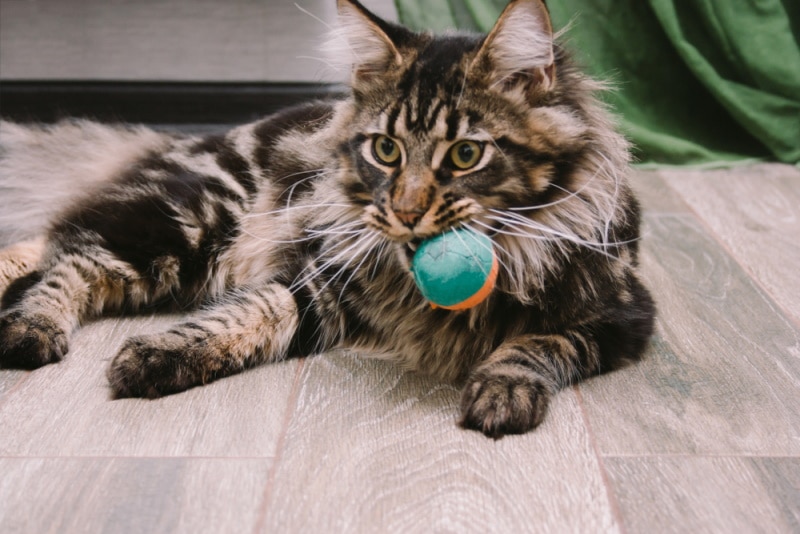
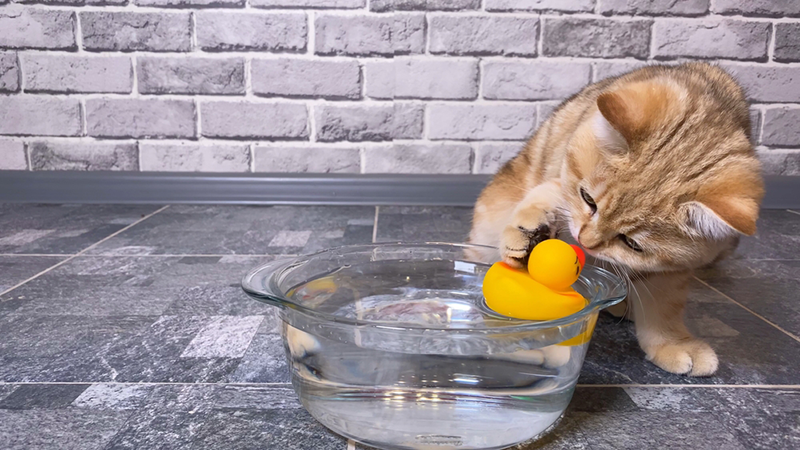
If you’re around cats long enough, you come to find that they sometimes bat, carry, or stash toys and small objects. Whether it’s their favorite toys, a treat, or even your car keys, if they like it, they may carry it off to a place that feels safe.
It’s a normal play-related behavior that’s common for cats, and while you might not care if they move or hide their toys, it’s a different thing entirely if they’re hiding something important. Because of this, it’s useful to understand the reasons behind this behavior.

The 3 Reasons Your Cats Hide Things
It’s not uncommon for cats to stash or hide things, and while it might not make much sense to us, when you look at the possible reasons they do it, it all starts to make sense. Knowing the reason they do this can also make it a bit easier to find the objects they’ve tucked away.
1. They Want to Protect Their Belongings
If it’s one of their favorite objects that they’re hiding, that could be reason enough for them to keep it safe. This doesn’t necessarily mean they don’t like you or the other pets in your home; they just want to keep it for themselves. However, it is possible that they feel threatened by another family member or pet, which could also trigger the behavior.
2. Play and Predatory Behavior
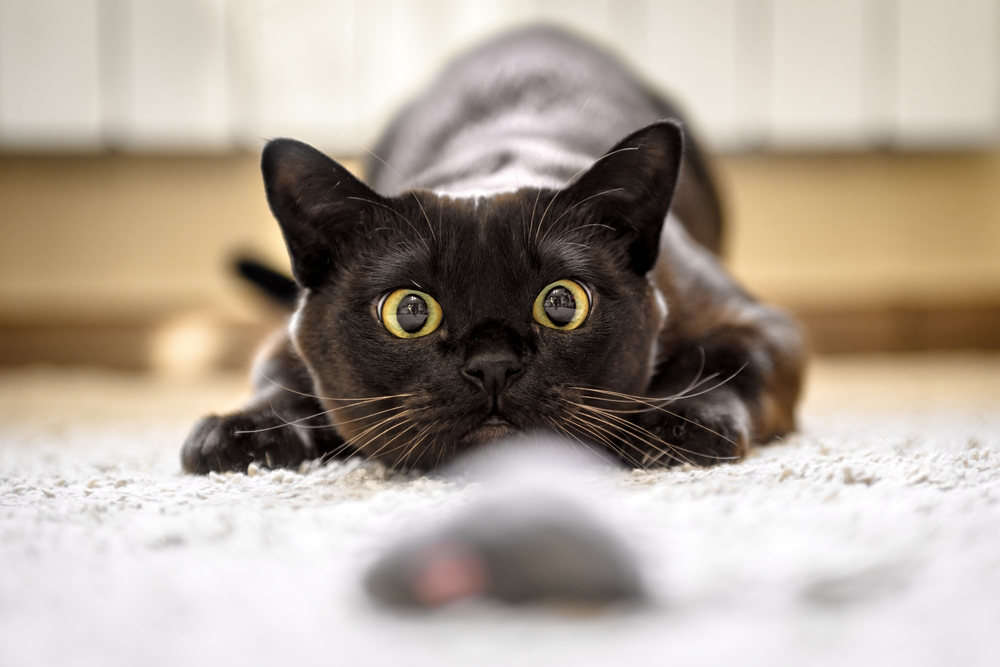
In the wild, cats use stalking, pouncing, and carrying prey as part of survival. Domestic cats still express these behaviors through play. Carrying and “hiding” toys can be part of this natural sequence, although in domestic cats this usually reflects playful placement rather than intentional long-term storage. It still serves as an outlet for their predatory instincts.

3. Boredom or Mental Stimulation
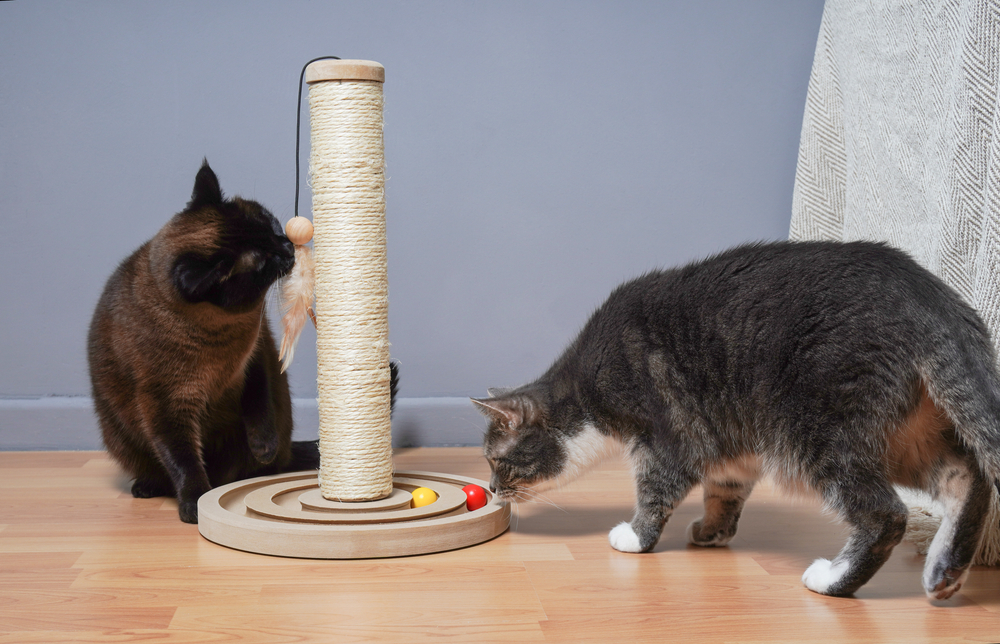
Cats are natural predators, and to hunt successfully, they need to practice! Your pet doesn’t need to hunt for their next meal, but instinctive behaviors remain. Hiding and then re-finding objects can be a form of self-directed play and mental stimulation. In the same sense, they could just be bored, and this is a simple way to keep them entertained.
Hiding Things vs. Hiding Themselves
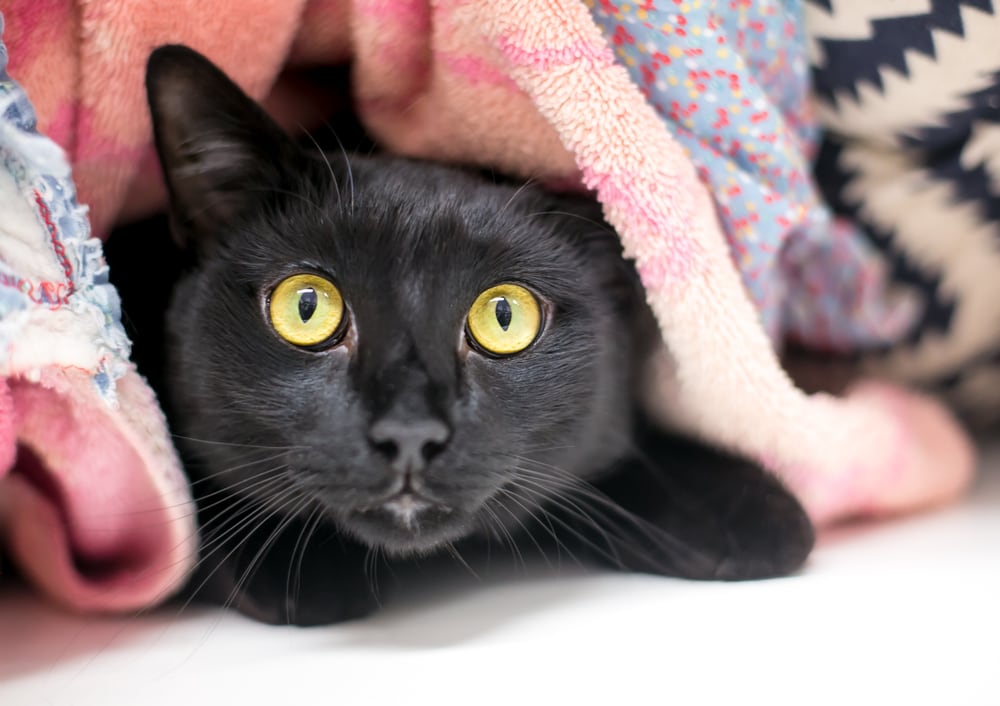
There’s a big difference between a cat that’s hiding themselves and a cat that’s hiding their things. A cat that’s hiding their things is often due to one of the above reasons, but a cat that’s hiding itself in general means something could be wrong.
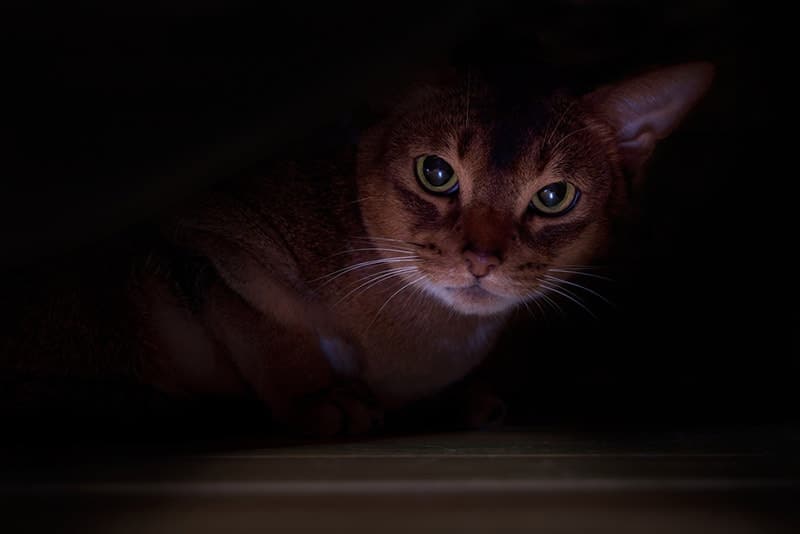
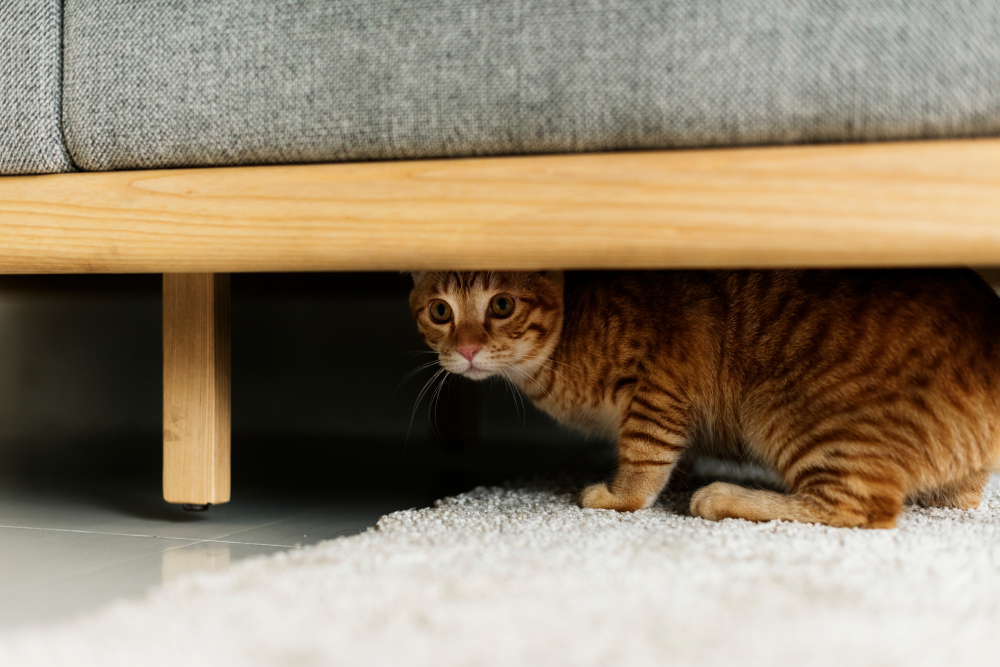
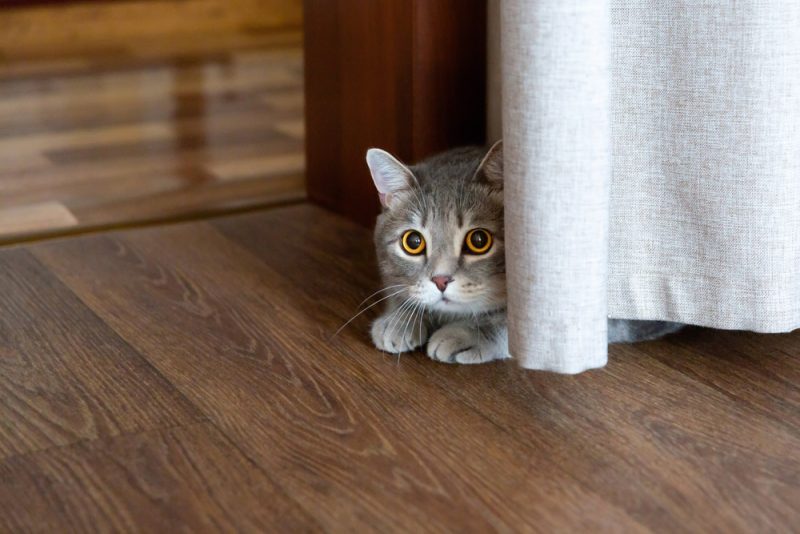
Cats that spend all their time hiding might mean they want everyone to leave them alone, or it could mean they’re scared or anxious. Try to build a safe space for them and let them come out when they’re ready—even though it might only be when things calm down around your home a bit. It could also mean that they’re ill. Any time your cat isn’t acting themselves, it is always best to get them checked out by a vet.

Common Places Cat Hide Things
If your cat likes hiding their belongings, it’s often only a matter of time before they take something of yours and hide it too, leaving you scrambling trying to figure out where it’s at. With that in mind, it’s a good idea to keep tabs on some of their favorite hiding places. We’ve highlighted a few common areas for you below, but once you get to know your cat, it’ll be a bit easier for you to find what they took.
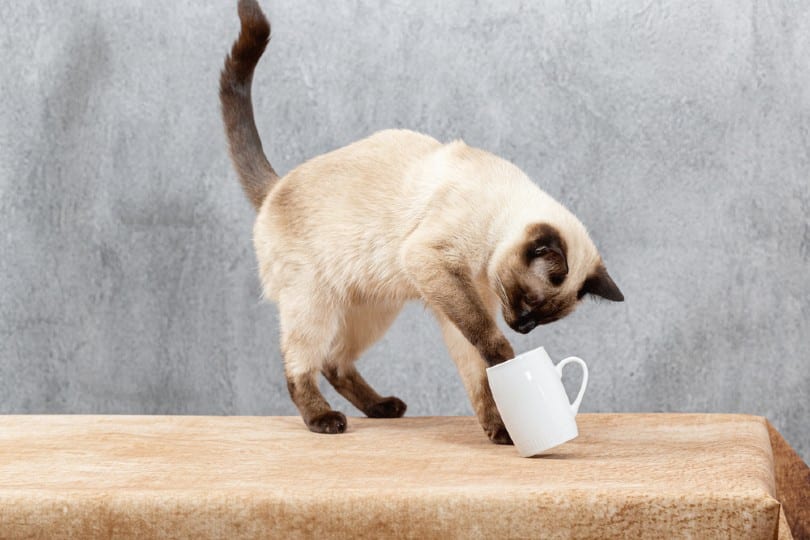
- Behind or Below Things: Sometimes your cat isn’t really “hiding” something from you; they simply knocked it over, and it’s no longer easily visible. Cats love knocking things over, so check behind cabinets, shelves, and other areas where they could’ve knocked something over or off a table.
- Under the Bed: Just like how under the bed is a common space for you to hide things out of sight, it’s also a common place for your cat to bring their belongings. It’s a big open space that’s easy for them to get to, where other people don’t go all that often, so you’ll want to check there if you think your cat took something you need.
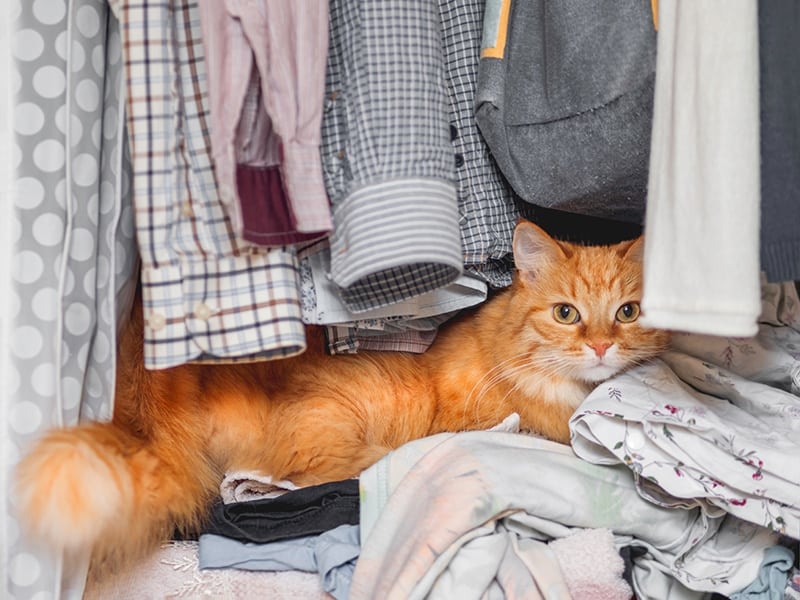
- In the Closet: Cats seem to love closets, and they’ll often see them as their own little hidey holes. You’ll need to find their favorite spots in the closet if you want to find what they’re hiding, but it’s a great place to start your search.
- Inside Shoes: Shoes are the perfect little cubby for your cat to tuck something away, so if you’re looking for something small, check the shoes! If you have a lot of shoes in your home, it might take some time to go through them all, but if you find what you’re looking for, it’ll be well worth it.
- Couch Cushions: Humans lose things in couch cushions all the time, so it’s easy to see why a cat might want to tuck things away there. If they can get inside the cushions another way, it’s even more likely they’re hiding things there.
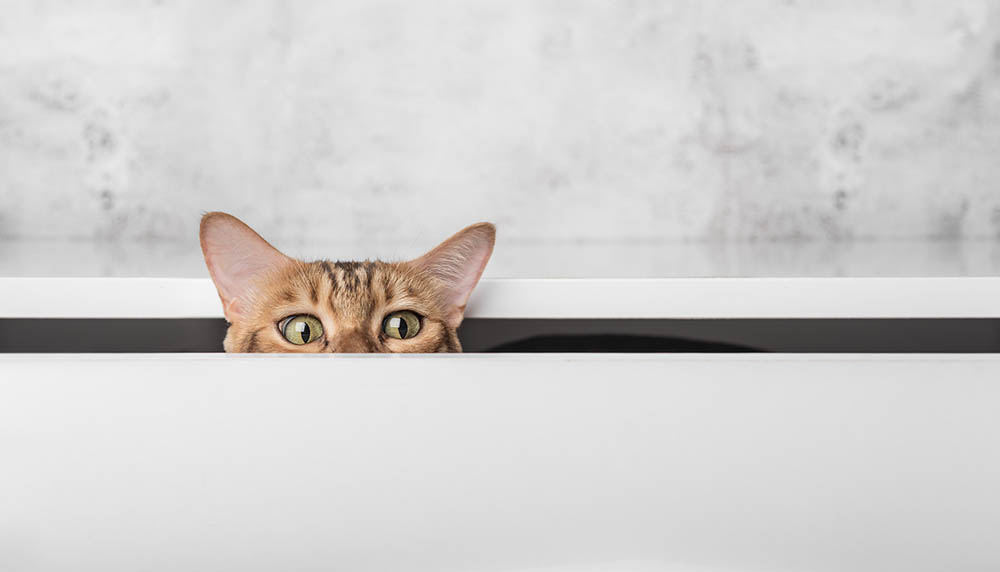
- Cabinets: Did you recently leave a cabinet drawer open a little bit? If so, your cat might have used that as an opportunity to start putting things in there. Of course, those objects might not belong there, but that doesn’t mean your cat didn’t use it as a secret hiding spot!
Final Thoughts
If your cat likes to hide things, pay attention to where they hang out when they want alone time. Let them have their hiding spaces for their toys or even their extra treats, but at least know where they are. That way, if they take something of yours, you can check out their hidey hole and save yourself a ton of frustration while you’re searching for it.
Featured Image Credit: Punyaphat Larpsomboon, Shutterstock

Expert cat care, straight to your inbox
Vet-reviewed advice, behavior tips, and the best of Catster. Free, and you can unsubscribe anytime.
By signing up, you agree to our Terms & Conditions and Privacy & Cookies Policy.
Adam is a seasoned freelance writer and passionate animal lover who has dedicated years to rescuing countless animals. With a decade of experience as a freelance writer and an even longer history of animal rescue, he has honed his skills in both fields. Adam is also a proud father of three and thrives on challenges and new adventures.
Join the conversation
Ask a question, share your story, or send private feedback.