Cheshire Cat: Surprising Facts, Lore & History
In this article
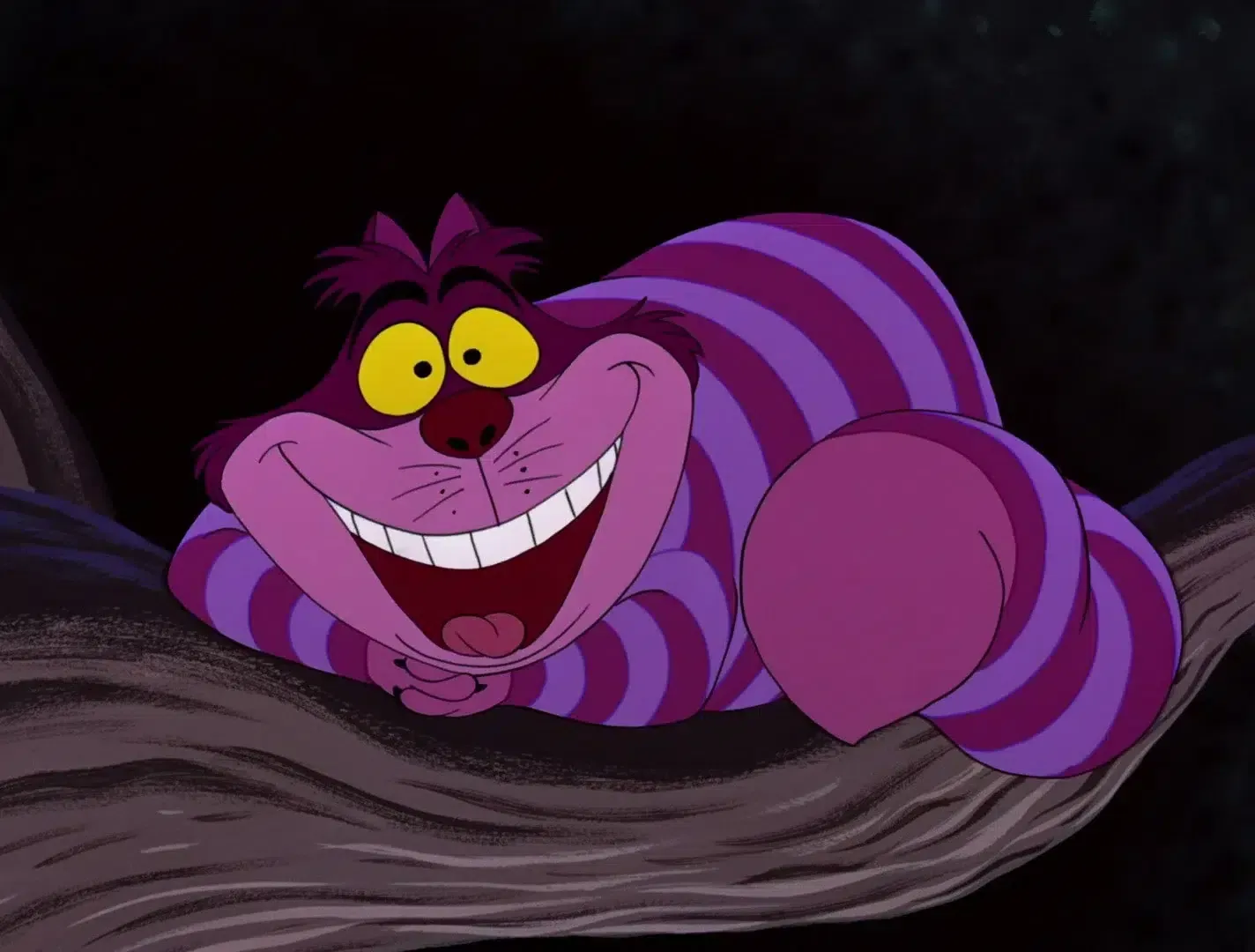
The Cheshire Cat is a character from Alice’s Adventures in Wonderland by Lewis Carroll. Its most distinctive features are its mischievous grin and ability to disappear.
Despite not appearing in the book for all that long, the cat had become a cultural figure beyond its original realms as a book character. Even someone who has never read Lewis Carroll likely knows what the Cheshire Cat is. Furthermore, the “Cheshire Cat” also had some appearances before the 1865 book, which likely inspired Carroll to create the well-known character.
We’ll explore deeper into this cat’s history in this article, including a deep dive into the character’s history.

The Origin of the Cheshire Cat
Long before the Cheshire Cat was a character in a book, the phrase existed in idioms. These idioms did vary somewhat, but they typically all involved smiling.
For instance, one recorded in 1855 in the novel The Newcomes stated: “That woman grins like a Cheshire Cat.” Other phrases involved different people smiling like Cheshire Cats, whether it was one particular person or even a whole group of people. For instance, several idioms exist making fun of government bodies (like the court system) by saying it grins like a Cheshire Cat.
However, where this concept came from isn’t well-documented. It’s thought to be connected to the land of Cheshire, as you might guess, but why the cat’s here “grin” specifically isn’t known. Of course, there are many theories.

Origin Theories
One theory (and the most likely to be correct) is that the region was particularly known for its dairy production, and therefore, cats tended to hang around a lot, too. The phrase somehow evolved due to the plethora of cats that hung around the area.
Another suggestion is the cheese also made in Cheshire (due, of course, because of their high dairy production). Sometimes, these cheeses were made in the shape of a cat. Often, the tail-end was cut off first. Therefore, eventually, only a cat head was left. The Brewer’s Dictionary largely made this theory popular. However, many critics claim that there are just too many “maybes” for this theory to be true.
This same book added another possible explanation later on. The book claimed that there was a painter in the area who often adorned buildings with cats and lions. Some of these were still visible when the book was published, though they are long gone today.
All that said, it’s likely that the simple presence of the cats may be enough to create this idiom. The cats were likely known for stealing milk from dairy farmers, so their mischievous nature may have caused the “grinning” part of the idioms.
What About Lewis Carroll’s Character?

Of course, Carroll did change the character of the Cheshire Cat a lot before the final printing of the book. While the idiom may have played a role, it’s thought that he got his inspiration from other places, too.
The character in his book is known for annoying the other characters in the book with philosophical questions, including Alice. While the cat isn’t exactly straightforward with Alice, he does appear to be on her side at several points in the book. Later, the cat is sentenced to death and asks the King and Queen of Hearts some philosophical questions, as well. His appearing and disappearing acts do seem to confuse just about everyone in the books.
There have been some suggestions that the Cheshire Cat is based on Edward Pusey, one of Carroll’s friends and mentors. He was also an authority in the church, which may be why the Cheshire Cat is so philosophical.
It’s also likely that Carroll took some of the cat’s imagery from the cat carving in the St. Wilfrid’s Church. There, you can see a cat carving that is smiling similarly to the Cheshire Cat. Carroll’s memoir even mentioned that he saw the cat at the church once. Many people point towards this as the inspiration for the cat, even if Carroll wasn’t familiar with the older idioms.
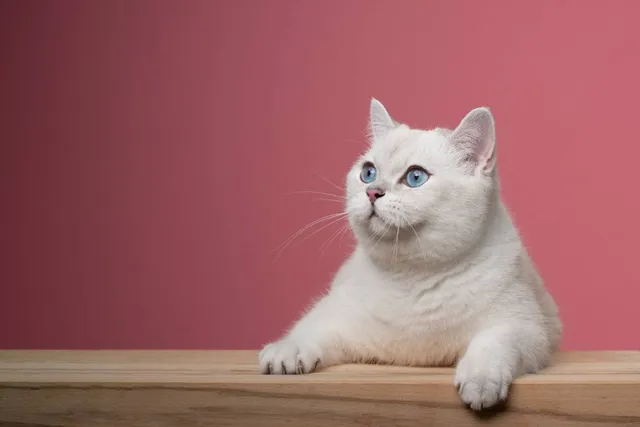
Another possible interpretation is the British Shorthair, which was a popular cat at the time (and still is in the area). This breed naturally has upturned lips, which may have inspired Carroll to create his character.
There are tons of other potential explanations, as well. There are many old carvings around Cheshire, and many of these are pointed out as being the potential inspiration.
Continued Evolution
The Cheshire Cat has been further developed by other artists and writers. Its prevalence in the media is rare as far as book characters are concerned. The term is even used to describe several scientific phenomena, usually for things that seem to “disappear.”
For instance, “the Cheshire Cat” is a theory in quantum physics that describes when a particle acts as if it’s separate from its property. There are many other natural phenomena that are named after this popular character, as well.
The Cheshire Cat also appears in many song lyrics and even other books. However, the character didn’t become super common outside of the book until the 1970s. Since then, the Cheshire Cat has only become more popular.

Conclusion
The Cheshire Cat is exceptionally recognizable today. However, it wasn’t always that way. It took several decades for the cat to become a popular motif. Before appearing in Lewis Carroll’s books, the Cheshire Cat largely appeared in idioms. Often, “Cheshire cats” were considered to be mischievous, and people were often described as “smiling” like a Cheshire Cat.
These idioms likely inspired the Cheshire Cat that we know today. However, it’s also possible that this feline was inspired by local church carvings or even real-life cats.
Featured Image Credit: Characters by Walt Disney Animation Studios, The Walt Disney Company. All rights reserved to the copyright owners.
Expert cat care, straight to your inbox
News, insights, and useful advice, delivered to you.

No spam — unsubscribe anytime.
By signing up, you agree to our Terms & Conditions and Privacy & Cookies Policy.
How useful was this post?
Click a star to rate. You can leave written feedback afterwards. (We read all feedback.)

Kristin is passionate about helping pet parents create a fulfilling life with their pets by informing them on the latest scientific research and helping them choose the best products for their pets. She currently resides in Tennessee with four dogs, three cats, two fish, and a lizard, though she has dreams of owning chickens one-day!