


In this article
Cats are at the forefront of the world right now. However, cat allergies are one of the world’s most common allergies, and even many people who are allergic to cats are trying to find a cat that they can keep. Hypoallergenic animals are a fast-growing market. Although no animal is 100% hypoallergenic, people are looking for low-shedding pets to help reduce their allergic reactions and the amount of cleaning that they must do every day. How do Bengals fare in that market? You will be happy to hear that Bengals are low-shedding cats. Here’s the scoop on this breed.

Do Bengal Cats Shed?
Bengal cats are considered low-shedding cats1. They have a short, fine coat that resembles and feels like that of a spotted rabbit. Besides their fur having this delicate texture, Bengals don’t shed much.
However, “not much” is not the same as “never.” Bengals shed a small amount of fur each day, and if you don’t clean up after your cat, you’ll eventually notice the fur buildup.
Dust and dirt can also get trapped in a Bengal’s coat while playing, and they can distribute the dust and dirt around your home if you don’t stay on top of that.
Are Bengal Cats Hypoallergenic?
Bengal cats are considered hypoallergenic, but it’s hard to explain that because there’s no such thing as a truly hypoallergenic cat. While Bengals are significantly less likely than other cat breeds to trigger an allergic reaction, they still produce the Fel d 1 protein that people are allergic to; they just >produce a smaller amount.

What Causes Cat Allergies?
The main cause of cat allergies is hypersensitivity, or an immune system-exaggerated reaction to the Fel d 1 protein2. This protein is found in cat saliva, urine, and feces. Saliva (and thus, the protein) is spread over the skin and coat surface when a cat licks themselves during grooming. The cat also sheds the Fel d 1 protein with dead skin cells and fur when these fall from their body.
Fel d 1 sensitivity can have many symptoms, including a stuffy nose, skin rash, and even anaphylaxis or anaphylactic shock in severe cases. These allergies can be dangerous for people who have them, and if someone you know has a cat allergy, it’s recommended that they have their allergy medication always handy.
Fel d 1 allergies are among the most common in the world, affecting 10–20% of the population3. They’re about twice as common as dog allergies.
How to Alleviate Cat Allergen Hypersensitivity
The easiest way to reduce the allergic reaction of your friends and family is to clean. When you clean your floors, walls, and furniture, you remove the Fel d 1 protein that may have built up on the surfaces and reduce the amount of Fel d 1 your allergic compatriot comes into contact with.
Don’t just clean your home; you can also wash your cat with a special shampoo to reduce the amount of dander they shed. This type of shampoo reduces the amount of shedding, resulting in less Fel d1 dispersed in the environment.
You can also consider getting a “hypoallergenic” cat. Such a breed will produce less Fel d 1 on average and trigger a milder or no reaction, even in people with cat allergies. However, people with severe allergic reactions will likely still be affected by your cat’s Fel d 1 shedding. Also, the amount of Fel d1 production will vary in every individual cat, so even getting a cat of a certain breed does not guarantee that they will produce less of the Fel d1 protein.
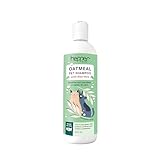
- Only Natural Pet Shampoo - Our vegan, plant-based formulation is made with safe and natural...
- No Soap - A cat and dog wash free from soaps, glutens, dyes, DEA, sulfates and phthalates means it's...
- Colloidal Oatmeal - Formula soothes and nourishes dry, irritated skin, providing itchy skin relief...
Although there is no such thing as a completely hypoallergenic pet, regular bathing can help reduce the amount of dander allergens in their fur and the air. We recommend Hepper's Oatmeal Pet Shampoo for this task. Click here to order yours today
At Catster, we’ve admired Hepper for many years and decided to take a controlling ownership interest so that we could benefit from the outstanding designs of this cool cat company!If you’re living with a cat allergy and trying to figure out how to get a cat without making your own life miserable, consider getting allergy shots. The treatment process is long, but many people experience a remission of allergy symptoms after being treated. Your allergologist will guide you through the best treatment protocol for you.
These are different from allergy medications, as they don’t aim to prevent or treat the symptoms the body experiences. Instead, they focus on getting the body desensitized to the proteins it’s allergic to and reduce the exaggerated allergic reaction that is suffered.


The Myth of Hypoallergenic Cats
There’s no such thing as a hypoallergenic cat. What we refer to as “hypoallergenic cats” are actually cats that have a low Fel-d1 production and a low shedding rate. People with particularly sensitive allergies will still react to the cat.
Hairless cats, while low shedding, also are not truly hypoallergenic. They still produce and shed pet dander in their skin and saliva that allergic folks may react to.
Cat allergen production varies widely by breed and the individual cat. While some species, like Bengals, are less prone to producing Fel d 1 than others, there are no cats with no Fel d 1.
“Hypoallergenic” cats do shed less Fel d 1 and may be able to interact with people with allergies without causing an allergic reaction. But you won’t know what kind of reaction someone will have to your cat before they meet. So, it’s essential to do your due diligence, warn your friend, and clean up your house before they come over.

Why It’s So Hard to Produce a Truly Hypoallergenic Cat
While researchers are doing their best to engineer a hypoallergenic cat genetically, this is no easy task. Many factors are standing in the way of a truly hypoallergenic cat.
The first is that we aren’t sure of the function of Fel d 1 in a cat’s body. Theories suggest that Fel d 1 helps to bind fats and hormonal steroids, but without knowing what Fel d 1 does for cats, it’s hard to remove the protein from cat bodies; we don’t even know what systems to target when beginning the process.
While cats don’t seem to suffer from adverse effects from a lessened production of Fel d 1, we can’t say for sure what would happen if they stopped producing it together. It would be unethical, at best, to produce a breed of cat that lacks a critical protein. While there’s a chance that Fel d 1 isn’t necessary for cats, there’s also a chance that it is. Until we discover the purpose behind Fel d 1, we can’t begin to remove it from the bloodlines without risking bringing forth kittens that might end up suffering from health issues.

Final Thoughts
While it may be disappointing to find out that hypoallergenic cats are more of a futuristic concept, the good news is that people with mild cat allergies can still enjoy a life with cats if they want one. The Bengal is an excellent option for anyone looking to share their home with a low-shedding, hypoallergenic cat! You won’t find much hair in a house with a Bengal, and there’s also the chance that their dander has a lower allergenic protein (Fel d 1) level than that of other breeds.
- See Also: Do Bengal Cats Like Water?
Featured Image Credit: Elena Borisova, Pixabay





