Why Does My Cat Attack Me & No One Else? 7 Vet-Reviewed Reasons & What to Do


In this article
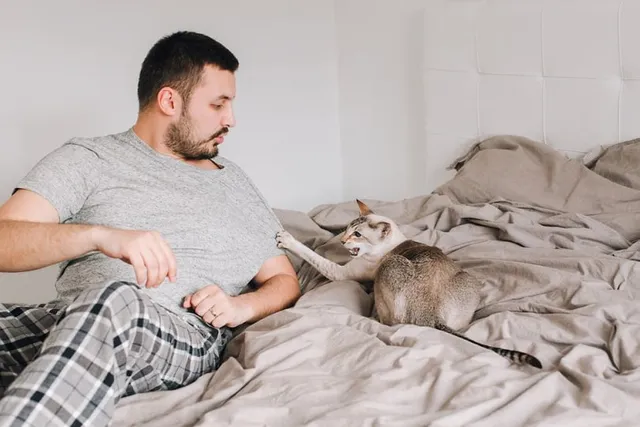
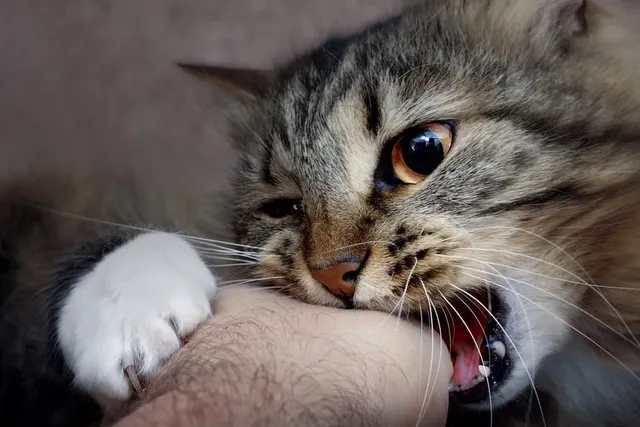
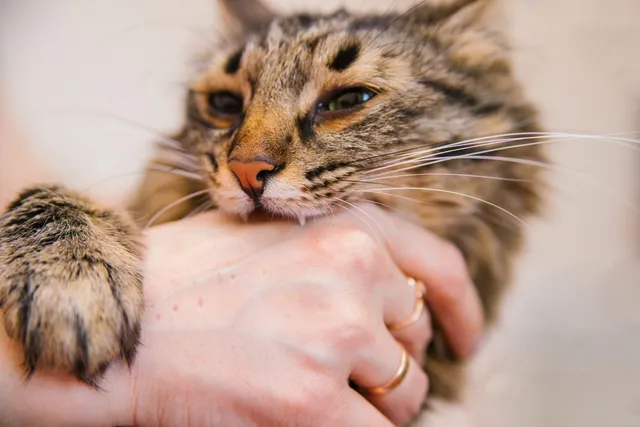
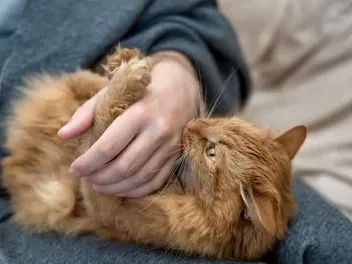
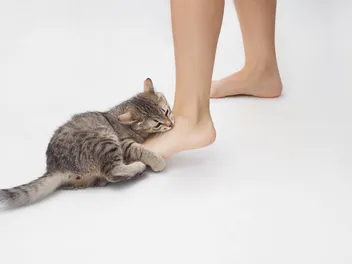
There are several reasons why your cat may choose to attack you and no one else. Oftentimes, cats, especially kittens and young adults, play rough if they haven’t been adequately socialized and find human fingers and hands to be a toy. It’s important to differentiate rough playing and lack of bite inhibition from actual aggression. The latter may have to do with fear or anxiety that your cat only feels towards you for whatever reason. Even if you don’t think you’ve done anything to upset your cat specifically, felines can interpret many of our normal behaviors as threatening. Aggression may also be redirected from something else, towards the closest object or person, which happens to be you.
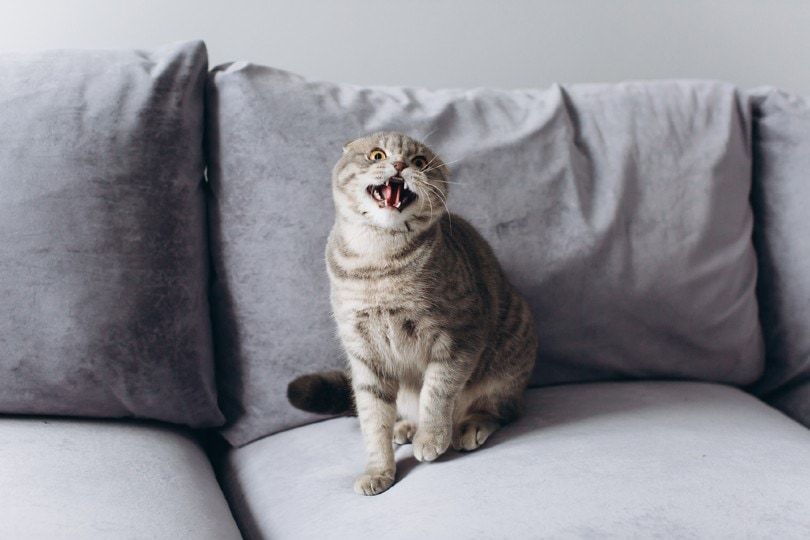
Cats that are otherwise affectionate can be suddenly scared by something, which can cause them to lash out due to fear or feeling trapped. It isn’t that the cat is being aggressive; they’re simply trying to protect themselves from something they are scared of.
Cat scratches and bites can be dangerous and lead to infections and health complications. They can be quite painful as well, so most pet owners would like to avoid it. With the right understanding of the underlying cause and a gentle and systematic approach with the help of a professional, you can reduce this undesirable behavior.

The 7 Possible Reasons Your Cat Only Attacks You
There are many reasons why your cat may decide to attack you and no one else. Some of the causes for this behavior may be underlying pain or health issues, stress, anxiety, redirected aggression, overstimulation, and fear. We’ll take a look at some of the possible reasons in this section.
1. You Spend the Most Time with the Cat
If you spend the most time with the feline and do most of the care, you’ll likely find yourself being attacked more often than other people. While your cat scratching you may happen for various harmless reasons, if your cat attacks someone, it’s more likely to be you if you spend all your time with them.
This is particularly true if you commonly do things your cat doesn’t necessarily appreciate, such as brushing their teeth and grooming them. If you always do the grooming, and your cat becomes annoyed while being groomed, not enjoying the experience, particularly if something hurts, you’ll probably get attacked more than anyone else in your household.

2. Attention
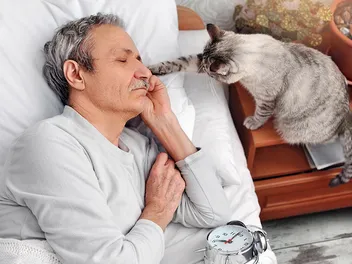
Some cats lash out for attention. It is like the age-old saying, “Any attention is good attention.” If you show your cat attention when they attack you, even bad attention, they may keep attacking you when they want attention.
Of course, this tends to be counter-productive since it may make you spend less time with your feline. However, your cat doesn’t understand that. They get attention at the moment, and that’s all that matters. This type of behavior is more common in kittens and young cats that get easily excited and playful and may not know how to control themselves. Always have a toy at hand, in order to redirect their attention to the toy instead of your hands.
3. Odors
Some odors can make your cat cautious and scared. If you smell different from the rest of your family, it could be why your cat seems to single you out. For instance, if you work with animals, your cat is likely to smell them on you when you come home, which may prompt them to become fearful.
This can also happen if you work with aromatic items, even if it isn’t necessarily animals. If you work with perfumes, cleaning products, paints, or other building materials, the smell can overwhelm your cat’s senses and cause them to become avoidant, or if you try to interact with them, they may attempt to run off or attack if they feel cornered.

4. You May Be Petting Them Incorrectly
We know it sounds strange, but your cat may not like the way you pet them. Some cats are very particular about how they are petted. This is especially true if they have old injuries, which may be painful when you touch them a certain way.
Take note if you pet your cat differently from anyone else in your home. Your feline may just not like the way you pet them.
Otherwise, it may be that something indeed hurts and there is a hidden injury or illness. In this case, petting received from other people will also cause a similar reaction, but if you’re the only one who spends most of the time with the cat, it’s more likely you’ll be the one to be petting them in the wrong place.
5. Overstimulation
Sometimes, when petting our cats, we overstimulate them. This can cause them to become defensive and strike out. It is especially true if you pet your feline from the top of their head to the bottom of their tail. The full-body motion can be overstimulating to some cats and even cause static which they find uncomfortable.

6. You’re Invading Their Space
Instead of feeling loved, your feline may feel threatened if you commonly invade their space. If your cat seems to attack you most often when you approach them, this is a likely cause. Be sure you approach your cat correctly. Or, you may want to avoid approaching them altogether unless they come to you first.
7. Fear
Sometimes, your cat may interpret something you do as scary. From that point on, they may be a bit uneasy around you until you rebuild that trust. It may not even be something particularly scary in your book. You may have dropped an object near your kitty, and the loud noise may have scared them.
Or, you may have walked into a room unexpectedly and startled your feline. Either way, your cat doesn’t put “accidental scares” in a different category from any other scares.

How to Prevent Cat Attacks
The first step to preventing cat attacks is to determine the cause. Different causes will have different preventative steps. We’ll go over some of these preventative steps in this article, so that you can hopefully get scratched by your cat less often.
1. Ensure Your Home is Secure & Comfortable
Any problem is likely to become worse with stress. If you work with animals, your cat is more likely to react negatively to the smell if they’re stressed out, for instance. For this reason, you should ensure that your home is as calm and secure as possible. Things we don’t find stressful can be very stressful to our felines.
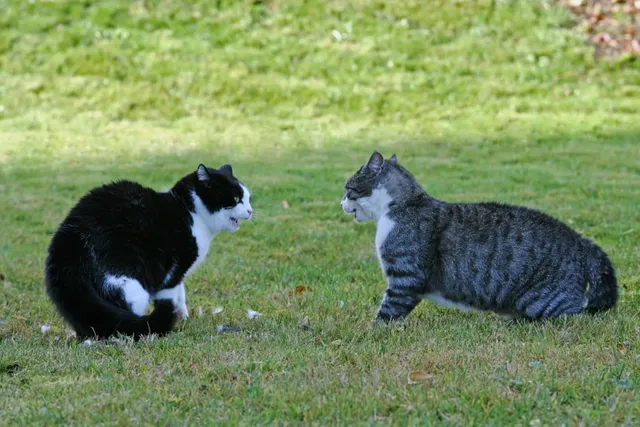
Obviously, other cats in the home can stress out your feline, as can a change in routine or space. Often, you can’t get around these changes. However, you can ensure that your cat has plenty of places to hide and plenty of downtime.

2. Bring Down Your Energy
If you’re usually a high-energy person, bring things down a few notches when interacting with your cats. Don’t be unnecessarily loud or make lots of big hand movements, which can scare your cat.
A scared cat is more likely to act out by running off and hiding if possible, or scratching or biting. It isn’t that your feline is being aggressive. They’re just trying to protect themselves from what they perceive as threats from you.
3. Increase Playtime
Often, a worn-out cat is much happier than one brimming with energy. Ensure that your feline has plenty of time to exercise. You can leave several toys around the house, which can help ensure that your feline plays throughout the day.
The best time to play with your cat is right before bedtime since it can ensure they're worn out before bed. If you don’t want your cat running around after bedtime, wearing them out can help them settle down for the night. When playing with kittens, never use your hands, as they may start directing their attention towards them instead of their toys, as well as their teeth and claws.
One of our preferred scratchers, the Hepper Hi-Lo Modern Cat Scratcher, is a surefire way to keep your kitty out of trouble (or at least away from scratching the things they should not!). It's not only stylish, but it's functional as well. It's made of sturdy cardboard with a durable plywood and metal frame and can be set up in three different ways – high, low, or lower. The different positions encourage maximum engagement, exercise and stretching, and of course, intense scratching (they can throw their whole body into it).
With the Hepper Hi-Lo, your cat gets to have a blast scratching like a maniac, and you don't have to worry about them causing so much chaos or scratching your stuff. There are even replacement cardboard pieces available, so you really can let your cat go to town on this, and know that it will be long lasting. Click here to learn more about this awesome scratcher.
At Catster, we’ve admired Hepper for many years, and decided to take a controlling ownership interest, so that we could benefit from the outstanding designs of this cool cat company!
4. Don’t Punish Your Cats
Punishing your cats can make them even more fearful of you, which can cause them to scratch and bite even more. Often, punishment doesn’t fix the source of the problem and can make everything worse. For this reason, we don’t recommend punishment under any circumstances.
5. Consult the Vet
You may consider talking to the vet if your cat suddenly become aggressive or withdrawn. Sudden behavioral changes can be a sign that your feline is sick. Cats are usually fairly good at hiding their illnesses.
Therefore, you usually won’t have too many hints that your cat isn’t feeling right. If you notice anything off about your feline, you may not get many signs that your cat is sick. The vet can rule out any possible illnesses or sources of pain that may be causing your cat’s sudden defensiveness.
6. Take a Shower
If you work with other animals or smelly things, take a shower before you interact with your cat. They may not like the smell and likely don't appreciate you rubbing it on them when you pet them. Even if you don’t think you work with anything smelly, your cat may not like the overwhelming smell of your workplace, which may cause them to lash out and attack you. By changing clothes and having a shower, you are also protecting your cat from any possible illnesses and pathogens you may bring home on your clothes, especially if you work with other animals.
7. Let Them Come to You
Some cats are relatively sensitive about owners encroaching on their space. This is especially true if they’re anxious and trying to hide. If you interrupt or startle your cat while they’re trying to calm down, they may lash out by scratching you.
Instead, let your cat come to you. If you want to pet them, call them and see if they come instead of invading their personal space.

Final Thoughts
Being scratched by your cat is never fun. There are several reasons why your cat may attack you. Usually, it is the result of anxiety or fear, pain or illness, which causes your cat to attempt to defend themselves, even if that means scratching you.
Luckily, there are several ways you can identify and counteract the problem with the help of a veterinarian. Helping your cat stay calm, providing them with a safe hiding spot and an enriched environment, getting to the bottom of the issue, getting them seen by a vet and ruling out possible health issues or pain, and avoiding unnecessary stress can prevent future attacks.
You might also be interested in some of our other top-trending posts:
Featured Image Credit: Anatoliy Cherkas, Shutterstock
Expert cat care, straight to your inbox
News, insights, and useful advice, delivered to you.

No spam — unsubscribe anytime.
By signing up, you agree to our Terms & Conditions and Privacy & Cookies Policy.
How useful was this post?
Click a star to rate. You can leave written feedback afterwards. (We read all feedback.)
Kristin is passionate about helping pet parents create a fulfilling life with their pets by informing them on the latest scientific research and helping them choose the best products for their pets. She currently resides in Tennessee with four dogs, three cats, two fish, and a lizard, though she has dreams of owning chickens one-day!