Why Does My Cat Attack Me at Night? 10 Vet-Reviewed Reasons


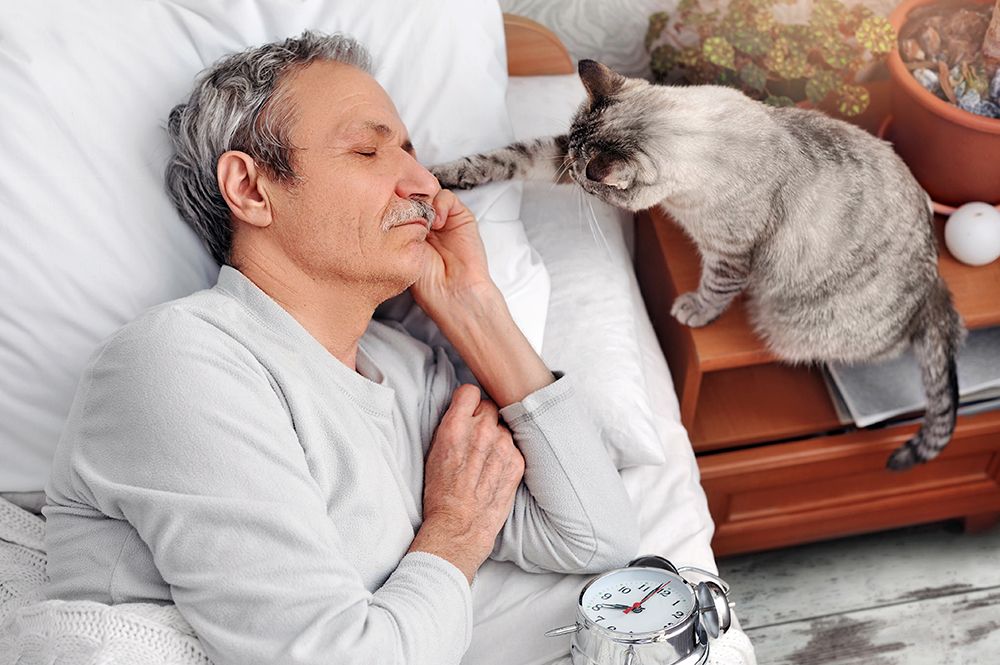
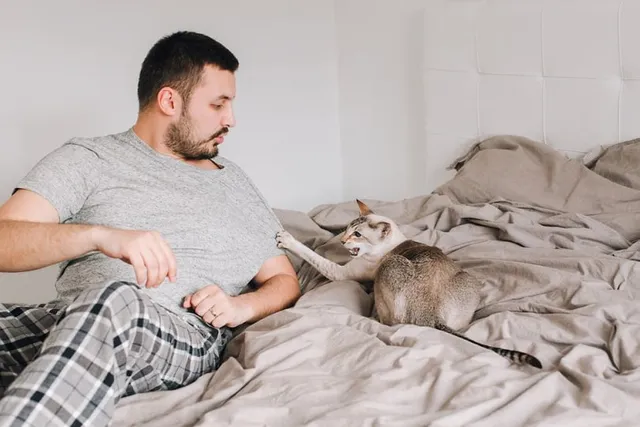
Ever wondered why your cat turns into a nighttime ninja, pouncing and attacking when you're trying to get some sleep? It's a mystery that many cat owners face: "Why does my cat attack me at night?" These midnight madness sessions might seem like kitty games, but they can mess up your sleep and leave you scratching your head.
In this article, we'll take a closer look at this weird and wonderful cat behavior with 10 possible reasons!

The 10 Reasons Why Your Cat Attacks You at Night
1. Crepuscular Hunting Instincts
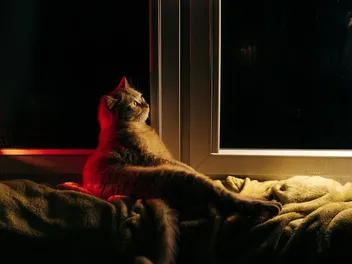
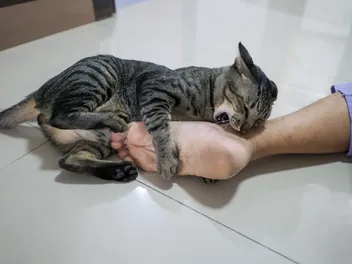
Even though our domesticated felines may not need to hunt for food, cats have deeply ingrained hunting instincts. As the lights go out and the world quietens, their inner predator awakens. They might stalk, pounce, and attack anything that moves, including your toes under the blanket because of how they resemble prey.
While these nighttime escapades can be frustrating for us humans, it's essential to recognize that this behavior is a testament to your cat's natural instincts rather than aggression.

2. Boredom
Cats are intelligent and curious creatures that require mental and physical stimulation to stay content. If they find themselves with too much downtime during the day or a lack of engaging activities, they may resort to nocturnal play as a way to alleviate their boredom.
Those nighttime ambushes become a means of seeking attention, as they hope to spark a reaction from their sleepy human companions. To address this, offering a variety of toys, puzzle feeders, and interactive play sessions throughout the day can help keep your cat mentally and physically engaged, reducing the likelihood of midnight shenanigans.
3. Your Cat Wants to Play!
When your cat attacks you at night, it can also be their way of saying, "Let's play!" Cats communicate through play, and their nighttime pounces might be an invitation for interactive fun. They're most active during dawn and dusk, and the quiet, dark hours offer an ideal backdrop for play in their eyes.
Embracing this as an opportunity for bonding can be beneficial. Invest in toys that encourage interactive play, like feather wands or laser pointers, and set aside some time during the day and just before bedtime for play sessions to burn off excess energy.
4. They Are in Pain or Sick
If your cat unexpectedly attacks you at night, it's crucial to consider the possibility that they might be in pain or discomfort, or they may be suffering from an underlying health condition. Cats are known for hiding their pain, but sudden changes in behavior, such as nighttime aggression, can be indicative of underlying issues. Older cats may suffer from thyroid issues, high blood pressure, cognitive decline, and many other conditions that can make them feel unwell or uncomfortable.
These attacks may be a way for them to communicate their distress. Check for signs of injury or illness, like limping, changes in appetite, drinking, confusion, or vocalizations of pain. If you suspect pain or illness, it's essential to consult a veterinarian promptly.
5. Attention Seeking
When your cat launches surprise attacks at night, one of the primary motivations could be attention-seeking behavior. Cats, despite their reputation for independence, crave interaction and affection from their human companions. If they feel ignored during the day or if they believe that nighttime is the only time they can command your attention, they may resort to these antics as a way to connect with you.
By ensuring that they receive the attention they desire during waking hours, you can often reduce their need to seek it out in the middle of the night, leading to more peaceful and undisturbed slumbers for both you and your feline friend.
6. Affection
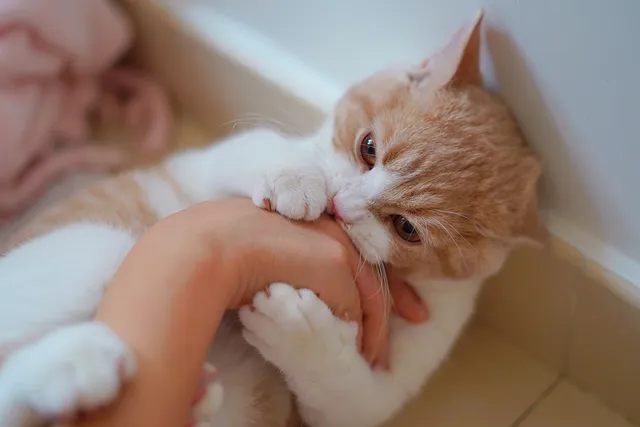
If your cat attacks you at night it might also be their way of expressing affection, albeit in a somewhat unconventional manner. Some cats exhibit their love through playfulness and physical contact, which can sometimes manifest as gentle nibbling or playful pouncing.
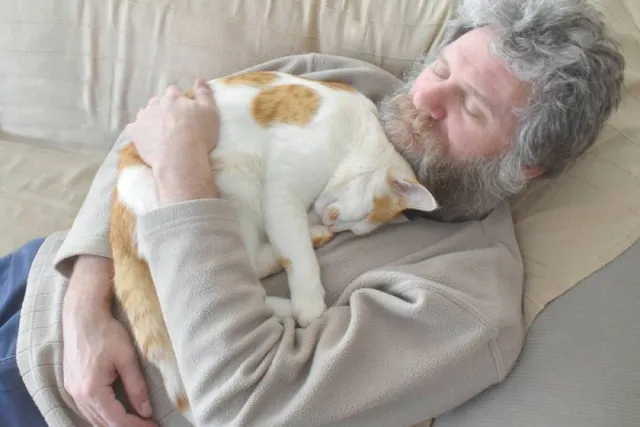
In their own unique way, they may be trying to engage with you and establish a bond. These nighttime antics may be their attempt to say, "I love you" or "I want to be close to you." To reciprocate their affection while maintaining a peaceful sleep routine, consider setting aside quality time for cuddles and petting during the day.

7. They are Hungry or Thirsty
When your cat unexpectedly attacks or pounces at you at night, it's possible that hunger or thirst is the driving force behind their behavior. Cats have relatively small stomachs, and they may need to eat or drink more frequently than we do. If their food dish is empty or their water bowl is dry, they may resort to these nighttime antics to get your attention and signal their need for sustenance.
8. Stress and Anxiety
Stress and anxiety can be significant factors behind your cat's nighttime attacks. Cats are sensitive creatures, and changes in their environment or routine can trigger feelings of unease. These emotions might manifest as restless behavior during the night, including aggressive or playful attacks on their human companions.
Create a calm and secure environment for your cat by providing a consistent routine, a comfortable resting place, and spaces that can help reduce the anxiety that your cat is experiencing. Additionally, consider consulting with a veterinarian or a feline behaviorist to explore potential stressors and develop strategies to alleviate your cat's anxiety, ultimately leading to more peaceful nights for both you and your beloved pet.
9. They Want to Alert You
When your cat engages in nighttime attacks, it might be their way of alerting you to something they perceive as a potential threat or unusual in their environment. Cats are territorial animals, and they are naturally attuned to changes and disturbances in their surroundings.
Whether it's a strange noise outside, a lurking shadow, or an unfamiliar scent, your cat's heightened senses can lead them to believe there's something worth your attention. In such cases, their attacks could be a means of urging you to investigate or join them in vigilance.
While these late-night alerts can be a nuisance, understanding that your cat is acting out of a protective instinct can help you respond with patience and reassurance. Investigate any potential disturbances together during the day to put your cat at ease and potentially reduce the need for nighttime alarms.

10. Involuntary Sleeping Movements
Another reason why your cat attacks you at night might be your involuntary sleeping movements inadvertently triggering their predatory instincts. As established earlier, cats are natural hunters, and they're wired to react to sudden movements which they often associate with potential prey.
When you toss and turn or your feet move under the covers during sleep, your cat may interpret these movements as an invitation to play or hunt. It's as if they can't resist the urge to pounce on the "prey" that your restless slumber creates.
While it can be amusing, it can also be disruptive. To mitigate this, ensuring that your cat has a cozy sleeping spot away from your restless limbs can help you both enjoy a more peaceful night's rest without becoming part of their nighttime hunting game.
Conclusion
From their stealthy hunting instincts to their incessant need for attention, cats have unique ways of communicating, even if it means crashing our midnight party. But as responsible cat parents, understanding their motives and the reasons behind this behavior can lead to more peaceful nights.
By offering playtime, snacks, and extra affection during the day, and getting your cat checked by the vet in case of any illness or pain, we can keep our whiskered friends content and minimize their nighttime escapades. So, here's to dreaming of quieter evenings and cozier slumbers, all while cherishing the quirks that make our cats utterly charming and irreplaceable companions!
Sources
Featured Image Credit: Kasefoto, Shutterstock
Expert cat care, straight to your inbox
News, insights, and useful advice, delivered to you.

No spam — unsubscribe anytime.
By signing up, you agree to our Terms & Conditions and Privacy & Cookies Policy.
How useful was this post?
Click a star to rate. You can leave written feedback afterwards. (We read all feedback.)
Nicole is a lover of all animals, especially of the feline variety. She's mom to four, three fur babies and a human baby. She and her husband, John, live on a large forest property down in New Zealand.
Their beautiful Burmese cat Baby (who is now 17 years old) was their first child, though he is now called Baby Cat since their human baby joined the party in 2022. The dogs Rosa and Mac also love cats, but the whole family agrees that King Baby Cat is enough cat for this household.
Nicole is the Director of Content Management at Catster and Pangolia. With a Bachelor's degree in Education and years of online experience, she shares her pet knowledge and the knowledge of other professionals with the world, aiming to improve pets and pet parents' lives.