Get

In Your Inbox

Catster is reader-supported. When you buy via links on our site, we may earn an affiliate commission at no cost to you. Learn more.

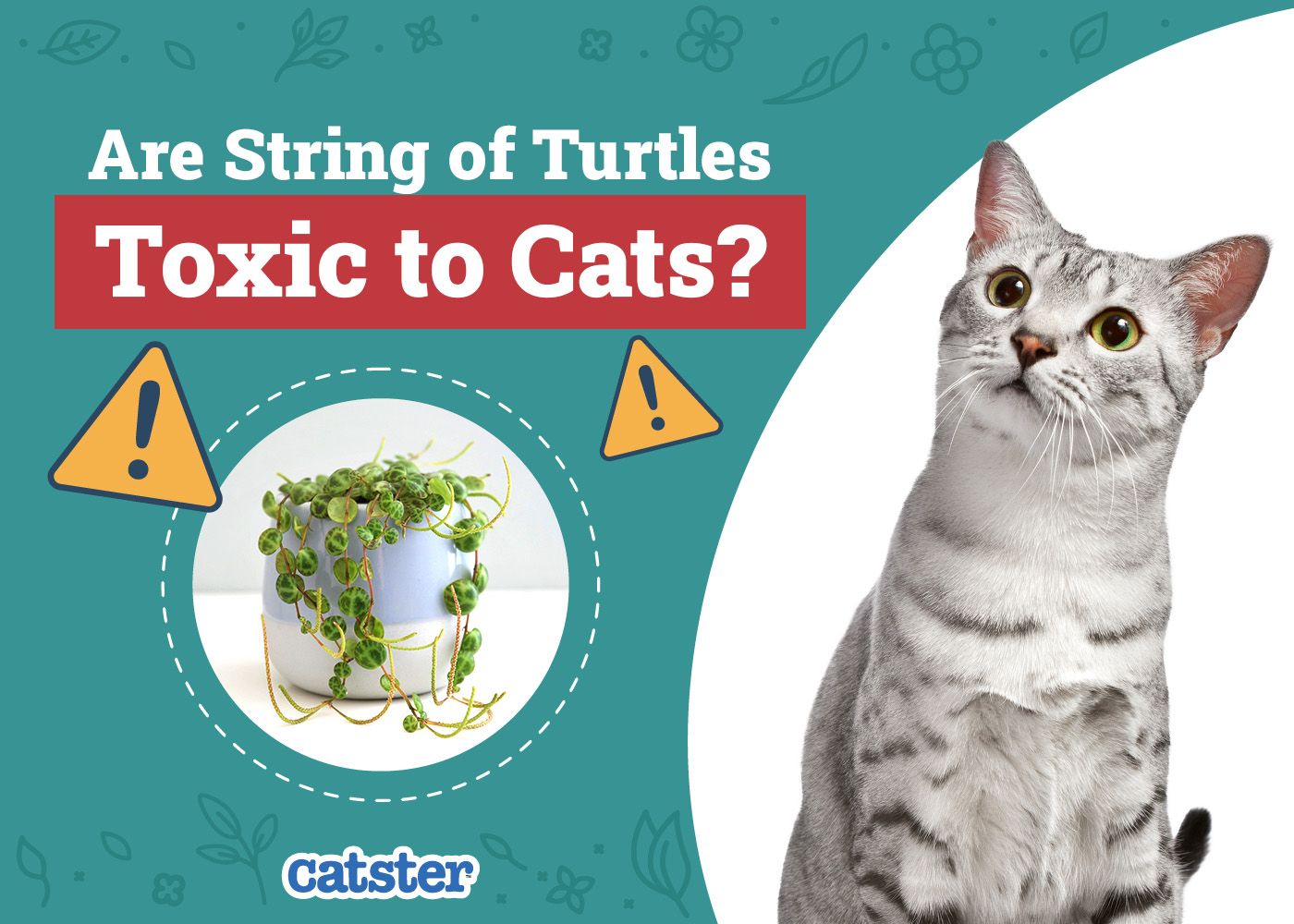
Are String of Turtles Toxic to Cats? Vet-Reviewed Safety Tips & Facts

Share

If you’re a cat parent and plant enthusiast, you know that it’s vital to choose your plants according to your liking and while considering your feline’s safety. Unfortunately, many common houseplants are toxic to cats, which is why you need to pay extra attention when choosing the next plant for your collection.

Many wonder if one particular plant is okay to have around cats: String of Turtles. Fortunately, String of Turtles is not toxic to cats.

However, this plant is also not entirely cat friendly. Let’s talk more about how this plant can affect your feline and how to keep your cat away from houseplants in general.

divider 2 cats

String of Turtles (Peperomia prostrata) General Info

Scientific Name: Peperomia prostrata
Common Name: String of Turtles
Size: 12–24 inches
Bloom Time: Year-round
USDA Hardiness Zone: 10–12
Light Requirements: Bright, indirect light
Soil Requirements: Rich, loamy, well-draining, slightly acidic
Toxicity: Non-toxic to pets, non-toxic to humans

Peperomia prostrata, also known as String of Turtles, is a non-demanding, semi-succulent tropical plant native to South America, particularly the rainforests of Brazil.

This plant belongs to the Piperaceae family and is widely known for its green multi-colored leaves that resemble small turtles. Due to its interesting appearance, String of Turtles is an extremely popular houseplant that’s often easy to care for. It requires a moist and humid environment and rich, loamy, and well-draining soil to prosper.

String of Turtle Plant
Image Credit: Maritxu, Shutterstock

Are Peperomia Plants Toxic to Cats?

Peperomia plants belong to the Piperaceae family, and many like to keep these plants as a part of their home décor. Besides String of Turtles, here are the most common Peperomia plants for households:

  • American Rubber Plant
  • Silver Hearth
  • Red Edge Peperomia
  • Platinum Peperomia
  • Metallic Peperomia
  • Leather Peperomia

According to ASPCA, all these plants and any other Peperomia plants are considered non-toxic for cats.

Is String of Turtles Toxic to Cats?

Both the ASPCA and NC State University confirm that String of Turtles is non-toxic to cats (and other pets).

Still, many feline parents are worried about keeping this houseplant in their homes because while it’s not toxic, String of Turtles is still not entirely safe for our cat companions.

String of Turtle Plant
Image By: Maritxu, Shutterstock

divider 2 cats

What Are the Dangers of String of Turtles for Cats?

String of Turtles can be dangerous for cats when ingested because this plant is a semi-succulent that contains calcium oxalate crystals and saponins, both of which are dangerous for cats. Due to these components, ingesting a String of Turtles could potentially be harmful to your cat and lead to several health problems, mainly related to the gastrointestinal (GI) tract.

Symptoms of String of Turtles Consumption:
  • Vomiting
  • Abdominal pain
  • Lethargy
  • Excessive drooling
  • Lack of appetite
  • Diarrhea

It’s also possible for cats to experience an array of health issues due to the oxalate crystals inside this plant. Chewing or biting into these crystals can lead to your feline experiencing mouth irritation, swelling, and GI problems. Cats may also experience difficulties breathing, oral pain, pawing at the mouth, and an appetite decrease.

a siamese cat getting examined by a vet at the clinic
Image Credit: Sergey Nivens, Shutterstock

What Should I Do If I Suspect That My Cat Ate String of Turtles?

String of Turtles is not toxic to cats, but it could still cause harm to your cat’s health if ingested. Therefore, you should know how to react if your cat accidentally eats this plant.

If you suspect that your cat ate String of Turtles, monitor them for any clinical signs or behavioral changes. If you do notice any signs, contact your veterinarian, and they will give you additional advice.

If you need to speak with a vet but can't get to one, head over to PangoVet. It's an online service where you can talk to a vet online and get the advice you need for your pet — all at an affordable price!

PangoVet_Mention-in-Content for PangoVet2 save money

Depending on the severity of the issue, some cats might need treatment, while others can clear out their system on their own without medical help. Still, these side effects could easily become life threatening for cats if not taken seriously. Therefore, always contact your vet if ever in doubt.

divider 2 cats

How Can I Keep My Cat Away from Houseplants?

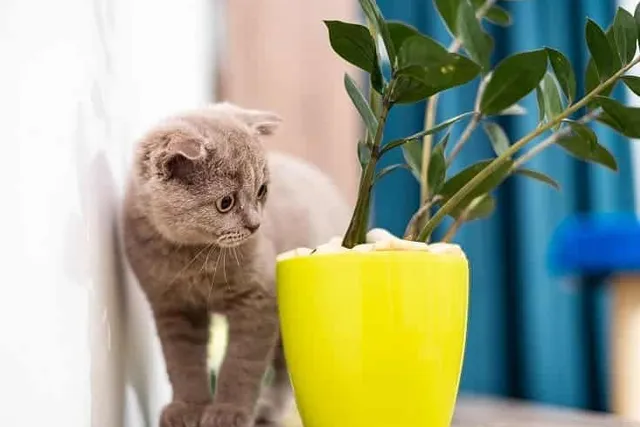
If you own a cat and have String of Turtles or any other houseplant, it’s better to be safe than sorry, and you should strive to keep your cat away from your plants to prevent possible accidents and mishaps.

This is box title

  • Elevate the plants — One of the easiest ways to keep your cats away from your houseplants is to keep them elevated. Place them on high shelves or any other hard-to-reach spots in your home.
  • Get a special plant only for your cat — If your cat likes plants, but you don’t want your favorite houseplants getting ruined, consider getting a plant specially for your cat, like cat grass. This should keep your furry friend engaged and away from your plants. Beware this may also backfire, and teach your cat that all houseplants are fair game!
  • Train your cat to stay away from your houseplants — Although it’s generally hard to train cats to do anything, it’s not an impossible mission. With patience and dedication, you can train your cat to stay away from your houseplants and prevent possible problems.

Which Common Houseplants Are Considered Toxic to Cats?

cat-vomiting
Image Credit: Tunatura, Shutterstock

While people can keep numerous stunning plants in their households, cat parents often feel like they’re unable to enjoy plant diversity without putting their felines at risk. It’s true that all cat parents who are also plant enthusiasts should be informed about the plants that are toxic for their pets.

This is box title

  • Tulip
  • Yew
  • Lily
  • Azalea
  • Peace Lily
  • Oleander
  • Amaryllis
  • Rhododendron
  • Kalanchoe
  • Dieffenbachia
  • Daffodils
  • Narcissus
  • Hyacinth

All these plants are toxic to our feline friends and could cause various health problems, depending on their toxic components. Most of the time, cats will experience gastrointestinal problems when ingesting such plants, though several plants can cause severe toxicity and can even be fatal.

divider 2 cats

Final Thoughts

String of Turtles is not toxic to cats, so you can keep this plant in your home if you own a feline. However, that doesn’t mean your furry companion should be allowed to go near this plant. Ingesting String of Turtles could cause several health problems, which is why it’s best to keep your cat away.


Featured Image Credit: Dima Berlin, Shutterstock

Want content like this delivered to you?

Sign Up For Our Newsletter

News, insights, expert advice, and everything cat

* By submitting, you agree to our Terms & Conditions and Privacy & Cookies Policy.


How useful was this post?

Click on a star to rate (you can leave written feedback after clicking submit)

Help us improve Catster for pet parents!

Your feedback really matters.

What did you like about this post? Also how can we improve it?

Join the conversation

Leave a Reply

You’re very welcome to leave a comment or question. Please know that all comments must meet our community guidelines, and your email address will NOT be published. Let’s have a positive and constructive conversation.


Talk With A Vet Online

Peace of mind,
anywhere, anytime

Affordable vet advice

Why Chicken Bones Are More Dangerous for Cats Than Most Parents Realize

Chicken bones seem harmless enough, but for cats, they can cause serious damage quickly. Whether your cat swiped a piece off the counter...

Fantastic Pet Pantries and Where to Find Them

Let’s face it: times are really tough right now, and those of us in the 99% are struggling with the cost of just...

Ask Dr. Paola – Help! My Cat Refuses to Drink Water! (April 13, 2026)

Welcome to our “Ask Dr. Paola” series, where every Monday we bring expert advice straight from Dr. Paola Cuevas (MVZ) to help our...

Why Healthy Cats Still Vomit Sometimes (And How to Respond)

A cat that just vomited needs a specific kind of care, and the feeding decisions you make in the next few hours actually...

More related

Sphynx Cat Grooming: 7 Vet-Reviewed Tips & Tricks

Hairless cats, like the Sphynx, are popular for a variety of reasons. Along with their friendly and sociable demeanor, Sphynx cats are easy...

Why Is My Cat Losing Hair on Their Tail? 8 Vet-Verified Reasons

Aside from their adorable meows and beautiful eyes, cats’ fur makes them cute and lovable. The only species of a hairless cat is...

Neakasa AirStep Odor-Eliminating Cat Litter Box Step Review 2026: Our Expert’s Opinion

For most cat owners, the battle against litter box odors is an endless one. It doesn’t seem to matter how good your litter...

Neutered vs. Unneutered Male Cats: Vet-Verified Differences Explained

When you have a male kitten, you must make an important decision about whether to get him neutered. It can be helpful to...

Keep reading

9 Best Litter Boxes for Picky Cats in 2026 – Reviews & Top Picks

A litter box is an essential piece of equipment for any cat owner, but if your cat doesn’t like it, she won’t use it. Maybe you have a senior cat who isn’t quite agile enough to jump into your high-sided...

Clevercat Top-Entry Litter Box

Why is My Cat Foaming at the Mouth? 5 Vet Reviewed Reasons & Advice

It’s the end of a long day of work when you arrive home, looking for your favorite furry feline. No one comes to greet you at the door, which is a rare occurrence, so you go looking for Miss Kitty...

Orange cat drooling

Is Catnip Good for Cats’ Digestion? Vet-Reviewed Nutrition Facts & FAQ

Catnip is an herb related to mint that originated in Asia and Europe. It has green or gray-green leaves, light green stems, and tiny lavender flowers. It’s technically called Nepeta cataria and has long been used in cooking and for...

cat with green eyes in catnip

Safe & Effective Cat Shampoo Alternatives: 8 Vet Approved Options

Most cats are good at keeping themselves clean, but sometimes, your furry friend might need a little help, especially if they’ve investigated something filthy. Of course, a shampoo specifically designed for cats is the best and safest option. Sometimes, we...

Woman washing cat in grooming salon

Can You Put a Cat on a Leash? Is It Cruel? Vet Approved Facts, Pros & Cons

Our feline friends love to explore, and some inside kitties yearn to explore the great outdoors. However, it’s not always wise to open the door and let them roam (unless you have an enclosed outdoor space). We want our cats...

black cat with harness and leash in the forest with owner

What to Do When Your Cat Has an Asthma Attack: Vet Approved Tips

It may be a surprise to learn that just like people, cats can have asthma, and it can be a frightening experience when your cat suddenly suffers from an asthma attack. While it’s a condition that your cat will have...

a cat that feels sick and seems to vomit

Why Does My Cat Put Her Bum Up? 6 Vet-Verified Signs a Cat Is in Heat

If your female cat has been behaving strangely (such as raising her bum), she may be in heat. Unspayed female cats usually experience their first heat around the age of 6 to 9 months, but it can happen earlier as...

a hand scratching cat's butt

How Long Do British Shorthair Cats Live? Average Lifespan Data & Facts

The British Shorthair cat is well known for its sweet personality, large appearance, and lengthy lifespan of 9–15 years. Providing them with veterinary care and attention, along with a healthy diet and a safe, stimulating environment, can help ensure they...

Blue British Shorthair cat on blue background

Love Cats? So Do We! Join the Catster Community

Stay informed with expert pet care insights delivered straight to your inbox! Discover professional guidance on animal behavior, feeding tips, trusted product picks, and much more.


Sign up for the Catster Email Newsletter

Stay informed with expert pet care insights delivered straight to your inbox! Discover professional guidance on animal behavior, feeding tips, trusted product picks, and much more.