Can Cats Eat Pasta? Vet-Reviewed Diet Facts & FAQ

In this article
Cats are obligate carnivores; this we know to be true. But that doesn't mean that our cats can't sometimes snack on things outside of a meat-based diet. For example, pet owners often buy cat grass to satisfy their feline's never-ending desire to kill a houseplant or two.
But what about things like pasta? Can cats have pasta? Even though pasta is non-toxic for cats, it's also unsuitable for their digestive systems. Here we're going to discuss the safety of pasta and the potential benefits and downfalls for felines.

Can Cats Eat Pasta?
Cats are obligate carnivores that eat a diet mostly comprised of meat. While commercial cat foods have their fair share of grains, fruits, and vegetables, this is not the diet of a wild cat. So, because our cats benefit most from a diet geared around animal-based products, pasta really doesn't have any nutritional value for our furry friends.
However, some cats enjoy odd edibles, including cooked pasta. If your cat is one of them, they can eat a noodle or two, permitting they are completely plain with no additional seasonings or sauces.

Dangers of Pasta for Cats
Your cat should have a well-rounded diet of dry kibble and wet canned cat food. They can periodically have different snacks that don't necessarily align with their natural diets.
However, sometimes, this can trigger a negative response in their system. Here are some potential side effects of cats eating pasta.
1. Food Allergies
If your cat has a food allergy, it causes a hypersensitivity reaction to the particular food. This ca cause a reaction that presents itself as skin issues or gastrointestinal upset.
Some of the signs of food allergies include:
2. Indigestion of Raw Pasta
If you're rolling out noodles with your family, these uncooked delicacies are a no-no for cats. Just as people shouldn’t eat raw dough, neither should cats.
This could lead tol GI symptoms such as:
Prevent your cat from consuming pasta before it is cooked.

3. Sodium Content in Canned Noodles
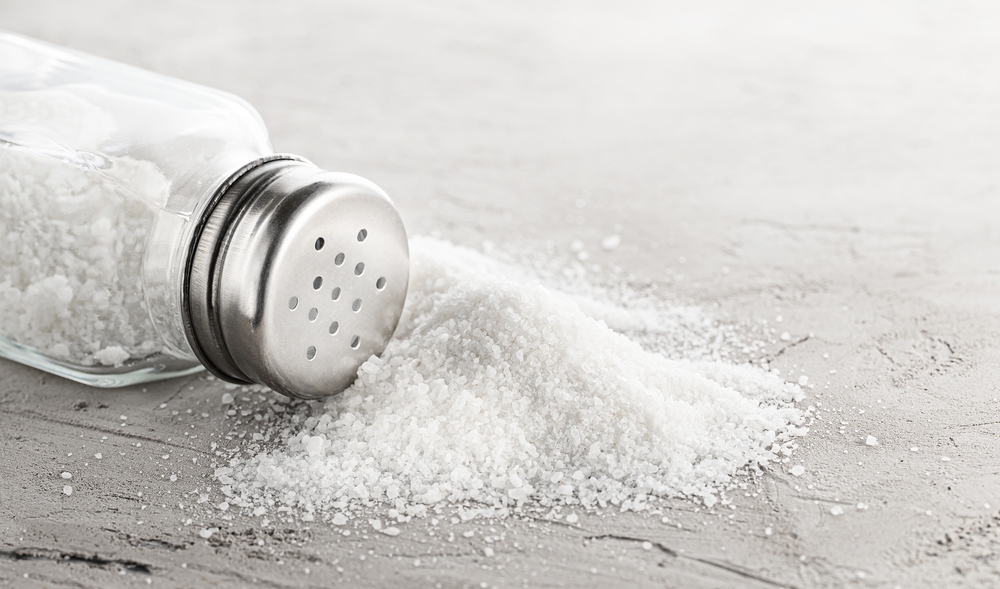
If your cat is trying to eat SpaghettiOs or any other noodles in a can, such as soups, these items contain a lot of sodium. Sodium is not a good ingredient for your cat to have in their diet.
In fact, too much sodium in your cat's diet can lead to salt poisoning, which can display the following signs:
Luckily, this only happens with large quantities of salt intake at a time. So, the likelihood of a canned noodle causing these issues is minimal. But if your cat downed an entire helping of chicken noodle soup, you should contact your veterinarian for further guidance.
4. Weight Gain
If you frequently give your cat pasta as a snack, it can cause weight gain over time. Pasta is full of carbohydrates and starch, which a cat's body is not optimized to digest anyway. This excess, unneeded energy source in the body will translate to fat when it is not burned correctly.


Will Cats Eat Pasta?
Cats can eat lots of weird things. While most of them won't really have any attraction toward noodles, they certainly can. If you want to give your kitty a noodle or two, it won't hurt them.
However, just like anything else, eating too many noodles can cause an upset stomach or other issues. So, while they might consume them freely, they can have consequences for this action.
Pasta is never a replacement for your cat's daily diet. These obligate carnivores need standard high-quality dry kibble or wet canned cat food to keep their bodies in optimal health.
How to Give Pasta to Your Cat
When you offer pasta to your cat, make sure it is fully cooked without any additional sauces or seasonings. Certain sauces can contain potentially toxic ingredients like onions and garlic. So, once you boil your pot of noodles, you can toss a few your cat's way.
If your cat accidentally ingests any noodles with potentially dangerous seasonings or ingredients, note how much and what the contents are. You can call animal poison control or your veterinarian to get further guidance.
A Cat’s Natural Diet
Cats require a diet that is full of animal protein with a small percentage of grains, fruits, and vegetables. Indeed, cats can have the occasional snack. However, they will receive no additional benefit from foods that differ from their species-specific nutrition.
In the wild, cats only eat animal food sources, deriving most of their nutritional needs and hydration from prey. However, our domestic cats have developed a tolerance for additional fillers in the food.

Final Thoughts
While technically cats can eat pasta as it's not toxic, the bottom line is that pasta has no essential nutritional value for your cat. Cats cannot digest raw pasta, so you should keep uncooked portions out of their reach. However, eating plain noodles here and there won't hurt them at all, apart from minor gastric upset or allergic reactions.
Cats are obligate carnivores and should have pasta as merely an occasional treat. If you give your cat a little pasta here and there, make sure to portion it correctly and not overfeed. Also, all pasta should be completely plain and seasoning-free.
Sources
Featured Image Credit: Markus Spiske, Unsplash

Expert cat care, straight to your inbox
Vet-reviewed advice, behavior tips, and the best of Catster. Free, and you can unsubscribe anytime.
By signing up, you agree to our Terms & Conditions and Privacy & Cookies Policy.
As a freelance dog writer and passionate pet enthusiast, Ashley Bates is pursuing studies in animal therapy. A mother to four human children and 23 animal companions, Ashley is dedicated to volunteering at shelters, advocating for animal rights, and rescuing animals in need. Her goal is to spread awareness, provide education, and offer entertainment about pets to reduce homelessness. Ashley's specialties include dogs and cats.
Join the conversation
Ask a question, share your story, or send private feedback.