10 Russian Cat Breeds: An Overview (With Info & Pictures)
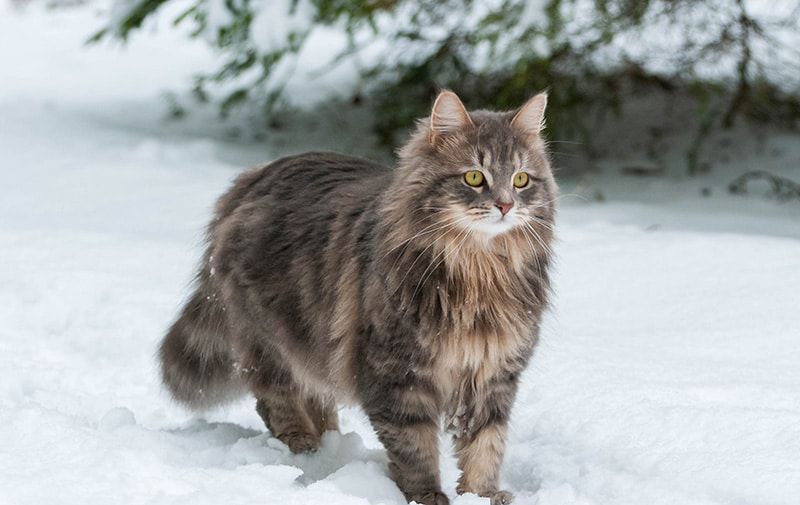
You may be surprised by the number of cat breeds that hail from Russia. Some of these felines are very popular and available across the world, while others are very rare and difficult to find, and they may only be available in Russia.
Here are 10 cat breeds that developed in Russia:

The 10 Russian Cat Breeds
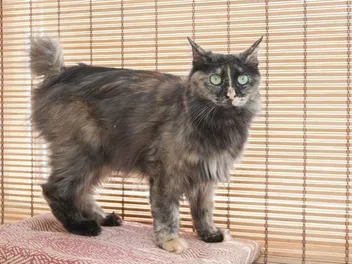
1. Kurilian Bobtail

| Height: | 9 to 12 inches |
| Weight: | 11 to 15 pounds |
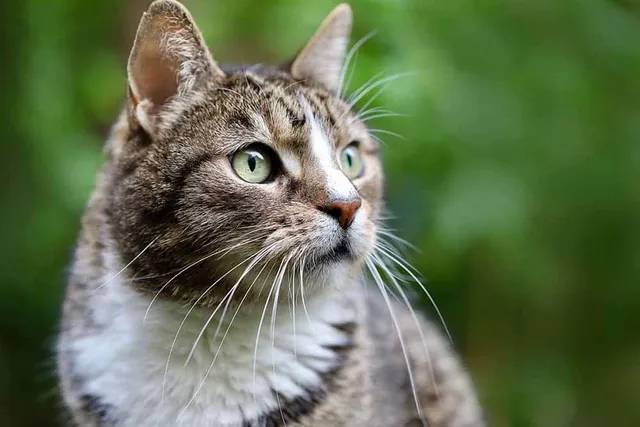
This bobtail cat is a landrace breed, meaning it naturally developed to meet the requirements of its environment instead of being selectively bred. They were once only found on Sakhalin Island where they developed over hundreds of years.
Today, they are found a bit more widely, though they are still mostly available in Russia. You can sometimes find them in Japan, too.
They may have a feral heritage, but they are affectionate and mild. They have a high prey drive and energy level, though. Therefore, they do best in active families.
2. Donskoy

| Height: | 11 to 12 inches |
| Weight: | 6 to 12 pounds |
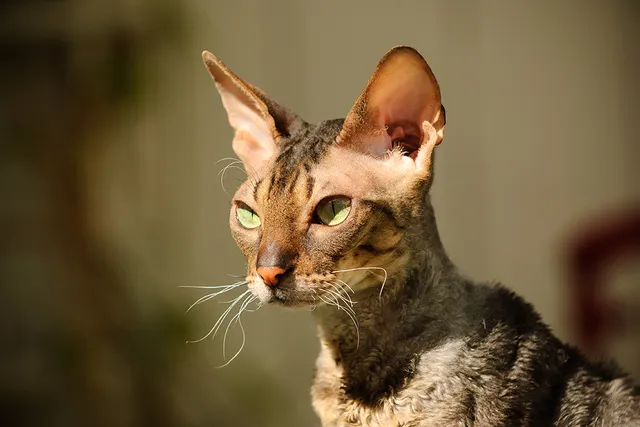
The Donskoy is a unique breed of cat that has very little fur. These cats developed in the late 1980s in Russia when a cat breeder found a local tomcat with the hairless gene. He then integrated this gene into his cats, leading to the breed as we know it today.
These felines are very lovable and sociable. They prefer plenty of company and need someone who can spend a lot of time with them. They also need protection from colder temperatures and intense sunlight, as their lack of fur can be a bit of a problem in these areas.
3. Mekong Bobtail

| Height: | 7 to 9 inches |
| Weight: | 8 to 10 pounds |
The Mekong Bobtail is also called the Thai bobtail, though they aren’t actually from Thailand. They’re named after a river that runs through Southeast Asia. They are naturally occurring around the river, which is how they developed into their own breed.
However, they were developed most by Russian breeders, so many people consider them a Russian breed. They’re known for being very playful and friendly. They’re also very sociable and prefer people who will spend plenty of time with them.
4. Siberian

| Height: | 8 to 10 inches |
| Weight: | 8 to 15 pounds |
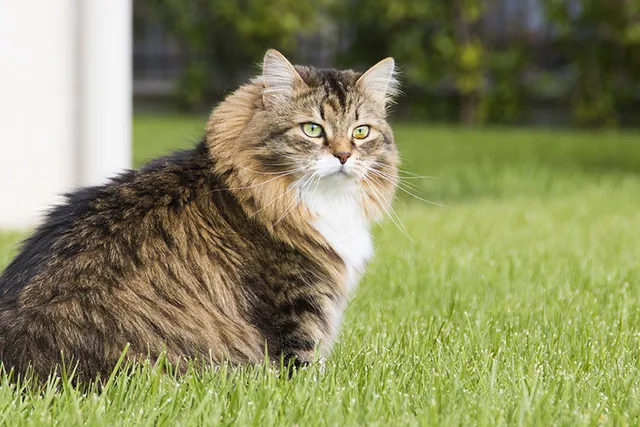
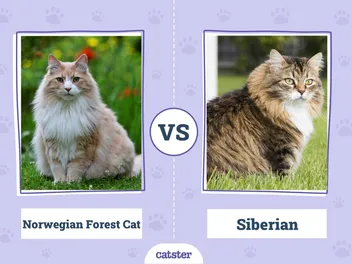
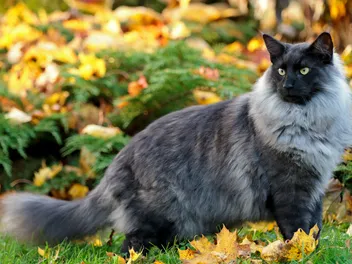
Siberians are one of the few Russian breeds that are popular across the world today. They’re extremely furry, as they originally existed in the subarctic regions of the country. The region has very long, cold winters, so they have to be furry to stay warm.
They’re quite affectionate and are known for enjoying the company of humans. They’re very playful and active, as well, and they need lots of enrichment to prevent them from becoming bored.
5. Russian Blue

| Height: | 8 to 10 inches |
| Weight: | 7 to 12 pounds |
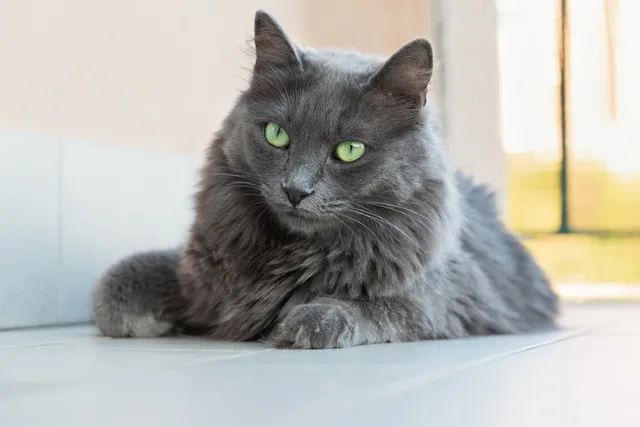
Russian Blues are also a popular Russian feline. They’re widely accepted as being native to Russia, though their origin isn’t well understood. You can find them throughout much of the world today.
They’re pretty athletic, graceful cats. However, they’re also very reserved. They’re wary of strangers and will spend much of their time hiding. Once they get to know you, they can be pretty lovable and develop strong bonds with their owners.
They’re affectionate and playful after they warm up to you.
6. Peterbald

| Height: | 8 to 10 inches |
| Weight: | 6 to 12 pounds |
The Peterbald first developed in Russia in the 1990s, so they are a newer breed. They were bred by mixing a Donskoy and an Oriental shorthair. Therefore, they’re similar to both breeds, but they have developed beyond that today.
They’re pretty smart and love attention. They tend to follow their favorite person from room to room, and they tend to be much more cuddly than other felines. They have a very lean body and can be hairless, though many have a light coat or full coat.
7. Karelian Bobtail
| Height: | 8 to 12 inches |
| Weight: | 10 to 15 pounds |
This breed is extremely rare. However, they were officially recognized as their own breed in 1994 despite their rarity.
Because they’re so rare, we don’t know much about them. However, they’re said to be easygoing and friendly, making them suitable to live with many kids and other animals. They’re great family cats.
They come in several colors and patterns and have short, dense coats. They also have a bobbed tail, which seems to be common with many Russian breeds.
8. Toybob
| Height: | 4 to 6 inches |
| Weight: | 4 to 7 pounds |
The Toybob is a newer breed that was first seen in the 1980s. They developed from a spontaneous genetic mutation that gave them a very short, kinked tail. They are very small and unusual cats that stay relatively small, which is one reason they are increasingly popular.
They are very playful and agile and have pretty active personalities, though they do love to cuddle with their owners, too.
9. Neva Masquerade

| Height: | 8 to 12 inches |
| Weight: | 8 to 18 pounds |
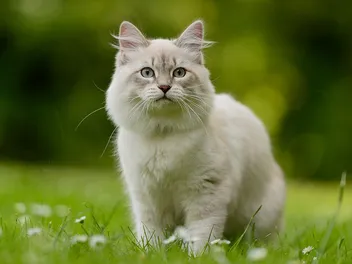
These felines are rarer than the Siberian, but they are similar. They’re considered the “longhaired version” of the Siberian cat and tend to grow a bit larger, too. Their personalities are similar, meaning they are friendly and playful. They’re pretty active cats, and they can be quite vocal.
They need a fair amount of grooming to keep their coats tidy as they have very long fur that can get pretty matted.
10. Ussuri

| Height: | 9 to 11 inches |
| Weight: | 11 to 15 pounds |
This is an extremely rare cat breed. We don’t know exactly where they came from, but they probably came from Russia. They were likely domesticated from the wild forest cats in the Amur River of Russia. They’re a recognized breed with a wilder look.
They are not very social or outgoing. However, they’re said to bond strongly with one person in the family. They’re more similar to dogs than cats in this regard.
Conclusion
There are a handful of cats that are native to Russia, and many of these developed naturally in the wild and were then domesticated. Other cats were bred purposefully or mixed with another cat to create a new breed. Some are pretty rare, but others have spread throughout much of the world, like the Siberian.
Many of these cats do make good family companions. However, some are more reserved than others.
Sources
https://pethelpful.com/cats/russian-cat-breeds
Featured Image Credit: Emil Helge, Shutterstock
Expert cat care, straight to your inbox
News, insights, and useful advice, delivered to you.

No spam — unsubscribe anytime.
By signing up, you agree to our Terms & Conditions and Privacy & Cookies Policy.
How useful was this post?
Click a star to rate. You can leave written feedback afterwards. (We read all feedback.)

Kristin is passionate about helping pet parents create a fulfilling life with their pets by informing them on the latest scientific research and helping them choose the best products for their pets. She currently resides in Tennessee with four dogs, three cats, two fish, and a lizard, though she has dreams of owning chickens one-day!