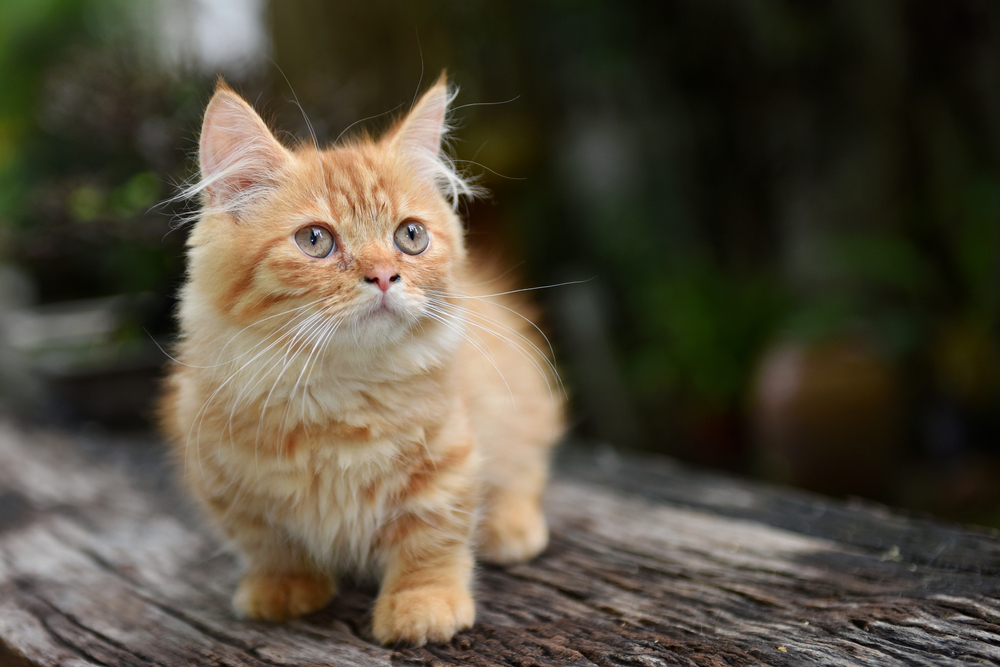
15 American Cat Breeds (With Info & Pictures)
In this article
Venturing into the unique and diverse world of cat breeds, we often find ourselves marveling at the myriad of shapes, sizes, and personalities these feline friends possess.
This article will take you on an exciting journey through the pantheon of American cat breeds, showcasing a selection of 15 distinct breeds, each with its own unique heritage, traits, and characteristics.

The 15 American Cat Breeds
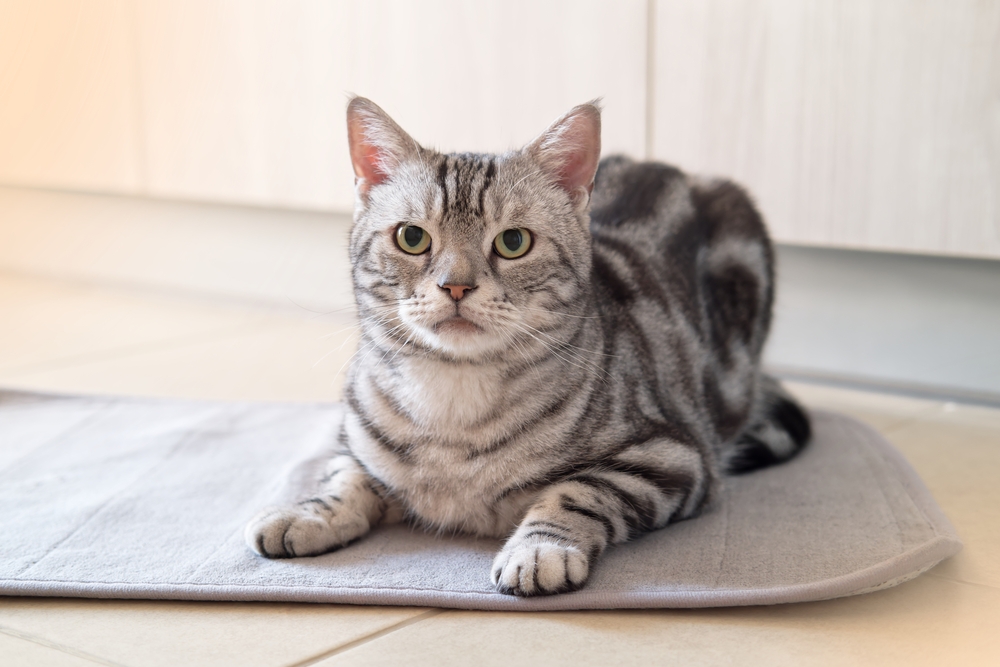
1. American Shorthair

| Height: | 8–10 inches |
| Weight: | 11–15 pounds |
| Colors: | Diverse range including white, brown, black, cream, and blue |
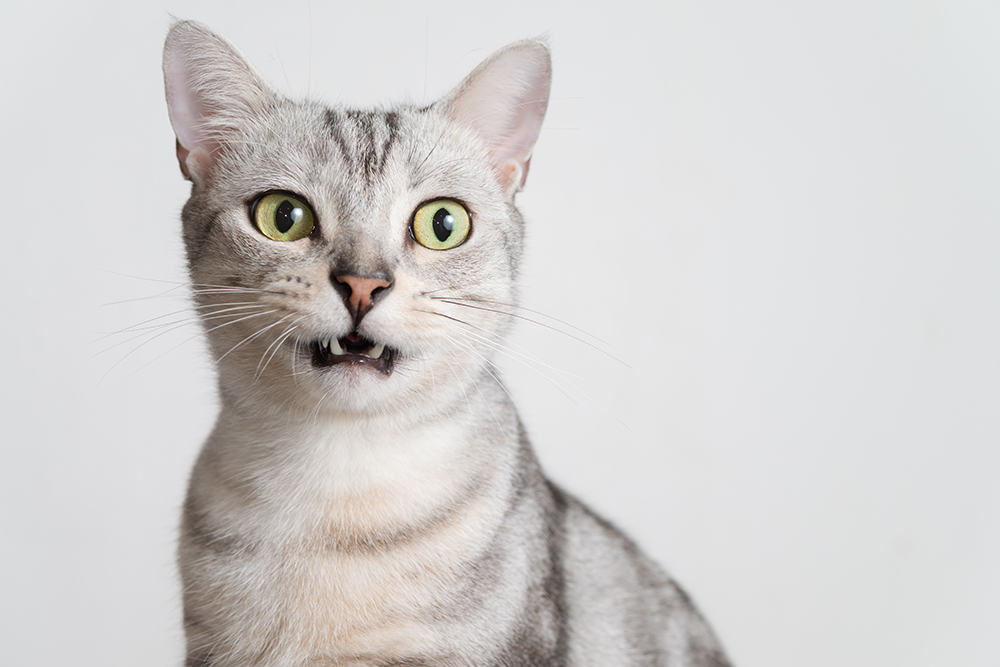
American Shorthairs are robust cats with pedigrees tracing back to the early settlers of America. Initially brought over from Europe to keep rodents in check during the transatlantic journey, these cats later evolved into the American Shorthair breed we know today.
Recognized officially in 1966, American Shorthairs are known for their muscular build, dense coat, and a wide array of coat colors and patterns.
2. Bengal

| Height: | 8–10 inches |
| Weight: | 8–15 pounds |
| Colors: | Spotted or marbled in a variety of shades |
The Bengal cat, a product of breeding domestic cats with African leopard cats, was first developed in the United States during the 1970s. With its leopard-like coat patterns and varying shades, this breed showcases exotic beauty.
However, it displays the personality traits of a domestic cat. Bengals boast sleek, muscular bodies and are famed for their energetic and playful disposition, making them a beloved choice among cat enthusiasts.
3. American Curl

| Height: | 9–10 inches |
| Weight: | 5–10 pounds |
| Colors: | Various, including black, white, fawn, blue |
The American Curl, recognized for its unique backward-curled ears, is a breed that surfaced from a natural genetic mutation in the early 1980s. The gene responsible for this trait is dominant, meaning only one parent must carry it for it to be expressed in their offspring.
These cats exhibit a lively expression, come in both long and short coat variants, and are known for their friendly disposition.
4. Maine Coon

| Height: | 10–16 inches |
| Weight: | 9–18 pounds |
| Colors: | Numerous, including white, black, red, blue, cream |
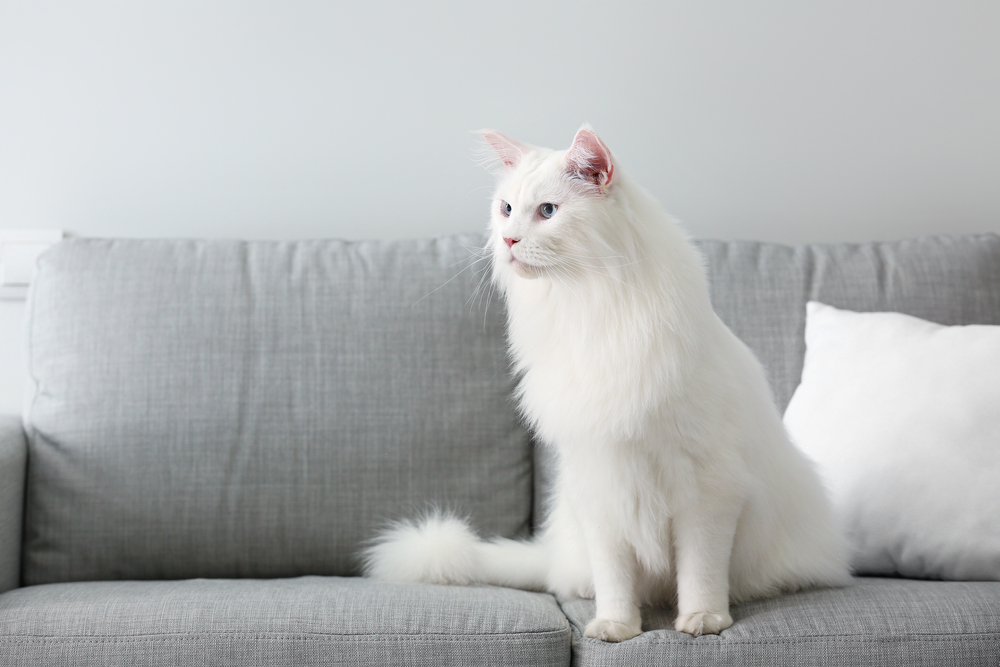
The Maine Coon, as the name suggests, hails from Maine and is notable for its large size and gentle temperament. This breed boasts medium-length fur featuring a prominent ruff around the neck, equipping it to withstand harsh weather conditions.
Despite their substantial size, Maine Coons are relatively low maintenance and require only weekly grooming sessions to keep their coats in pristine condition.
5. Exotic Shorthair

| Height: | 10–12 inches |
| Weight: | 7–14 pounds |
| Colors: | Various, including white, black, blue, cream |
Characterized by a round, flat face, and a plush, short coat, the Exotic Shorthair resembles a Persian cat with a simpler grooming regimen. This breed was developed in the U.S. to emulate the Persian’s luxurious appearance while reducing the grooming demand.
Just like the Persian, Exotic Shorthairs are prized for their serene demeanor, combining charming aesthetics with an easy-going nature that pet owners appreciate.
6. Balinese

| Height: | 9–10 inches |
| Weight: | 6–11 pounds |
| Colors: | Seal, chocolate, blue, lilac |
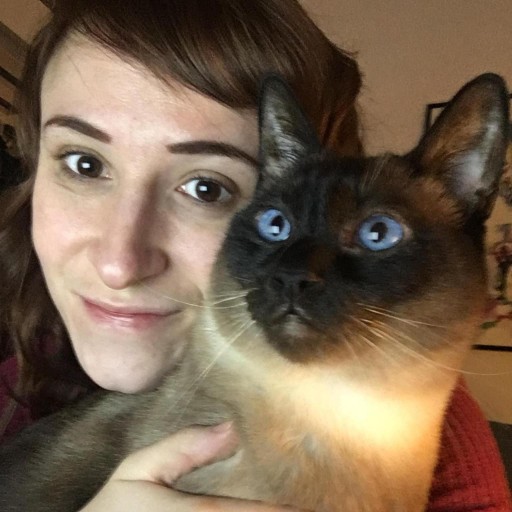
The Balinese cat, which shares numerous traits with the Siamese, is distinguished by its luxurious long-haired coat. The breed emerged as a result of a natural gene mutation in a litter of Siamese cats.
Today, the breed is cherished for its elegant appearance, characterized by a wedge-shaped head, slender body, and tail plume.
7. Ragdoll

| Height: | 9–11 inches |
| Weight: | 10–20 pounds |
| Colors: | Blue, seal, chocolate, lilac, red, cream |
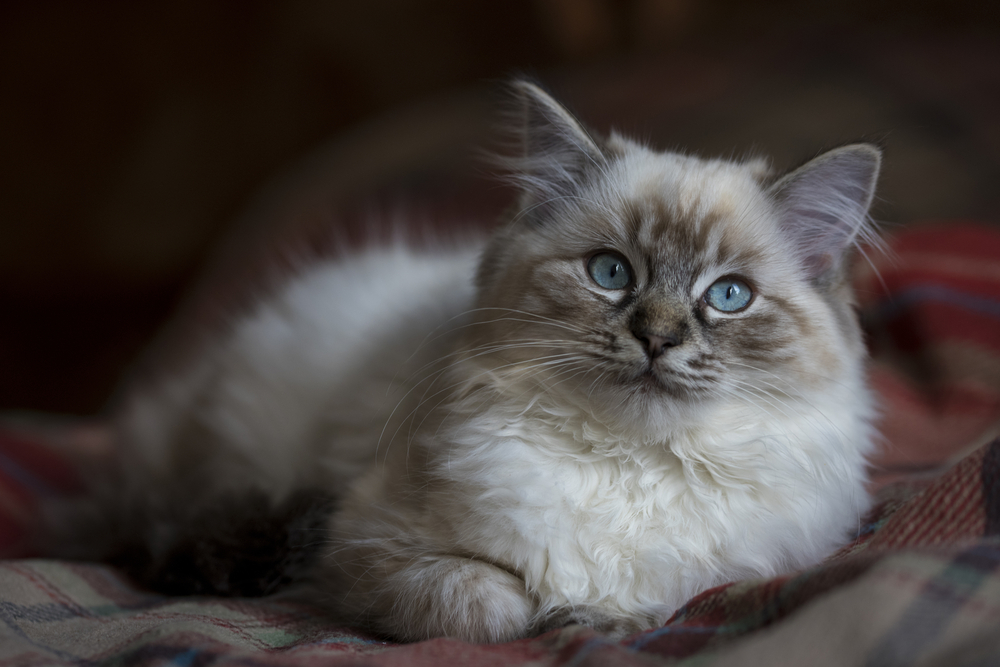
Originating in California during the 1960s, Ragdolls are celebrated for their warm and affectionate temperament. Unlike many other cat breeds, Ragdolls display an unusual tendency to go limp when picked up, a trait that inspired their name.
Their stunning blue eyes, combined with a semi-longhaired coat, make these cats a favored choice among cat aficionados. If you’re seeking an adorable, lovable ball of fur, you can’t go wrong with the Ragdoll.
8. Bombay

| Height: | 10–12 inches |
| Weight: | 8–15 pounds |
| Colors: | Black |
In the 1970s, in Kentucky, a cat breed was intentionally developed to resemble a miniature black panther—the Bombay cat. This striking effect was achieved by breeding black American Shorthairs with sable-colored Burmese cats.
Bombays exude an all-black appearance, from their fur and nose to their paw pads, which sharply contrasts their captivating copper or gold eyes. Besides their unique appearance, these cats are known for their friendly, outgoing, and interactive nature, making them excellent companion animals.
9. Selkirk Rex

| Height: | 9–11 inches |
| Weight: | 6–16 pounds |
| Colors: | Various, including white, black, blue, cream, chocolate |
The Selkirk Rex, a cat breed that emerged from a natural genetic mutation, is distinguished by its distinctive curly coat. This breed was further refined through selective breeding with Persian, British Shorthair, and Exotic Shorthair cats, resulting in a friendly and serene feline with a curly coat.
Selkirk Rex cats are noted for their sociable nature, being adept at building friendly relationships not only with humans but also with other pets. They are adaptable, intelligent, and gentle cats, making them a wonderful choice for families and households with other pets.
10. LaPerm

| Height: | 9–11 inches |
| Weight: | 5–10 pounds |
| Colors: | Various |
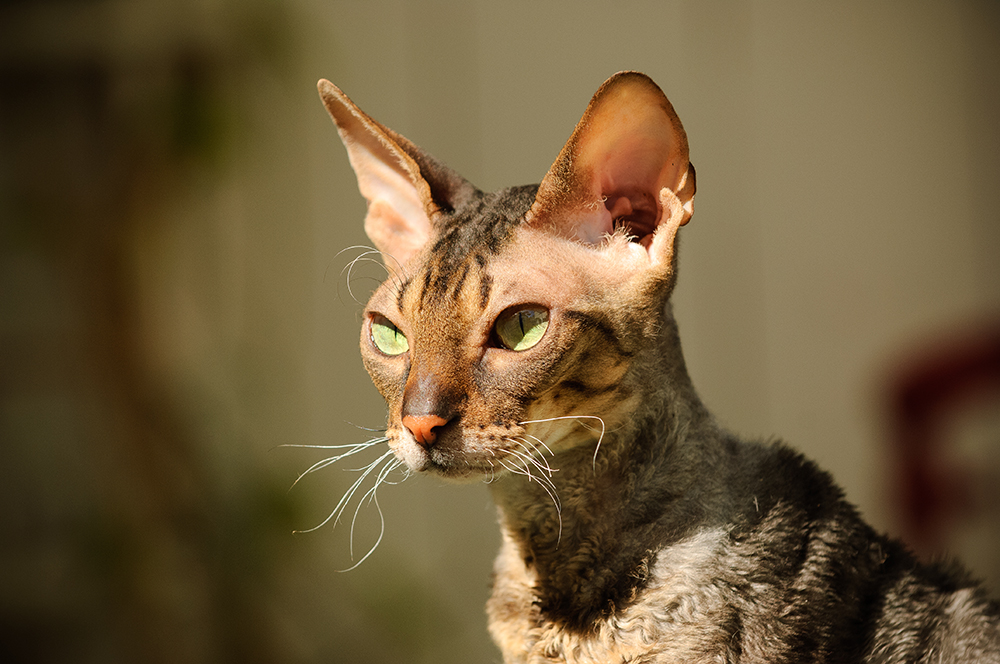
The LaPerm breed, recognized for its soft, curly coats, has its roots in a barn cat lineage in Oregon during the 1980s. This breed exhibits a wide range of coat and eye colors, contributing to its diverse aesthetic appeal.
While they appear to have high-maintenance coats, LaPerms only require a simple comb-through a few times a week to prevent matting, making them relatively easy to care for. They are known for their outgoing and affectionate nature, making them excellent family pets.
11. Pixie-Bob
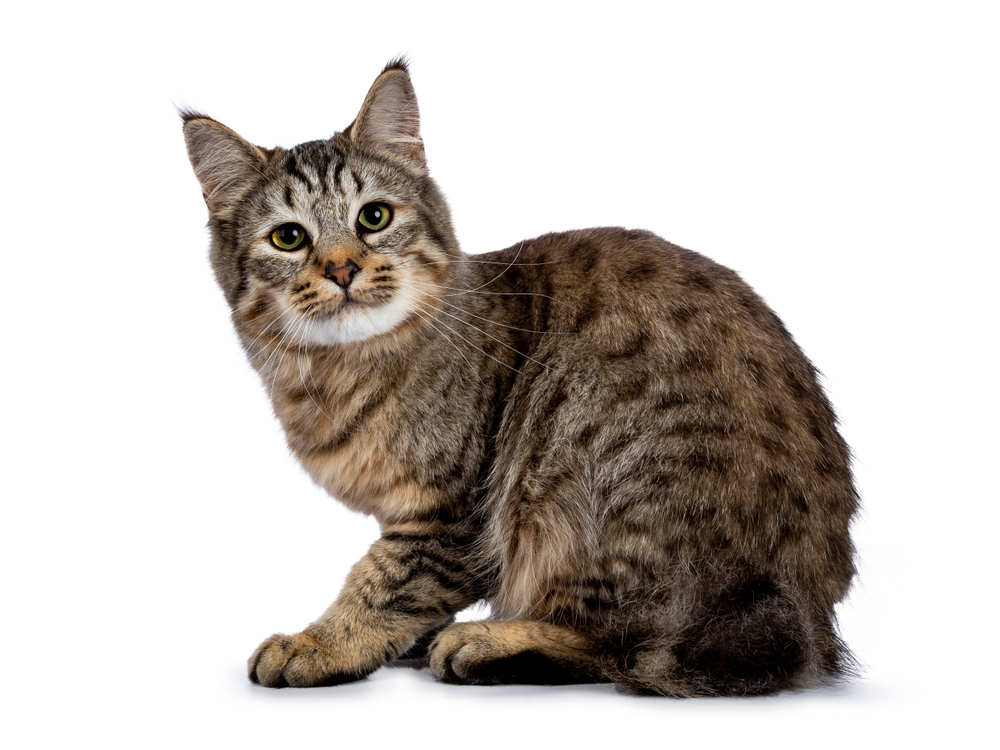
| Height: | 9–12 inches |
| Weight: | 8–17 pounds |
| Colors: | Brown spotted tabby |
Bearing an uncanny resemblance to a wild bobcat, the Pixie-Bob is a captivating breed that is believed to be the result of breeding between a wild bobcat and a domestic cat.
Despite their feral appearance, Pixie-Bobs are remarkably gentle, playful, and affectionate, traits that make them excellent companions for home living. They’re intelligent and social cats known for their dog-like loyalty and devotion to their human family.
12. American Bobtail

| Height: | 9–10 inches |
| Weight: | 7–16 pounds |
| Colors: | Diverse range |
The American Bobtail is a fascinating breed known for its short, bobbed tails that can be straight, curved, or even kinked. This breed was created from a vast range of cat breeds, contributing to its genetic diversity, and is known to have fewer health issues common to other breeds.
American Bobtails are playful, affectionate, and intelligent, with a notable ability to form strong bonds with their human companions.
13. American Wirehair

| Height: | 8–10 inches |
| Weight: | 8–15 pounds |
| Colors: | Various, including white, black, blue, cream |
Originating in New York, the American Wirehair is a close relative of the American Shorthair, but with a striking difference—it has a unique, wiry coat and whiskers, thanks to a spontaneous dominant genetic mutation.
In addition to their distinctive coat, American Wirehairs feature a slightly different facial structure compared to American Shorthairs, with round faces and high cheekbones. These cats are friendly, playful, and known for their adaptability to various living situations.
14. Lykoi
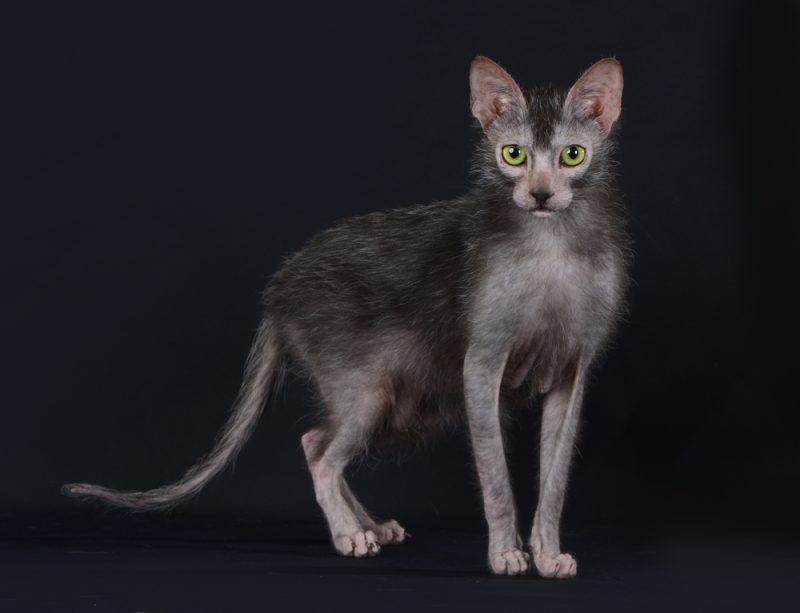
| Height: | 8–10 inches |
| Weight: | 4–7 pounds |
| Colors: | Black, gray |
Often referred to as “the werewolf cat,” the Lykoi breed is remarkable for its sparse coat and bright copper eyes, bearing a striking resemblance to mythical creatures. Originating in Vonore, Tennessee, the breed’s unique appearance is not the result of human intervention but a natural genetic mutation.
Beyond their unusual looks, Lykois are known for their playful and intelligent nature, making them excellent pets. They possess a partially hairless coat, most notably sparse on the face and legs, and a shorter tail, contributing further to their distinctive appearance.
15. Ocicat

| Height: | 9–11 inches |
| Weight: | 6–15 pounds |
| Colors: | Spotted in various shades |
The Ocicat, bred in the United States, was intentionally created to mimic the wild appearance of an ocelot. This breed, initially an attempt to breed a Siamese cat with the coloring of an Abyssinian, resulted in a strikingly beautiful cat with stripes and spots that bring to mind an ocelot.
Although they may look wild, Ocicats are actually quite affectionate. They’re also sociable and intelligent creatures, making them a popular choice for families and individuals alike.
Tips for Nurturing Your Feline Friends
Caring for a cat, regardless of the breed, requires a comprehensive understanding of its unique needs and habits. Here are some essential cat care tips that can enhance your pet’s quality of life:
Feeding
Ensure your cat’s diet is balanced and nutritious. The food should be appropriate for their age, size, and health condition. Some cats may have specific dietary requirements based on their breed.
Hygiene
Regular grooming is crucial for all cats. Long-haired breeds may require daily brushing to prevent matting and hairballs, while short-haired breeds might need grooming once a week. Regular grooming can also help you keep track of any changes in your cat’s skin or coat.
Health Checkups
Routine veterinary care is essential for maintaining your cat’s health. Regular checkups, vaccinations, and parasite control are crucial aspects of preventative care.

Enrichment
Cats need mental stimulation and physical exercise to stay happy and healthy. Invest in interactive toys and scratching posts, and consider creating safe outdoor spaces where your cat can explore.
Training
While cats are notoriously independent, basic training like litter box usage, refraining from scratching furniture, and responding to basic commands can be beneficial.
Affection and Socialization
Despite their reputation for being aloof, cats require love and attention from their owners. Spend quality time with your cat, and if possible, gradually introduce them to other pets and people to foster good social skills.
Conclusion
Our journey through the fascinating landscape of American cat breeds reveals an exceptional variety of felines that are as diverse as the nation itself. Each breed, with its unique traits, history, and characteristics, contributes to the vibrant feline tapestry that cat lovers continue to cherish and explore.
Equipped with a better understanding of these breeds and the essentials of cat care, you’re now better prepared to celebrate and nurture the rich diversity of our feline friends!
Featured Image Credit: InnovativeImages, Shutterstock

Expert cat care, straight to your inbox
Vet-reviewed advice, behavior tips, and the best of Catster. Free, and you can unsubscribe anytime.
By signing up, you agree to our Terms & Conditions and Privacy & Cookies Policy.

Christian started writing for a local newspaper as a teenager, and he's been involved in the publishing industry for most of his adult life. Combining his love of writing with a passion for animals, he is currently the Director of Editorial at Pangolia and the Editor-in-Chief at Catster.
Christian lives in the Philippines with his wife, son, and four rescue cats: Trixie, Chloe, Sparky, and Chopper.
Join the conversation
Ask a question, share your story, or send private feedback.