Neva Masquerade (Colorpoint Variety): Info, Pictures, Facts & Traits
In this article
Breed Overview
Length:
Weight:
Lifespan:
Colors:
Suitable for:
Temperament:
The Neva Masquerade is a colorpoint variation of the Siberian, named after the Neva River in Siberia. Like all Siberians, it is a friendly and amiable cat that reflects and returns the love of its owner. They are very good with children, but they do benefit from training because they know their own mind, are very intelligent, and they can bore easily.
As well as requiring training, the Neva Masquerade is a longhair cat that needs grooming multiple times a week. It also needs plenty of attention and affection, which means that potential owners need to have time to dedicate to their new feline.
The colorpoint trait was introduced in around the 1980s and was only officially recognized by the Federation Internationale Feline (FIF) as an official breed in 2011. Many other cat registries do not recognize the Neva Masquerade as a separate breed, rather as a variation of the Siberian, and some do not recognize it at all. However, it's considered an aesthetically pleasing cat that is as friendly and intelligent as the Siberian.

Neva Masquerade Kittens
Neva Masquerade Characteristics
What’s the Price of a Neva Masquerade Kitten?
The Neva Masquerade colorpoint is extremely rare, especially outside Siberia and Russia. As such, kittens attract a high cost. Potential owners should expect to pay somewhere around $1,000 for a kitten, although it may be necessary to pay more for a particularly good example with strong breeding.
Even though these kittens are rare, do your due diligence before opting for a breeder. Ensure that the kittens and cats are kept indoors and that they are socialized before being adopted. Visit the cattery or the breeder before agreeing to purchase, and as well as meet the kitten you will be taking home, take the time to meet the mother, too. Ensure the cats are bright and inquisitive and enquire about the adoption process, including whether the kitten will be spayed or neutered before you take it home.
3 Little-Known Facts About The Neva Masquerade
1. Neva Masquerades Are Intelligent
The Neva Masquerade is described as highly intelligent and knowing its own mind. You will need to train your kitten to avoid bad behavior and bad habits.
2. They Are A Rare Breed
This Siberian breed was only introduced in the 1980s and hasn’t traveled far outside Siberia, which means that they are very rare in other countries. They do cost a premium, but as well as being rare, they are also relatively unknown, which does temper the asking price somewhat.
3. But May Not Be A Distinct Breed At All
Although they are recognized as a separate and distinct breed by the FIF, some organizations only recognize them as a color of the Siberian breed while others do not recognize the Neva Masquerade at all.

Neva Masquerade Appearance
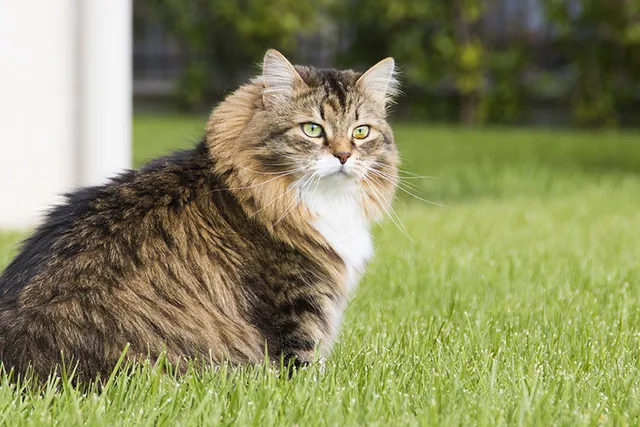
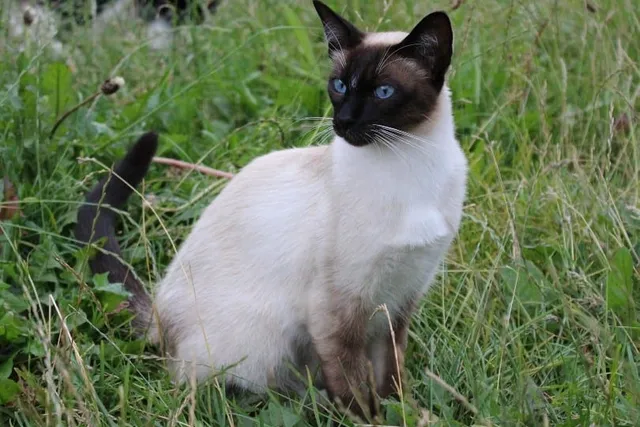
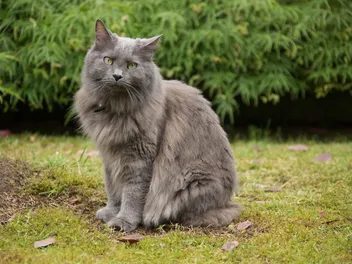
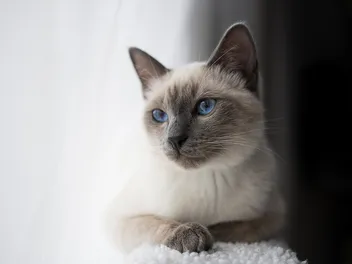
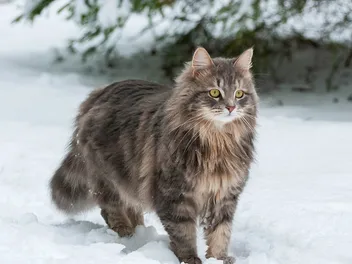
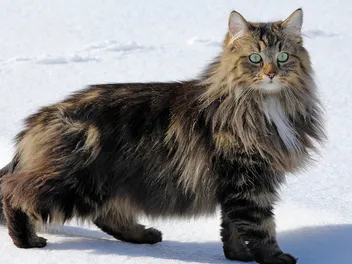
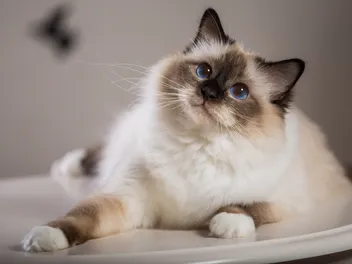
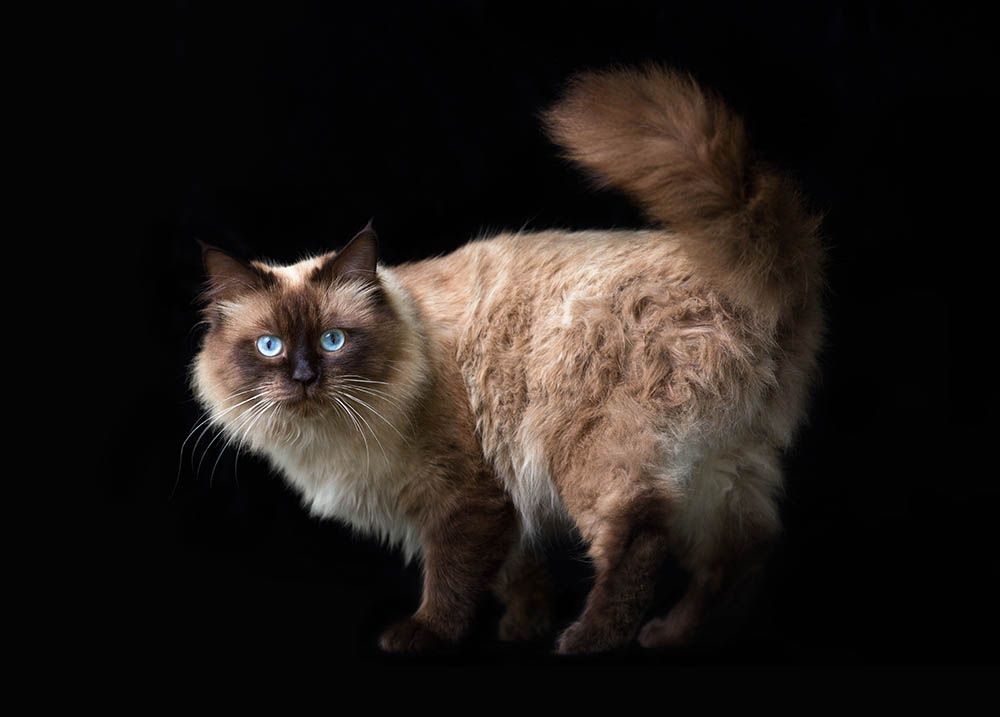
The only difference between the Neva Masquerade and a Siberian cat is in their color. The two breeds are the same size, have the same temperament, and they share all other qualities. However, while the Siberian can come in almost any color and pattern, the colorpoint has a softer colored body and typically has darker points. Points include the ears, face, tail, feet, and scrotum. Neva Masquerades can have any of a range of colors, from fawn to black or blue points and the points can be tabby or tortoiseshell.
Temperament & Intelligence of the Neva Masquerade 🧠
The Neva Masquerade is a friendly cat that will usually get along with strangers and is said to reflect the love and attention of its owners. It is considered a very good cat for children, although cat and child should be taught to be respectful of the other, and their ample size means that they will usually get along with other cats and even family dogs. However, they are prone to hunting, so you should avoid keeping them with birds and other uncaged, small animals.
Things to Know When Owning a Neva Masquerade:
Food & Diet Requirements 🐡
The Siberian and Neva does not have any specific dietary requirements, but you should weigh your feline friend and feed them according to the food manufacturer’s guidelines. Active cats need more food, while house cats typically eat less.

Exercise 🐈
The Neva is an active and lively cat. Buy active toys to encourage healthy levels of exercise, if yours is an indoor cat, and considered interactive toys that can help keep the alert and agile mind of a Siberian busy.
Training 🧶
This breed combines intelligence with a desire to please its owners, which makes it trainable. Training cats takes patience and persistence, but it is not only possible to encourage good habits and eliminate bad habits, you may also be able to teach your Neva some basic tricks. Especially if you utilize tasty treats as a reward.
Grooming ✂️
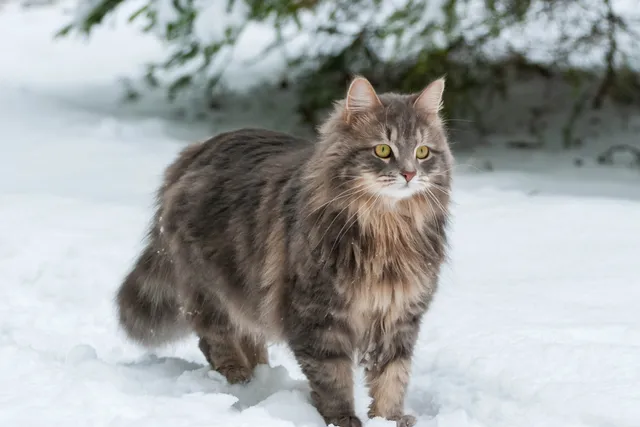
The Neva is described as a longhair breed but, in truth, it depends on the season. The Neva will have long hair during winter, and it will benefit from regular brushing to avoid knotting. In summer, it will have a shorter coat, but will still benefit from regular grooming to prevent shedding on furniture. Groom from an early age because if you start trying to groom an adult cat that has not experienced it before, you may find it difficult.

Health and Conditions 🏥
The Siberian is effectively a forest cat, or wild cat, so you can expect a hardy and tough cat. The breed is somewhat prone to a heart condition that causes the heart muscles to thicken, called hypertrophic cardiomyopathy, but this is the only serious condition that the Neva is considered prone to.
Final Thoughts
The Neva Masquerade is a colorpoint of the Siberian breed. As such, it shares most of the same physical and behavioral characteristics as the longhaired, affectionate, playful Siberian. It can do well living with other cats and even dogs, is considered an excellent choice of cat for children, and will repay the love and affection it receives in equal measure.
The Neva can be a lively cat that enjoys hunting, or mimicking hunting in its play. As such, avoid leaving small animals out of their cages or hutches in the presence of the cat, and look for ways to keep active, including walking, playing, and training. Training will not only help form positive behavior but will also keep the mind active and may help eliminate or reduce any behavioral problems.
The breed does require time and attention. The long coat needs regular brushing, and your cat will benefit from spending as much time as possible with you. But it has a decent lifespan, is a hardy animal that is not prone to too many potentially fatal health conditions, and can be a joy to live with.
Featured Image Credit: Julia Shepeleva, Shutterstock
Expert cat care, straight to your inbox
News, insights, and useful advice, delivered to you.

No spam — unsubscribe anytime.
By signing up, you agree to our Terms & Conditions and Privacy & Cookies Policy.
How useful was this post?
Click a star to rate. You can leave written feedback afterwards. (We read all feedback.)

Christian started writing for a local newspaper as a teenager, and he's been involved in the publishing industry for most of his adult life. Combining his love of writing with a passion for animals, he is currently the Director of Editorial at Pangolia and the Editor-in-Chief at Catster.
Christian lives in the Philippines with his wife, son, and four rescue cats: Trixie, Chloe, Sparky, and Chopper.