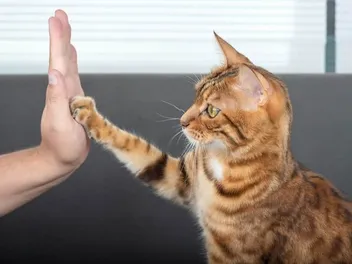
How Do I Get My Scared Kitten to Trust Me? 10 Vet-Approved Tips



Bringing a new kitten into your home is an exciting experience. However, it’s not uncommon for kittens to feel anxious in a new environment. As a new pet owner, you want to ensure that your kitten feels safe and comfortable in your home, and it can be upsetting if they seem scared. If this sounds like your situation, keep reading as we provide a step-by-step guide to help you get your frightened kitten to trust you.

The 10 Effective Tips for Getting a Scared Kitten to Trust You
1. Create a Safe and Comfortable Environment
Before bringing your kitten home, prepare the house for their arrival. Set up a room specifically for your kitten with all the essentials, such as food, water, a litter box, and a bed, without any hazards that could harm your pet, such as wires, sharp objects, or poisonous plants.
2. Create a Safe Place
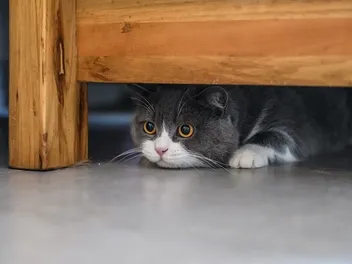
A scared kitten needs a safe space to feel secure and protected. Therefore, ensure they have access to a quiet and comfortable place to sleep, such as a cozy bed or a box with a soft blanket. Some kittens like to go under the bed, but it can be hard to retrieve them from if you need to.

3. Provide Plenty of Hiding Spots
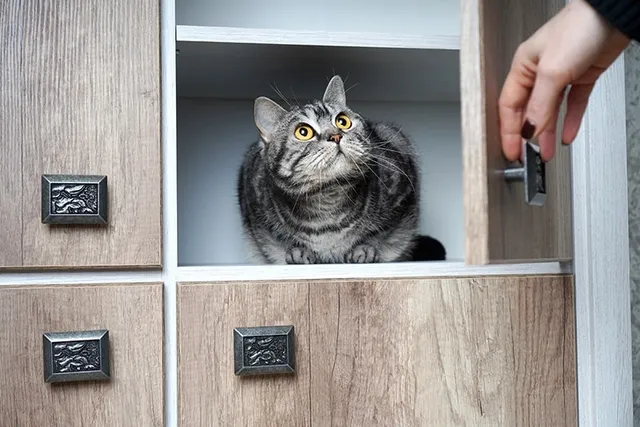
Besides a dedicated safe sleeping space, cats feel more comfortable when they can use several hiding spots throughout the home. Adding a few cat caves or even boxes to the environment can go a long way toward making the kitten feel more secure.
4. Provide Access to Food and Water
Kittens have small stomachs and must eat and drink frequently throughout the day, so you will need to provide them with nutritious food and fresh water continuously and ensure that their bowls are always clean. Since kittens are very sensitive, especially in early stages of their life, it is recommended to get an advice from a veterinarian about what to feed them and how much.
5. Let Your Kitten Explore Their Surroundings
Kittens are naturally curious creatures, and they love to explore new things. Therefore, letting your kitten explore their surroundings at their own pace is essential to help them feel more comfortable and secure. Allow them to investigate their new home and get familiar with their surroundings for several days.
6. Let Them Come to You
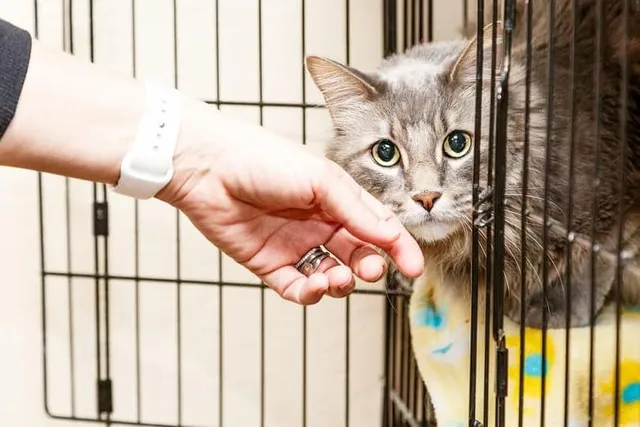
Sit on the floor and let your kitten come to you. Avoid approaching the kitten too quickly or making sudden movements since it can scare them. Instead, let them approach you on their terms.

7. Set Up a Routine
Cats are routine-based animals and feel more comfortable when things stay the same from one day to the next. Try to feed and play with them at specific times, and after a few days, your kitten will know what to expect and will likely start to trust you more.
8. Give Them Toys
Kittens love to play, and toys can help stimulate their minds and keep them occupied so they are less afraid. Toys like balls, stuffed animals, and scratching posts are inexpensive and easy to find in any pet store, and you can even make toys from toilet rolls, crumpled-up paper, and many other items.

9. Spend Time With Your Kitten
Spending time with your kitten is crucial to building trust and strengthening your bond, and it’s one of the best ways to make them less afraid. Make time to play with your kitten and give them attention and affection. If the kitten is scared, you can sit quietly so they can become familiar with you and your scent.
However, kittens have short attention spans and can quickly become overstimulated, leading to fear and anxiety, so keep play sessions short and frequent and always end on a positive note.
10. Talk Using a Soft Tone
Talk to your kitten softly and soothingly to help them feel safe and secure. Many owners also like to sing to their cats; a gentle song might help them become more familiar with you. Cats can quickly pick up on your tone of voice and may become frightened if you start yelling or shouting.

11. Use Positive Reinforcement
Positive reinforcement is an effective way to build trust with your kitten. When they display positive behavior, such as approaching you or playing with toys, reward them with treats and praise. This will help your kitten associate positive experiences with being around you, which can make them less frightened and more trusting. Punishing your kitten for bad behavior can be counterproductive and damage their trust in you. Instead, focus on rewarding positive behavior and redirecting negative behavior. For example, if your kitten scratches the furniture, turn their attention to a scratching post or a toy to help them learn what is and isn’t acceptable behavior without damaging the trust that you’ve built.
12. Be Patient
Gaining your kitten’s trust takes time and patience. It’s important to remember that every kitten is different, and some take longer than others to become comfortable around humans. So, be patient with your kitten, and allow them to come to you on their terms.
Avoid forcing them to do anything they’re not ready for since it can damage the trust you’ve built with them. In time, your cat will get more comfortable and come out to visit more frequently.

Conclusion
Helping your scared kitten to trust you takes time and patience, but with the right approach, you can build a strong and loving bond with them. Start by creating a safe and comfortable environment, and let them explore their surroundings and come to you at their own pace. Spend time playing with your kitten, and use positive reinforcement to reward positive behavior. Finally, be patient, as it can take several days or even weeks for a new kitten to become comfortable in a new environment and start trusting their new pet parent.
Featured Image Credit: Khamidulin Sergey, Shutterstock
Expert cat care, straight to your inbox
News, insights, and useful advice, delivered to you.

No spam — unsubscribe anytime.
By signing up, you agree to our Terms & Conditions and Privacy & Cookies Policy.
How useful was this post?
Click a star to rate. You can leave written feedback afterwards. (We read all feedback.)
Ed Malaker is a veteran writer who has contributed to a wide range of blogs that cover tools, pets, guitars, fitness, and computer programming. When he’s not writing, Ed is usually performing DIY projects around the house or working in the garden. He’s also a musician and spends a lot of time helping people fix their guitars and composing music for independent films.