How to Reduce Your Cat’s Litter Box Smell: 6 Vet Approved Steps

In this article
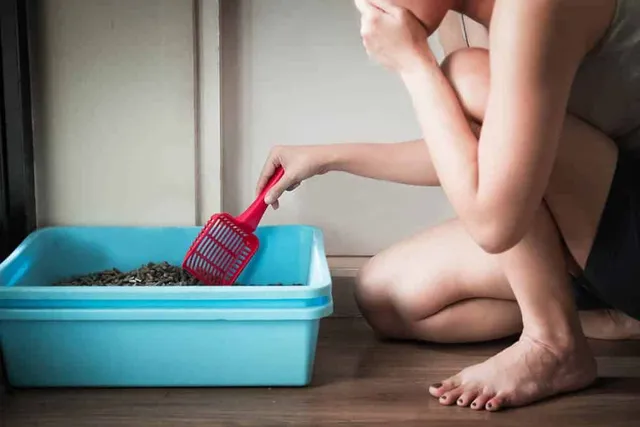
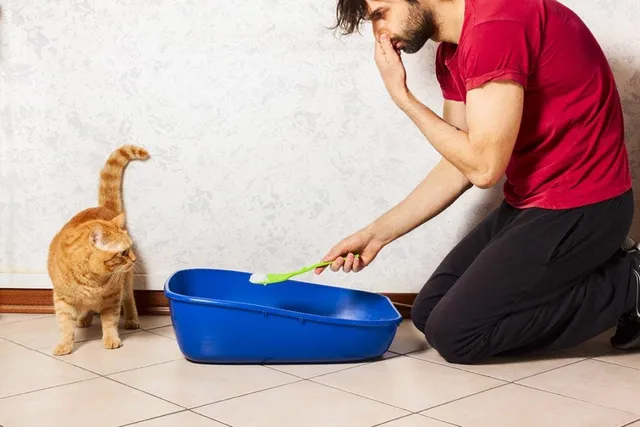
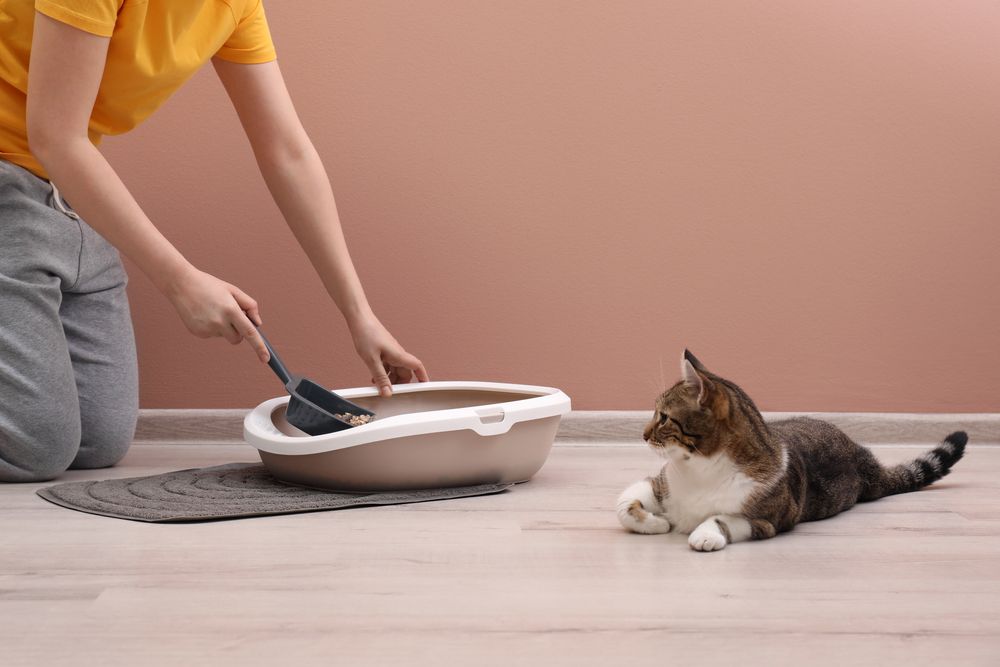
Like any proud cat parent, you love everything about your fur baby—almost. After all, the aroma coming from their litter boxes isn't exactly reminiscent of blooming roses. Fortunately, there are many ways to combat that foul odor.
In this step-by-step guide, we walk you through simple steps to reduce your cat's litter box smell. Let’s dive in!

Where Do Bad Litter Odors Come From?
Understanding why your beloved cat's pee smells so bad should help you get rid of the problem faster. In essence, a cat’s urine is not that different from that of other animals. It includes various metabolic wastes, such as urea, creatine, uric acid, sodium chloride, and other electrolytes. But the main problem with cat pee is that as it sits in the litter box, the bacteria begin to break down the urea, which creates that pungent and strong ammonia smell. If ventilation is poor around the litter box area, that can cause odors to concentrate. Poo, it goes without saying, can also be quite pungent.
The type of cat litter that you use also plays an important role. Some litters absorb and neutralize odors better than others, but you should avoid scented litters as much as possible because many cats are sensitive to them. Litters containing activated charcoal, baking soda, or other agents can help reduce unpleasant odors while avoiding overly intense scents.
Lastly, the frequency of cleaning the litter box is arguably the most important element, as infrequent scooping and cleaning enables waste to build up, providing more opportunities for bacteria to break down organic matter and release odorous gases.
With these factors in mind, let’s now look at what you’ll need to keep your home free of bad litter box odors!

Before You Start: Gather the Essentials
A good kitty litter, a scoop, baking soda, and perhaps an odor-controlling litter box (the ones that come with a lid are effective at keeping bad odors away, but some cats do hate them) should make up your basic toolkit.
Top Tip for Cleaning & Combating Tough Litter Box Smells
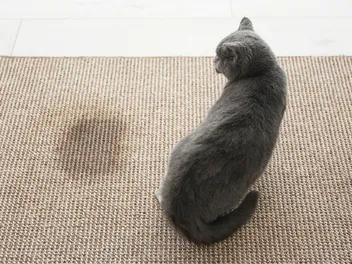
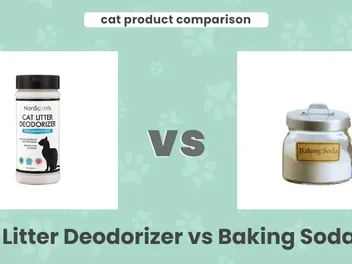
Cleaning up after our pets is not the most enjoyable part of owning them. Despite keeping a clean litterbox, cat odors and stains may still exist around the house. Sometimes, even the best litter box setup needs extra help. If you're tired of dealing with bad smells from litter boxes, Hepper Advanced Bio-Enzyme Pet Stain & Odor Eliminator Spray can help with the worst pet stains and smells. Additionally, the Advanced Bio-Enzyme Cat Litter Deodorizer neutralizes odors upon contact.
| Image | Product | Details | |
|---|---|---|---|
|
Hepper Advanced Bio-Enzyme Pet Stain & Odor Eliminator Spray |
|
Check Price |
|
Advanced Bio-Enzyme Cat Litter Deodorizer |
|
Check Price |
At Catster, we’ve admired Hepper for many years and decided to take a controlling ownership interest so that we could benefit from the outstanding designs of this cool cat company!

The 6 Steps for Reducing Your Cat’s Litter Box Smell
After gathering all these simple tools, you're ready to get rid of bad litter odors while keeping your cat happy and healthy. Here are the six most important things that you need to do.
1. Choose the Right Cat Litter
The right type of litter is one of your best weapons in the fight against bad odors! It is best to opt for a high-quality clumping litter that is unscented and designed to neutralize odors. Scented litter can be too harsh for cats because their sense of smell is much more sensitive than ours. As for natural type litters, such as corn, wheat, or wood, they are not tolerated by all cats and are often less effective in reducing bad odors.

2. Scoop Every Day
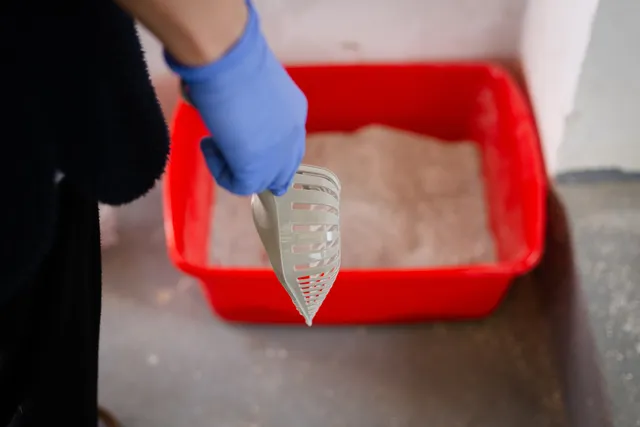
Now that you have the right litter, it's time to establish a regular scooping routine. Cats are clean animals and appreciate a tidy bathroom. Aim to scoop the litter box at least once a day, removing both solid waste and clumps. This will keep your cat happy and prevent the accumulation of odors over time.
3. Do Regular Deep Cleaning
In addition to daily urine and stool scooping, it is important to thoroughly clean your cat's litter box regularly, at least two to three times a month. To do this, empty the litter box completely, wash it with mild soap, let it dry completely, and replace the litter.
Pro Tip: Baking soda is a common go-to product for cleaning and for good reason. It cleans, disinfects, purifies, and absorbs bad odors, and it’s safe for your dear kitty. Simply sprinkle a thin layer of it on the bottom of the litter box once it is clean and dry, then cover it with new litter.

4. Try a Covered Litter Box
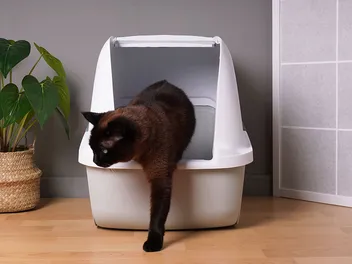
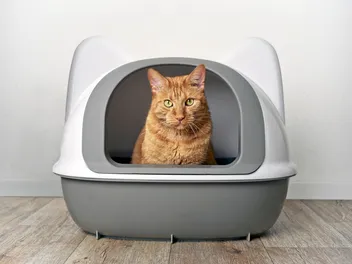
Covered litter boxes can be a practical solution to containing unpleasant odors. That said, some cats may not feel comfortable using them. But whether your litter box is covered or not, regular cleaning remains essential. One of the disadvantages of covered litter boxes is that this can lead to an accumulation of humidity and heat, which risks intensifying bad odors even more.
5. Make Sure the Litter Box Area Is Well-Ventilated
Good ventilation will make a significant difference in managing litter box odors. If possible, place the litter box in a well-ventilated area, ideally next to a window.

6. Change Your Cat's Diet
In case your cat's stools smell abnormally bad, you may need to consider changing their diet. Your feline friend's food could be causing their smelly stools, particularly if it contains large amounts of fillers and preservatives. Some kitties have sensitive digestive systems and may require food that’s specifically designed to combat smelly poop. Fortunately, there are many specially formulated options on the market to aid intestinal transit and reduce gas production and foul odors from stools.
However, if the foul odor coming from your cat's stool has appeared suddenly and there hasn’t been a change in their diet or any other factors, it is strongly recommended to consult a veterinarian. It is always best to seek advice from an experienced vet before making any changes to your cat's diet, anyway.

Frequently Asked Questions
What Is the Best Type of Cat Litter for Odor Control?
The best type of cat litter for odor control is usually a high-quality clumping litter with ingredients designed to neutralize odors. Look for litters containing activated charcoal, baking soda, or other odor-absorbing agents. These help trap and eliminate unpleasant smells, keeping your cat's litter box fresher for longer.
How Often Should I Clean My Cat's Litter Box?
It's recommended to clean your cat's litter box at least once a day. Regular scooping removes solid waste and clumps, preventing the accumulation of odors. Maintaining a daily cleaning routine ensures a more pleasant experience for your cat and contributes to a cleaner and fresher environment in your home.
Are Covered Litter Boxes Better for Controlling Smells?
Covered litter boxes can be more effective in controlling smells to a certain extent. The enclosed design helps contain odors and provides your cat with privacy. However, it's essential to balance this with proper ventilation. If using a covered box, ensure that it has adequate airflow to prevent the buildup of odors. Some cats may prefer the added privacy, while others may prefer open litter boxes. Experiment to see what works best for your feline friend.
Wrapping Up
Litter box odors are the dread of cat owners, and no one ever wants to hear their guests complaining about the presence of a cat just by the foul odors coming from the litter box. Fortunately, there are easy ways to get rid of the stink.
In addition to scooping up kitty droppings daily and replacing the whole litter about once a week, certain specialized odor-control products sold at pet stores also help reduce smells. Additionally, a litter box with a lid is an easy way to hide the box and add an element of odor control to your home. Finally, using a clumping litter can do wonders to reduce the foul aromas coming from your cat’s bathroom.
With these simple tips, you can conquer the battle against litter box smell and create a more pleasant living environment for both you and your beloved kitty!
Sources
Featured Image Credit: New Africa, Shutterstock

Expert cat care, straight to your inbox
Vet-reviewed advice, behavior tips, and the best of Catster. Free, and you can unsubscribe anytime.
By signing up, you agree to our Terms & Conditions and Privacy & Cookies Policy.
Genevieve is both a biologist and a science writer, driven by her deep love for capuchin monkeys, pumas, and kangaroos. Her dedication to wildlife has taken her across the globe, from Bolivia and Guatemala to Canada and Australia, working and volunteering at various rehabilitation centers. As a Canadian living in Argentina, Genevieve starts her days with horses and cows greeting her from the plains outside her home office. She is the proud parent of three rescued dogs—Lemmy, Nala, and Pochi—and an energetic kitten named Furiosa. The opportunity to share her passion and expertise in animal care brings her great satisfaction.
Join the conversation
Ask a question, share your story, or send private feedback.