Why Does My Cat Play With Poop? 6 Possible Vet-Reviewed Reasons for This Behavior


In this article
Typically, cats are very clean animals. They groom themselves regularly and they have quite specific demands when it comes to litter trays. Despite this, cats can develop some odd habits that seem dirty to us humans. One such habit is playing with their poop. Although most common in kittens, some adult cats might also develop this habit, with common causes including boredom or the provision of inappropriate litter equipment.
Below, we look at six of the most common reasons that cats might play with their poop, so you can identify the cause and take steps to rectify the situation.

The 6 Possible Reasons That Cats Play With Poop
1. They’re Young
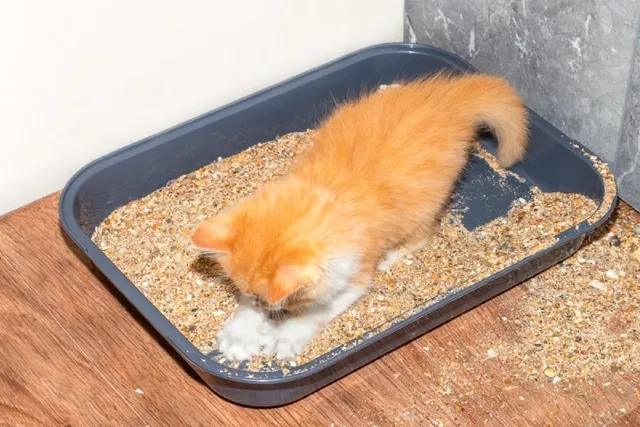
Kittens are still learning the ropes, and one of the things they need to learn is how to properly bury their poop. Your young kitten might not be playing with poop intentionally. They might be unsuccessfully attempting to bury it.
Alternatively, they might see the poop as a toy and play with it in the same way they would a stuffed mouse. As well as being more likely to play with poop, kittens are also more likely to accidentally stand in it and smear it around outside the litter tray. They may also sit in it and get it stuck in their fur, carry it outside the tray, and then play with it.
Don’t tell your kitten off for playing with the poop but continue with litter training and praising them when they do things properly. It does take time for kittens to learn how to appropriately bury their poop.

2. They’re Bored
Even some adult cats will play with their poop like it’s a toy. This is most common in cats that are bored because they don’t have enough toys or aren’t getting the kind of interaction they require from their humans or other feline members of the household.
Buy extra toys and spend time engaging with your cat by playing with interactive toys. The more playtime your cat gets, the less likely they will be bored.
3. The Litter Tray Is Dirty
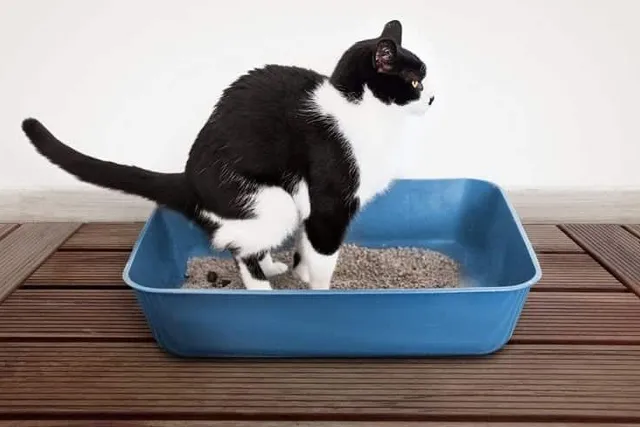
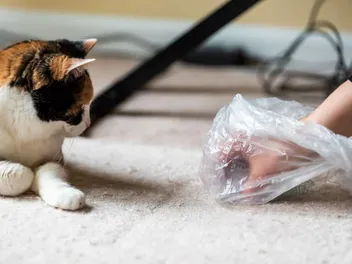
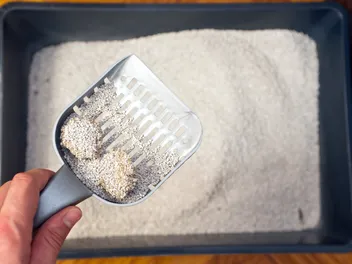
Cats are clean animals and they expect you to play your part in keeping their habitat clean. This means cleaning out the litter tray. Pick up solids whenever you see them and scoop clumped wet litter every day. You should also give the tray a thorough clean every week or so to get rid of any crusted litter or litter contents.
As well as ensuring that your cat has somewhere clean to do its business, clearing up the poop means that your cat will have less to play with.

4. The Litter Tray Isn’t Right
Cats can be quite finicky little animals. They need everything just right to ensure they are content and less likely to make a mess. Everything from the type of litter tray you choose to the litter inside will determine whether your cat is happy with its toilet arrangement.
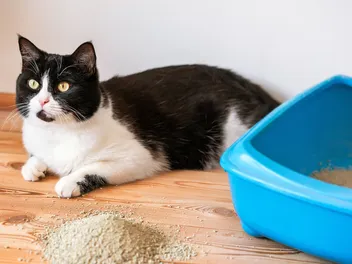
Ensure the litter tray is large enough for your cat. It should be one and a half times the length of your cat. Choose a litter that your cat likes, and try a different litter if you’re struggling. There are many types of cat litter and some cats do have preferences regarding the type they use.
5. It’s in the Wrong Position
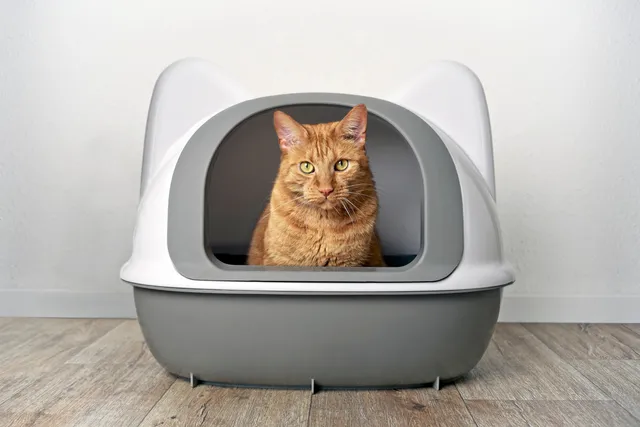
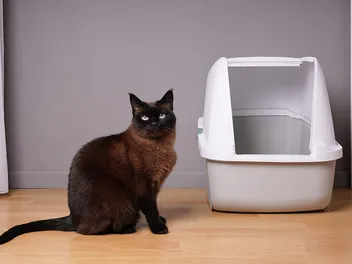
You will need one litter tray per cat, plus one extra, and the litter trays need to be placed in suitable positions to ensure your cats use them and use them appropriately. Litter trays should be in quiet areas and ideally have at least one side against a wall so your cat won’t feel exposed. If you have dogs, you may want to consider a covered litter tray in a spot where the dog can’t reach.
Try moving your litter trays to different positions, but always allow your cat free and easy access to the trays to prevent accidents outside the box.

6. They Like the Smell
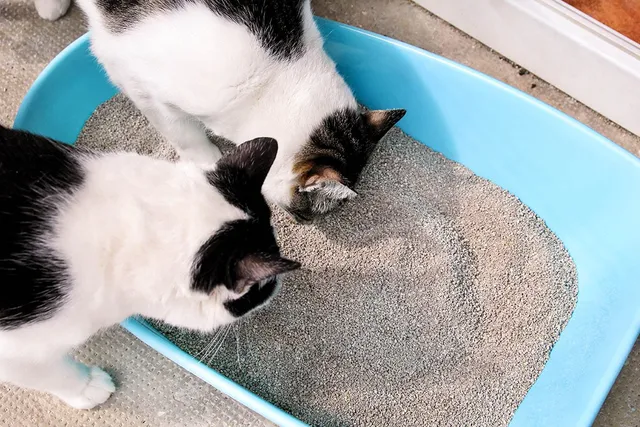
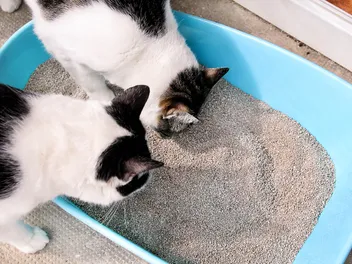
To us, cat poop can smell disgusting, but to cats, it can smell pleasant! Your cat may be playing with its poop because it likes the smell. Your cat might be able to smell some protein or other nutrients and is playing with the poop as a way to investigate what’s in there.
If your cat likes the smell of poop, you can expect some investigation. Sniffing the poop is fine, but you shouldn’t encourage your cat to play with feces.
Cat Litter Requirements
Cats need somewhere safe and clean to pee and poop. Even those who get to spend time outdoors need indoor litter trays. Buy one per cat plus one extra tray, and try to put them in different positions around the house. Avoid putting them in areas where there is a lot of traffic but place them somewhere your cat has ongoing access to.
Choose a litter that effectively covers urine and feces but that is easy to scoop and clean. If your cat is reluctant to get in the tray in the first place, it could be a sign that it doesn’t like the feel of the litter you’re using and you might need to try something softer like a recycled paper cat litter.
Clean the tray regularly by scooping poop whenever you see it and getting rid of urine and clumped litter daily. You should also give the trays a thorough clean once a week, so they are fresh and appealing for your cat.

Why Does My Cat Fling Poop Out of the Litter Box?
Some cats experience “zoomies” when they poop, especially if passing a large poop. This is because the distension caused by passing the poop triggers the vagus nerve. This causes a temporary drop in heart rate, blood pressure, and blood to the brain. Lightheadedness caused by these changes can result in your cat showing mild signs of hyperactivity.
Why Does My Cat Go Crazy When They Poop?
Some cats experience “zoomies” when they poop, especially if passing a large poop. This is because the distension caused by passing the poop triggers the vagus nerve. This causes a drop in heart rate, blood pressure, and blood to the brain. Lightheadedness caused by these changes can result in your cat showing mild signs of hyperactivity.

Conclusion
Cats are curious animals that have some habits that seem odd to us humans. Most are clean and tidy animals that will quickly and iniably use litter trays. Kittens might play with their poop while they learn how to properly cover it up while adult cats might be playing with stools because of a dirty tray, inappropriate litter choice, or because it doesn’t approve of the litter tray itself.
Some cats play with their poop because they like the smell of it. Consider your litter box setup and make changes first before moving on to other possible causes.
Sources
Featured Image Credit: Sukpaiboonwat, Shutterstock
Expert cat care, straight to your inbox
News, insights, and useful advice, delivered to you.

No spam — unsubscribe anytime.
By signing up, you agree to our Terms & Conditions and Privacy & Cookies Policy.
How useful was this post?
Click a star to rate. You can leave written feedback afterwards. (We read all feedback.)
Nicole is a lover of all animals, especially of the feline variety. She's mom to four, three fur babies and a human baby. She and her husband, John, live on a large forest property down in New Zealand.
Their beautiful Burmese cat Baby (who is now 17 years old) was their first child, though he is now called Baby Cat since their human baby joined the party in 2022. The dogs Rosa and Mac also love cats, but the whole family agrees that King Baby Cat is enough cat for this household.
Nicole is the Director of Content Management at Catster and Pangolia. With a Bachelor's degree in Education and years of online experience, she shares her pet knowledge and the knowledge of other professionals with the world, aiming to improve pets and pet parents' lives.