How to Tell if a Cat Is Microchipped: 4 Vet Approved Signs to Look For


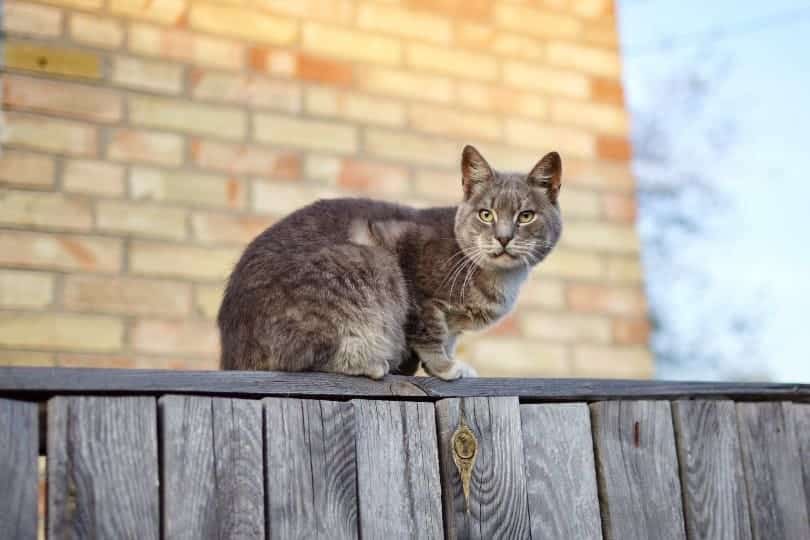
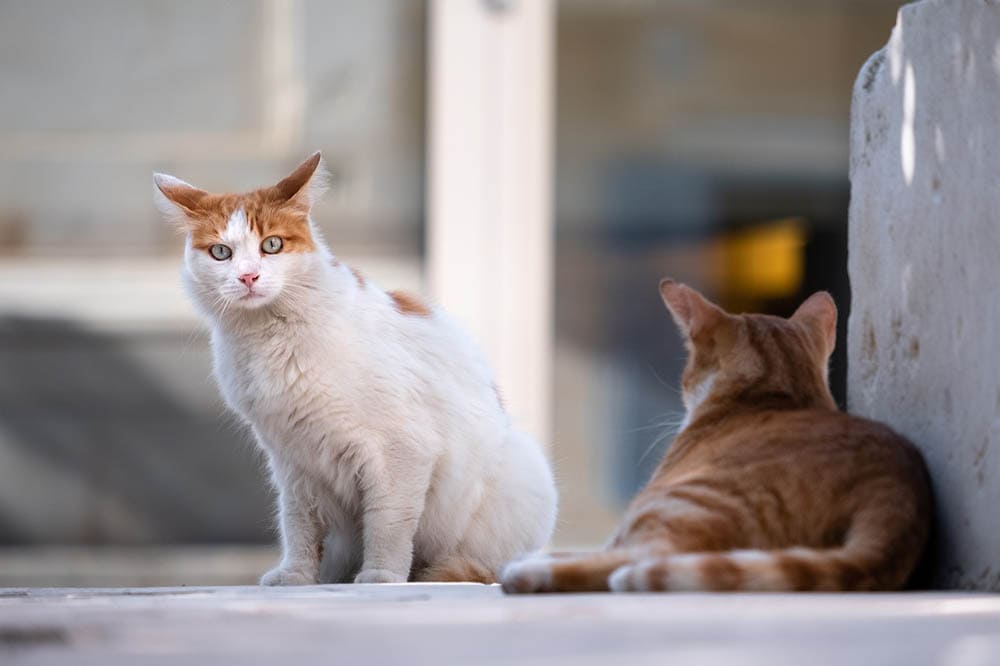
If you find a stray cat with no obvious identification, finding the owner can be challenging. Feral cats typically stay away from people and do not like being handled. Therefore, if a cat approaches you, then it likely isn’t feral. However, without a collar or ID tag, figuring out where the cat belongs can be challenging (or downright impossible).
Luckily, there is another form of identification that is becoming more and more popular: microchipping. You can get your cat microchipped for only a few dollars. With this form of identification, the odds of your cat getting back to you are much higher.
However, scanning for a microchip often isn’t possible for the average citizen. Therefore, this ID method can make things a bit more complicated. If you’ve found a stray cat, you may be able to tell if they are microchipped. Here are the steps you should take.

To Begin, Contain the Cat
Before you can determine if the cat is microchipped or not, you have to contain the feline. The easiest option is to simply pick up the cat, assuming it is friendly and comfortable enough to let you. Of course, you don’t want to injure yourself or the cat, so only do this if the feline seems relatively comfortable with being held.
If you have pets of your own, be sure to separate the stray cat from your pets. You don’t know if the cat has had its vaccinations or gets along with other pets.
Confine the cat in a small area in your home, such as a bathroom or spare bedroom. A laundry room also works well (assuming that you don’t need the washer or dryer for the moment).
Check for Other Identification
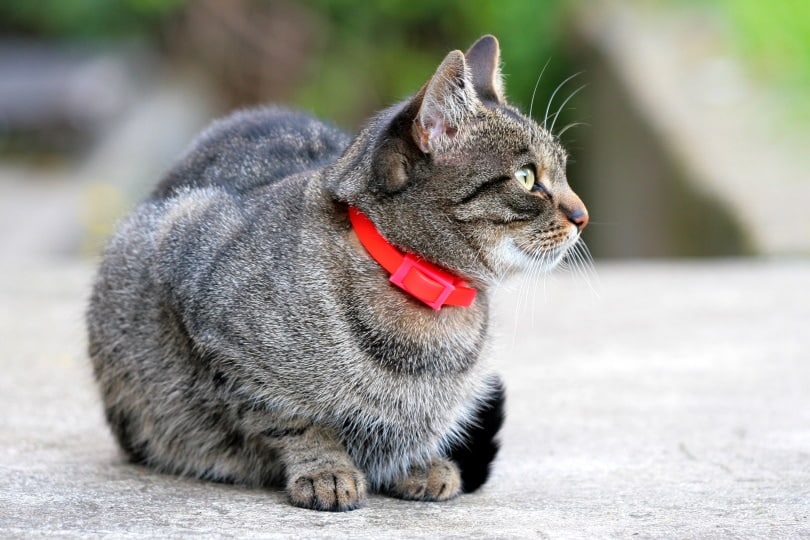
Next, you’ll need to check for all identification. While microchipping is becoming more common, it is generally easier if the cat has a tag or something of that sort. If the cat is wearing a collar, the identifying information may be on a tag attached to the collar.
However, some collars have plates that don’t hang down with contact information for the owner. Therefore, be sure to look at the whole collar closely to spot any potential identifying information.
The 4 Signs to Tell if a Cat Is Microchipped
1. Feel for a Microchip
If the cat is friendly, you may be able to feel for a microchip. You can’t always feel one, though, and it is easy to think you feel a microchip when there really isn’t one. Therefore, this isn’t a foolproof method.
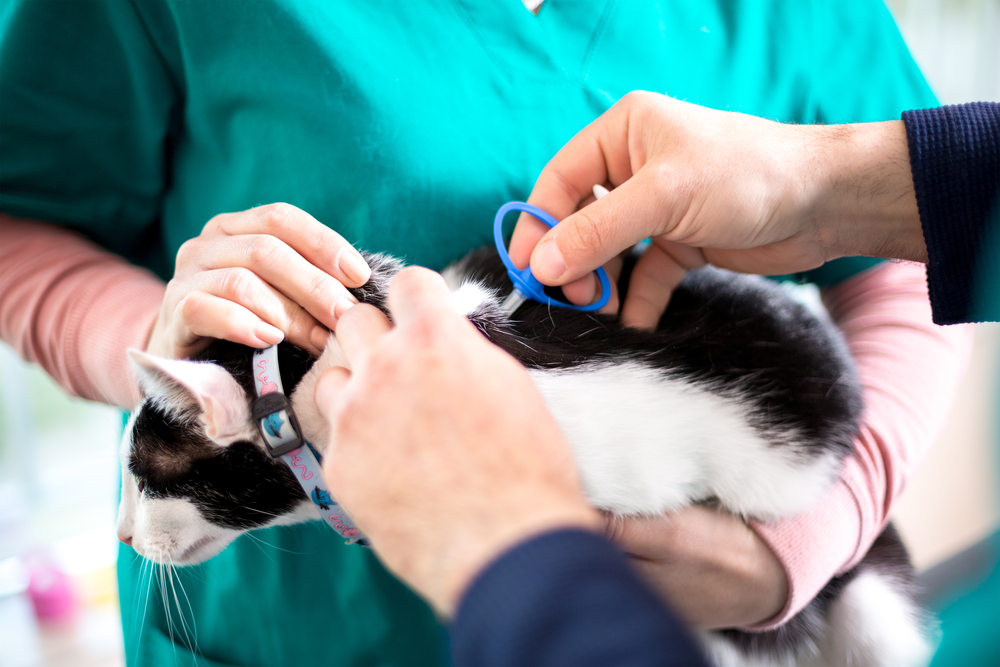
It is easier to feel microchips on skinnier cats, as extra fat can get in the way. You’ll be feeling for a hard object about the size of a piece of rice between the cat’s shoulder blades. Often, you can feel for the microchip while petting the cat. Simply pinch the pieces of the cat’s skin around their shoulder blades and rub your fingers together—a bit like a massage.
If you feel what seems to be a piece of uncooked rice, it is likely a microchip. However, microchips can migrate, and complications during placement can cause them to be placed elsewhere. Therefore, if you don’t feel anything, that doesn’t necessarily mean the cat isn’t microchipped.
Furthermore, some cats will be fearful of attention and may not allow you to feel for a microchip. In these cases, it may not be safe for you to feel for one.

2. Scan the Cat for a Microchip
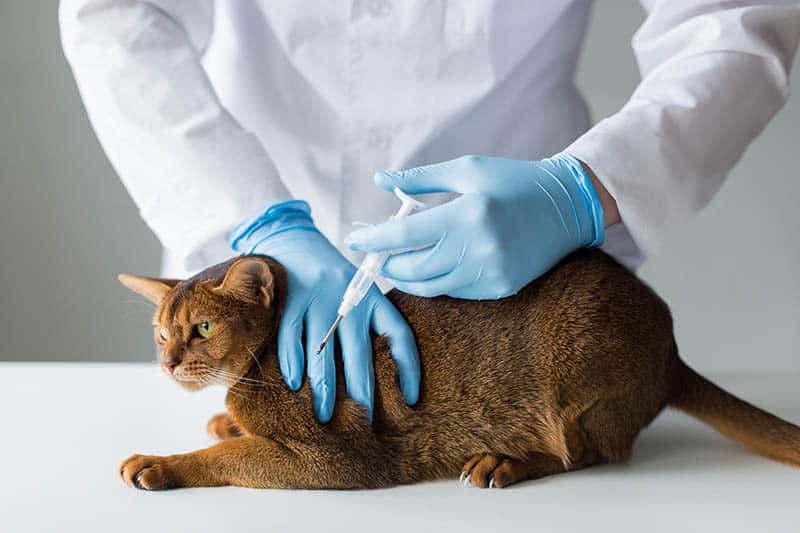
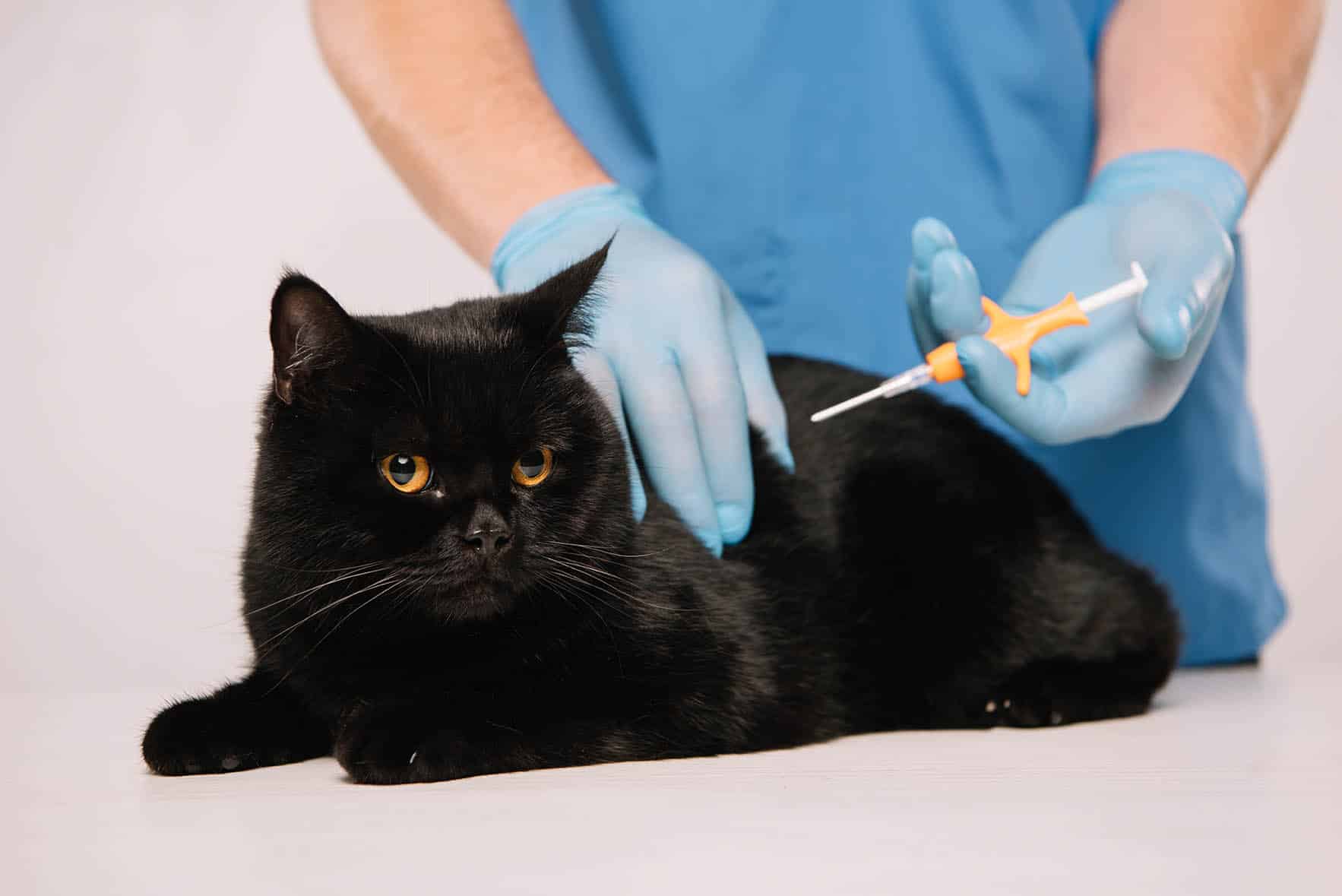
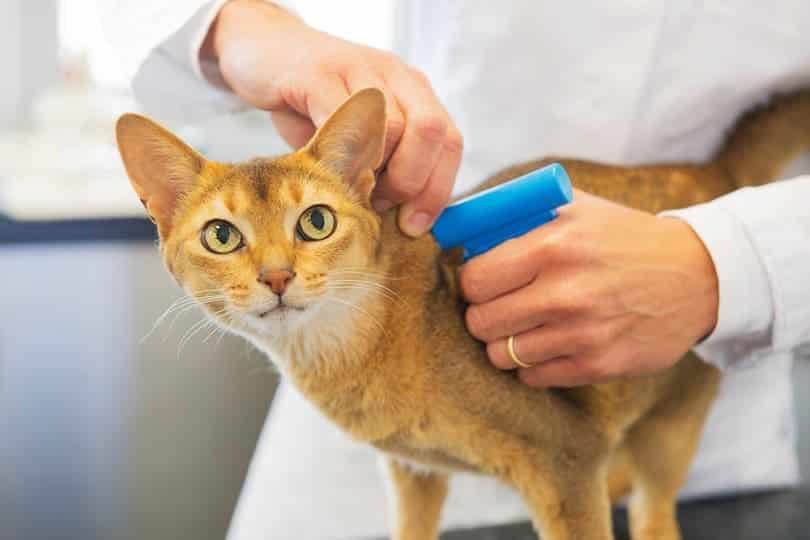
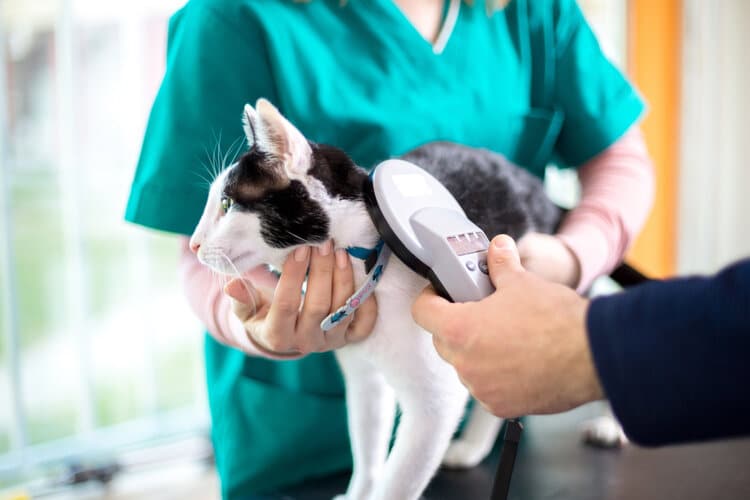
The only sure way to check for a chip is to visit somewhere with a microchip scanner to get the chip scanned. There is no simple way to do this at home unless you own a microchip scanner. Usually, veterinary clinics and animal shelters will have scanners and will often scan cats for free. You don’t necessarily have to hand the stray cat over to them to get it scanned.
Plus, you often don’t need an appointment, either. Many rescues will perform the scan on-site free of charge and then return the cat to you (if that’s what you wish).
If the scanner detects a microchip, the rescue or vet can contact the owner.
3. Purchase a Microchip Scanner
If you wish, you can also purchase a microchip scanner for your home. If you commonly come across stray animals, this may make sense. These scanners are not terribly expensive, though some of them can be. You can usually find an at-home reader for $50.
If the cat has a microchip, the scanner should read it and provide you with a code. This numerical code should be linked to the owner’s information online. However, you will have to search it online to find the owner’s information. Because different chips can be registered to different companies, this is where things get a bit complicated.

4. Look Up the Owner’s Information
Now that you have a code, you’ll need to look up the owner’s information to contact them. First, go to https://www.aaha.org/petmicrochiplookup and type in the code to determine what company the chip is registered to. There are tons of companies out there, but this website should tell you which one the chip belongs to.
Next, you’ll need to go to that company’s registry and look up the code again. This time, the contact information linked to the microchip should be provided.
In a perfect world, this information should link you directly to the owner. However, many owners forget to update their information. Therefore, you may only get the owner’s name and an outdated phone number. Sometimes, an address is provided, which tends to change much less often than a phone number.
You may need to do some internet sleuthing to find the owner’s current contact information.
Conclusion
Most people are not capable of scanning for microchips in their homes. At-home microchip scanners are available, but most people do not have these ready to go. Therefore, you’ll likely need to visit a vet or animal rescue to have the pet scanned.
While most rescues and vets provide this service for free, you should call ahead and ask before you head over there. Not all vets will have one of these scanners, after all.
Once the microchip is located and scanned, the owner’s contact information should be looked up online. Luckily, this isn’t terribly difficult, though it does require visiting a few different websites. If you live in a location that sees a lot of strays, you may want to purchase a scanner to have handy.
See Also:
Featured Image Credit: Lucky Business, Shutterstock

Expert cat care, straight to your inbox
Vet-reviewed advice, behavior tips, and the best of Catster. Free, and you can unsubscribe anytime.
By signing up, you agree to our Terms & Conditions and Privacy & Cookies Policy.
Kristin is passionate about helping pet parents create a fulfilling life with their pets by informing them on the latest scientific research and helping them choose the best products for their pets. She currently resides in Tennessee with four dogs, three cats, two fish, and a lizard, though she has dreams of owning chickens one-day!
Join the conversation
Ask a question, share your story, or send private feedback.