How Do I Find a Lost Cat with a Microchip? Vet-Verified Facts & Safety Tips


In this article
Losing your cat is a situation no one wants to go through. You might have lived with the cat for years, and losing them can affect you emotionally. Since cats are territorial, their disappearance could mean that they are trapped, injured, or even deceased in their territory.
There are also chances that your cat may have been moved out of your area. Regardless of the reason, the most important thing is to know how to track them and get them back.
Many pet owners have their cats or dogs microchipped. With a microchip, it's easy for the person who finds the cat to contact the owner. Before looking at how you can find a cat with a microchip, let's look at how a microchip in a cat works.

How Microchipping Works In Your Cat
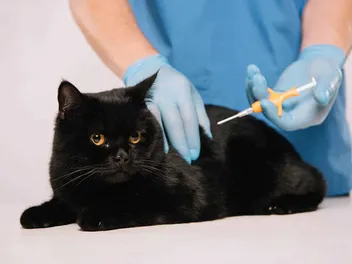
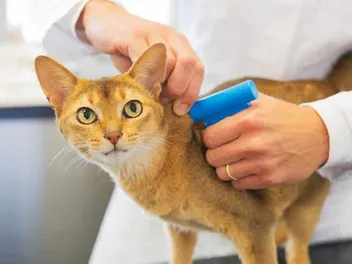
A cat microchip is a small, electronic chip implanted under your pet's skin. Implanting the microchip is painless, and there is no need to fear for your lovely cat. A unique ID number is given to your cat to give it an official status. This number is linked to the owner’s details to certify that you are responsible for them.
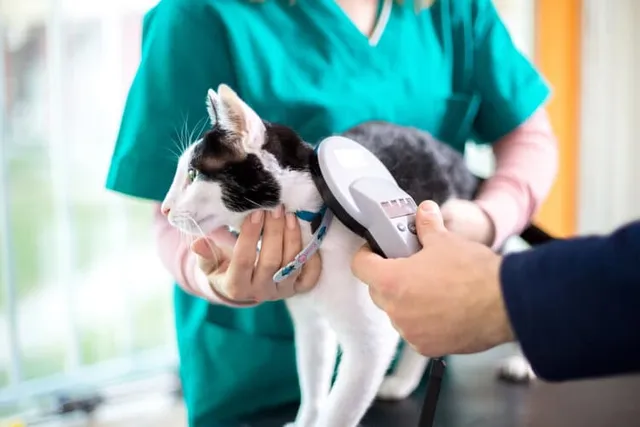
If there is a dispute or someone wants to adopt your cat without your consent, it cannot happen. The identification number also helps to find your details if your cat gets lost. When your cat is found, the animal wardens or vets identify the cat and read the details in the microchip. From there, they contact you that your cat has been found. So, if your cat is microchipped, it will be easy to find them.


How to Locate Your Cat with a Microchip
A microchip is a valuable tool for reuniting with your cat if they go missing. Each microchip has a unique ID number linked to a database that contains your contact information. To ensure the microchip works effectively, make sure your contact details in the database are up-to-date, remember to update them if you change your address or your phone number.
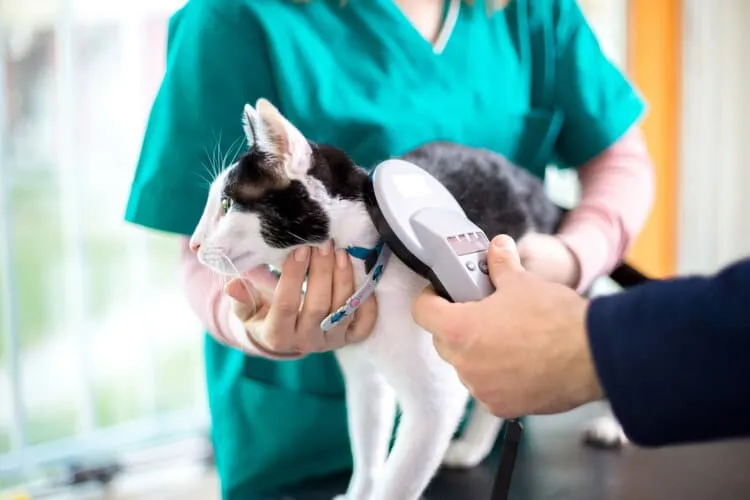
When a lost cat is found and their microchip is scanned, its unique ID number allows veterinarians, shelters, or animal control officers to access the database and contact the registered owner. This is why it’s crucial to register the microchip when it’s implanted and keep your details current.
There are two ways you can locate your cat with a microchip. One is making sure your cat has a microchip and the information in the database is accurate and current, while the other is implanting a brand new microchip and registering your cat.
Finding the Cat with Its Microchip
- Check Your Cat's Chip Serial Number: Enter your cat's microchip identification number into the chip registry, and ensure that your cat's microchip is listed. The chip manufacturer can have a registry, or you can register in the universal registry. There are different universal tracking sites that you can use, but make sure you select the best. If you lose the number, you can call the cat clinic that implanted the chip to find out if they have the record.
- Wait for a Call When Your Cat is Found: If someone finds your cat and takes them to a shelter or veterinary clinic, the staff will scan the chip to retrieve the ID number. They will then use the database to find your contact information and reach out to you. Keeping your contact information up to date in the registry is essential for this process to work.
Microchipping and Registering Your Cat
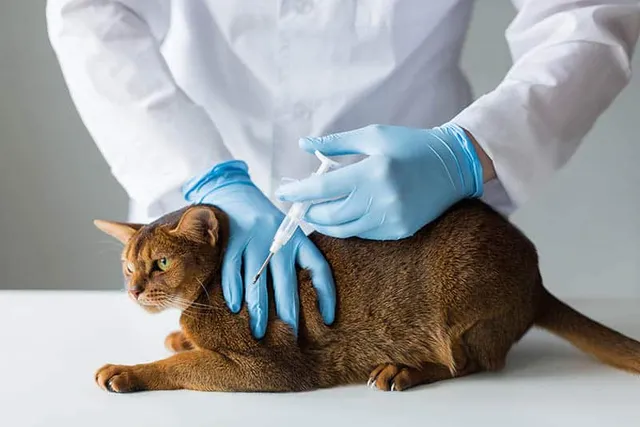
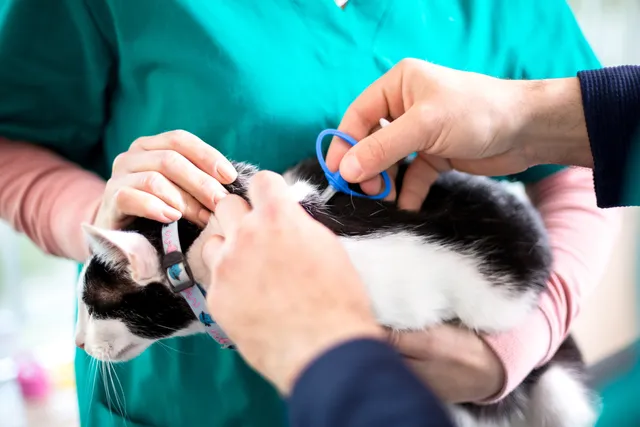
- Microchip Your Cat: Consult your vet to install a microchip during the routine office visit. It's easy to insert using a needle, and no anesthesia is required. The chip is inserted between your cat's shoulder blades. It should also be implanted where a scanner can detect it.
- Get an Activation ID: After insertion, your vet gives you the microchip ID number to allow you to register the chip. The vet should provide you with the activation code. You also get a phone number to call to complete the registration. You can always ask your vet if you forget any of the information provided. Never leave your vet's office before getting the ID since it is the most crucial information needed when your cat gets lost.
- Register the Microchip: Your chip will never help until you register it. If you don't complete the registration, no details will appear when the microchip is scanned. Some of the information needed during the registration includes contact information, the microchip number, and pet details, such as color, age, breed, and gender. Note that you should register your cat's chip with the microchip manufacturer. You can do the registration online. Some registries also require you to give your cat's health details, such as surgeries and vaccinations.
- Update Your Contact Details: The microchip will only work if your contact details are updated. Otherwise, shelters or vets will have no way to locate you when your cat is found. To modify the details, you should contact the chip manufacturer and give them the new details. Provide them with your chip ID and details that need to be changed. You should only update the details if your contact details change or the cat changes ownership. You can do the update online.
Things to Remember
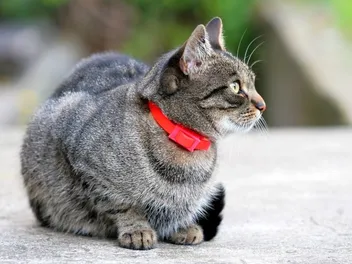
You cannot track a cat with its microchip because it doesn't work as a GPS tracker. The purpose of microchips is to give immediate numerical identification of your cat. Although the chips cannot be used to track your cat, they can help someone identify the pet.
Even if the cat is an indoor pet, a microchip is still a good idea if the cat decides to escape.
How to Prevent Your Cat from Getting Lost
Losing a cat can be such an awful experience. Even if you can locate the cat with a microchip, applying the best practices to prevent them from getting lost is also advisable. Here are a few tips to help.
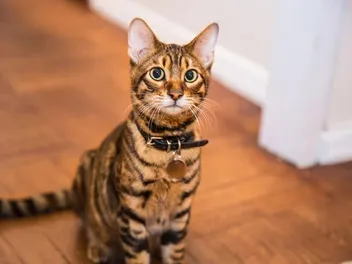
- Always keep the cat on a leash when taking a walk. Ensure they have identification tags.
- Supervise the cat when outside.
- Neuter or spay your cat to minimize the urge to escape.
- Build a catio so they can safely enjoy the outdoors.

Conclusion
Locating a lost cat with a microchip is easy, but you only get them back if the person who finds them can read the microchip and retrieve your contact details. However, it is necessary to ensure that your cat has a chip since it makes the process of finding them easy for you. As mentioned, the most crucial aspect is to ensure you provide the correct contact information to get notified when your lost cat is found.
Featured Image Credit: IRINA ORLOVA, Shutterstock

Expert cat care, straight to your inbox
Vet-reviewed advice, behavior tips, and the best of Catster. Free, and you can unsubscribe anytime.
By signing up, you agree to our Terms & Conditions and Privacy & Cookies Policy.
Christian started writing for a local newspaper as a teenager, and he's been involved in the publishing industry for most of his adult life. Combining his love of writing with a passion for animals, he is currently the Director of Editorial at Pangolia and the Editor-in-Chief at Catster.
Christian lives in the Philippines with his wife, son, and four rescue cats: Trixie, Chloe, Sparky, and Chopper.
Join the conversation
Ask a question, share your story, or send private feedback.