Is My Cat Deaf? 6 Vet Approved Ways to Tell


If you’ve been asking yourself, “Is my cat deaf or ignoring me?”, you’ve probably noticed changes in your cat’s behavior. Maybe they are not responding to your voice like they used to, or perhaps they seem oblivious to the vacuum cleaner that used to scare them. Either way, we’re here to help!
Cats can develop deafness due to old age, illness, or injury. Here, we go over a few ways to tell if your cat is deaf or if they’re just not listening to you. If the former turns out to be the case, there's also information regarding how to care for a deaf cat.

The 6 Ways to Tell If Your Cat is Deaf
1. Check Their Responsiveness to Everyday Noises
One way to tell if your cat is deaf is to see how they respond to everyday noises. A deaf cat will stop responding to sounds, like their name being called, you returning to the house after work, or the sound of a can of cat food being opened. Keep a close eye on your cat for a couple of days to see how they respond to noises they are used to hearing.
If your cat usually comes running when they hear you enter the house, they may have a hearing problem if they don’t respond to you coming home. You know your cat better than anyone, so pay close attention to see how your little friend reacts to common sounds.
If your cat is showing these signs, we suggest you speak to a vet.
2. Check How Skittish They Are
As you probably know, cats are very attuned to noises and are animals that are skittish by nature. You’ve probably seen your cat react to noises like a loud car passing by or a thunderstorm that caused them to jump and run away.
If your cat doesn’t react by jumping or acting startled when you clap your hands loudly behind their back, they may be losing their hearing or be completely deaf. One thing to know about this method is that cats also respond to vibrations, even if they’re deaf, so this method isn’t 100% reliable.
3. Take Note of How Loudly Your Cat Vocalizes
A good way to tell if your cat is deaf is to pay attention to how loudly they vocalize. If your cat has always been vocal, you may not notice much difference. However, if your cat isn’t usually a "talker," and they begin meowing more often and it becomes louder and louder over time, they may be finding it difficult to moderate the volume of the noise they make. A deaf cat is unable to hear themselves, so pay close attention to how loud your cat meows!

4. Monitor Their Sleeping Time
Cats typically sleep for about 15 hours a day. If your cat isn’t hearing the usual household noises that would typically disturb their rest, they may spend much more time sleeping simply because they are understimulated.
An unstimulated cat will become bored easily and sleep more. Pay close attention to how long your cat is slumbering. If they spend much longer than 15 hours sleeping and seem to be in a deep sleep most of the time, they may be losing their hearing or be completely deaf.
5. Watch Their Behavior Regarding Ear Scratching and Head Shaking
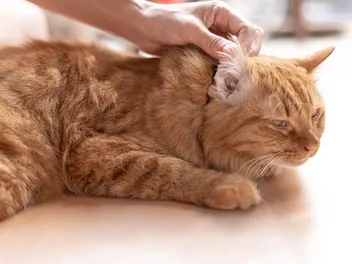
If your cat is losing their hearing, they may start scratching at their ears and shaking their head. If you notice this behavior, your fur baby may be confused by their inability to hear sounds. They may shake their head and scratch at their ears in an attempt to restore their hearing.
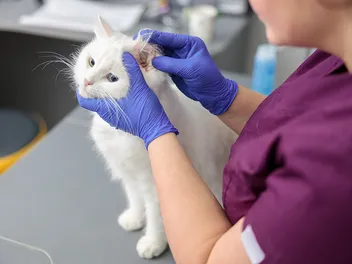
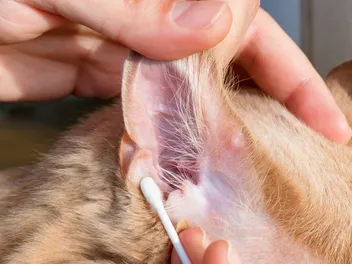
An ear infection with pus, blood, or excessive wax can also cause hearing loss and prompt your cat to try to clear their ears by scratching and shaking their head. Peek inside their ears using a flashlight and magnifying glass to check. An ear full of pus, bloody discharge, or excessive wax will also smell bad, so pay attention to any foul odors coming from your cat’s ears!

6. Observe Their Behavior When Around You
If your cat seems more needy and clingy when they're around you, this could be a sign that they feel insecure due to hearing loss or deafness. A cat that gradually goes deaf will generally become less confident as their hearing diminishes.
You may notice that your cat wants to jump into your lap every time you sit down. They may also follow you around more than usual and meow loudly to get your attention.
When you’re wondering, “Is my cat deaf or ignoring me?”, pay close attention to their behavior to determine if they have a hearing problem. With a little perseverance and observation, you should be able to tell if your cat is deaf or suffering from gradual hearing loss.
Why Do Cats Go Deaf?
Deafness in cats may be present at birth (congenital) or acquired as a result of:
Caring for a Deaf Cat
If you discover that your cat is deaf, you should know that most deaf cats can adapt and maintain a good quality of life. There are a few things that you can do to help your cat adapt to their deafness, such as the following:
- Don’t startle your cat: Always approach your cat with heavy footsteps to make sure they know you’re coming close.
- Keep them indoors: A deaf cat that’s outside can’t hear danger signals like vehicles and other animals. This is why you should keep your cat inside so they are safe. If you insist on taking your deaf cat outdoors, use a cat harness and leash to play it safe!
- Teach them a signal so they come to you: To get your cat to come to you, teach them a simple signal like a two-handed wave or the flashing of a flashlight. When teaching your cat the new signal, be consistent, and make sure your signal is always distinct. Sooner or later, they’ll learn what that signal means and come running whenever they see it, so be persistent.
- Get them vet-checked: Whenever you’re concerned that your cat can’t hear properly, you should take them to the vet for a check-up. Your vet will determine if they are deaf, losing their hearing, or simply being stubborn.

Final Thoughts
While it may be frightening to discover that your cat is losing their hearing or is deaf, know that they can adjust to their hearing loss and live a healthy and happy life. Keep a keen eye on your feline friend and follow these tips to determine if your cat is deaf.
It’s always advisable to contact your vet for an appointment if you suspect your cat has a hearing problem to ensure your cat gets the medical care they deserve.
Featured Image Credit: TRAPHITHO, Pixabay
Expert cat care, straight to your inbox
News, insights, and useful advice, delivered to you.

No spam — unsubscribe anytime.
By signing up, you agree to our Terms & Conditions and Privacy & Cookies Policy.
How useful was this post?
Click a star to rate. You can leave written feedback afterwards. (We read all feedback.)
Christian started writing for a local newspaper as a teenager, and he's been involved in the publishing industry for most of his adult life. Combining his love of writing with a passion for animals, he is currently the Director of Editorial at Pangolia and the Editor-in-Chief at Catster.
Christian lives in the Philippines with his wife, son, and four rescue cats: Trixie, Chloe, Sparky, and Chopper.