Your Cat Keeps Vomiting After Eating: The 8 Possible Reasons


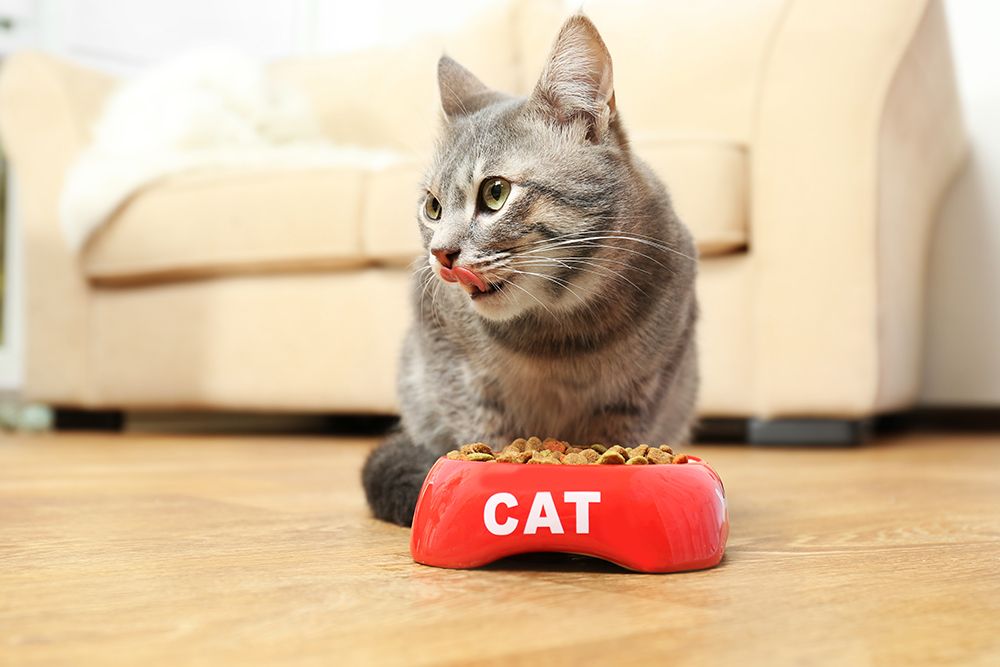
Cats vomit. It's one of the less glamorous facts of life with a feline, and most cat owners have cleaned up more than their fair share of it. But when it's happening consistently after meals, it stops feeling like a quirk and starts feeling like a problem worth actually understanding.
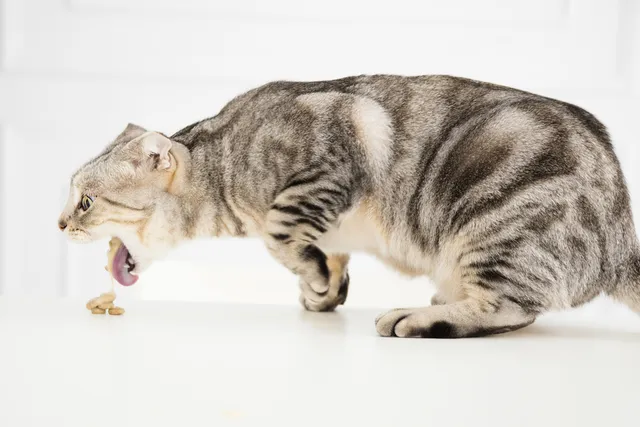
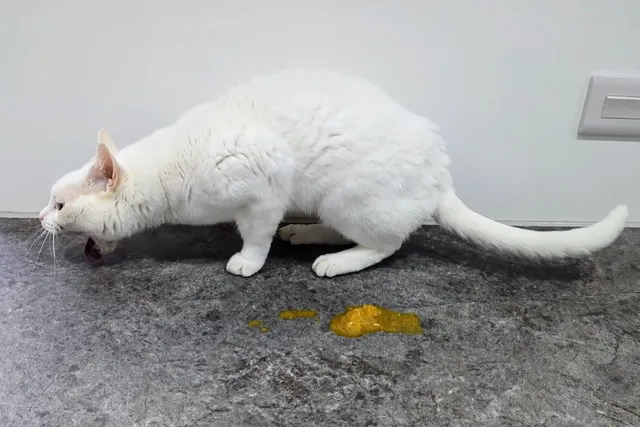
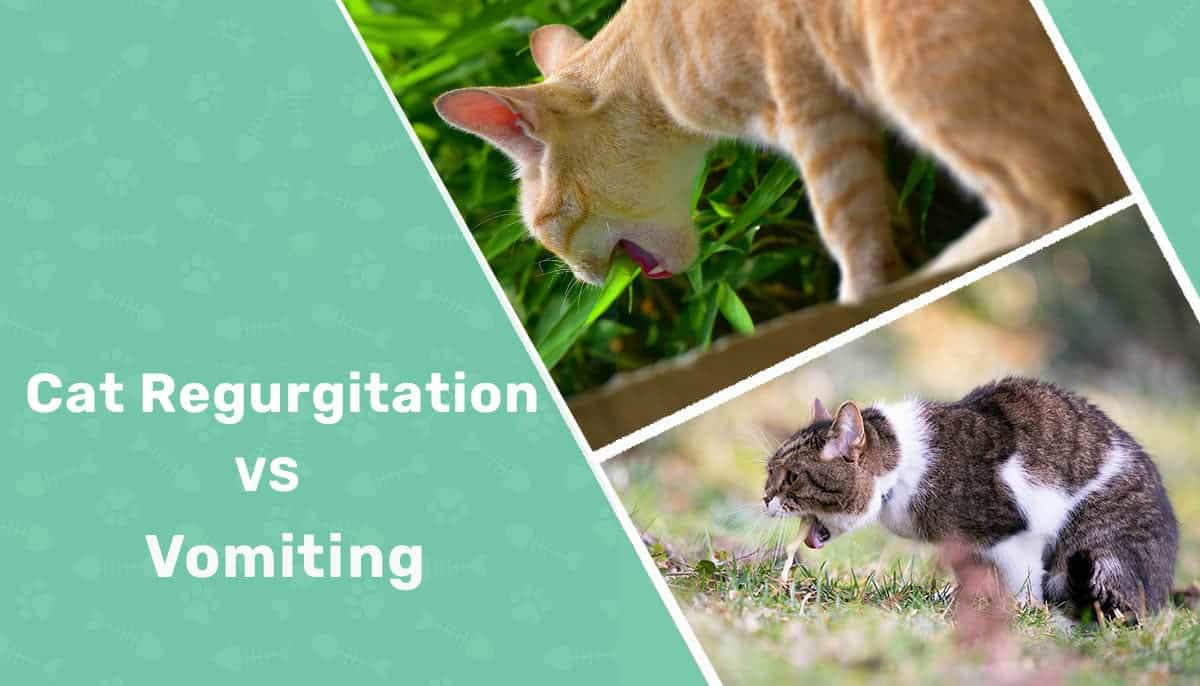
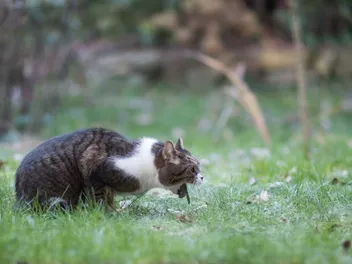
Before assuming the worst, it helps to know that vomiting is what's called a non-specific sign, meaning it can be caused by a long list of things ranging from completely harmless to genuinely serious. It's also worth knowing that vomiting can look similar to regurgitation and coughing, which have different causes entirely. True vomiting involves abdominal contractions and brings up stomach contents. If you're unsure what you're seeing, a video to show your vet is worth more than a description.
Here are the eight most common reasons a cat throws up after eating, what you can do about each one, and when to worry.

The 8 Reasons Your Cat Keeps Vomiting After Eating
1. Eating too fast
This is the most common culprit and the easiest to fix. Cats that wolf down their food also swallow air, and the combination of speed and air can trigger vomiting shortly after the bowl is empty. The fix is slowing them down: smaller, more frequent meals help, as does a slow-feeder bowl designed to make cats work a little harder for each bite.
- Catster Recommends: Best Slow Feed Cat Bowls: Reviews & Top Picks

2. Eating too much
Closely related to eating too fast, but the mechanism is slightly different. A cat that eats beyond what their stomach can comfortably hold will simply bring the excess back up. This is especially common in multi-cat households, where one cat eats competitively out of anxiety that the other will take their food. Separate feeding stations and portion control are the straightforward solutions here.
3. Food intolerance or allergy
Cats can react poorly to certain ingredients, most often a specific protein like chicken or beef, though additives and preservatives in some dry foods can also be a factor. If the vomiting started around the time of a diet change, or if your cat got into something they shouldn't have, this is worth considering. Switching foods isn't always straightforward, though. There are many options, including gastrointestinal and hypoallergenic diets, and a vet can help you navigate which direction makes sense rather than guessing through trial and error.

4. Hairballs
More than a few hairballs per month is considered on the higher end and can contribute to regular vomiting. A poor grooming routine or some underlying stomach issue is often behind frequent hairball problems, rather than hairballs being the root cause in themselves. Regular brushing reduces the amount of hair swallowed, and hairball-reduction diets can help things pass more smoothly. If it's a recurring issue, a vet should take a look.
5. Stress
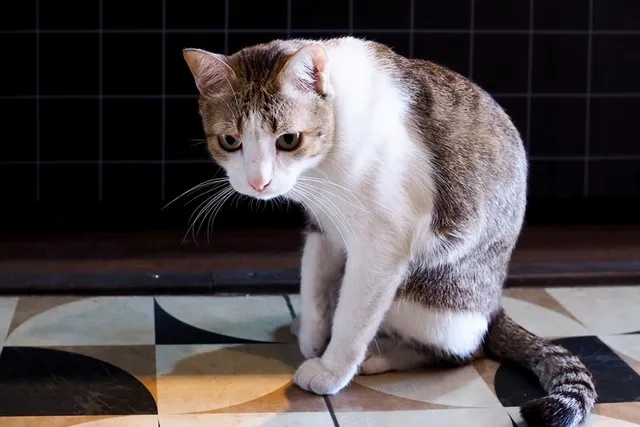
Stress has well-documented effects on the digestive system in both cats and people, reducing blood supply to the stomach and disrupting normal function. Cats are surprisingly sensitive to changes in their environment. Moving house, a new pet, a new baby, even a moved litter box or a missed feeding time can be enough to cause stress-related vomiting in some cats. If the vomiting coincides with a change in routine or environment, stress is a reasonable suspect. Identifying and eliminating the trigger, where possible, is the first step, though cats with more persistent anxiety may benefit from medication.
6. Stomach conditions
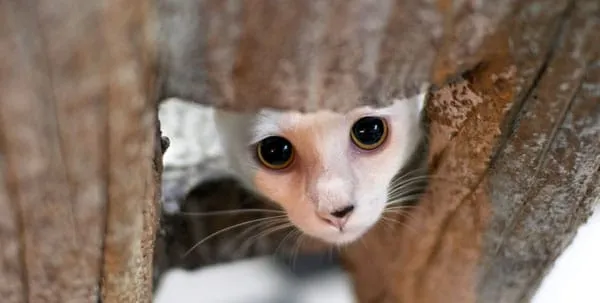
Inflammatory bowel disease, gastritis, bacterial infections, and stomach parasites can all cause vomiting, typically alongside other signs like diarrhea, constipation, or frequent trips to the litter box. These need a proper vet workup to diagnose, rather than anything you can reasonably assess at home.
7. Gastrointestinal blockage
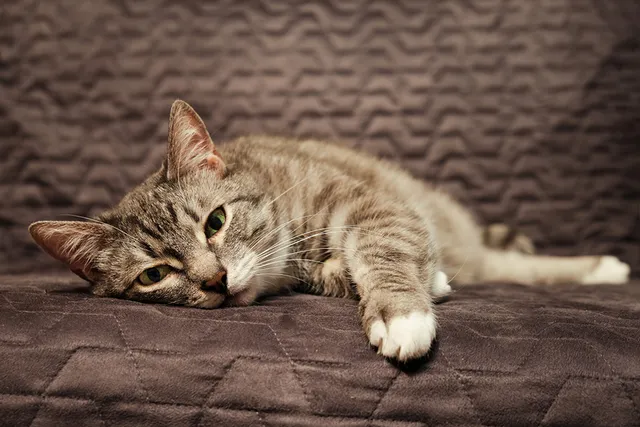
If a cat swallows a toy, a piece of string, or another small object, it can lodge in the stomach or intestine and prevent digestion from progressing normally. Vomiting is one sign, but others include loss of appetite, passing small or loose stools, abdominal pain, and lethargy. This one is an emergency. If you suspect a blockage, the vet visit shouldn't wait.
8. Metabolic disease
Kidney disease, liver disease, and an overactive thyroid are all common in cats and can all cause nausea and vomiting. These conditions typically come with other signs too: weight loss, increased thirst, appetite changes, behavioral shifts, or lethargy. A blood panel at the vet can identify whether something is off with your cat's organ function.

When to Stop Waiting and Make the Appointment
A one-off vomiting episode after a big meal is usually nothing to worry about. But if it's happening regularly, if your cat seems unwell in other ways, or if the vomiting persists for more than 48 hours, it's time to call the vet. The same goes for any of the more serious signs listed above, particularly anything that looks like a potential blockage.
Most of the time, cat vomiting after meals has a straightforward explanation and a manageable fix. The tricky part is figuring out which one applies to your cat, and sometimes that does require some professional help to sort out.
Feature Image Credit: Africa Studio, Shutterstock
Did You Know?
- Our brand-new posts are rounded up and included in our weekly emails. Don't miss out on the latest - sign up for our newsletter below!
Expert cat care, straight to your inbox
News, insights, and useful advice, delivered to you.

No spam — unsubscribe anytime.
By signing up, you agree to our Terms & Conditions and Privacy & Cookies Policy.
How useful was this post?
Click a star to rate. You can leave written feedback afterwards. (We read all feedback.)
Dan has been working in the pet world for over 4 years covering cats, dogs, and all other pets in between. He loves helping pet parents keep their companions happy, healthy, and of course, totally spoiled! Originally from London, Dan now travels and works remotely, which unfortunately means no pets at home, but it gives him plenty of opportunities to fuss over other people's furry friends.