Why Do Cats Poop When They Are Scared? Cat Behavior Explained


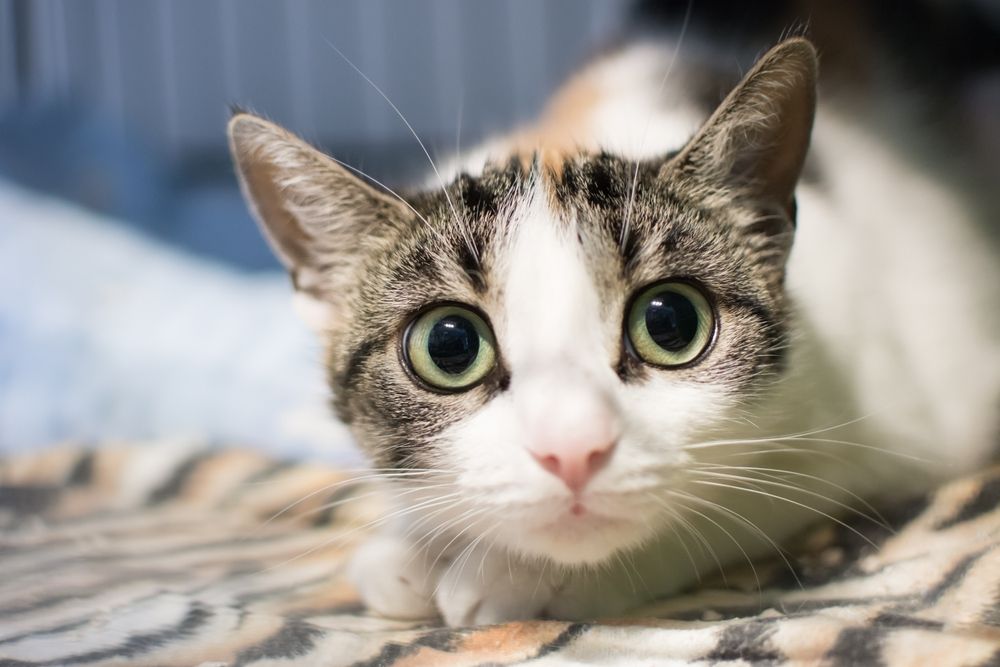
Fight and flight are the two well-known responses to fear. It turns out, however, that it’s a lot more complicated than that! A cat’s response to an imminent threat bypasses rational thought as the nervous system takes over. Strange things can happen, including the loss of bowels and bladder.
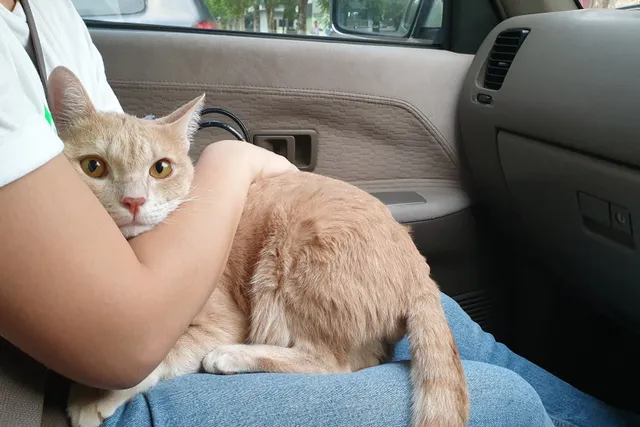
Cats may poop when they are scared due to the gut-brain connection triggering a fight or flight response. In response to perceived threats, the sympathetic nervous system kicks in and shuts down non-vital processes, including digestion, causing the bowels to evacuate.

The Link Between Fear and the Bowels
A cat's body is a complicated array of organs and signals that all work together to allow cats to survive and thrive. The emotional cue of fear causes bowels to evacuate their content, allowing for reduced weight and heightened awareness and mobility. This increases the survival rate of an animal when faced with a threat.
But that’s the short version! Let’s dig deeper into exactly how this works.

The Gut-Brain Connection
You may have heard the term “gut-brain connection” before. It’s more than just a psychological theory; it’s a genuine physiological and neurological connection. This connection is not limited to humans but also plays a big part in the feline body functions.
A cat's digestive system and brain have direct connections via neurons, chemicals, and hormones. Factors of the gut can influence the brain and vice versa. A relaxed, calm cat will have a more successful time in digestion and bowel movements, while a scared or anxious cat may not.
Fight or Flight
You've likely heard of the “fight or flight” response. This term is generally well known, but the mechanics behind it, not so much. This response is based on the autonomic nervous system. As implied, this system constantly runs without using any mental or physical energy.

The autonomic nervous system regulates:
- Digestion
- Metabolism
- Urination
- Defecation
- Blood pressure
- Sexual response
- Body temperature
- Heartbeat
- Breathing rate
- Fluid balance
The captain of this system is usually the parasympathetic nervous system, which is responsible for resting, digesting, and breeding. It keeps the above body's functions running smoothly and normally.
When animals experience an extremely negative emotion such as fear or anxiety, this can trigger the “fight or flight,” which is the sympathetic nervous system. This system affects the same body functions but in the opposite way. Through the release of adrenaline, it increases heart rate, shuts down digestion, and directs all energy to mobilize the muscles.
Optimizing Survival
In short, the sympathetic nervous system shuts down all body processes that aren’t needed for immediate survival and puts all the energy resources in protecting themselves at that moment by fighting or escaping.
Ultimately, this is what causes cats to poop when they are scared. Their bodies respond to a fear alarm from the brain and use their energy as efficiently as possible to increase survival rates.

Other Signs of Fear in Cats
Cats pooping in inappropriate places can have many different reasons. Being scared is undoubtedly one of them, but other reasons could indicate behavioral or medical reasons.
To ensure your cat's strange pooping is due to fear, look for other signs of this response.
Signs of Fear in Cats
- Aggression, like hissing, scratching, or biting
- Arched back
- Hair standing on end
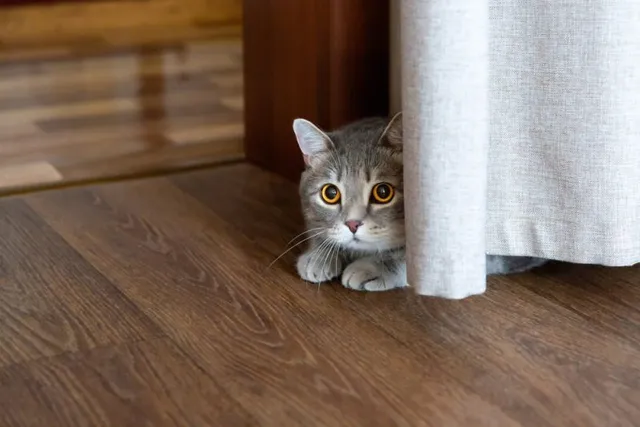
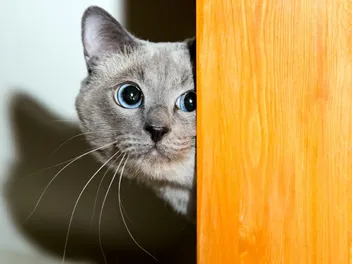
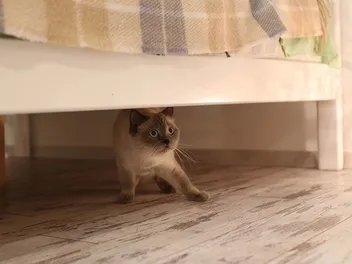
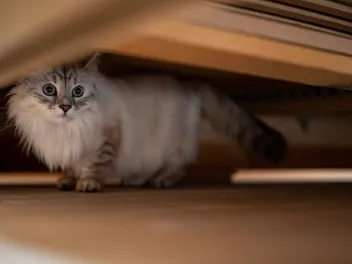
- Hiding
- Freezing
- Dilated pupils
While fear is a natural response to certain stimuli, unusual or unexplained fear, stress, or anxiety can indicate underlying medical issues. If your cat displays fear for unknown reasons, you should discuss the behavior with a vet.
What Causes Fear?
It can be jarring to see your cat strongly respond with fear. You may only know your cat as calm and collected. Even the coolest of cats will have an instinctual fear response when they encounter something frightening.
You might be surprised at what is causing your cat to be scared. It might be a new piece of furniture, the sound of a nearby lawnmower, or a strange salesman at the door. While we can break down the science of a cat’s nervous system, there’s no explaining the things that upset a cat.
Cats Can Be Afraid Of:
- A specific person
- A stranger
- Another animal
- Children
- Loud noises
- Unknown objects
- Reflective surfaces
Take some time to observe your cat closely to pinpoint the cause of their fear. This will be the key to making them comfortable and safe in the home.

Reducing Fear in Cats
Your cat's scared pooping is only one unfortunate by-product of their fear. First and foremost, fear causes stress within the body, which can be detrimental to their health, mainly if it is ongoing.
Your cat's welfare and happiness are the top priorities. To help your cat feel safe and secure, you should do everything you can to keep them free from feelings of fear.
Figure Out the Cause
You can’t reduce your cat's fear if you don’t know what is scaring them in the first instance. Sometimes, the cause of the anxiety may be blatantly obvious. It may be a particular person who comes to visit, the introduction of a new pet, or the sound of the vacuum cleaner starting up.
You can identify the stimulus by recognizing fear behaviors in direct response to the change in the environment. However, it’s not always this easy. Your cat may be showing fear without an apparent cause. Use the process of elimination and close observations to figure it out.

Respect Their Space
For a quick fix, you should simply remove the stimuli that are causing the fear. For example, if they’re scared of a new piece of furniture, remove it. Not all causes can be removed or halted; you don’t want to stop inviting a friend around because they scare your cat.
You should respect your cat’s boundaries and not force them into situations where they are scared. Your cat should always have the ability to remove themselves from a room to find an area where they feel secure.
Desensitizing
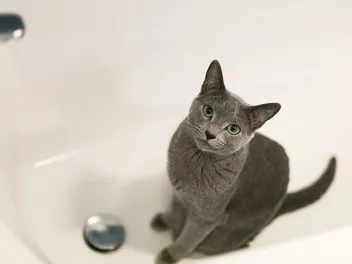
If your cats are afraid of the sound of the toilet flushing, you can’t just not flush it. In addition to creating safe spaces, you might look to condition your cat to reduce their fear of an object or scenario.
Using counter-conditioning and positive reinforcement training, you can reset your cat's brain. Positive reinforcement creates new pathways of neurons in the brain, teaching your cat to respond positively to stimuli.
Often, fear is developed from a negative experience in the same way, so turning this around may take a lot of time and patience.

What Not to Do
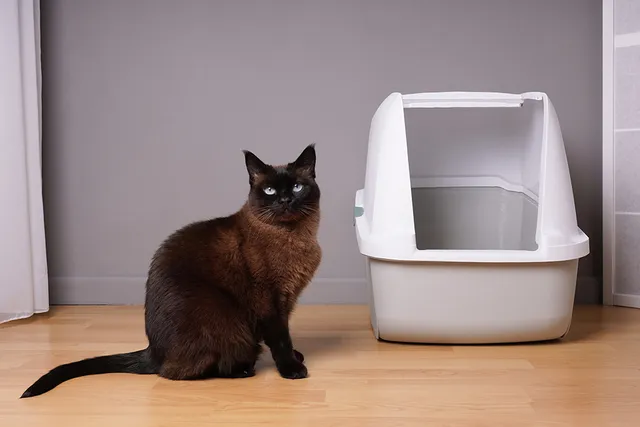
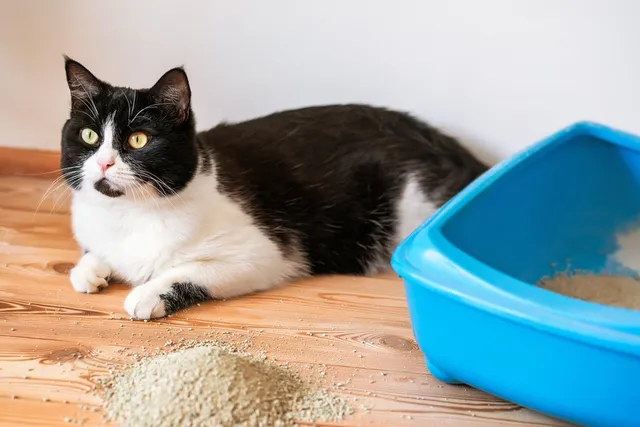
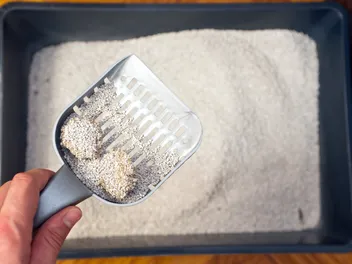
Clearly, your cat pooping anywhere that is not in the litter box is frustrating. Remember that your fearful cat is not behaving this way to antagonize you but because they cannot control themselves.
It’s vital you don’t punish them when they defecate out of fear. Raising your voice and intimidating your cat won’t be effective; instead, it will just increase the fear within your cat, potentially making the issue worse. If they poop outside of the litter box, just clean up the poop using an enzymatic cleaner to remove any stain or smell.
Our Favorite Enzyme Cleaner
The Hepper Advanced Bio-Enzyme Pet Stain & Odor Eliminator Spray is our favorite enzyme cleaner out there. It permanently removes even the very worst kitty stains and smells, leaving your home fresh and clean! Click here to learn more about this amazing product and get yourself a bottle.

- ADVANCED ENZYMATIC CLEANER - Penetrates the most stubborn smells and stains at the deepest molecular levels to dissolve any pet mess you encounter and lift it away at the source.
- FOR ANY MESS, ON ANY SURFACE - This pet odor eliminator cleans your carpets, floors, furniture, fabrics, and more. Whether it's urine, feces, vomit, or drool, you can erase all foul spots and smells!
- FRESH, NATURAL ODOR - Our unique formulation doesn't rely on dangerous or unpleasant chemical fragrances to get the job done. We eradicate smells and stains, not just cover them up.
At Catster, we’ve admired Hepper for many years, and decided to take a controlling ownership interest so that we could benefit from the outstanding products of this cool cat company!
Additionally, you should not use punishment or negative reinforcement to control your cat. They don’t deserve to be punished for factors outside of their control.
Alongside negative reinforcement is a training tactic called “flooding.” This involves constantly forcing an animal into a situation or to a stimulus repetitively until they eventually become desensitized. This tactic should never be used.

Conclusion
Unexpected cat poop is never a good thing. We get it, but be sure to show some compassion for your cat when they are expressing fear. The feline brain does not have the same understanding of the world around us as we do, making it easier for them to turn harmless things into serious threats.
Understanding your cat's behavior will help you to create a space where they feel confident and safe.
Featured Image Credit: Paulina Grzybowska, Shutterstock
Expert cat care, straight to your inbox
News, insights, and useful advice, delivered to you.

No spam — unsubscribe anytime.
By signing up, you agree to our Terms & Conditions and Privacy & Cookies Policy.
How useful was this post?
Click a star to rate. You can leave written feedback afterwards. (We read all feedback.)
With an early start in the veterinary industry and as a conservation educator at Disney’s Animal Kingdom in Florida, Sophie has since been a successful Zookeeper and Conservationist, specializing in native New Zealand species. When she’s not bird watching in native forests or crawling through the underbrush at midnight searching for rare frog species, she can be found with her farmer husband on their sheep and beef station, far from civilization. Alongside them, they have 2 cats, 9 chickens, and 11 dogs (most notably, her sidekick, a black Labrador aptly named Jellybean). Sophie enjoys her writing career as it provides opportunities to help and support pet owners of all kinds to give animals the best welfare possible. The only downside is the long list of strange searches in her internet history!