What's the Price of Spaying or Neutering a Cat in Australia (Costs in 2026)
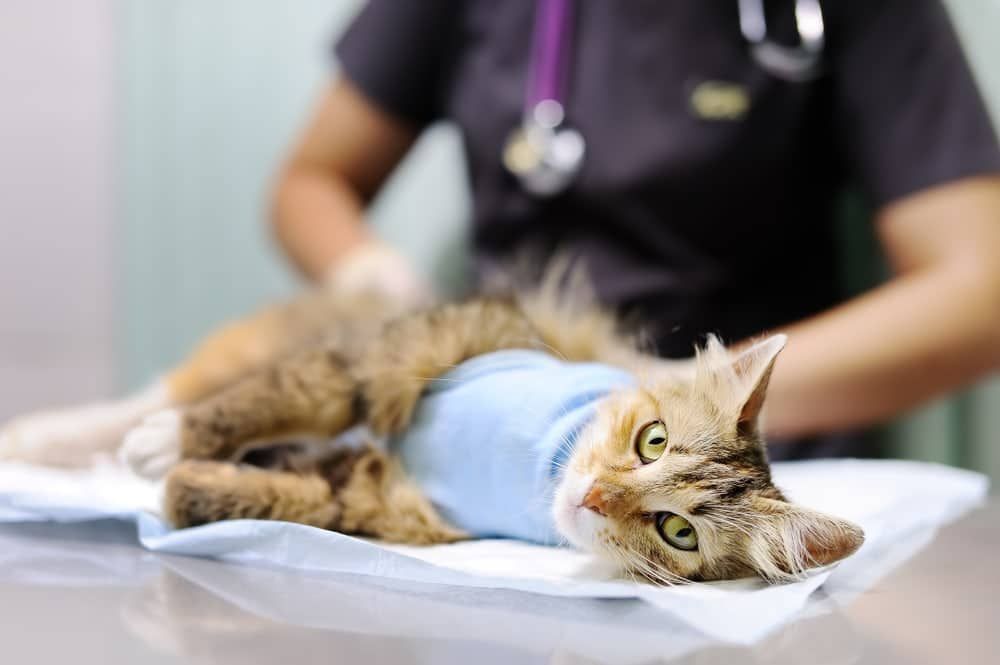
Many Australian cat owners are required to have their cats spayed or neutered by a certain age due to mandatory desexing legislation1 in certain states or territories. Even if you don't live in one of those areas, having your cat spayed or neutered is still a good idea. Not only does it help reduce the number of feral and homeless cats, but it also has numerous health benefits for your pet.
As a surgical procedure, however, desexing a cat can be one of the pricier items on the veterinary bill. So, how much does it cost to spay or neuter your feline friend in Australia? We checked sample prices from clinics across Australia to give you a better idea of how much your budget should be.
While costs can vary wildly, you can expect to spend AU$150 up to AU$750 or more when spaying or neutering a cat in Australia. Let's learn more about the costs and what to expect with a spay or neuter procedure in Australia.

The Importance of Spaying or Neutering a Cat
Spaying or neutering a cat involves surgically removing the reproductive organs of a female or male cat so they can no longer reproduce. The benefits of desexing cats are well-documented, and this includes:
1. Reducing the Number of Unwanted Cats
Cats can reproduce as early as 5 months old, and females can get pregnant up to 3 times a year. A litter can have anywhere from 2 to 10 kittens, leading to a rapid population increase if left unchecked.

2. Protecting Australia's Ecosystem
Cats, primarily feral ones, kill 2 billion animals in Australia2 every year. They do the most damage in the bush, where native wildlife struggles to survive. In fact, feral cats have driven over 12 species to extinction.
Even in urban areas, stray cats hunt down birds, reptiles, and other small animals. Sterilising cats is one of the simplest and most effective ways to reduce their population and, consequently, the damage to Australia's fragile ecosystems.
3. Improving Cat Health and Behaviour
Desexing cats can help pets live healthier, safer, and happier lives. For instance, spaying eliminates the risk of uterine and ovarian cancer in female cats. Meanwhile, neutering eliminates the risk of testicular cancer in male cats.
Neutered male cats are also less likely to roam and get into fights with other cats. Finally, spaying or neutering can help reduce the amount of yowling, marking, and other behaviours associated with an unaltered cat.
How Much Does Spaying or Neutering a Cat Cost?

The price of desexing your cat can vary depending on factors such as your cat's age, health, sex, location, and the vet clinic you choose.
To give you a clearer picture of the cost of desexing your cat in Australia, here's a sample price list from select vet clinics across the country. All prices are in Australian dollars:
| Victoria | South Australia | Sydney | New South Wales | |
| Spay (Female Cats) | AU$245.00 | AU$302.60 | AU$329.00 | from AU$785.00 |
| Neuter (Male Cats) | AU$162.00 | AU$133.25 | AU$183.00 | from AU$380.00 |
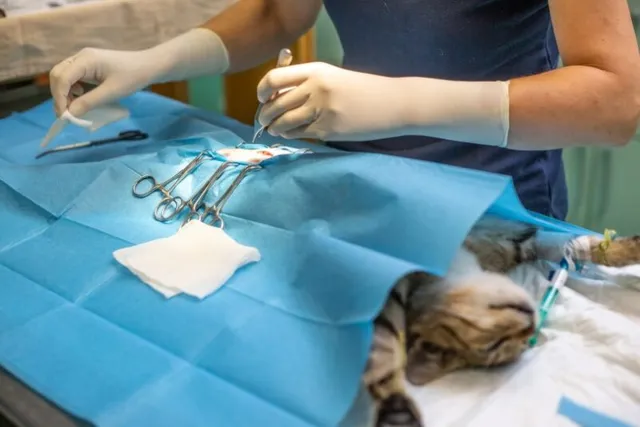
As you can see, spaying a cat is always more expensive than neutering one. That's because spaying involves abdominal surgery, during which the vet removes the uterus, ovaries, and fallopian tubes. Neutering is a much simpler procedure since it just involves removing the testicles, and in most cases, it can be done without making any complex incisions.
Depending on where you live, you may be able to qualify for low-cost spaying or neutering services. For instance, Australians in Sydney with a health care card or pension concession are eligible for discounted desexing. Melbourne also offers a desexing voucher scheme.
If you don't qualify, try messaging the RSPCA3 or contacting the National Desexing Network4 for references to low-cost desexing services in your area.
Additional Costs to Anticipate
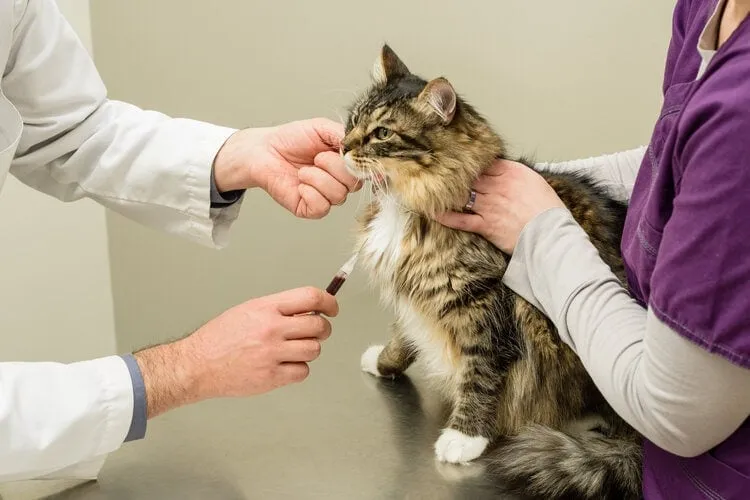
Aside from the surgery, spaying or neutering your cat comes with other costs. Generally, you'll also need to budget for the following:
Optional Expenses:
Remember that these costs vary from clinic to clinic and aren't always included in the desexing fees. Make sure to ask your vet for a complete list of fees and services so you won't be surprised when payment time comes.
What’s the Best Time to Spay or Neuter a Cat?
The best time to spay or neuter your cat is around 5 to 6 months before they reach sexual maturity. It also depends on where you live in Australia:
Remember to check your local council's regulations for other desexing laws in your area.
Does Pet Insurance Cover Spaying or Neutering a Cat?
Most pet insurance companies consider spaying or neutering as a routine expense and won’t cover it.
However, some pet insurance plans cover these expenses, while others have optional wellness plans that might cover the procedure. However, it’s best to view these policies as the exception, not the rule.
If you plan on spaying or neutering your cat, the costs typically fall on you, and pet insurance will not help much.

How to Prepare for Your Cat's Spay or Neuter Procedure
The thought of your beloved cat undergoing surgery may be daunting, but it's a very safe and straightforward process. Most healthy cats recover in a few days with no lasting adverse effects.
To make the experience less stressful for you and your cat, keep these tips in mind:
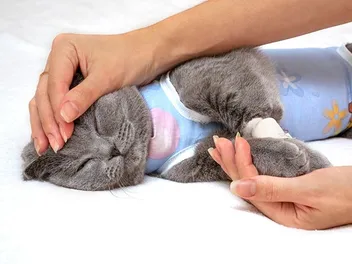
Once the procedure is done, ask your vet for advice on caring for your cat at home. Follow all instructions to the letter, especially when it comes to medication. Cats can be notoriously finicky, so make sure to keep a close eye on your furry friend.
Conclusion
Having your cat spayed or neutered can significantly enhance their quality of life and your relationship. While it does come at a cost, it's ultimately worth it. We recommend comparing prices before deciding on a clinic to ensure you get the most affordable service. Additionally, explore local resources to see whether you qualify for discounts or special offers.
Overall, spaying or neutering your cat is an essential step toward keeping them healthy and happy. With some preparation and TLC after the procedure, you can look forward to many years of joy and companionship with your beloved cat.
See Also:
Sources
Featured Image Credit: Maria Sbytova, Shutterstock
Expert cat care, straight to your inbox
News, insights, and useful advice, delivered to you.

No spam — unsubscribe anytime.
By signing up, you agree to our Terms & Conditions and Privacy & Cookies Policy.
How useful was this post?
Click a star to rate. You can leave written feedback afterwards. (We read all feedback.)

Christian started writing for a local newspaper as a teenager, and he's been involved in the publishing industry for most of his adult life. Combining his love of writing with a passion for animals, he is currently the Director of Editorial at Pangolia and the Editor-in-Chief at Catster.
Christian lives in the Philippines with his wife, son, and four rescue cats: Trixie, Chloe, Sparky, and Chopper.