5 Vet-Approved Cat Cone Alternatives For When They Need an E-collar


In this article
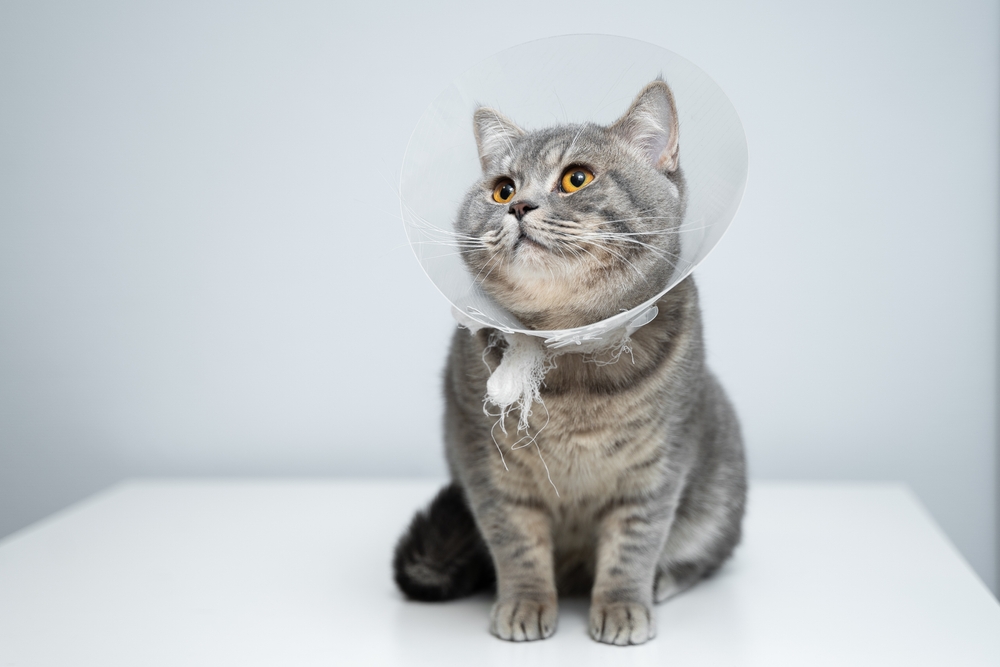
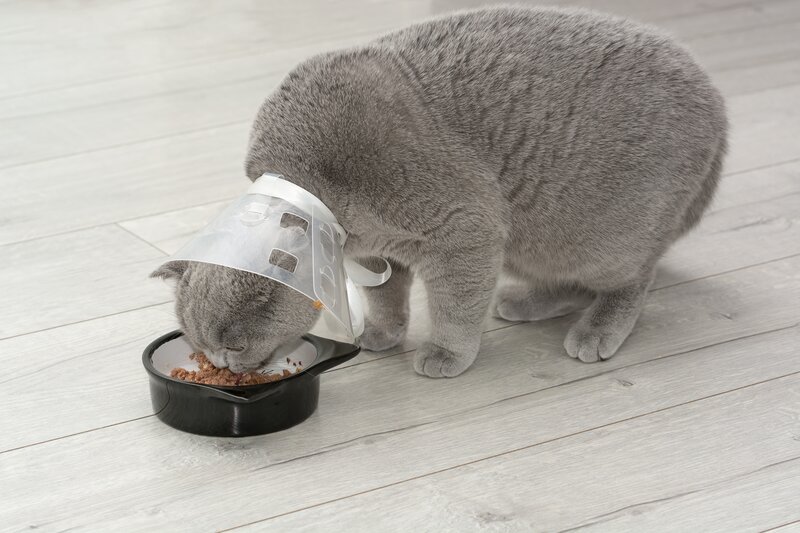
The cone of shame is every domesticated animal’s least favorite accessory—and for good reasons! It is uncomfortable, inconvenient, and just plain embarrassing. But sometimes, it’s necessary to prevent your furry friend from licking, biting, or scratching a wound (or themselves). If you’re not a fan of the cat cone of shame, also known as an e-collar, there are a few alternatives that may be more comfortable for your cat—and your conscience!

Are E-collars Necessary for Cats?
It’s no secret that cats lick themselves. After all, it’s how they stay clean. But sometimes, cats can’t resist licking something they shouldn’t, like a wound. If your cat has an injury, you may have to turn to an e-collar or one of the alternatives listed below. It might look humiliating, but it’s for their own good. Moreover, the protective collar will allow your feline friend to heal quickly and properly.
The 5 Cat Cone Alternatives
Not a fan of e-collars? Your cat probably isn’t, either. So give your kitty a break and try one of these five alternative solutions the next time they’re in need of healing:
1. Soft E-collar
- Our Pick: SunGrow Post-Surgery Soft Cone
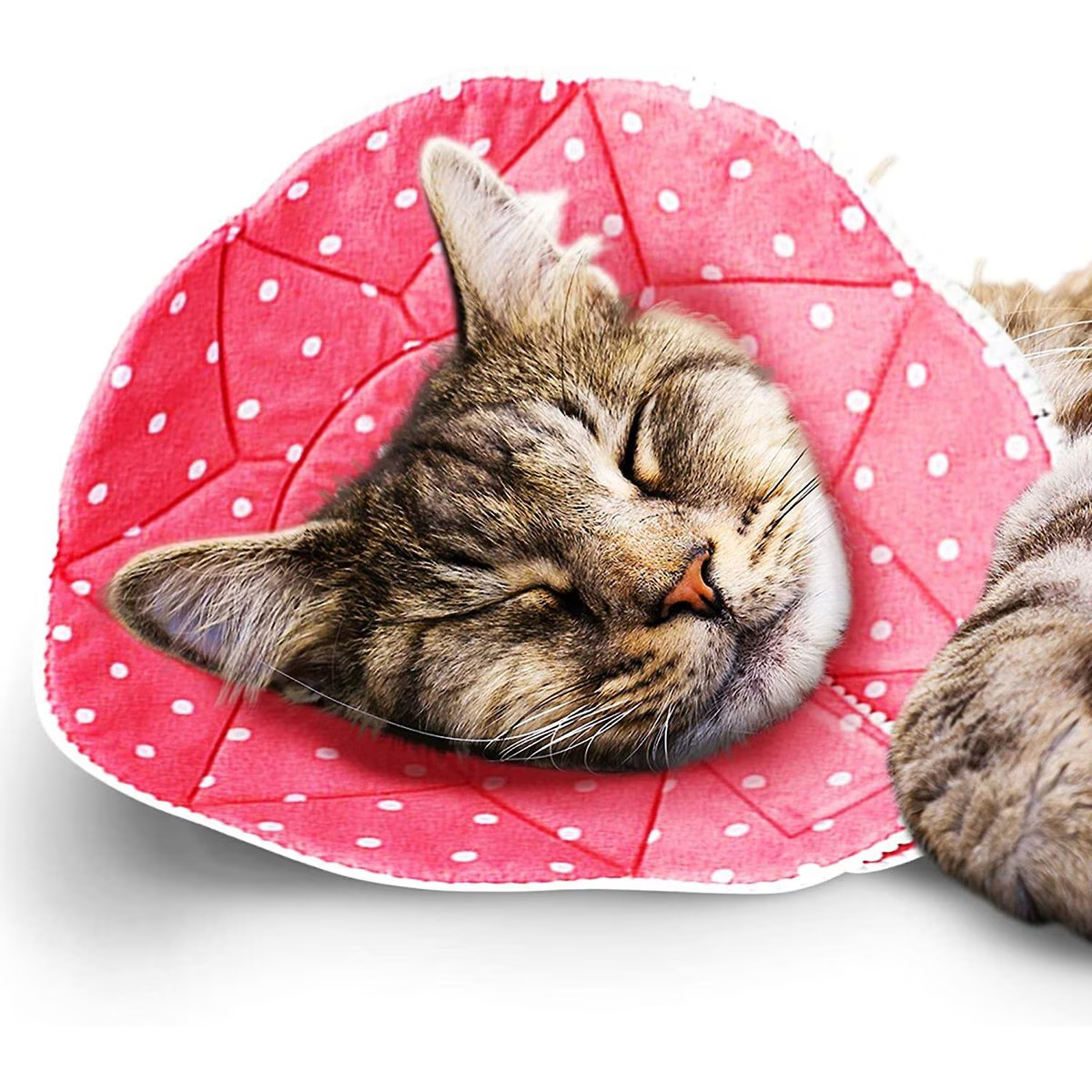
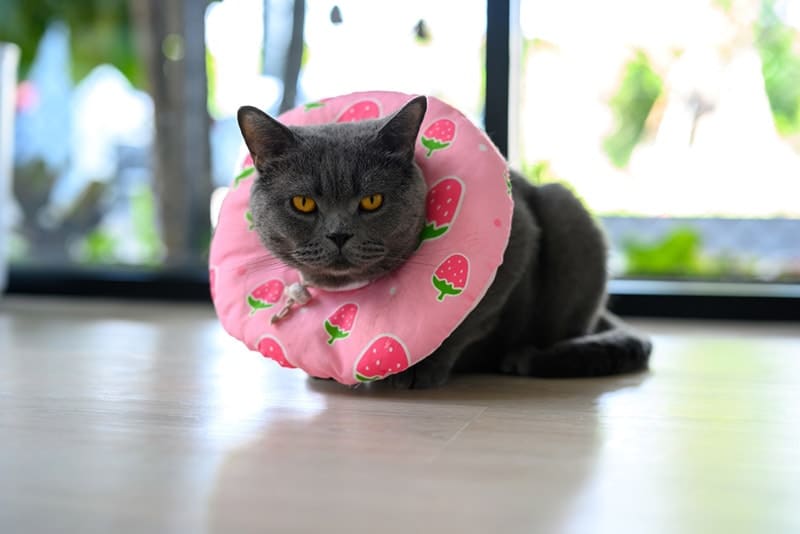
If the traditional cat cone seems a bit too harsh, there are now softer, more comfortable options available. These e-collars are made from mesh or other breathable fabric and won’t rub your cat’s fur the wrong way.
These are some of the most popular and preferred options. Pet owners like soft collars because they’re much easier to put on and take off than rigid plastic ones and are far more comfortable for cats to wear. And because they’re soft, these collars move with your cat’s body and are less likely to get caught on furniture, doorways, or other cats.
2. Inflatable Collar
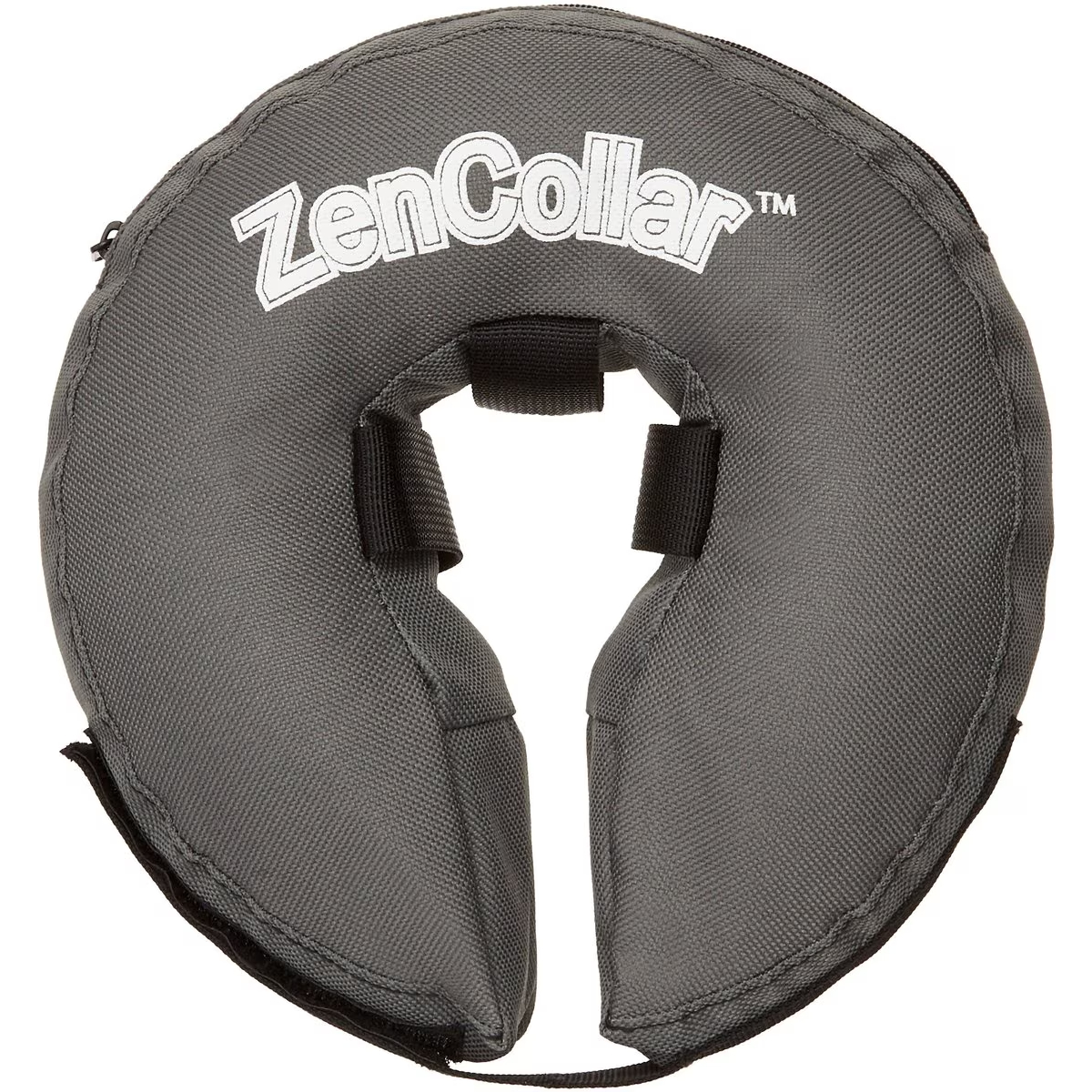
An inflatable collar is a great alternative to the standard e-collar. It’s soft and comfortable for your cat to wear, but it will still prevent them from reaching their injury. To put it on, simply slip it over your cat’s head and inflate the collar to the desired size. You can adjust the amount of air in the collar to make it as snug or loose as you’d like.
As nice as inflatable collars are, they have one downside; they’re prone to puncturing. So if you have a cat that likes to claw at its collar, this may not be the best option.
3. Recovery Suit
- Our Pick: Suitical Recovery Suit
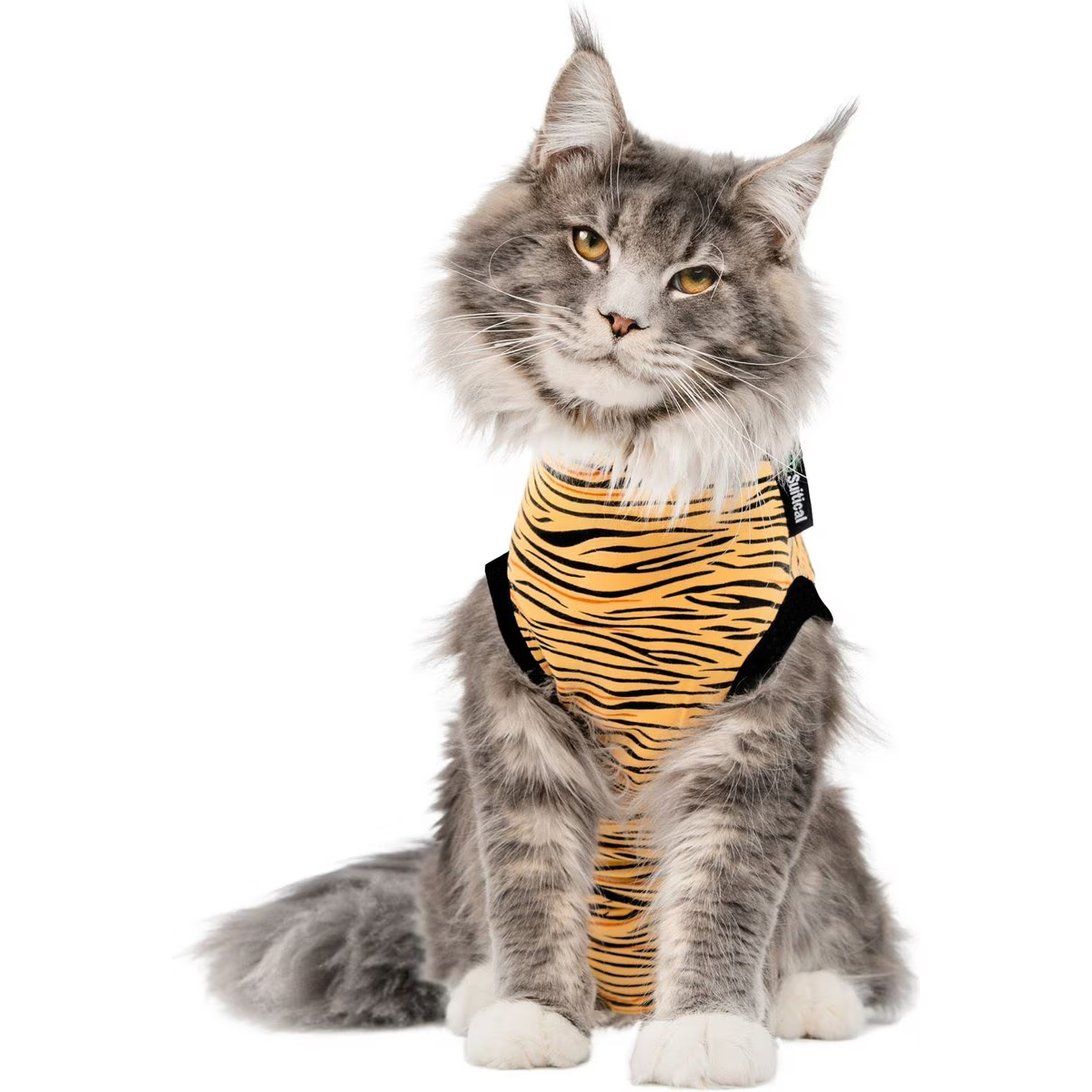
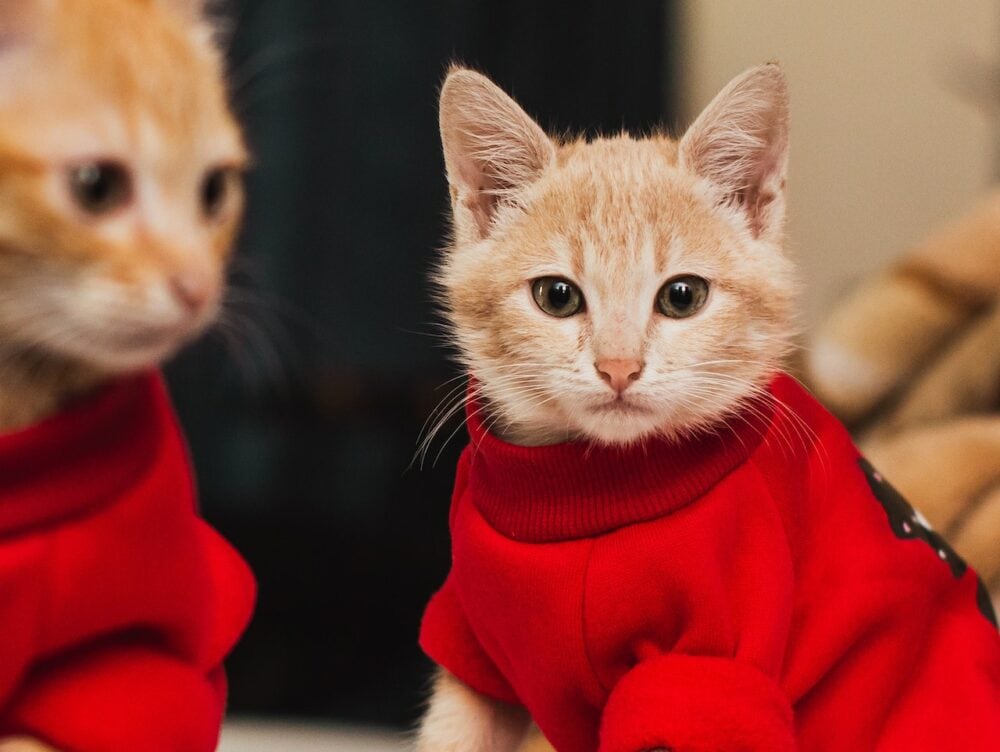
A recovery suit is a full-body garment that covers your cat's body. It serves the same function as a cone, but it’s made from a softer, more breathable fabric. Plus, it has the added benefit of keeping your cat’s fur clean and dry. That means no more messy, crusty bandages!
After placing the recovery suit on your cat, you can secure it with Velcro or snap closures.
4. Specialty Collar
- Our Pick: Prey Saver Break Away Cat Collar
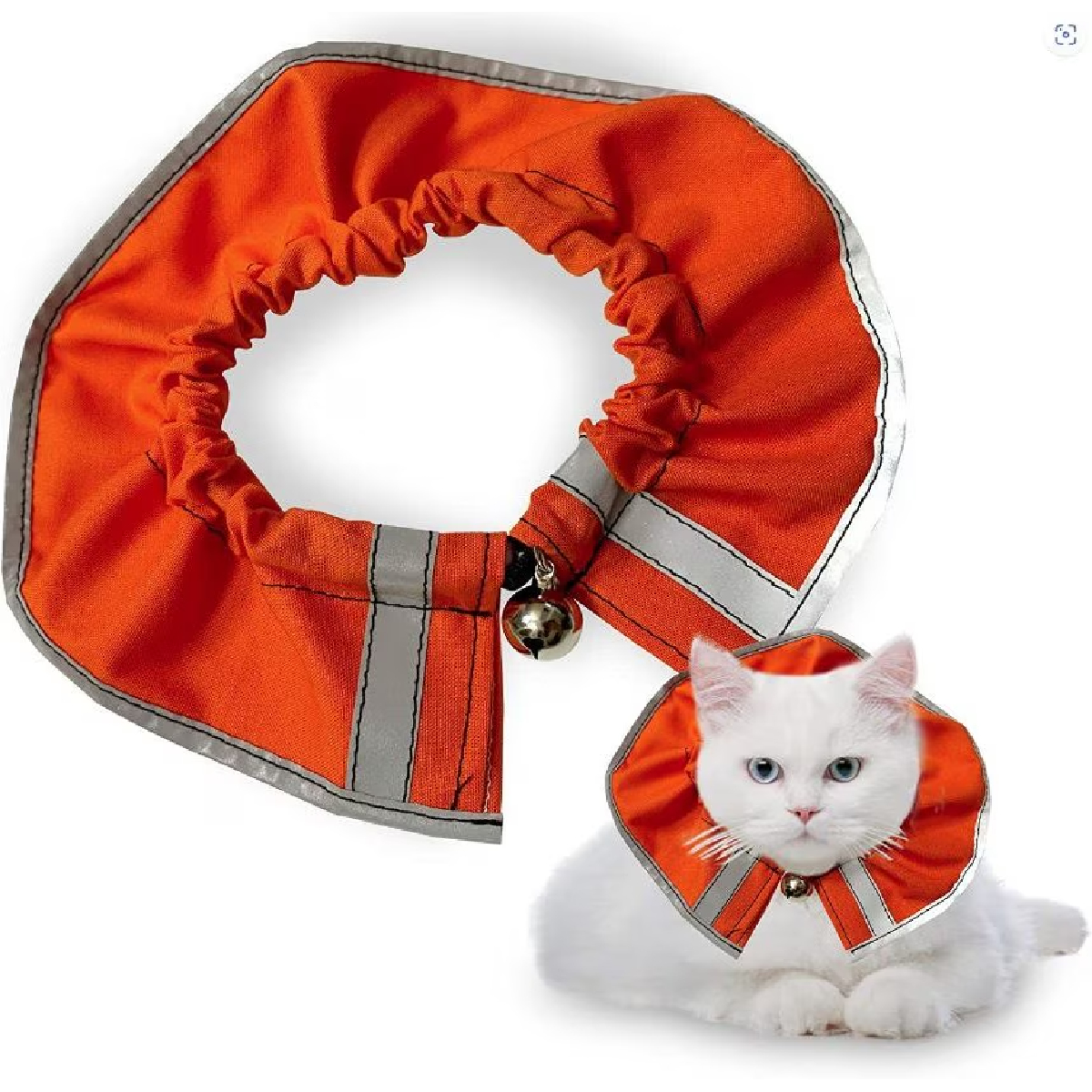
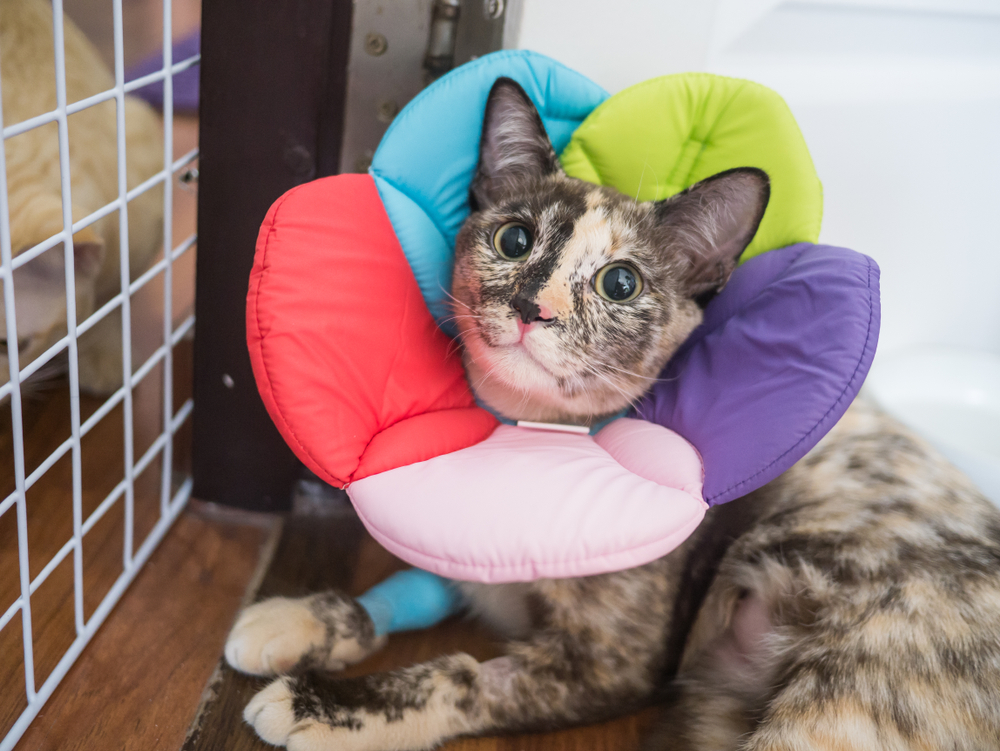
These collars are very similar to e-collars, but rather than using plastic or mesh, they’re made from a softer material. Moreover, specialty collars can feature many designs, from lion’s manes to flowers.
So if you’re looking for a more stylish option, a specialty collar may be right for you. Remember that these collars are usually more expensive than traditional e-collars. But they are a great way to liven up your cat’s appearance.
5. Bandage
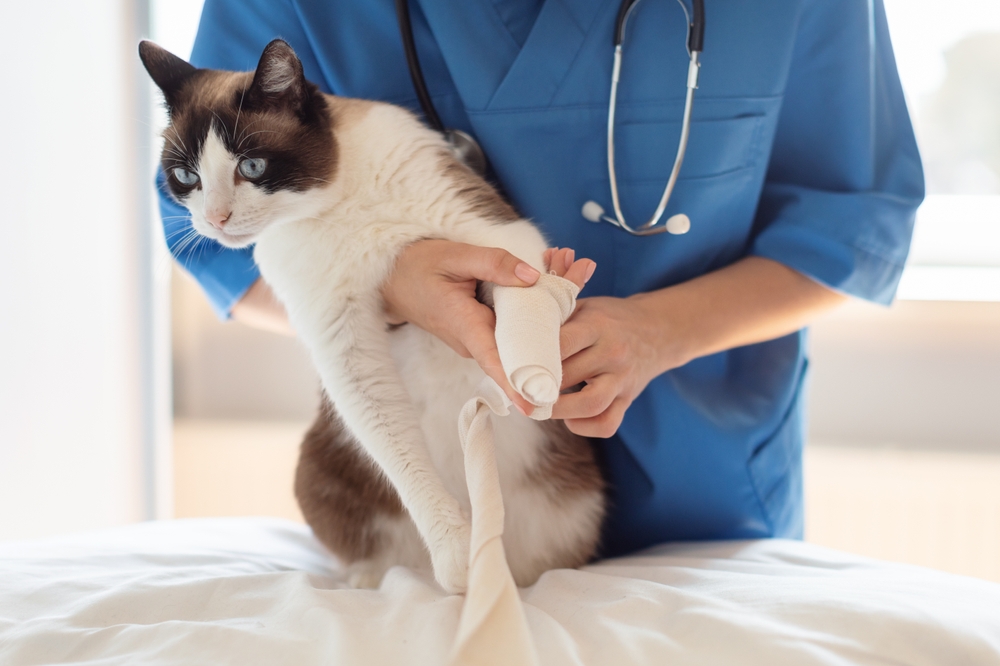
You can try wrapping your cat’s injury in a bandage for a less intrusive option. This will keep them from licking or biting the wound and will also help protect it from further damage.
This is a good option for minor wounds, but it’s not ideal for more severe injuries. And if your cat is particularly adept at wriggling out of its bandages, you may want to try another method. Also, it is easy to overtighten a bandage and cause more damage, so if you aren’t sure, ask a vet to do it or choose one of the alternative options.

Caring for Your Cat While It’s Recovering
Your cat is injured, and you’re feeling helpless. You want to do everything you can to make them comfortable, but you’re unsure how. Here are some tips on how to care for your cat while they’re recovering from an injury.
Provide a Comfortable Area
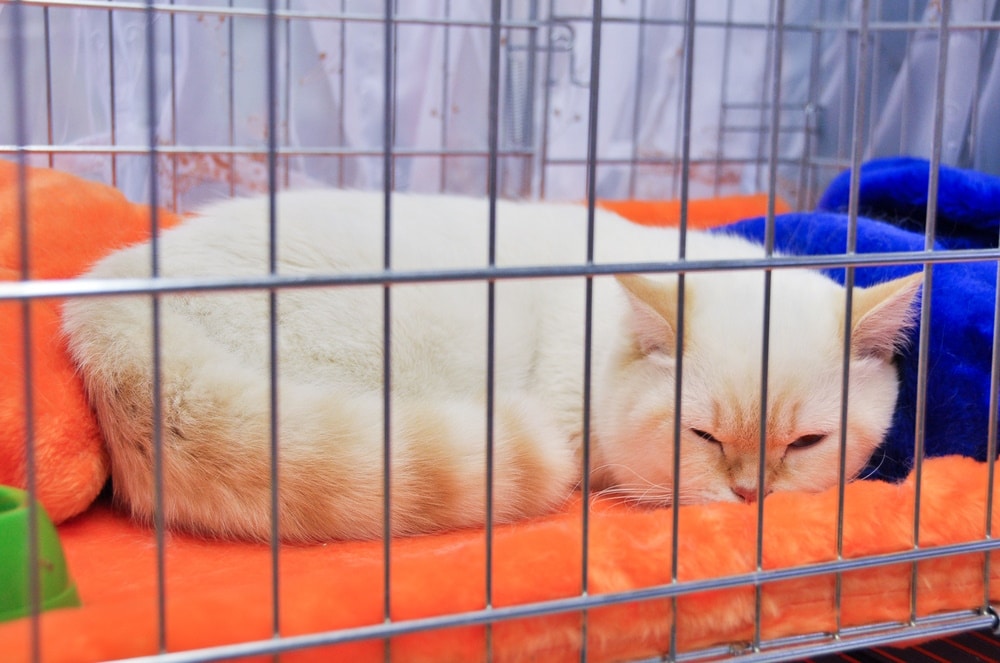
First, make sure your cat has a quiet, comfortable place to rest. This may be a secluded room in your house or a spot in the laundry room where they can be away from the hustle and bustle of the household. Put a soft blanket or towel in their resting spot for added comfort.

- COMFY KITTY - Your cat or kitten will have an amazingly deep sleep in this self warming, nesting cat bed. The warm, fluffy cat bed lining provides calming stress relief for cats of all ages.
- PRETTY HOME - This round cat bed has a modern and unique design that’s perfect for a sleek indoor look. We don’t think of it as cat furniture but think of the Cat Nest as a “cat home”.
- SPACE SAVER - Reclaim your desk, window sill, or couch from kitten encroachment. This calming nest cat bed has an elevated, space-saving hideout so comfortable your kitty can't resist!
Cats are known to be particular about their beds, which is why finding the right one poses a challenge for pet owners. The modern design of our Hepper Nest Bed was thoughtfully created for maximum coziness that many cats cannot resist. Molded into a comfy bowl shape that cradles your cat with a self-warming fleece insert, you’ll have a hard time getting your cat up from their daily naps. Click here to learn more.
At Catster, we’ve admired Hepper for many years and decided to take a controlling ownership interest so that we could benefit from the outstanding designs of this cool cat company!
Give Them Time to Heal
Cats are masters of hiding their pain, so giving them time to heal is essential. Don’t force them to play or exercise if they don’t want to. Let them rest and recuperate at their own pace.
Make Sure They’re Eating and Drinking
During their recovery, it’s important to make sure your cat is eating and drinking. If they’re not interested in their regular food, try tempting them with wet food or a favorite treat. If they’re not drinking water, add chicken broth or tuna juice to their bowl to make it more appealing.
Monitor Their Progress
Keep an eye on your cat’s progress, and call the vet if you’re concerned about their condition. Recovery times will vary depending on the severity of the injury, so it’s vital to be patient. With time and love, your cat will return to its old self in no time.
Conclusion
Are you looking for a more humane way to keep your cat from licking its wounds? Try one of these five cat cone alternatives. From inflatable collars to full-body suits, there’s an option for every cat—and every budget.
See also:
Do All Cats Have Thumbs? Vet-Reviewed Explanation of Polydactyl Cats
How to Keep Cats From Eating Each Other’s Food (4 Proven Methods)
Sources
Featured Image Credit: Chomphuphucar, Shutterstock

Expert cat care, straight to your inbox
Vet-reviewed advice, behavior tips, and the best of Catster. Free, and you can unsubscribe anytime.
By signing up, you agree to our Terms & Conditions and Privacy & Cookies Policy.
Christian started writing for a local newspaper as a teenager, and he's been involved in the publishing industry for most of his adult life. Combining his love of writing with a passion for animals, he is currently the Director of Editorial at Pangolia and the Editor-in-Chief at Catster.
Christian lives in the Philippines with his wife, son, and four rescue cats: Trixie, Chloe, Sparky, and Chopper.
Join the conversation
Ask a question, share your story, or send private feedback.