How Long Does a Cat Take to Recover From Neutering? (Vet Answer)

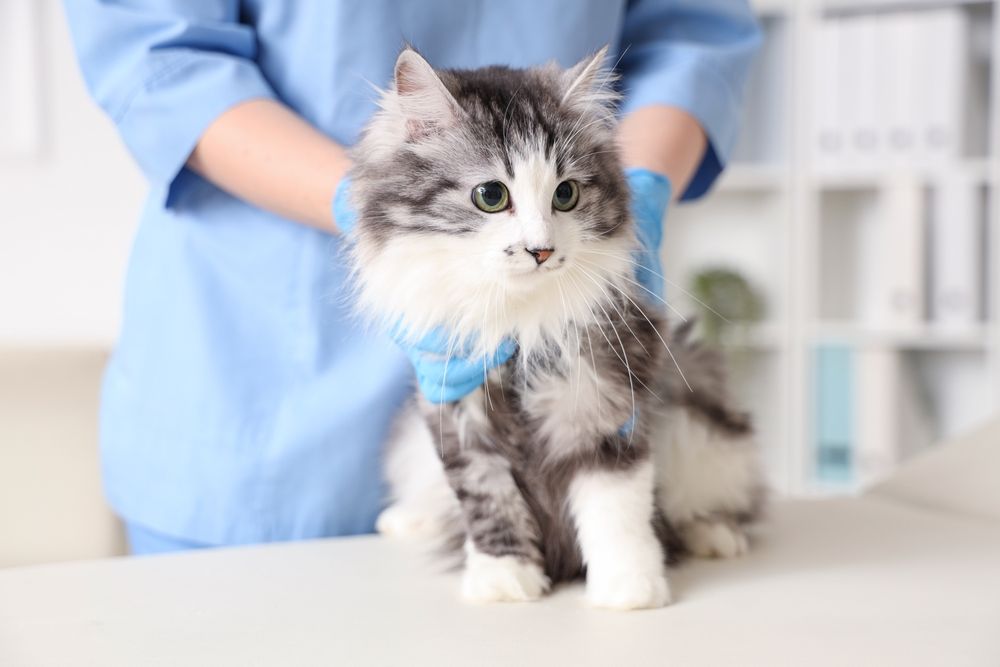
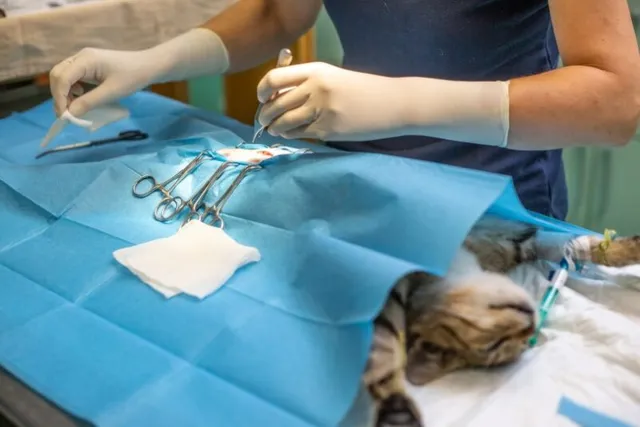
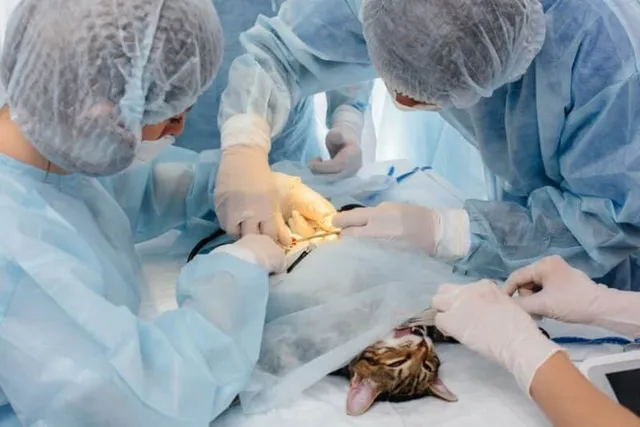
Neutering, also called castration, is a surgical procedure wherein the male reproductive organs are removed from your cat. For cats, this is generally surgical removal of the testicles.
Although the procedure can sound daunting, most cats are back to themselves quite quickly. Though, it is worth noting that the full healing process takes much longer!
Most commonly, cats are neutered at or before six months of age to prevent testosterone-driven behaviors, like urine marking (spraying) around the house, foul urine smells, mounting of people or other pets in the house, and of course, unwanted feline pregnancies.
With some easy preparation, these top tips will ensure your cat recovers quickly from his neuter—generally, within a few days.

Preparation is Key

The day before surgery is almost as important as surgery day itself! Do not forget that most vets will want your cat fasted (not given any food, though water is ok) from some point prior to surgery. Know how many hours this fasting period is, and stick to it! Generally, it is around 12 hours or less.
Also, if your cat does accidentally find a way to eat a treat, or sneak a snack in the morning of surgery—don’t panic…yet! Call your vet, or keep your morning drop-off appointment and ask if the surgery might be done later in the day. Many times, some rearranging of the schedule can still allow for the neuter to occur on that same day.
Know What Aftercare is Needed
Will your cat need pain medication or an antibiotic? If so, how often? Does your vet want you to keep him indoors for a certain period? How often should you check the surgery site? The answers to these questions can help you get your cat on a fast track to recovery!
Most neuters in cats don’t include sutures (stitches) that need to be removed—but double-check with your vet that this is the case.
In general, expect that your vet will want your cat to stay indoors for at least a day or two after surgery, while his incision heals. This also allows time for any anesthesia to wear off, so that he’s not outside wandering around, while still under the effects of any of these drugs.
When cats arrive home, they might not eat their usual amount for the first day or so after surgery. This can be due to nausea from the medications. They may also be a bit quieter, or sleep more during this period. However, if something doesn’t seem right, don’t hesitate to call your vet.
Recommended Aftercare Around Other Cats

Additionally, cats that live with other cats sometimes come home from their neuter, and because they smell different, can cause upset to the other cats in the house. If you notice that your cats suddenly aren’t getting along, or if you have concerns that this may happen, based on similar prior experiences, there are a few options.
Consider separating the cats for a few hours to reacclimate them, while giving the recovering cat plenty of quiet space and alone time. Some people may also choose to bring their other cat along to the vet to board for the day, so that both cats smell different—which may potentially prevent upset in the house upon return. Speak to your vet to find out what options they think might work best.
Most vets will send home specific written instructions about how to care for your cat after surgery. Read these and follow them closely. Sometimes post-op care can include:
- Feeding smaller, more frequent meals
- Using a special paper litter, to prevent clay litter from getting into the incision
- Keeping cats indoors for a set time period
- Using an e-collar
- A scheduled post-op check
Call The Vet If You Have Concerns
If you do have concerns, don’t hesitate to reach out to your vet. If they are not open, often a local emergency vet can offer guidance as well. Find out what clinic your vet recommends contacting in case it is necessary. Generally, it should be on your vet clinic’s website, or their after-hours phone message as well.
If concerns do arise, photos and videos of the concern can be very helpful—and might even save you a trip back to the vet, if it’s something that’s part of the normal post-operative healing process.
If you notice any of these issues with your cat, seek further help from a veterinary professional:
- Discharge, swelling, or bleeding from the surgery site
- Anything protruding from the surgery site
- Not eating
- Your cat seems uncomfortable
- Not urinating or can’t urinate
- Vomiting more than once
- Change in voice
- Trouble breathing
Your Cat May Look Normal, but Healing Takes Time

Don’t forget that, although skin after surgery can heal quite quickly, internal healing can take longer. This means that, although your cat may look normal, he shouldn’t go back to running and playing like normal too soon after his neuter. Talk with your vet about activity restrictions post-op, and be sure to stick to them!
Know Your E-Collar Options
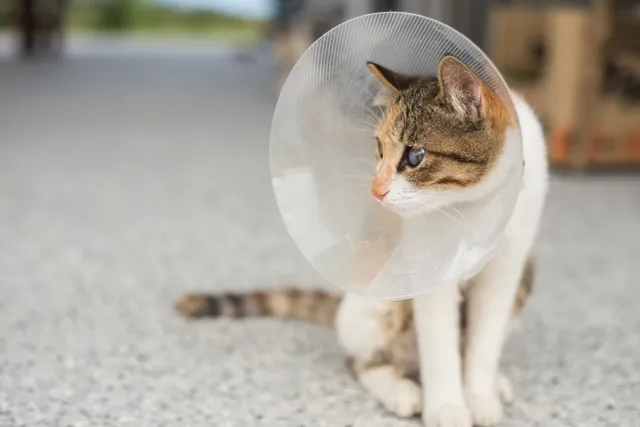
Elizabethan collars, or e-collars, are sometimes used to prevent your cat from licking their surgical site, as doing so can exacerbate swelling and redness—extending the time it takes him to recover from surgery. These are often worn for a few days after surgery, and most cats can eat, sleep, and use the litter box as normal, even while wearing the e-collar.
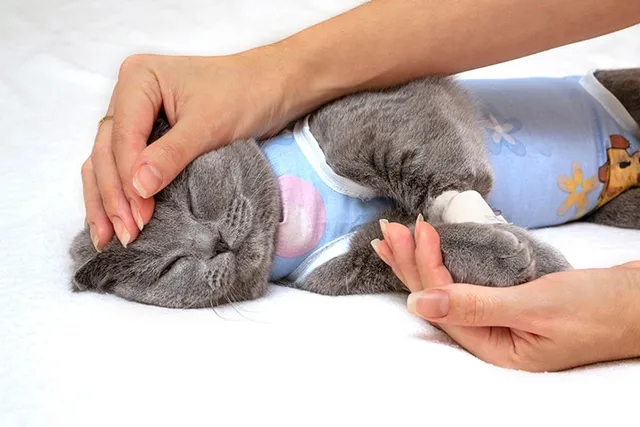
Your vet may not use e-collars, but in case they do, know that they come in various sizes and types—so trial and error can be important. Some e-collars are inflatable, some are flexible plastic; alternatives such as fleece jumpsuits also exist that avoid a collar altogether.
How long do they need to wear it for? Are there circumstances in which you can take the e-collar off? These are questions to discuss with your vet. Be aware that most cats don’t like e-collars—so talk with your vet ahead of time to know what they expect to send home, and what alternatives there may be if one doesn’t work!
Other Things to Know
After a neuter, it is very common that it will still look like your cat has testicles. This is often a combination of the surgery, and the healing process, that cause normal swelling of the scrotum while the site heals after the castration. Don’t hesitate to take a photo and send it to your vet for confirmation. But this is one of the most common post-neutering questions vets get!
Boy cats still have nipples! While not directly related to neutering, this is a good thing to mention that male cats, like females, have nipples—8 to be precise. Being neutered doesn’t mean they go away. So, down the road, if you see any odd lumps on your boy cat’s belly, they may be nipples. However, it never hurts to take a photo and ask.
When does your vet need to see your cat back? Most vets will want to do a recheck to see how the healing process is progressing and to make sure everything else has gone OK after their surgery. Sometimes, there are two rechecks needed to accomplish this. Often a recheck includes a free exam, weight check, and a look at the surgical site. Ideally, you should schedule this before you leave the vet office at the time your cat is neutered.
Also, on the day of surgery, it’s ok to ask if someone calls or texts you when the surgery is done, even if you won’t be picking your cat up for a bit. This can help to alleviate surgery-related worry!
Conclusion
With these tips, it is easy to help your cat heal quickly and feel his best once he gets home. Neutering is a very common procedure, and one of the least invasive surgeries that vets perform. Therefore, with some good preparation, your boy should be back on his feet and back to his normal self in no time! However, if something doesn’t seem or feel right, remember it is always OK to reach out to your vet with questions..
Featured Image Credit: Pixel-Shot, Shutterstock
Expert cat care, straight to your inbox
News, insights, and useful advice, delivered to you.

No spam — unsubscribe anytime.
By signing up, you agree to our Terms & Conditions and Privacy & Cookies Policy.
How useful was this post?
Click a star to rate. You can leave written feedback afterwards. (We read all feedback.)
Dr. Lauren Demos DVM (Veterinarian)
As a veterinarian, Lauren is eager to share her experience in emergency medicine and cats, with our readers. She loves sharing helpful, real life tips for having cats as part of your life, and what to do in critical situations with your pets.
Lauren is a vet with over a ten years of experience in cats and dogs, along with infectious diseases. She enjoys teaching, and lectures for students, pet owners, and clinicians, on various topics.
Lauren received her degrees from Murdoch University, in Perth.