What Is the Difference Between Cat & Human CBD Oil? Vet-Verified Facts & Safety Guide


In this article
With increasing reports and testimonials, CBD is often discussed for potential use in anxiety, nausea, depression, pain, and more.
With significantly more research available on human CBD, you may be wondering what the differences between CBD for humans and CBD for pets are, especially if you’ve tried CBD or you have heard of the supposed wonders of CBD for pets. The main difference between human CBD and CBD for pets is the dosage, formulation, and concentration of CBD in each product.
Pet-specific products are often designed with animal-appropriate dosing guidelines and may exclude certain ingredients that are not suitable for pets. Human products, on the other hand, are formulated for human metabolism and body weight ranges, which can make dosing inappropriate or unsafe for animals without veterinary guidance.
If CBD can benefit pets, why can’t you use the same CBD that humans consume? We discuss the differences in CBD formulations and how cannabidiol may affect pets.

What Is CBD?
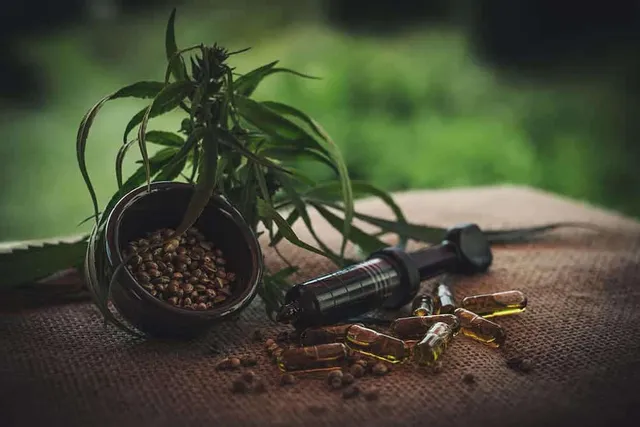
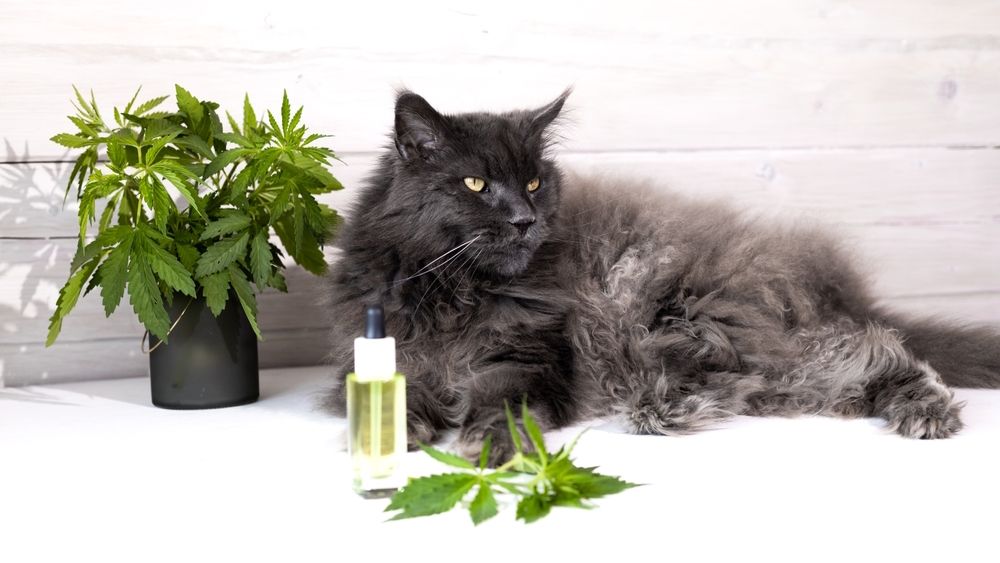
CBD (cannabidiol) is a compound derived from the cannabis plant. It is one of many naturally occurring cannabinoids found in both cannabis and hemp. Cannabidiol, the chemical compound in CBD, is different from THC—the culprit behind that infamous marijuana “high.” The cannabis plant has a long history of traditional medicinal use, and increased public interest in CBD has led to greater attention in recent years.
There is so much confusion surrounding CBD, which is understandable considering the misinformation about the cannabis plant. CBD is different from THC, but that does not mean THC won’t be included in some CBD supplements.
While CBD itself is non-intoxicating, not all CBD products are identical. Some are derived from hemp, while others come from cannabis plants that may naturally contain higher levels of THC. In addition, some products labeled as CBD may contain trace amounts of THC depending on how they are processed or regulated.
Because of this variability, it is important to carefully review product labeling and third-party testing information before use, especially when considering CBD for pets such as cats. Veterinary guidance is strongly recommended when introducing any cannabinoid-based product to animals.

What Is the Difference Between Cat and Human CBD Oil?
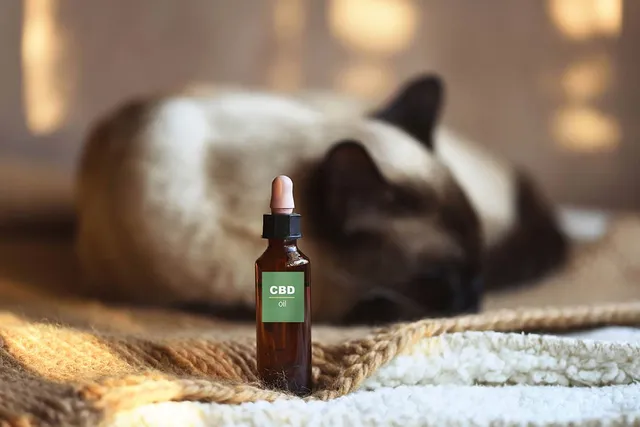
CBD for humans and CBD for cats contain the same active compound, but products may differ in formulation, dosage, and added ingredients. This means you should avoid sharing your CBD with your cat. Sharing your CBD with your four-legged friend is not recommended. It can even be dangerous and cause unnecessary harm.
Many CBD brands will add extras to make their CBD oil easier to consume. For example, human CBD supplements may have added flavors like fruits or chocolate to make them more enticing. However, certain flavorings or ingredients might be toxic for your cat.
The most significant difference is the concentration level within the specific product. The quantity and concentration of CBD products vary between human CBD and CBD for pets. Therefore, you could put your cat at risk with a dosage meant for you. For example, you may need to take one full dropper of CBD oil as a serving for your dose, but the calculated one serving for a human will not be the same for your pet.
When CBD is designed for pets, it comes in a different concentration intended just for them and might even come in a specific flavor designed for dogs or cats (flavors like bacon, peanut butter, and chicken). CBD for pets is also made with different carrier oils, such as MCT oil, hemp seed oil, olive oil, or fish oil, which are generally considered safe for pets.
Another important factor to consider is the THC concentration in CBD products. THC is a psychoactive compound that may produce intoxicating effects in humans and is toxic to pets, even in small amounts. THC content in CBD products can vary depending on the source, formulation, and regulatory standards, and may not always be accurately stated on product labels. Always review third-party lab testing results when available and consult a qualified veterinarian before giving any cannabinoid-based product to animals.
So, while human CBD may sometimes be used in pets under veterinary guidance, it is generally better to use CBD specifically made for cats and only under the guidance of your veterinarian.
Potential Benefits of CBD for Cats
While large-scale clinical studies on CBD and its effects in cats are limited, smaller studies and anecdotal reports suggest it may have potential relevance for pain and anxiety in both humans and pets. While humans have been using CBD to treat health issues for years, veterinarians didn’t begin exploring it for pets until fairly recently. Not only can CBD be used by our cats, but it also has similar benefits for cats as it does for us:

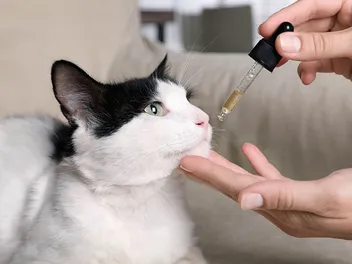
Giving CBD Oil to Your Cat
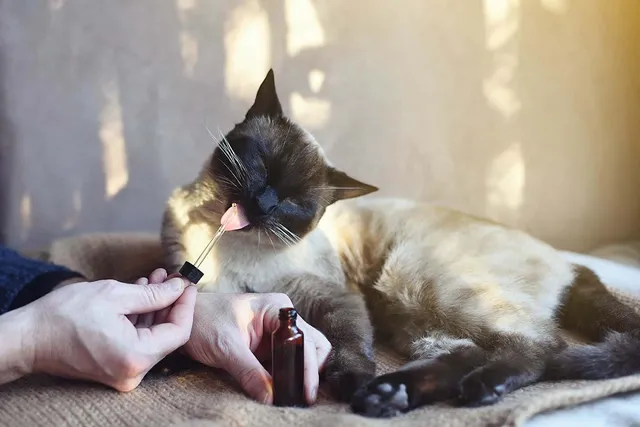
Before giving CBD oil to your cat, you should always consult a veterinarian and then check that you have the recommended concentration of CBD oil as stated on the packaging. As with adding anything to your pet’s diet, it is essential to do proper research first.
Here are the top factors to consider when choosing CBD oil for your cat:
- Buy organically: CBD oils can sometimes contain pesticides or other additives that may be harmful to pets with prolonged use. It is advisable to choose products that clearly list all ingredients and have quality testing.
- Read reviews and certifications: It is important that the CBD you give your cat is THC-free or contains non-detectable levels of THC and has third-party lab testing verification. Make sure you also look at reviews made by other cat owners.
- Buy oil instead of treats: While you may think it is easier to give your cat a quick treat to add CBD to their diet, the best form for our pets is oil. While treats can be convenient, CBD oil is often preferred because it allows for more precise dosage control.
Final Thoughts
If you are choosing to give your cat CBD, it is better for you to give them CBD that was specifically designed for them. Pet-targeted CBD is designed to fit their specific needs and recommended dosage, all while catering to their finicky taste buds.
CBD is not a miracle cure for all things, but some research suggests it may help reduce symptoms such as anxiety, depression, and pain in humans. If your cat often experiences stress, inflammation, and joint pain, adding CBD to their diet may be the extra help they need. Always talk with your veterinarian about any medical treatments and supplements you plan to introduce into your cat’s diet.
Sources
https://www.fitbark.com/blog/how-is-cbd-oil-different-for-pets-than-humans/
https://www.toe-beans.com/blogs/pet-blog/cats-human-grade-cbd
https://cannacompanionusa.com/blog/what-is-the-difference-between-pet-cbd-and-human-cbd-2/
https://joyorganics.com/blogs/news/cbd-for-pets-vs-humans-what-s-the-difference
Featured Image Credit: Kreminska, Shutterstock
Expert cat care, straight to your inbox
News, insights, and useful advice, delivered to you.

No spam — unsubscribe anytime.
By signing up, you agree to our Terms & Conditions and Privacy & Cookies Policy.
How useful was this post?
Click a star to rate. You can leave written feedback afterwards. (We read all feedback.)
Christian started writing for a local newspaper as a teenager, and he's been involved in the publishing industry for most of his adult life. Combining his love of writing with a passion for animals, he is currently the Director of Editorial at Pangolia and the Editor-in-Chief at Catster.
Christian lives in the Philippines with his wife, son, and four rescue cats: Trixie, Chloe, Sparky, and Chopper.