Is Argan Oil Safe for Cats: Vet-Reviewed Health Concerns


In this article
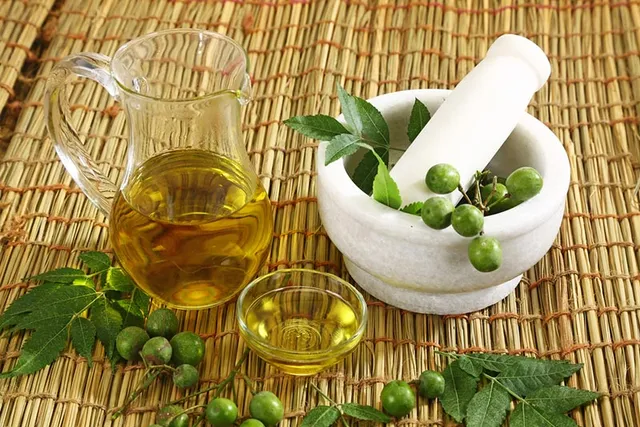
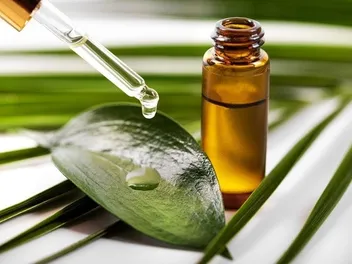
Argan oil is often found in cosmetics, lotions, shampoos, and conditioners. It’s also commonly used as a carrier for essential oils. Some evidence suggests that it may benefit humans, including hydrating skin and hair, and even help reduce inflammation.
The oil can be used for cooking and even as a condiment, much like olive oil. Although studies have been carried out regarding the safety and effectiveness of argan oil when used by people, similar evidence is lacking regarding cats. To be safe, it’s probably best not to feed argan oil or use it topically on your cat.

Argan and Essential Oils
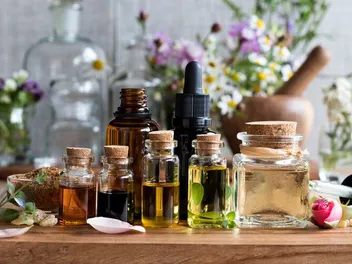
Argan oil is often used as a carrier for essential oils. Undiluted essential oils are often applied topically or inhaled in aromatherapy. They’re also regularly added to cleaning products and air fresheners. Essential oils contain distilled aromatic chemicals from plants.
It’s possible to find more than 90 types of essential oil, which have unique uses. Peppermint oil is often used to help digestive health, and tea tree oil is used to combat infections. However, regardless of the various benefits they provide humans, essential oils and argan oil are not safe for cats.
Essential Oils and Cats
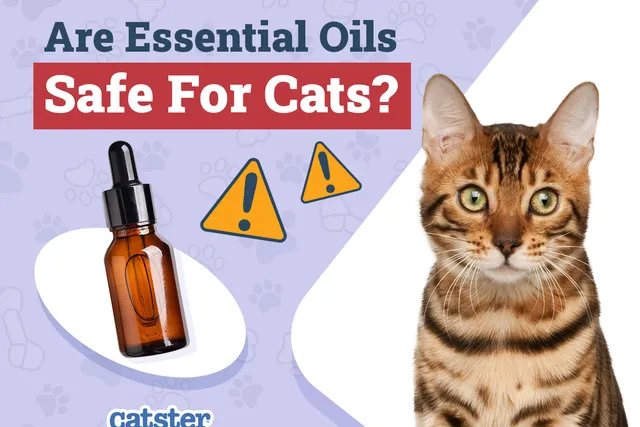
Essential oils and cats are an extremely bad combination. Several popular oils are toxic to cats, including tea tree, peppermint, and pine oils. Cats don’t have the proper liver enzymes to break down some of the chemicals in essential oils efficiently. They can become quite ill from ingesting or absorbing the products through the skin.
Cats can consume essential oils after walking through spills and licking their paws clean. Signs of essential oil poisoning include drooling, vomiting, lethargy, and a lack of coordination. If your cat has managed to get essential oil on their fur or skin, use a bit of dishwashing detergent to remove it to limit absorption.
Contact your veterinarian immediately if you suspect your cat has come in contact with any essential oil. Make sure to have the product your cat was exposed to on hand so you can provide accurate information and write down a few key facts your veterinarian is likely to want to know, such as how long ago your cat was exposed and if you’ve seen any signs indicating your buddy may be suffering from toxin ingestion.
Where Does Argan Oil Come From?
Argan oil comes from the argan tree, also known as Argania spinosa. The tree can be found in dry areas in parts of southern Morocco between the Sahara Desert and the Atlas Mountains. They can grow to heights of up to 25 feet and feature yellow flowers in spring.
Argan oil has a long and storied history in North Africa. The tree has been used for wood and oil since the 11th century or so, and it’s long been incorporated into Moroccan diets and beauty routines. Traditions surrounding the argan tree are on the United Nations’ list of the Intangible Cultural Heritage of Humanity, and part of the area where the trees grow natively has been named an International Biosphere Reserve by UNESCO.
Frequent Asked Questions
What Are Some Common Skin Feline Skin Conditions?
General hair loss, dermatitis, itchy skin, sores, infections, tumors, and dandruff are just a few common feline skin issues. Because skin conditions share similar signs, it’s important to have dermatological problems evaluated by a veterinarian for accurate diagnosis to ensure proper treatment.
How Are Skin Problems in Cats Diagnosed?
Veterinarians usually rely on a physical examination along with answers to questions such as when the issue first showed up, what kind of food your cat is eating, and if anything has changed at home that may be stressing your pet. Needle aspirates and biopsies are sometimes used to narrow down the causes of potentially concerning growths.
Are There Ways to Help Keep Cats' Coats and Skin Healthy?
High-quality food is essential for helping cats' skin stay supple and well-nourished. When cats don’t get all the nutrients they need, their coats become malnourished. Keeping up with flea and tick prevention can also minimize several skin problems. Cats that are stressed sometimes groom themselves too much, but pheromone products can help manage anxiety.

Conclusion
Many people swear by the health benefits of argan oil, and it’s commonly added to lotions, moisturizers, shampoos, and conditioners. It comes from a tree that grows in southern parts of Morocco, but the oil has become popular worldwide. Unfortunately, little evidence demonstrates the safety and effectiveness of using argan oil on cats. To keep your cat safe and healthy, avoid using argan oil or essential oils around your cat. If your cat has a skin condition or other health issue, your veterinarian can provide an effective treatment.
Sources
https://www.healthline.com/nutrition/argan-oil#TOC_TITLE_HDR_8
https://vcahospitals.com/know-your-pet/essential-oil-and-liquid-potpourri-poisoning-in-cats
https://www.missouribotanicalgarden.org/PlantFinder/PlantFinderDetails.aspx?taxonid=286835
https://ich.unesco.org/en/RL/argan-practices-and-know-how-concerning-the-argan-tree-00955
https://www.petmd.com/cat/conditions/behavioral/c_ct_fear_phobia_anxiety
Featured Image Credit: vovidzha, Shutterstock
Expert cat care, straight to your inbox
News, insights, and useful advice, delivered to you.

No spam — unsubscribe anytime.
By signing up, you agree to our Terms & Conditions and Privacy & Cookies Policy.
How useful was this post?
Click a star to rate. You can leave written feedback afterwards. (We read all feedback.)
Lorre Luther is a writer who is firmly convinced that cats are smarter than humans. She left her law career in the United States and moved to the Netherlands to follow her dream of becoming a writer. Lorre currently lives in Rotterdam, she enjoys traveling and greatly appreciates the beauty of nature. Lorre has a spot for animals and admires the intelligence of cats.