Get

In Your Inbox

Catster is reader-supported. When you buy via links on our site, we may earn an affiliate commission at no cost to you. Learn more.

How Long Should a Cat Be Confined After Being Spayed or Neutered? Vet-Approved Recommendations

Share

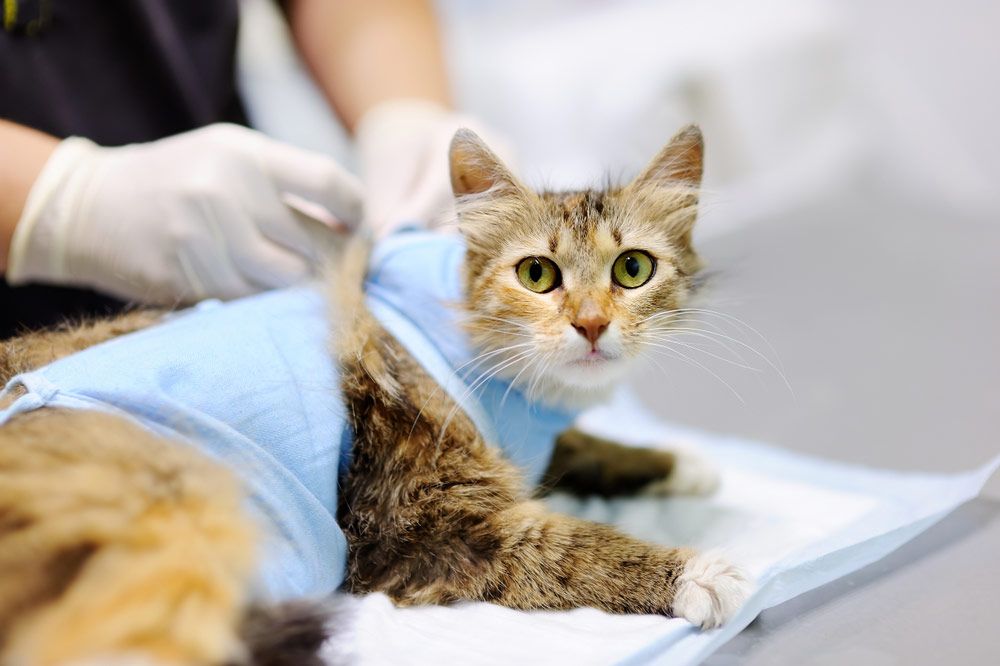
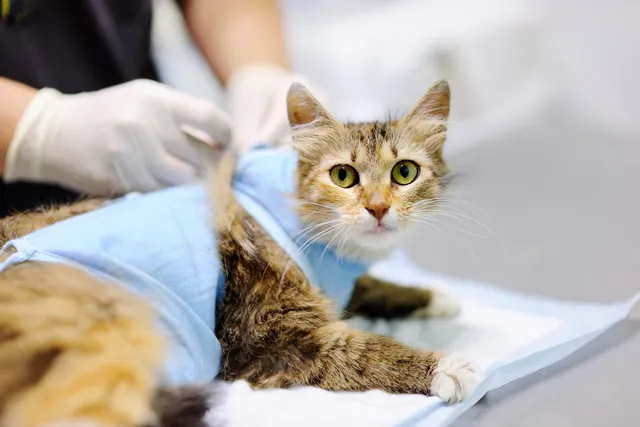
vet putting on surgical suit to a cat after surgery

Spaying and neutering your cat is highly recommended, not only for the prevention of health and behavioral problems, but also to help combat the severe overpopulation of cats. Overpopulation leads to homelessness and the risk of euthanasia.

Spays and neuters are common surgeries that are typically safe. The benefits greatly outweigh the risks. Most surgeries have some level of recovery time. Generally, your cat can be confined for around 24-48 hours depending on the vet’s recommendation. Let’s go over what you need to know about your cat’s recovery and the details about how long they should be confined after surgery.

divider cats oct 2024

Confinement After Surgery

Just like with humans, surgery is going to require a period of recovery. Spays and neuters are completed using anesthesia and those effects alone can last from 24 to 48 hours. Even after the effects of anesthesia wear off, your kitty is going to have an incision that needs time to heal properly.

It’s a good idea to have your home prepared before your kitty returns from the vet. This will allow you to bring them home and get them comfortable immediately, rather than having to get everything prepared right after you’ve arrived home with them.

The veterinarian will let you know when your cat is ready to come home and begin the healing process from the comfort of their own house. The amount of time your cat spends at the veterinary facility can vary by circumstance, but once you get your cat home you need to provide a clean, soft bed in a quiet location so they can rest and heal.

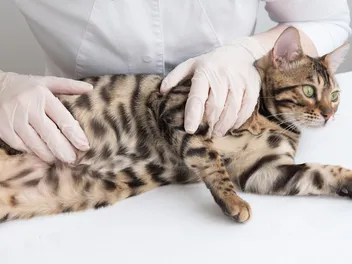
veterinarian examining a bengal cat at the clinic
Image Credit: Pressmaster, Shutterstock

Your Cat Needs Time to Recover and Heal

The reason for confinement is to keep the surgical site clean and provide enough time for the wound to heal. Cats don’t have the same type of awareness that we do after a surgical procedure and they don’t realize what they’ve been through, so it’s up to us as owners to ensure their safety during the recovery process.

It is recommended that you keep your cat confined in a kennel for at least 24 hours after returning home. Of course, make sure they have a litter box available so they can relieve themselves as needed. The veterinarian will give you recommendations on when to provide food and water and how much to offer.

The activity needs to be restricted for approximately 7 to 10 days after surgery. This means doing your best to prevent them from running, jumping, vigorously playing, or doing any other type of strenuous activity that could put them at risk of opening the wound site. If the wound site were to open, it leaves them at risk for infection.

Get in touch with a veterinarian if you have any pre- or post-operation questions and concerns.

If you need to speak with a vet but can't get to one, head over to PangoVet. It's an online service where you can talk to a vet online and get the advice you need for your pet — all at an affordable price!

PangoVet_Mention-in-Content for PangoVet2 save money

Post-Op Recommendations

The vet will provide you with all the information you need following the procedure, including behavior changes and any symptoms your cat may experience in the upcoming recovery period.  They will also advise you on when you should contact them with concerns.

  • Keep your cat quiet and ensure there is no running, jumping, playing, swimming, or other strenuous activity during the 7–10-day post-op recovery period.
  • Keep your cat indoors so they can remain clean, dry, and warm.
  • Avoid bathing your cat during their recovery period.
  • Check your cat’s incision twice daily for swelling, bleeding, discharge, or wound opening and contact the veterinarian with any concerns.
Male marble cat lying in cat bed
Image Credit: Iva Vagnerova, Shutterstock

Potential Complications

Spaying and neutering are both very safe surgeries that are performed regularly by veterinarians. This doesn’t mean that complications can’t occur. While minimal redness and swelling are normal, they should resolve within several days. If it persists, you need to reach out to the veterinarian. It’s best to keep an eye out for the warning signs of infection or more severe complications.

Signs of Wound Infection

  • Bad smell coming from the incision site
  • Acute redness, swelling, or bruising at the incision site
  • Bleeding or pus from the incision site
  • Persistent lethargy
  • Lack of appetite
  • Reopening of the incision site
  • Signs of pain such as shaking, hiding, or drooling
Orange cat drooling
Image Credit: Ling_Chen, Shutterstock

Benefits of Spaying/Neutering

In addition to helping reduce companion animal overpopulation, spaying and neutering have benefits associated with both behavior and health concerns for both males and females.

Benefits of Spaying Female Cats
  • They will not experience heat or estrus cycles
  • Eliminates unwanted behaviors related to heat cycles
  • Reduced risk of mammary gland tumors
  • Reduced or eliminated risk of ovarian and/or uterine cancer, especially if spay is done before the first heat cycle
Benefits of Neutering Male Cats
  • Reduces or eliminates the risk of spraying and urine marking
  • Less desire to roam
  • Reduced risk of fighting other cats
  • Eliminates the risk of testicular cancer
  • Reduced risk of prostate issues
veterinary-doctor-puts-the-bandage-on-the-cat-after-surgery
Image Credit: Maria Sbytova, Shutterstock

divider cats oct 2024

Final Thoughts

For the first 24 hours after bringing your kitty home from their spay or neuter, you will want to keep them confined to a comfortable, safe kennel per the veterinarian’s specific recommendations. After that, you will want to ensure your cat’s activity is limited for the next 7 to 10 days to ensure proper recovery and wound healing. It is best to keep an eye out for the warning signs of infection or more severe complications. Contact the veterinarian if you have any concerns after the surgery.

See also:


Featured Image Credit: Andrii Medvednikov, Shutterstock

Want content like this delivered to you?

Sign Up For Our Newsletter

News, insights, expert advice, and everything cat

* By submitting, you agree to our Terms & Conditions and Privacy & Cookies Policy.


How useful was this post?

Click on a star to rate (you can leave written feedback after clicking submit)

Help us improve Catster for pet parents!

Your feedback really matters.

What did you like about this post? Also how can we improve it?

Join the conversation

Leave a Reply

You’re very welcome to leave a comment or question. Please know that all comments must meet our community guidelines, and your email address will NOT be published. Let’s have a positive and constructive conversation.


Talk With A Vet Online

Peace of mind,
anywhere, anytime

Affordable vet advice

Do Cats Cause Schizophrenia? Scientists Find a Link – Here’s What It Means

Being a fierce advocate (and occasional recipient of) mental health support and awareness, the term ‘crazy’ is not one I like to fling...

One in 100 Cats Gets Diabetes – Here’s How to Catch It Early

One in every 100 cats develops diabetes.1 That’s not a rare, unlucky condition reserved for cats with obvious health problems. It’s common enough...

Dramatic Rescue Turns Into Dramatic Reunion

What started as a routine call for the RSPCA became a heroic, five-hour rescue featuring one trapped and traumatized cat, an emotional family...

Ask Dr. Paola – Help! How Do I Know if it’s Ear Mites! (May 4, 2026)

Welcome to our “Ask Dr. Paola” series, where every Monday we bring expert advice straight from Dr. Paola Cuevas (MVZ) to help our...

More related

Welcome to Seborga: A Small Mediterranean Nation of Cats

Tucked away in the southernmost foothills of the Alps, within sight of the Mediterranean Sea, is a tiny and little-known nation teeming with...

How Can I Contact a Vet If I Am in the Middle of Nowhere? 5 Ideas to Help

It’s every pet parent’s worst nightmare: being stuck somewhere and not being able to access a vet if your pet is hurt or...

How Soon Can a Cat Get Pregnant After Giving Birth? Vet-Reviewed Facts & FAQ

Cats are adorable pets that bring millions of people joy and comfort. However, their reproductive cycles can be challenging to navigate, and many...

My Cat Is Suddenly Pooping a Lot: Our Vet Discusses What’s Normal

Monitoring your cat’s poops is one way to do a quick audit of their health. You have probably noticed that poop questions will...

Keep reading

Can Cats Eat Wheat? Vet Approved Nutrition Facts & FAQ

Cats are always interested in eating, and it can be tempting to share food with these furry family members. But this isn’t always healthy for them, depending on what you’re eating. Cats may want to eat your food, but that...

Can Cats Eat Wheat

Why Do Cats Like Clean Laundry? 4 Vet-Reviewed Reasons

For some reason, cats can’t seem to resist clean laundry. Most relish burrowing into warm laundry fresh from the dryer, and many refuse to move once comfortably snuggled deep in a laundry basket full of toasty sheets or clothes. But...

Cute kitten sleeping in laundry basket

Can You Get Rabies from a Cat Scratch? Vet-Reviewed Facts & FAQ

Rabies is a disease that used to be relatively common among domestic animals, including dogs, ferrets, and cats. It’s possible for any mammal, including humans, to catch and transmit this devastating viral disease. Louis Pasteur developed the first human rabies...

cat scratching owner

10 Halloween Safety Tips for Your Cat: Vet-Approved Advice

While there’s a strong association between cats and Halloween, many cats can feel spooked or stressed out during this holiday. New Halloween decorations, trick-or-treaters visiting your door, and other changes in routine can cause cats to feel uneasy. Therefore, it’s...

black cat surrounded with halloween pumpkins

Hand Sanitizer & Cats: Vet-Reviewed Safety Tips & How to Use It Around Your Pets

In the wake of heightened health awareness, hand sanitizers have become a staple in households worldwide. While they offer a convenient way to eliminate germs from our hands, pet owners, particularly cat owners, face a unique set of challenges. Keep...

Woman Applying Hand Sanitizer

Will Bed Bug Spray Hurt My Cat? What You Should Know!

Bed bugs can cause a troubling infestation in any home, and while they rarely bother cats, they can use pets as a form of transportation to spread throughout the house. You will want to get rid of them as soon...

hand spraying on bed

Can Cats Smell Other Cats on You? Does This Make Them Jealous?

Last weekend, when you went to that house party, and your friend’s cat curled up in your lap, did your cat give you one sniff when you got home and then shun you for the rest of the night? Are...

cat smelling woman's chin

9 Best Cat Foods for Cats with Allergies in 2026 – Reviews & Top Picks

While food allergies are rare in cats, they can cause significant issues and discomfort for cats that are allergic to certain foods. It’s often challenging to find cat food that doesn’t irritate their skin or cause an upset stomach. When...

tabby cat eating from metal bowl

Love Cats? So Do We! Join the Catster Community

Stay informed with expert pet care insights delivered straight to your inbox! Discover professional guidance on animal behavior, feeding tips, trusted product picks, and much more.


Sign up for the Catster Email Newsletter

Stay informed with expert pet care insights delivered straight to your inbox! Discover professional guidance on animal behavior, feeding tips, trusted product picks, and much more.