How to Stop a Cat From Overeating: 9 Vet-Approved Tips & Tricks


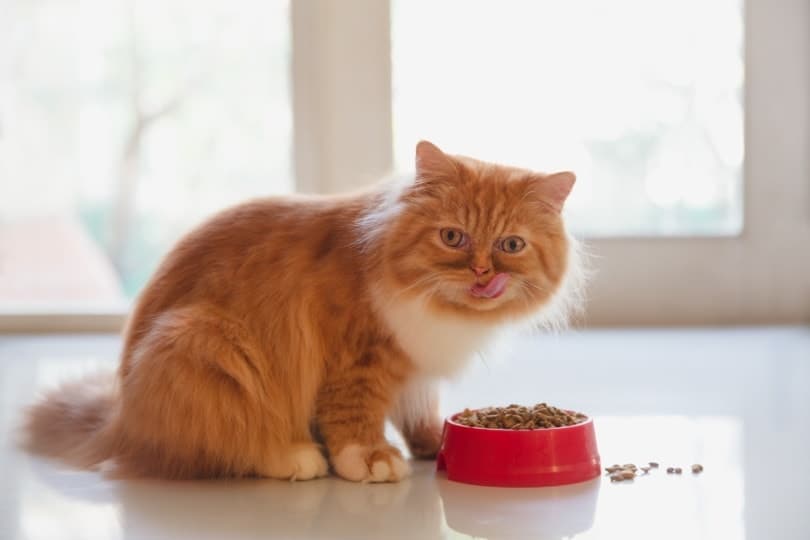
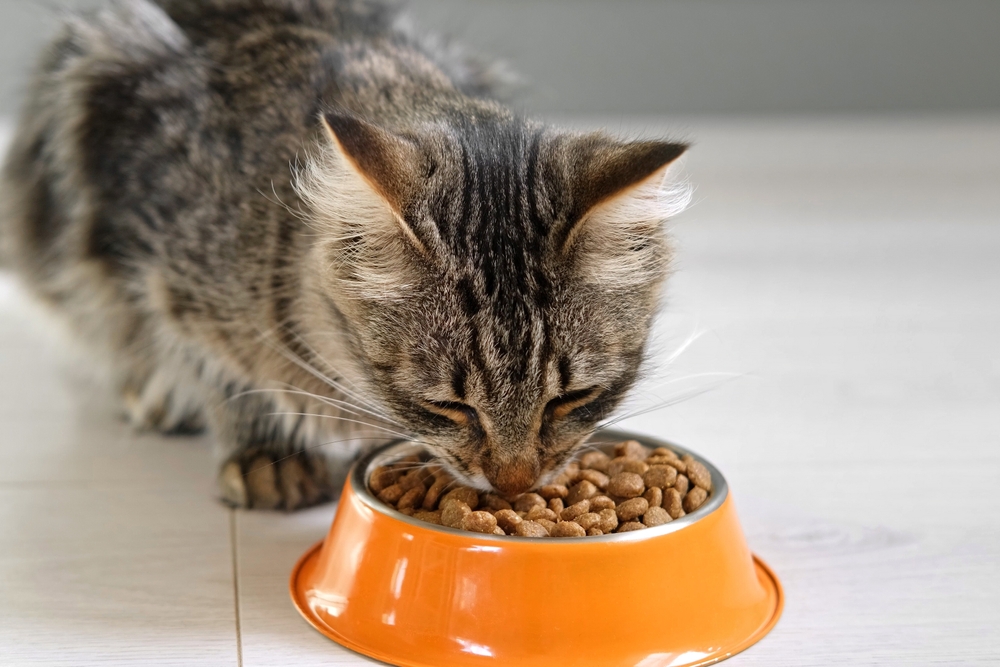
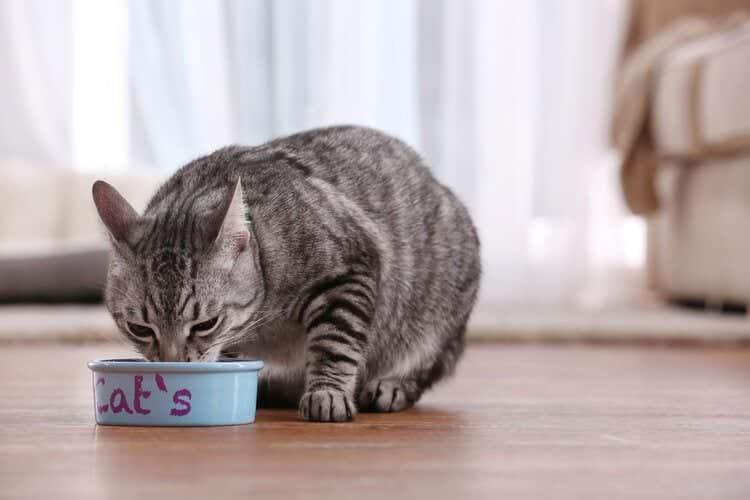
Everyone wants their furry feline family member to be happy and satisfied, and your cat having a fulfilled and healthy appetite is part of them living a well-balanced life. However, a good appetite doesn't mean they should be consuming more food than they need. However, some kitties, like people, are more food-orientated than others and love to overindulge.
Some cats are grazers and have the ability to self-regulate and know how much food to consume to meet their daily energy and nutritional requirements. However, many other domestic cats can be a bit gluttonous and will overeat if food is left out all day. Left to their own devices they would eat everything you put out and would steadily start to gain weight. This scenario is far from ideal as being overweight puts your cat at an increased risk of many health problems such as diabetes and joint issues. Luckily, we have a few tips and tricks to help stop your cat from overeating.

The 9 Tips to Stop a Cat From Overeating
If you have a foodie feline, then addressing how much they eat and how fast they eat their meal is a challenge but is one you need to tackle. Before making any changes to their diet and lifestyle, however, it is beneficial to have your cat examined by your veterinarian. They will assess your cat's overall health and check for any signs of medical conditions, as well as give additional advice to get your cat back on track.
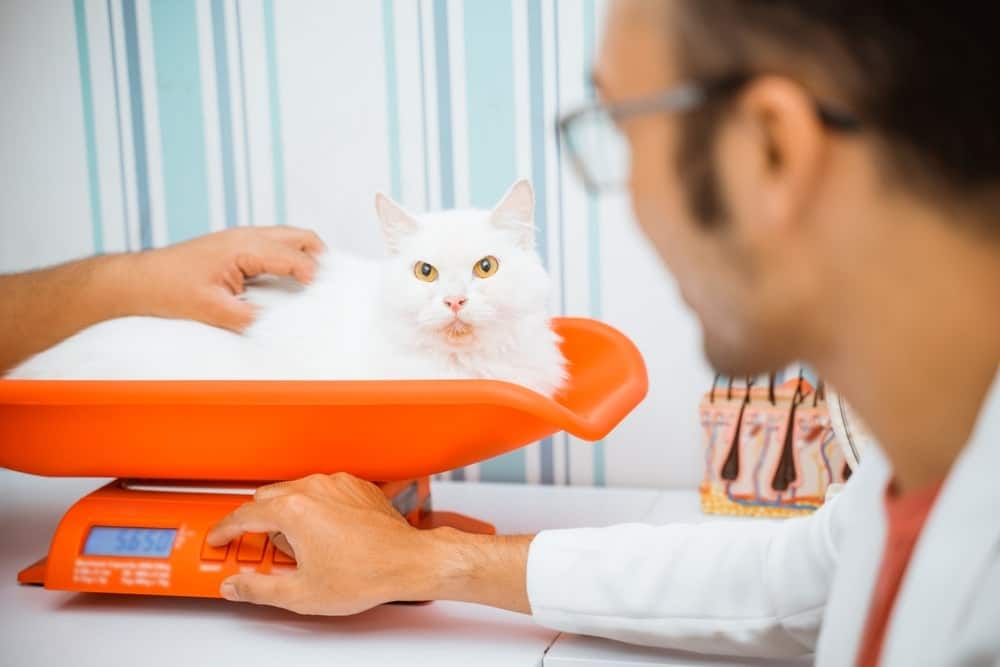
Don’t forget to regularly monitor your cat’s weight and body condition as you embark on this journey. This helps you to know you and your cat are on the right track and alerts you to any significant changes that may need a further check-up with your vet.
For now, though, here are nine great ways to help slow their eating.
1. Control Portion Sizes
While they may not appreciate this act initially, take responsibility for the amount you feed them. This is a factor you do have control over, and all cat food has feeding guidelines on the packaging. Feed the amount for the weight your cat should weigh or as recommended by a vet. Weigh out their food—do not guess! Alternatively, use a measuring cup as supplied by the manufacturer for your chosen diet.

2. Scheduled Feedings
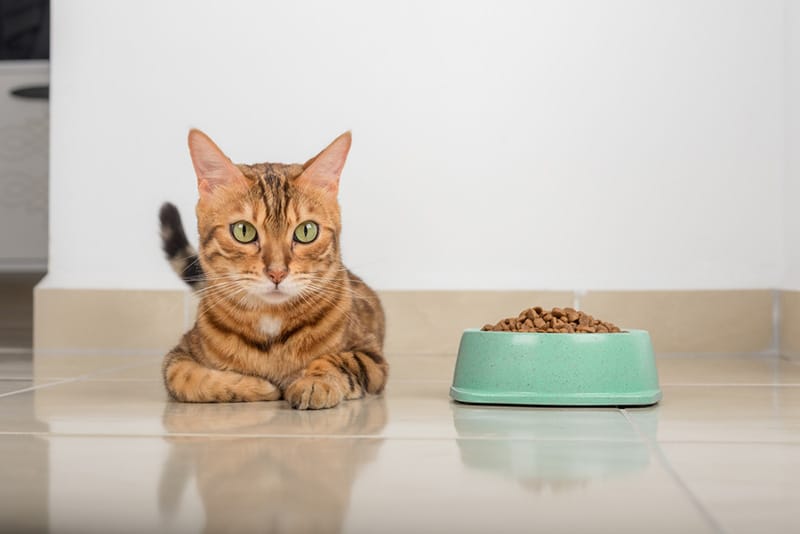
Instead of leaving food out all day for them to graze on, establish a feeding schedule and routine. Divide your cat's daily food allowance into at least two or three meals. This helps regulate their eating habits and prevents binge eating, as they will learn the pattern and be reassured and confident another meal is coming. Many cats prefer multiple small meals as they are naturally adapted to eating little and often. Technology and automated feeders that dispense measured amounts of food at certain times during the day can help when you are not around.
3. Choose a High-Quality Diet
Opt for high-quality cat food that is appropriate for your cat's age, weight, and health condition, or at least the best that you can afford. With pet food, you sometimes, but not always, get what you pay for. Cheap foods are often full of low-quality ingredients that frequently leave cats feeling hungry and unsatisfied. Higher-quality foods use better ingredients that are more nutrient-dense and better absorbed by the body, meaning your cat may need to eat less to get the necessary nutrients and still feel satiated. Ask a vet for help with navigating the numerous food choices on the market and to know what to look for when choosing the perfect cat food.
4. Slow Feeding Solutions
Use puzzle feeders, toys or slow-feed bowls to make mealtime more engaging and to slow down your cat's eating pace. This can help prevent overeating while also providing activity and mental stimulation.
5. Avoid Feeding Human Food
Human food can often be high in calories and do little to provide the necessary nutrients for a cat's diet if fed as treats. If you are feeding a homemade diet to your cat, check in with your vet or veterinary nutritionist to make sure the type and amount of ingredients you are using are correct for them. Otherwise, avoid feeding your cat from your plate, despite any pleading looks they may cast your way.

6. Regular Exercise
Engage your cat in regular play and exercise to help burn calories and maintain a healthy weight. Use toys that encourage physical activity. These all help to reduce hunger and obsession with food.
7. Monitor Treats
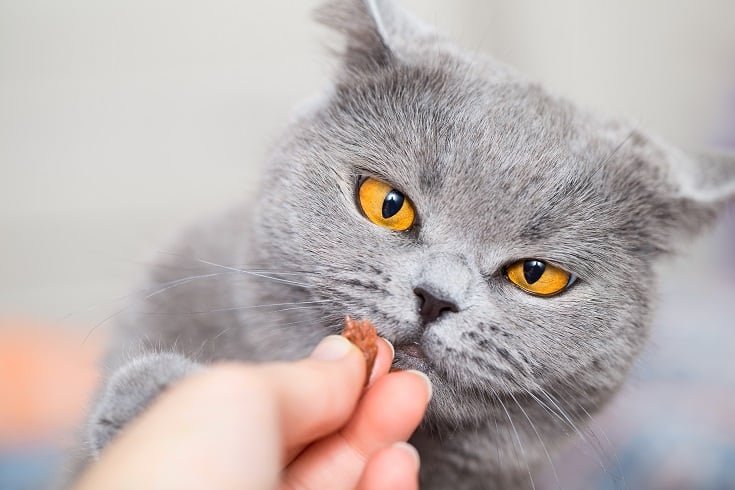
Be mindful of the number of treats you give your cat, as they can contribute significantly to overall calorie intake. Choose low-calorie treats or break treats into smaller pieces. Use cat-friendly ones only and note that any treats fed should not make up more than 10% of their daily calorie requirement.
7. Address Behavioral Issues
Sometimes overeating can be a result of stress, anxiety, or boredom. Ensure your cat has a stimulating environment with toys, scratching posts, and interaction with you and other family members. Assess your living space and lifestyle for any stressful encounters or situations such as new pets, change of furniture, construction around the house, etc.
9. Location
Sometimes simple moves like changing where you feed them solves the problem. Loud and busy locations can cause stress which can either mean cats eat less, or they feel forced to eat quickly, leading to overeating. This can also be the case in multi pet households where a cat feels under pressure from other animals when they are eating. Try to pick a location in the house which is calm and quiet, where your cat feels secure and can eat without pressure.

Conclusion
“Fat cat” is often a term of endearment used in the feline community; however, it is neither a healthy one nor an ideal one. While your kitty may enjoy their grub, keeping an eye on them and monitoring the amount they are fed is crucial to their well-being. If you have an over-eater, then hopefully these tricks and tips helped! Remember, any sudden changes in a cat's eating habits or excessive overeating might indicate a health issue, so seek advice from a veterinarian if you have any concerns.
Sources
Featured Image Credit: Patrick, Foto_Shutterstock

Expert cat care, straight to your inbox
Vet-reviewed advice, behavior tips, and the best of Catster. Free, and you can unsubscribe anytime.
By signing up, you agree to our Terms & Conditions and Privacy & Cookies Policy.
Annaliese qualified as a veterinary nurse from Edinburgh and went on to attain a diploma in advanced veterinary nursing in surgery from London. Throughout this time, she worked in both small and mixed veterinary practices and gained head nurse status.
Having cared for thousands of patients and owners, and after more than two decades in the veterinary and pet care industries, both as a vet and a writer, she has now officially retired her scrub suit and now works as a full-time writer.
Join the conversation
Ask a question, share your story, or send private feedback.