Get

In Your Inbox

Catster is reader-supported. When you buy via links on our site, we may earn an affiliate commission at no cost to you. Learn more.

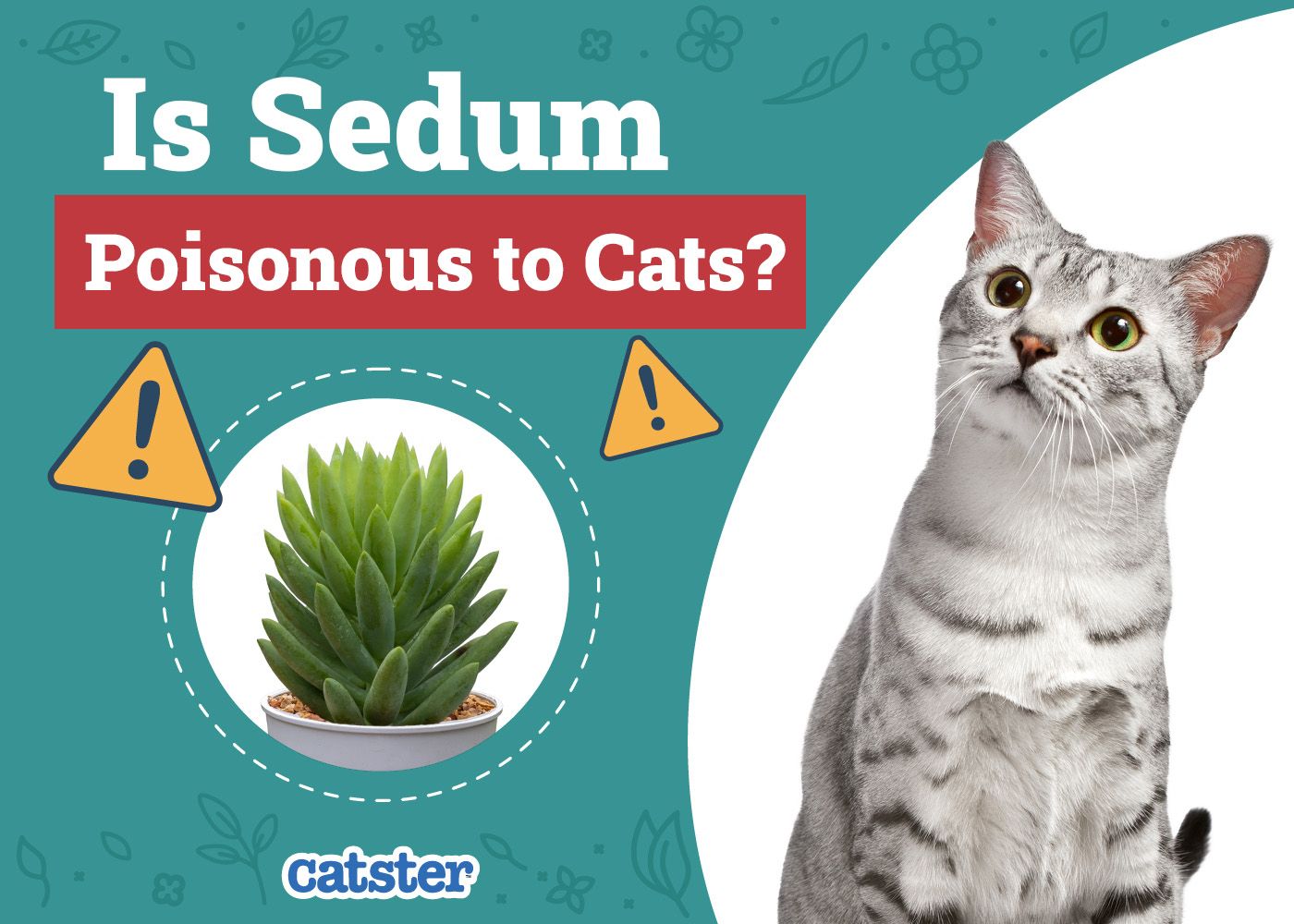
Is Sedum Poisonous to Cats? Common Houseplants Examined & Vet-Reviewed

Share

Catster_Is Sedum Poisonous to Cats

When it comes to succulents and cats, you can never be too careful. The last thing you want is something growing in your garden or that you bring into your home to make your furry friend sick or worse.

Luckily, sedum is one of the succulents that aren’t poisonous to cats. Genus Sedum or stonecrop consists of around 600 species of succulent plants in the family Crassulaceae.1 However, some succulents are toxic not only to your feline but also to dogs and horses.

In this article, we’ll discuss what sedum is and what it’s used for, and then we’ll examine the succulents you’ll want to avoid and a few others that are safe to have around your animals.

divider single cat paw oct 2024What Are Sedum Succulents?

Sedum Succulent
Photo Credit: Pixabay

Sedum is also known as stonecrop. Officially called the Sedum genus, the succulent is made up of several hundred succulents and is used for groundcover in gardens and houseplants. It stores water in its fleshy leaves and is exceptionally hardy. Sedums require very little care for them to thrive indoors.

Although sedums are safe to keep in your home around your cats, any cat can have an allergic reaction to a succulent. If you feel that sedum succulents have made your cat sick, it’s best to make an appointment with a vet to be on the safe side.

What Are the Signs to Watch Out For?

If you think that sedum succulents are upsetting your cat’s stomach, if they eat them in excess, there are a few signs you need to watch out for.

  • Vomiting
  • Upset stomach
  • Drooling
  • Diarrhea

While sedum succulents aren’t toxic to cats, there are quite a few succulents out there that are. Below, we’ll give you a brief list of the toxic succulents for your cat and then a list of the ones that are safest to have around your feline pals.

divider cat faces 2 oct 2024

Which Succulents Should You Keep Away from Your Feline?

Some succulents are more dangerous than others. It’s a good idea to download the ASPCA’s toxic plant list and use it every time you decide to bring a new plant home. Many pet owners are surprised at the number of succulents on the list that are dangerous to their pets.

You can also ask the nursery owners for additional care tips and information on how the species can be kept without harming your pets. However, there are a few succulents that you should avoid at all costs.

Aloe Vera

aloe vera plant
Image Credit: Nevada31, shutterstock

While great for sunburn, cuts, and cosmetic reasons, aloe vera isn’t the best thing to keep around your cats. If your cat eats the aloe vera plant, it can cause vomiting and diarrhea. Most cases of aloe vera toxicity are mild to moderate, but that depends on the amount your cat ingests before you notice.

Other Succulents to Avoid

  • Jade
  • Crown of Thorns
  • Kalanchoe
  • Pencil Cactus

Which Succulents Are Safe to Have Around Your Feline?

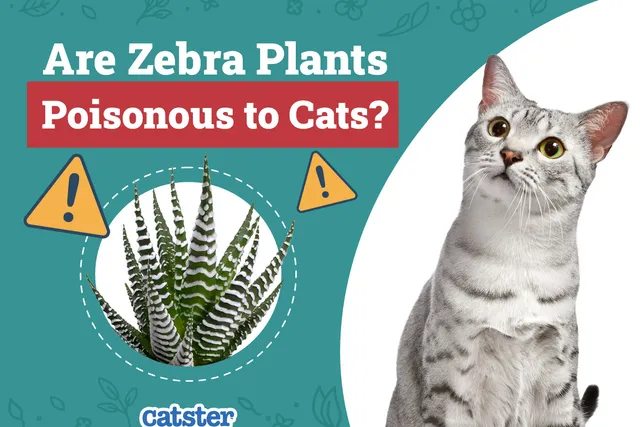
Ponytail plant
Image Credit: Alexas_Fotos, Pixabay

While it’s sad that you can’t keep all the succulents in your home, at least there are quite a few that you can have.

  • Houseleeks
  • Haworthia
  • Burro’s Tail
  • Ponytail Palm
  • Christmas Cacti
  • And more

If you’re unsure which succulents are safe to have around your cat, you can discuss them with a vet or check out the ASPCA Toxic and Non-Toxic Plant List.

If you need to speak with a vet but can't get to one, head over to PangoVet. It's an online service where you can talk to a vet online and get the advice you need for your pet — all at an affordable price!

PangoVet_Mention-in-Content for PangoVet2 save money

How Can I Keep My Cat Safe?

You can restrict access to the plants, so your cat is not tempted to swipe or bite the sedums.

It’s best to keep the succulents in a room with a locked door since fallen leaves are seen as toys by many cats and can still make them sick if ingested. Elevating your sedums in plant baskets can also help, but you’ll have to check the floor underneath for fallen leaves and blooms frequently.

divider cats oct 2024Wrapping Up

Researching the succulents and worrying about which ones are safe for your cat can be overwhelming and scary. Luckily, you can prevent your furry friend from eating succulents that could harm them by researching the particular species before you go to the plant nursery.

It’s best to give away any plants that could hurt your animals, but if you decide to keep them instead, put them where your cats, dogs, and other animals can’t reach them. If your cat is poisoned by a succulent or another plant, get them to an emergency vet immediately for diagnosis and treatment.


Featured Image Credit: Pixabay

Want content like this delivered to you?

Sign Up For Our Newsletter

News, insights, expert advice, and everything cat

* By submitting, you agree to our Terms & Conditions and Privacy & Cookies Policy.


How useful was this post?

Click on a star to rate (you can leave written feedback after clicking submit)

Help us improve Catster for pet parents!

Your feedback really matters.

What did you like about this post? Also how can we improve it?

Join the conversation

Leave a Reply

You’re very welcome to leave a comment or question. Please know that all comments must meet our community guidelines, and your email address will NOT be published. Let’s have a positive and constructive conversation.


Catster's Digital Magazine is Back!

Vet-approved health & behavior advice

Real cat stories & community features

The Surprisingly Simple Ways to Help a Cat With Hairballs

Cats spend an astonishing amount of time grooming. It is part hygiene routine, part comfort ritual, and part instinct that traces back generations....

What a CATastrophe! A Tire-ing Ordeal For a Pony in the UK

As you would expect, our weekly news updates are usually centered around feline topics – we are a cat care website after all...

Ask Dr. Paola – Help! My Cat Has Stopped Eat His Wet Food! (June 1, 2026)

Welcome to our “Ask Dr. Paola” series, where every Monday we bring expert advice straight from Dr. Paola Cuevas (MVZ) to help our...

Chatting About Fake News in the Pet World, AI Again, and New Age Journalism | Chatty Cattys, Episode 23

Navigating the modern digital landscape requires a sharp eye to distinguish fact from fiction. In this episode of Catster’s podcast, Chatty Cattys, Nicole...

More related

Is the Buttercup Toxic to Cats? Vet-Approved Facts & FAQ

The buttercup plant (Ranunculus acris), also known as butter cress or figwort, is a member of the Ranunculaceae family (that’s a mouthful!). It’s...

Orange Bengal Cat: Info, Pictures, Facts & History

Orange Bengal cats are hybrid cats that look like they just stepped out of the jungle, which makes sense because they have Asian...

Persian vs Himalayan Cat: What’s the Difference? (With Pictures)

It’s easy to get the Persian and the Himalayan confused. Both of these immaculate, stunning purebreds have similar features and long, flowing coats....

Can Humans Get Lice From Cats & Vice-Versa? Vet-Approved Facts

Nobody wants to deal with lice in their home, and when you find some on your cat, you can find yourself scratching and...

Keep reading

I Can’t Find My Cat Anywhere in the House: What to Do Next & Useful Tips

Not being able to find your cat can be a scary experience, and it’s easy to slip into panic mode, but keeping a calm, cool head is essential when creating an effective plan to find your cat. The first step...

Woman looking for cat under the sofa

Does Catnip Really Make Cats High? What You Need to Know!

It’s no secret that many cats love catnip. The plant, which is in the mint family, has a potent effect on felines, making them roll around, playfully bite things, and generally act like they’re high. But what’s really going on?...

Gray Cat Enjoying Fresh Catnip_Anna Hoychuk_shutterstock

Do Flea Collars Work on Cats? Vet-Approved Facts & FAQ

As much as we love our cats, dealing with fleas can be a huge pain. Flea collars are one method of flea prevention that many pet owners opt for, but do they actually work? The answer is yes, but they...

tortie Oriental cat wearing flea collar

Do Cats Pee to Mark Territory? Vet-Reviewed Cat Behavior Explanation

If you’ve ever seen your cat back up to a wall, the couch, or anywhere that is a vertical surface and spray urine, it’s called urine marking or spraying. Cats indeed spray to mark their territory, especially if they are...

a white cat spraying the wooden gate

Is Cat Ear Tipping Cruel? Vet Reviewed Facts & FAQ

Cat ear tipping is a beneficial procedure performed on feral cats living in a community colony. While it may look strange, it is an easy way to identify cats that are neutered in the community by sight alone. This procedure...

an ear tipped cat outdoors

Why Is My Cat Not Eating After Our Move? Vet-Reviewed Stressors

Moving can be a very exciting experience, but it is also a very stressful time for all involved. After all, you are packing up your entire life and moving it elsewhere. Regardless of the distance and how smooth the process...

cat in messy house

Can Cats Eat Eggplant? Vet-Reviewed Nutrition Facts

We all love sharing food with our cats but often wonder what foods are fine or harmful. Eggplant might be one of those foods you are unsure about. Even though you might be tempted to share some eggplant with your...

Can Cats Eat Eggplant

How Many Fleas Is Considered an Infestation on a Cat? Vet-Approved Signs & FAQ

Fleas are a common problem for cats and not only cause various degrees of itchiness and discomfort but can also transmit diseases and pose a risk to anyone in the household. Even one flea on your cat is a big...

Cat wearing collar scratching and itching

Love Cats? So Do We! Join the Catster Community

Stay informed with expert pet care insights delivered straight to your inbox! Discover professional guidance on animal behavior, feeding tips, trusted product picks, and much more.


Sign up for the Catster Email Newsletter

Stay informed with expert pet care insights delivered straight to your inbox! Discover professional guidance on animal behavior, feeding tips, trusted product picks, and much more.