How to Get a Cat Used to a Collar: 5 Easy Vet Reviewed Tips



In this article
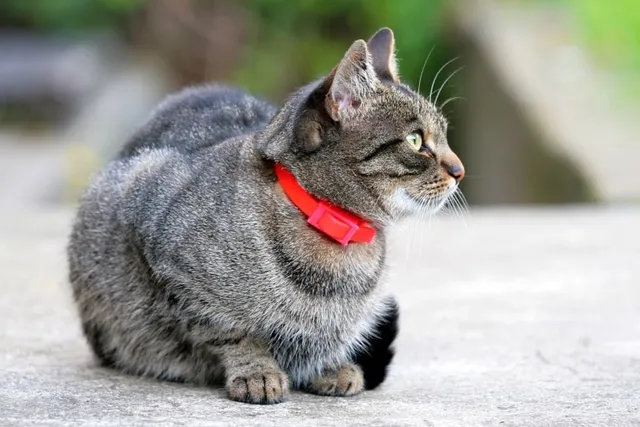
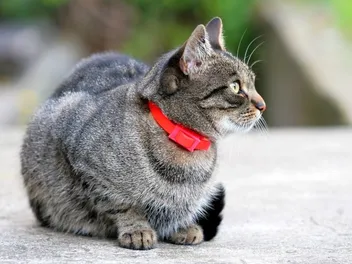
Cats like routine and familiarity, and trying new things is not their favorite activity. Trying new things may be necessary when it comes to your cat’s safety, such as wearing a collar.
You must take your time with the process when introducing your cat to something new, as it will take a while for them to grow accustomed to something. If you properly introduce the collar, they will be more likely to accept it.
If you’re looking for tips on encouraging your cat to wear a collar, we have listed 5 points to follow.

The 5 Ways to Get a Cat Used to a Collar
1. Pick the Best Time to Try on the Collar
The time of day you put on your cat’s collar may seem inconsequential, but it can make a huge difference. It is especially true if this is your cat’s first time wearing a collar. For example, if your cat is more relaxed after a meal, it could be an excellent time to try it on. Anytime your cat is calm and willing to cooperate with you is the best time to try something new.
You should avoid putting a collar on your cat at certain times of the day when there is a lot of noise or activity or your cat is stressed. For instance, if there are instances when your cat is hyperactive because the family is home from work and school and hiding because the neighbor’s dog is barking, they are not good times to try on a collar. Since you know your cat best, you can decide on the ideal time to try on the collar.

2. Allow Your Cat to Investigate the Collar
Before placing the collar around your cat’s neck, allow them to check it out. You can hold it out to them or place it on the ground so they can approach it and investigate at their own pace.
Your cat may need time to grow comfortable with the unfamiliar object. Importantly, this isn’t a process that should be rushed. If you force your cat into accepting the collar, you may frighten them away and cause the exact opposite of what you were trying to accomplish.
3. Cover the Collar with Calming Scents
If your cat is still shying away from the collar despite introducing it at a gradual pace, calming scents may help. You can purchase cat pheromone sprays that may help soothe your cat. These drug-free solutions mimic the calming pheromones of a mother cat and comfort those who may be tense or irritable.
Another option is to use your cat’s scent to calm them. If you gently rub a cloth over your cat’s face, you can then rub it on the collar to transfer the scent onto it. When your cat smells the scent on the collar, it may help them accept it more readily.

4. Put the Collar on Temporarily
Once your cat seems adjusted to the presence of the collar, try putting it on them. While they wear it, soothe them with petting, calming words, and plenty of treats. The treats will help your cat develop a positive association with wearing the collar, making it much easier to put it on them in the future.
Remove the collar after a few minutes. The next day, try it again but keep it on longer. You can slowly build up your cat’s tolerance to the collar until they fully adjust to wearing it all day.
5. Monitor Your Cat’s Comfort
As your cat wears the collar more frequently, do not forget to continue monitoring their comfort. If your cat is uncomfortable with the collar, they may try to take it off. The collar should not be too tight or loose around your cat’s neck. A well-fitted collar should allow you to slide two fingers between the collar and your cat’s neck without discomfort.
You should check that the collar still fits as your cat grows. You may need to readjust or buy a new collar if they gain or lose weight. If it’s too tight, it may squeeze their neck and cause severe discomfort. If it is too loose, it can get caught on objects and cause an injury.
How to Choose the Right Collar
Choosing the right collar is essential for your cat’s safety. When picking out a collar, there are a few things to consider: what type of collar you should get, the texture of the collar, and whether you want to include attachments.
Breakaway collars are considered by many to be the only ones safe for cats. They open if your cat is stuck on something, ensuring they can break free if necessary. You should avoid the collar if there are sharp edges along the sides. They can irritate or cut your cat's skin.
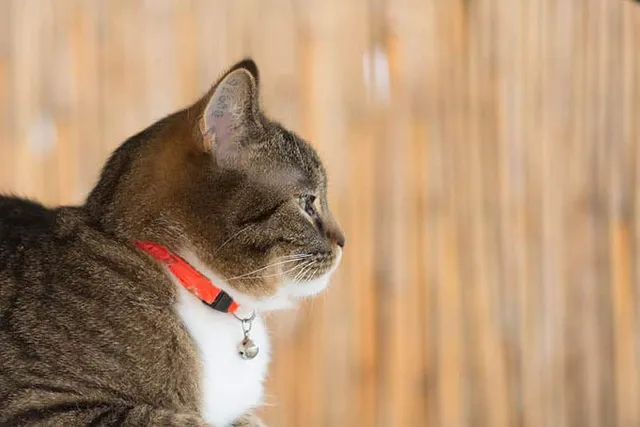
Attachments (such as a bell or a pendant with your contact information) can help you locate your cat if they get lost, but they also can get stuck and cause your cat problems. Some collars can be engraved with your contact info, and if you want your contact information visible but do not want your cat to get trapped accidentally, this option is ideal.
Final Thoughts
A collar can be difficult for your cat to adjust to initially, but they may be more likely to accept it if you can slowly introduce it. By choosing a suitable collar and giving your cat the time to investigate it before wearing it, you'll allow them to become familiar with it. After your cat accepts wearing the collar for short periods, you can gradually increase the time, and soon, they shouldn't have issues wearing it all day.
Sources
Featured Image Credit: Daniel-Rajszczak-Shutterstok
Expert cat care, straight to your inbox
News, insights, and useful advice, delivered to you.

No spam — unsubscribe anytime.
By signing up, you agree to our Terms & Conditions and Privacy & Cookies Policy.
How useful was this post?
Click a star to rate. You can leave written feedback afterwards. (We read all feedback.)
Cats are Jordyn’s passion. Whenever she has the opportunity she loves to learn about animals and share her knowledge with everyone. She is devoted to her sassy tabby cat named Jack and works hard to buy him his favorite treats and toys. Discovering new ways to better care for her cat is always on her to-do list, and she is eager to help pet parents everywhere. In Jordyn's spare time, she loves to write, read, and take long walks. She has a creative spirit, which often helps her to come up with funny cat names.