How To Stop Cats From Eating Plants: 8 Vet-Verified Proven Methods


In this article
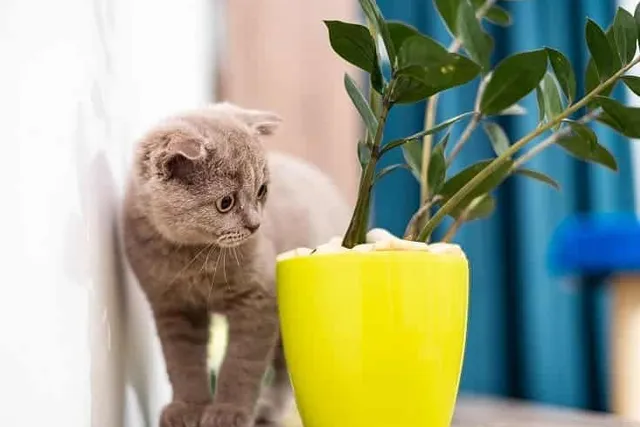
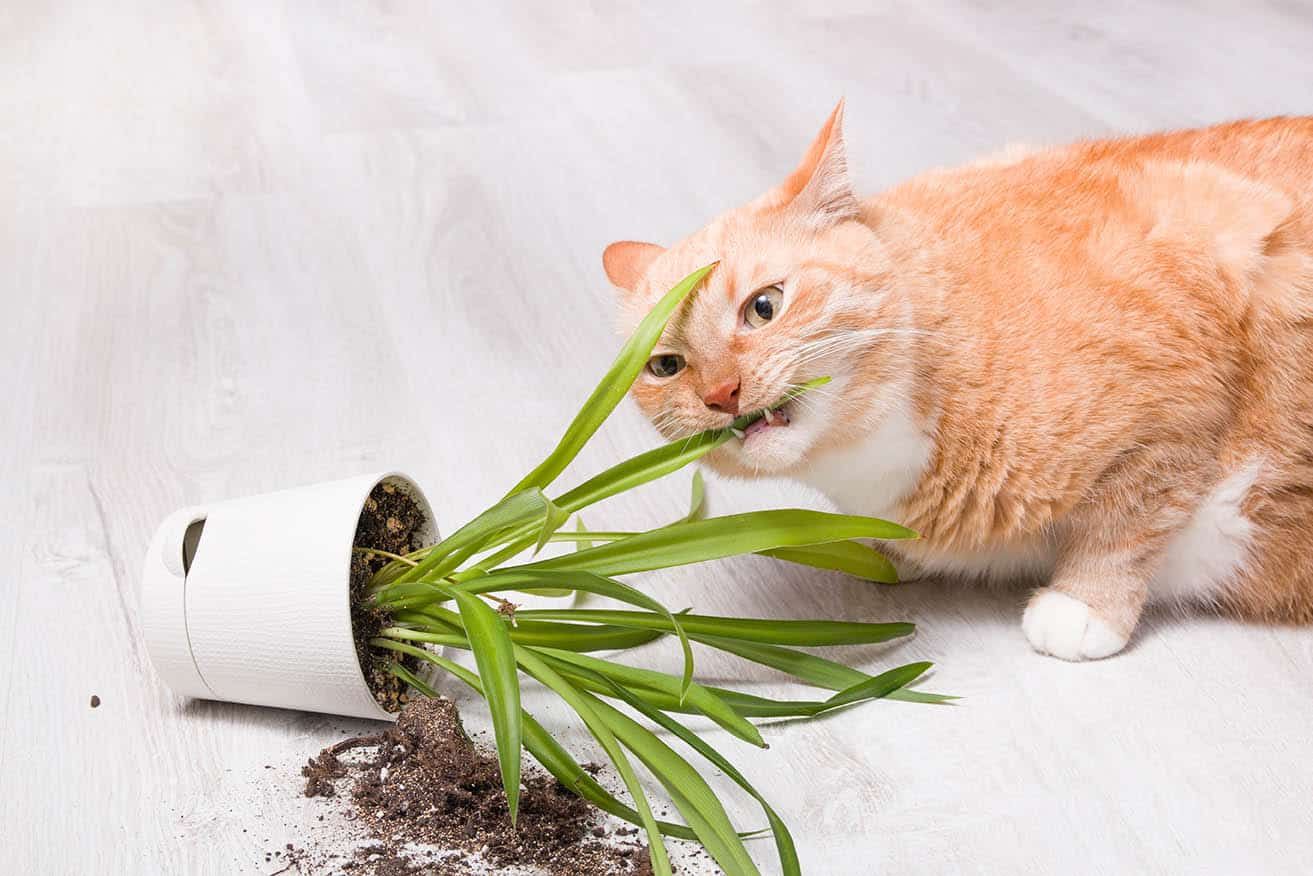
Cats are curious, and they’re known troublemakers. They get into everything, and since they believe that everything they see belongs to them, they’ll tear things up without giving it a second thought. Sometimes, that includes your houseplants. You might find your cat ripping your plants apart or chewing on the leaves; either way, it’s not something you want to see.
Aside from the obvious mess and damage to your plants, this behavior is potentially harmful to your feline. Many plants are toxic to cats, and you might not realize that one of your houseplants is poisonous to your cat until they nibble on one of its leaves!
So, why is your cat doing this in the first place? In this article, we’ll answer all your questions and explain how to stop cats from eating plants!

The 4 Reasons Why Your Cat Is Eating Plants
Before we start discussing how to stop cats from eating plants, it’s essential to understand why your cat is eating plants in the first place. There are four main reasons for this behavior, and your cat could be eating plants for any of these reasons or even for a combination of several.
1. Your Cat Is Curious
As stated in the intro, cats are curious creatures. They are constantly searching for something entertaining. In this case, your cat has settled upon your plants as a new source of entertainment.
Of course, your cat doesn’t see anything wrong with it. After all, the house and everything inside belong to them. Any plant they see is intended to be a plaything.
While some cats have no trouble getting in their daily dose of exercise via the zoomies, others require a bit more encouragement to get active. The innovative Hepper Hi-Lo Cat Scratcher offers a 3-position design that provides cats with a variety of levels to play on, each engaging their full body and muscles. The durable cardboard scratching pad is an enticing cat-friendly place to climb, stretch, and claw, fulfilling their instinctual need to scratch.
If you are looking to improve your cat's health and increase their energy, check out the Hepper Hi-Lo Cat Scratcher.
At Catster, we’ve admired Hepper for many years, and decided to take a controlling ownership interest, so that we could benefit from the outstanding designs of this cool cat company!
2. Movement of the Leaves
Even if your cat wasn’t bored, they might’ve seen the movement of the plant’s leaves and decided that it looked like a toy and was worth chasing, catching, and tearing apart.

3. It Likes the Texture
Once your cat tries a plant, they could decide that the texture of a plant is simply delightful, and they want more. Maybe it’s the bark, the leaves, the stems, the dirt, or all of the above, but something on the plant has a texture that your cat is attracted to.
4. It Enjoys the Taste
Perhaps your cat really even likes the taste of the plant! This is especially likely if you’re growing herbs or flowers. However, some species are poisonous, so be extra careful and research the varieties in your home to see if any are toxic to felines.

The 8 Tips on How to Stop Cats From Eating Plants
Now that we understand why cats eat plants, let's talk about ending it. There are many ways to do this, and we’ve found eight that we like. Try any or all of these until you find one that stops your cats from eating your plants.
1. Use Plants Your Cats Don’t Like
To be fair, you’re probably not going to replace all the plants you’ve spent so much time caring for with new plants that are specifically chosen because your cat hates them. Still, if your cat doesn’t like the plants in your home, they won’t eat or tear them up.
So, for new plants, select ones cats won’t be attracted to, such as plants with thorns or spines. Cacti and roses are great choices.
2. Make Your Plants Unappetizing
Rather than replace all of your plants, you can make the plants you already have seem unappetizing to your cat. This can be easily accomplished by making a vinegar and water solution and placing it near your plants. The smell will repel your cat, but it won’t hurt your plant or cat.

3. Booby-Trap Your Plants
Also known as remote punishment, booby-trapping your plants allows you to train your cat not to eat them. This is preferable to punishing your cat since you want them to associate the punishment with the plant and not with you.
You can use something like a Motion-Activated Cat Spray - a device that has an infrared sensor that detects when your cat gets close and releases a harmless, odorless spray that scares your cat away from the plant.
4. Plant Citrus Peels
Cats hate citrus, and it’s toxic to them. So, citrus sprays or oils aren’t a great option. If they touch your cat, they could have an adverse reaction.
Instead, place a few citrus peels from a lemon or orange in the soil with your plant. The smell from these will deter your cat and should put an end to the plant-eating.

5. Keep Your Cats & Plants Separate
It might be easier to keep your cats out of certain rooms than to train them not to mess with your plants. Indeed, many cat owners already have rooms that are off-limits for their cats. By keeping your plants secure in another room, you can keep them safe from feline claws and teeth.
6. Give Your Cat Another Toy
If your cat is messing with your plants because they're bored, then maybe all you need to do is provide new entertainment. Try getting your cat a new toy that will keep it engaged.
Since it has hanging butterflies that appear similar to leaves, with the addition of balls and other stimuli for your feline, your cat will likely prefer the toy over the plants.
Our Favorite Cat Toys Right Now
Here are a some of our favorite toys, each catering to a variety of senses and play preferences. Which one will your feline fancy?
| Image | Product | Details | |
|---|---|---|---|

|
Hepper Catnip Mice Toy Set |
|
Check Price |

|
Hepper Furball Set |
|
Check Price |
At Catster, we've admired Hepper for many years, and decided to take a controlling ownership interest so that we could benefit from the outstanding designs of this cool cat company!
7. Surround Your Plants
Surrounding your plants with items your cat doesn’t like is an easy way to deter them. Try standing empty soda cans around the plant. When your cat knocks them over, the noise will scare them off. You could also put something on the ground around the plant, such as aluminum foil or a plastic carpet protector.
8. Get Your Cat a Plant Of Its Own
Since your cat seems so attracted to your plants, you might consider giving them a plant that they can play with and using other methods to ensure they don't attack the other plants. Some plants are completely safe for cats, such as catnip or cat grass. While you don’t want your cat to consume too much of any plant, they can be safely played with and eaten to keep your cat away from your other plants.
Conclusion
Several reasons could be the cause of your cat’s plant-eating behavior. Whatever the culprit, there are even more ways to prevent it. We’ve provided eight methods you can employ to stop your cat from continuing to eat your plants. Whether you use just one or several in conjunction, we believe the answer to your plant-eating problems is on this list. Hopefully, your solution will be successful, keeping your plants and cats safe from each other.
See also:
Featured Image Credit: Natalia Kopylcova, Shutterstock
Expert cat care, straight to your inbox
News, insights, and useful advice, delivered to you.

No spam — unsubscribe anytime.
By signing up, you agree to our Terms & Conditions and Privacy & Cookies Policy.
How useful was this post?
Click a star to rate. You can leave written feedback afterwards. (We read all feedback.)
A true Renaissance man, Dean Eby has worked a variety of hands-on careers, including home building and remodeling, personal training, and now shares his experiences and understanding as a writer. An avid outdoorsman, Dean spends much of his time adventuring through the diverse terrain of the southwest United States with his closest companion, his dog, Gohan.
For Dean, few passions lie closer to his heart than learning. An apt researcher and reader, he loves to investigate interesting topics such as history, economics, relationships, pets, politics, and more.