Do All Cats Have Thumbs? Vet-Reviewed Explanation of Polydactyl Cats


Cats are agile animals that can run, jump, and scratch with ease. All cats have the same general physical features—four legs, two ears, a tail, and a stout body—that help them maintain their agility and sprightliness. However, not all cats are created equal when it comes to thumbs.
Do cats even have thumbs? It’s up for debate as far as most cat enthusiasts are concerned. It’s important to discuss the makeup of a cat’s “fingers” and to learn about polydactyl cats, which have extra “fingers” on their paws, to understand why the topic is debatable. Here’s what you should know.

Cats Are Thought to Have Thumbs, But …
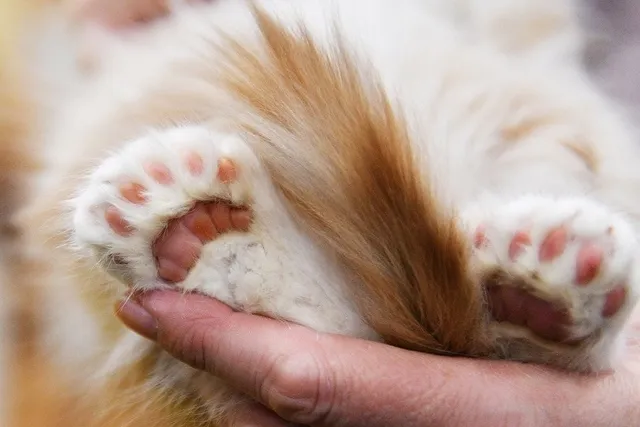
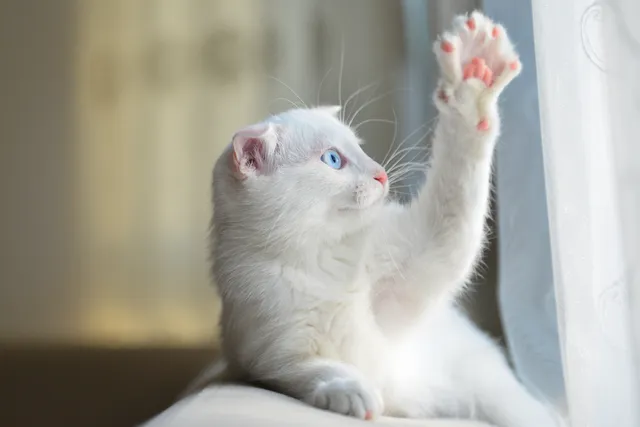
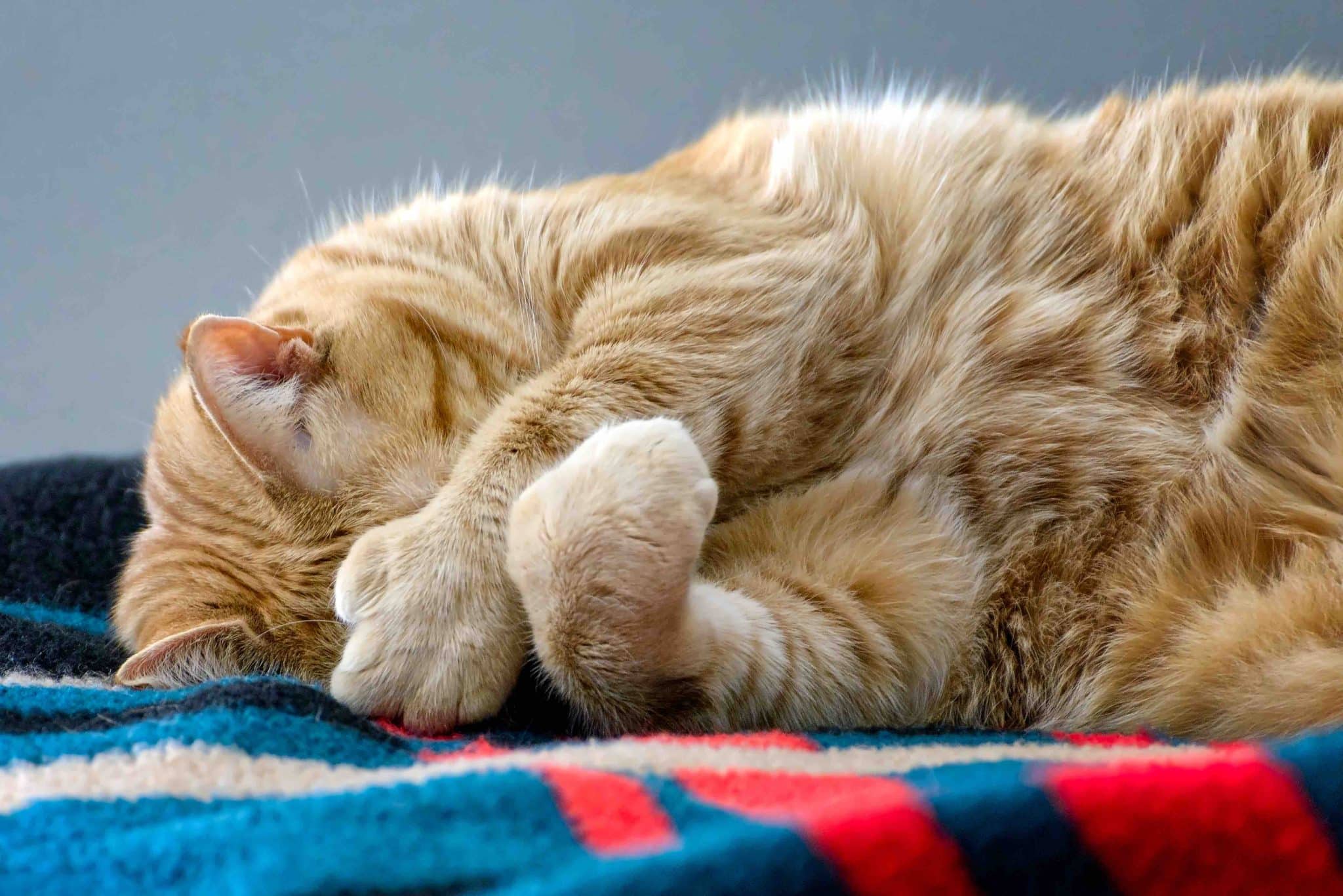
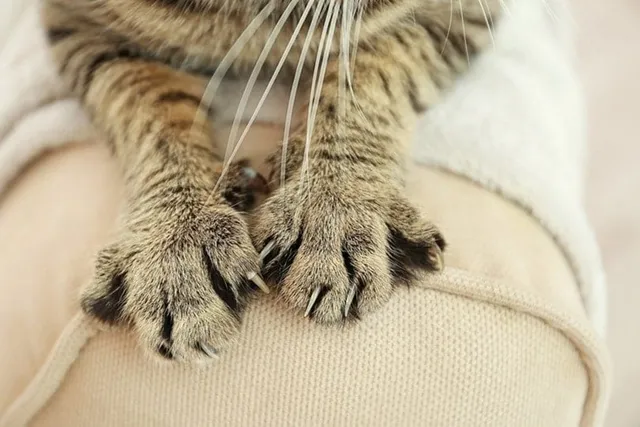
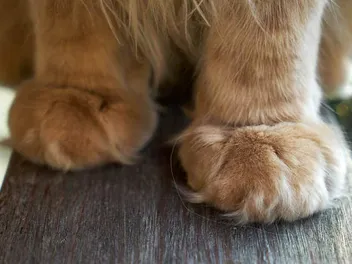
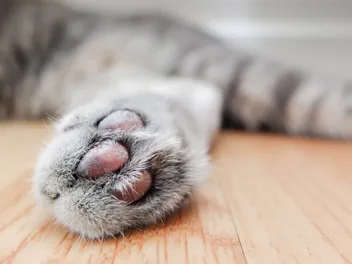
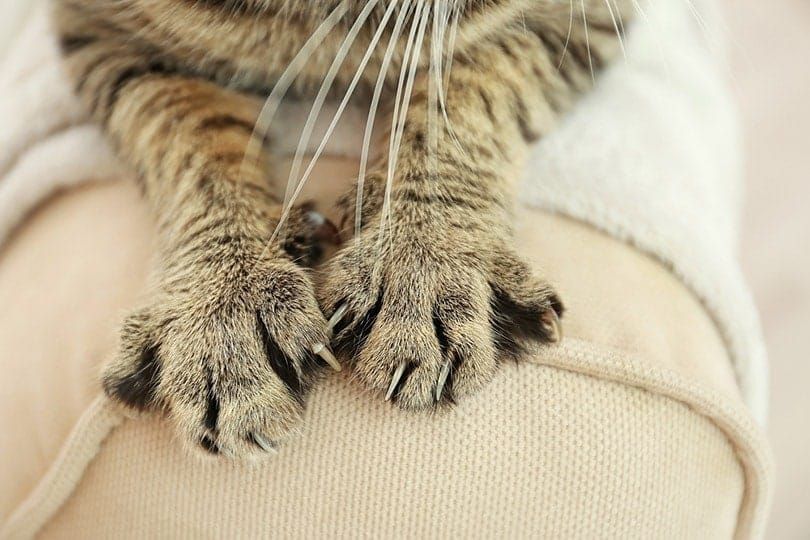
Cats have five “fingers” on each paw, so one must be a thumb, right? The answer is not a simple one. Some people consider the fifth “finger” a thumb, but cats don’t have thumbs the same way we do. All five of their “fingers” work in the same way, so no one finger is opposable like a thumb on a human’s hand would be.
Cats don’t need opposable thumbs to function and thrive, which is why they don’t have them. Therefore, none of the “fingers” are thumbs like ours. Some people refer to the fifth “finger” on a cat’s paw as a thumb, but it is the same as the rest of the “fingers,” so others are against referring to any of them as thumbs.

Do Polydactyl Cats Have Thumbs?
Polydactyl cats have extra “fingers” on their paws that often look just like the thumbs we see on our hands. However, those extra “fingers” are not opposable, even though they are typically referred to as thumbs by pet owners and veterinarians alike. Calling these extra limbs thumbs makes it easy to distinguish them from the basic five “fingers” that almost all cats are born with.
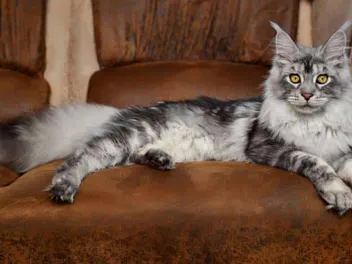
Polydactyl cats usually have extra “fingers” or toes on their front paws, but some grow extra ones on their back paws. There is no one specific kind of cat that might end up with extra “fingers” on their paws, but there are some unofficial breeds, such as the "American Polydactyl" and "Maine Coon Polydactyl", that are known for their extra appendages.
The extra “fingers” are thought to be hereditary and do not pose any serious dangers to worry about unless they grow in awkwardly and inhibit proper walking and movement.

Are There Any Benefits of Extra Cat Toes or “Fingers”
Although the extra limbs on a cat’s paws may look like thumbs, they don’t function in the same way that we would expect a thumb to. The extra digits polydactyl cats possess don’t provide them any benefits that have been scientifically proven.
Anecdotally, sailors in past centuries thought the cats were a good luck charm while on board and claimed they had a better grip on slippery surfaces. However, there’s no definitive study to prove it.
Extra Considerations
While no severe health conditions are connected to having extra fingers or toes, many polydactyl cats have a condition called radial hypoplasia. Cats with this condition are sometimes referred to as "squitten" cats. Radial hypoplasia is when the cat’s radius bone is only partially formed and is shorter than it should be.
This makes it difficult for a cat to walk properly and can lead to their inability to balance. Many cats with this condition tend to hop around in order to avoid having to walk. Specialty veterinarian care can help correct the condition for a better quality of life.
It is also essential to know that some extra “fingers” or toes do not fully develop. This can lead to problems like ingrown nails and injuries. An undeveloped toe can get snagged on items, clothing, and blankets, which causes pain. Inspecting a cat’s “fingers” or toes regularly is crucial to ensure that no damage has been done.

Conclusion
Cats do not technically have thumbs, but any extra “fingers” on their paws are usually referred to as thumbs because that’s what they look like. Any cat with extra “fingers” or toes on their paws is called a polydactyl cat. You shouldn’t expect your polydactyl cat to pick up a cup or anything, but in most cases, they can climb, scratch, and play with toys just as well as other cats.
Featured Image: Africa Studio, Shutterstock
Expert cat care, straight to your inbox
News, insights, and useful advice, delivered to you.

No spam — unsubscribe anytime.
By signing up, you agree to our Terms & Conditions and Privacy & Cookies Policy.
How useful was this post?
Click a star to rate. You can leave written feedback afterwards. (We read all feedback.)
Christian started writing for a local newspaper as a teenager, and he's been involved in the publishing industry for most of his adult life. Combining his love of writing with a passion for animals, he is currently the Director of Editorial at Pangolia and the Editor-in-Chief at Catster.
Christian lives in the Philippines with his wife, son, and four rescue cats: Trixie, Chloe, Sparky, and Chopper.