How Much Does It Cost to Spay or Neuter a Cat? 2026 Update (Vet-Verified)


In this article
Spaying and neutering are both common medical procedures recommended by veterinarians, breeders, and shelters. Spaying or neutering your cat removes the possibility of them reproducing.
Besides helping prevent unplanned litters of kittens, spaying and neutering can prevent a wide range of health and behavioral problems. On balance, cats that have been spayed or neutered tend to live longer and healthier lives.
When you’re budgeting for your new kitten, don’t forget to account for the cost of neutering a cat. You’ll be looking at somewhere between $350-$600 to have these surgeries carried out at a private veterinarian clinic. Shelters and non-profits may offer cheaper prices.
Let’s take a look at all the details about how those costs are decided and the benefits of getting your cat spayed or neutered.

What Does It Mean to Spay or Neuter a Cat?

Spay and neuter surgeries are the processes of surgically removing a cat’s reproductive organs.
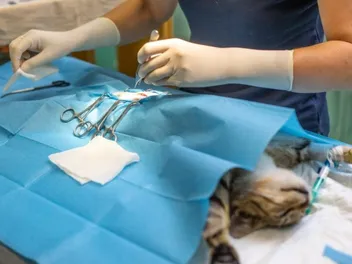
When a female cat is spayed, her ovaries, oviducts (fallopian tubes), and uterus are removed. The technical term for this is an ovariohysterectomy. After this surgical sterilization procedure, a female cat will no longer come into heat, and she won’t be able to reproduce.
When a male cat is neutered, his testicles are removed, so he no longer produces sperm. The technical term for this procedure is an orchiectomy. Besides meaning the male cat can no longer reproduce, neutering eliminates the main source of reproductive hormones and stops or reduces breeding behavior like urine spraying, wandering, and fighting in certain circumstances.
These two procedures are the most commonly offered, but you can also speak to a vet about whether they recommend the following procedures:
- Vasectomy: This procedure is very rarely performed. It involves tying off the vas deferens, the part of a male cat’s anatomy that transports sperm from the testes. This surgery stops a male cat from being able to reproduce, but they may still demonstrate hormonal behaviors because the testes will still be producing testosterone.
- Hysterectomy: This procedure is not recommended. It consists of removing a female cat’s uterus. The ovaries will remain and still produce hormones, but the cat won’t be able to get pregnant. The cat may still display heat-related behaviors, like yowling and trying to search for a mate.
- Ovariectomy: This procedure, performed in certain countries, involves removing only the ovaries. This stops the production of hormones and will reduce or completely stop the cat’s heat cycle and associated hormonal behaviors.
Why Should I Spay or Neuter My Cat?
There are many advantages to having your cat spayed or neutered, including:
Female cats can theoretically have up to four litters of kittens per year, so without spaying your female cat, you run the risk of her becoming pregnant multiple times a year. You’ll then have to consider how to find forever homes for the kittens.
Even if you keep your cats indoors, there are behavioral and health advantages to getting them spayed or neutered
Intact males will frequently spray urine as a way of marking their territory. If you keep two or more intact males in the same house, they may become aggressive around each other. Intact females in heat can become frustrated if they can’t go outside to search for a mate. They may yowl loudly and repeatedly, as well as try to escape through open windows and doors.
Neutering has been shown to reduce several serious health conditions, including testicular cancer in male cats. In females, spaying reduces the risks of mammary and uterine cancer and pyometra, a life-threatening uterine infection.

When Should I Have My Cat Spayed or Neutered?
The commonly recommended time to get your cat spayed or neutered is before they reach sexual maturity at around 5-6 months old. Early neutering, from 8 weeks of age, is also possible but normally just performed in feral cats.
You may have heard from some sources that it’s best to wait until a female cat has had her first heat before you get her spayed, but most veterinarians and feline organizations don’t agree with this.
Every cat is an individual, so it’s best to book your cat in for an overall health check and examination before you arrange their surgery. The vet may want to take a blood sample or do a chest x-ray and they will be able to recommend the best time for your individual cat’s surgery based on their health and circumstances.

How Much Does It Cost To Get a Cat Fixed?
The prices of spay and neuter surgeries vary depending on the age, type of surgery, your location, the type of veterinary clinic, and whether the price includes the pre-anesthetic and post-operative checks. Procedures for younger cats are usually quicker and require fewer health checks prior to the anesthetic, so they’re cheaper as a result.
Your geographic location also makes a difference, with procedures in the Midwest typically costing less than on the East or West Coasts.
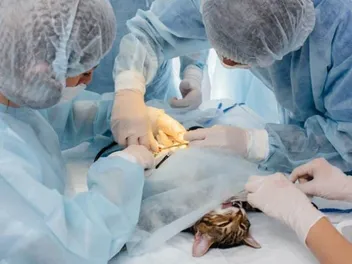
If you’re wondering why spaying surgeries are more expensive than neutering, it’s because spaying is a more invasive and complex surgery. It requires the cat’s abdomen to be opened in order to remove the female cat’s reproductive organs. Spaying surgeries typically take around 60 minutes.
While neutering is still a surgical procedure, the testes are outside the body cavity, so they can be removed relatively quickly, and your male cat will be done with their surgery within 30 minutes, so the cost to neuter a cat is less.
Private veterinarians will usually be the most expensive option, especially if your cat has to stay overnight. There may also be spay and neuter clinics in your area run by non-profits. These usually cost a lot less and will be available on set dates. Spaces for these programs fill up fast, but you can find a list of low-cost spay and neuter programs on the ASPCA website.
US Regional Price Chart
| Procedure | West Coast | Midwest | East Coast |
| Neuter package (6+ months) | $304.95 | $525.95 | $579.95 |
| Neuter package (less than 6 months) | $244.95 | $450.95 | $497.95 |
| Spay package (6+ months) | $412.95 | $554.95 | $610.95 |
| Spay package (less than 6 months) | $350.95 | $480.95 | $529.95 |
Is Spaying or Neutering Painful for Cats?
Before the spaying or neutering procedure even begins, your cat will be fully anesthetized. They won’t be able to feel any of the surgery, and their vital signs will be carefully monitored throughout the surgery and their recovery.
Female cats will often stay at the surgery overnight while they recover. Males can usually go home the same day.

After the surgery, your cat may experience soreness, discomfort, and a little pain. To help with this, the veterinarian will likely give your cat long-lasting pain relief in the form of an injection before they allow your cat to come home. This will wear off after roughly 24 hours. This injection is usually followed by oral medication, especially after spaying.
If your cat still seems in discomfort or pain despite the injection or oral meds, speak to a veterinarian to see if it’s necessary to give them more pain relief.
As the dust from cat litter can come into contact with your cat’s surgery site, it can potentially cause an infection. It’s recommended to use a dust-free litter, like shredded paper for around 1 week after surgery. If your cat’s incision site looks inflamed and red or is hot to the touch, speak to a vet for advice.
Arguments Against Spaying and Neutering
Spaying and neutering are recommended by the American Veterinary Medical Association (AVMA). While there are plenty of benefits to getting your cat spayed or neutered, there are also a few risks worth discussing.
Spaying and neutering do slightly increase the chances of your cat becoming overweight, and this has been reported by many scientific papers. Obesity is bad news for cats because it is linked to a wide range of health problems, including arthritis, urinary problems, and diabetes.
You should always keep a close eye on the weight of your cat and speak to a vet about how to manage this if it starts to creep up. Using a specific calorie-controlled diet or encouraging your cat to be more active can help them maintain a healthy weight.
On the whole, the benefits of spaying and neutering far outweigh the disadvantages. Cats that have been spayed or neutered generally live longer and healthier lives than their un-spayed and un-neutered counterparts. Unless you plan to use your male or female cat as part of a breeding program to produce registered purebred kittens, there’s little reason not to spay or neuter your cat.

Conclusion
As responsible cat owners, it’s generally agreed that booking your cat in for a spay or neuter surgery is the correct thing to do. Besides improving the overall health of your cat, these surgeries can reduce the behavioral issues that can sometimes become a problem with intact cats, both male and female.
Spaying and neutering aren’t cheap procedures, and you should budget costs around $350-$600, depending on the age, sex, type of clinic, and health of your cat. Your location also makes a difference in how much you should expect to pay.
While almost all vets recommend spaying and neutering pet cats, there’s less consensus as to what the right time for this procedure is. Early spays and neuters can be carried out from 8 weeks of age, but this is usually performed in feral cats. Your vet will be able to recommend the best time to do this procedure for your cat, based on their health and circumstances.
See also:
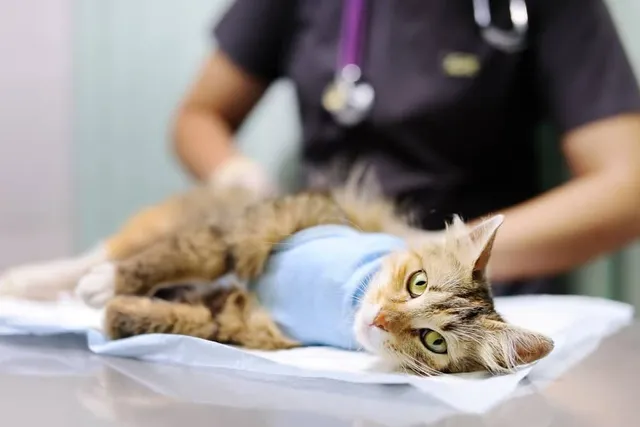
Featured Image Credit: Beach Creatives, Shutterstock
Expert cat care, straight to your inbox
News, insights, and useful advice, delivered to you.

No spam — unsubscribe anytime.
By signing up, you agree to our Terms & Conditions and Privacy & Cookies Policy.
How useful was this post?
Click a star to rate. You can leave written feedback afterwards. (We read all feedback.)
Christian started writing for a local newspaper as a teenager, and he's been involved in the publishing industry for most of his adult life. Combining his love of writing with a passion for animals, he is currently the Director of Editorial at Pangolia and the Editor-in-Chief at Catster.
Christian lives in the Philippines with his wife, son, and four rescue cats: Trixie, Chloe, Sparky, and Chopper.