An Owner’s Manual on Spaying or Neutering Your Cat: Why Not to Feel Guilt
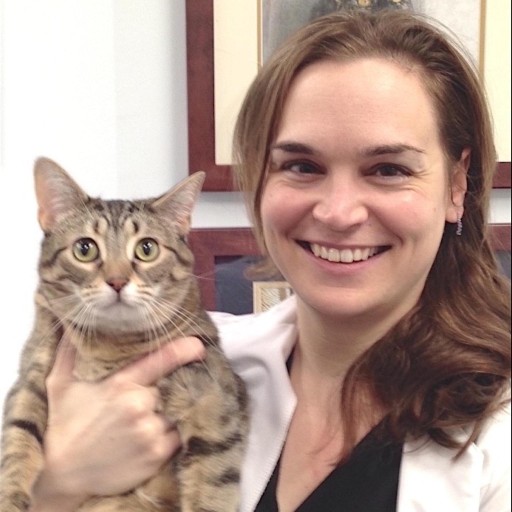
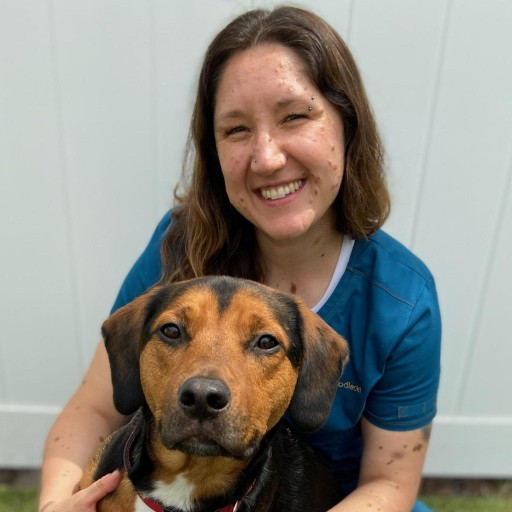
Hi, I’m Dr. Lauren! Read my introduction to learn more about me and my two adventurous cats, Pancake and Tiller.
Having your cat spayed or neutered can lead to many complicated feelings. Worry over the procedure, worry about the anesthetic, concerns about how to help with their recovery process, and guilt over making the decision to do it in the first place. I know just how difficult it can be, as I spayed both of my own cats, and the worry, before, during and after, was real!
This article is designed to help you, as an owner, make informed decisions about the importance of these procedures, and what actions you can take to make them smooth, safe, and guilt-free.

Spaying and Neutering 101

Spaying and neutering, in short, are surgeries designed to remove the reproductive organs from a female, or male, cat, respectively. They can colloquially be referred to as desexing, or castration, as well. Technically, they can be performed on cats of any age; however, there are compelling reasons to do this while cats are still young, which we will look at shortly.
So why do we, as vets, strongly recommend that you spay or neuter your cat?
- There is a significant reduction in breast cancer in female cats when they are spayed before their first heat cycle. Breast cancer in cats tends to be very aggressive, and ultimately deadly, so any opportunity to reduce this risk is an important opportunity
- In males and females, desexing leads to a reduction of unwanted behaviors for pet cats, including indoor marking, yowling during heat, and roaming. And intact male cat urine is undoubtedly pungent!
- Unowned cat numbers are staggering. Spaying or neutering cats reduces unowned cat numbers.
Ways To Decrease Your Guilt
Guilt. It can be a strong emotion, and has no single root cause. Often it involves a feeling of self-consciousness, and reflection upon oneself or one's action. When choosing to have your cat desexed, guilt can arise from a variety of thoughts. You may feel guilty about the stress caused to your cat, guilt that you have removed their ability to procreate, guilt about potential changes that may occur to your cat after surgery, or guilt that they will be “upset” with you..
- If you are feeling guilty, one of the most important things you can do is to talk about it. The farther in advance of the surgery, the better, as you want to be as comfortable as possible on the day your cat will be having their procedure. Talk with your vet, to start; if needed, make an appointment, specifically that reason, so they can alleviate your concerns. Discuss with family, as well, since they can often factor into the decision, and hence the guilt. Worry can also sometimes present as guilt, so take time to reflect on any concerns you have.
- Try not to anthropomorphize; cats don’t have the same emotional experience we do. That’s not to say they don’t have emotions- but they don’t worry or stress (as far as we know) in the same ways that we do. What you are worrying about, is likely insignificant to your cat, who is more concerned about when dinner is coming, and less concerned about what is happening tomorrow.
- If one of your worries is post-op guilt, then rest assured. Many of the things that people worry about, such as a perception that a cat will become less cuddly or be angry with you for electing the surgery, are generally not founded.
- Take action. See steps below to find ways to help you take action, and gain more control of the situation, which can help lessen your sense of helplessness, and therefore guilt. Also, read the Owner’s Manual on Pain that I wrote a few articles back, to better understand what you can look for post-op to help keep your cat as comfortable as possible!

Ways to Prep to Make Yourself Feel Less Guilty
Taking action helps many people to feel less guilty. The first thing is to know what to expect for surgery. Asking for a checklist, doing background reading, and having a plan for the day before, of, and after surgery, helps. Knowing is half the battle, as a famous 80s slogan said.
Day Before Surgery
- Your vet will often want your cat fasted at some point; ask for confirmation. Generally, however, water is still allowed.
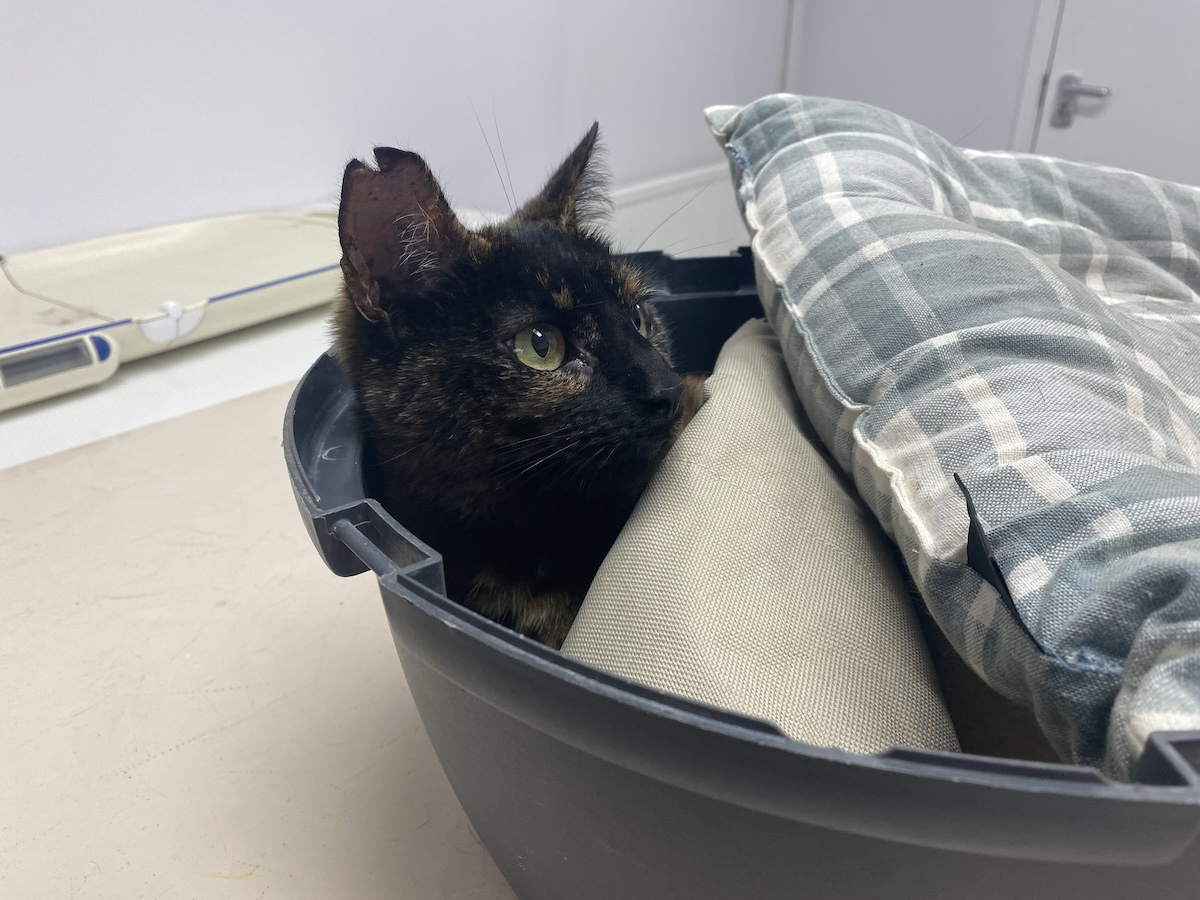
- Don’t wait until today to get the carrier out- this often signals change to your cat! Instead have it out for a few days prior. Get a favorite toy or blanket that smells of home, and put that in the carrier, as well.
- Decide if you will be having your cat microchipped at the time of surgery. This is a great time to have the procedure done, as your cat will be anesthetized. It’s a highly recommended procedure within the veterinary community, as unfortunately, lost cats can’t tell us where they’ve come from.
Day of Surgery
- Know techniques for putting your cat into the carrier, and use these instead of just stuffing your cat in, which adds stress to everyone involved.
- If you have sibling cats, consider having their surgeries on the same day. That way, they smell similarly strange, which can sometimes cause tension when one cat smells differently than the other, after being at the vet for a day.
- Write down any questions you may have, and ask these at the time of dropping off, or picking them up.
- Know the best number to contact you today, and times you aren’t available, and let your vet know.
- Know what is normal, and to be expected the days after surgery, before taking your cat home. Have phone numbers to call if you have any concerns. Does your cat have sutures to take care of, or are they all internal?

Day After Surgery
- Know what medications to give, and what day, and time of day, they start
- Know when re-checks are needed
- If ever in doubt, ask
Guilt doesn’t have to be a part of choosing to do what, most professionals would agree, spaying or neutering is the right choice for your cat.
There’s an old surgical saying: “To cut is a chance to cure.” In the case of desexing your cat, there is nothing truer.
This article is a part of Dr. Lauren, Pancake, and Tiller's series.

Expert cat care, straight to your inbox
Vet-reviewed advice, behavior tips, and the best of Catster. Free, and you can unsubscribe anytime.
By signing up, you agree to our Terms & Conditions and Privacy & Cookies Policy.
Dr. Lauren Demos DVM (Veterinarian)
As a veterinarian, Lauren is eager to share her experience in emergency medicine and cats, with our readers. She loves sharing helpful, real life tips for having cats as part of your life, and what to do in critical situations with your pets.
Lauren is a vet with over a ten years of experience in cats and dogs, along with infectious diseases. She enjoys teaching, and lectures for students, pet owners, and clinicians, on various topics.
Lauren received her degrees from Murdoch University, in Perth.
Join the conversation
Ask a question, share your story, or send private feedback.