Get

In Your Inbox

Catster is reader-supported. When you buy via links on our site, we may earn an affiliate commission at no cost to you. Learn more.

Why Do Cats Groom? Pancake, Tiller & the Latest Theories

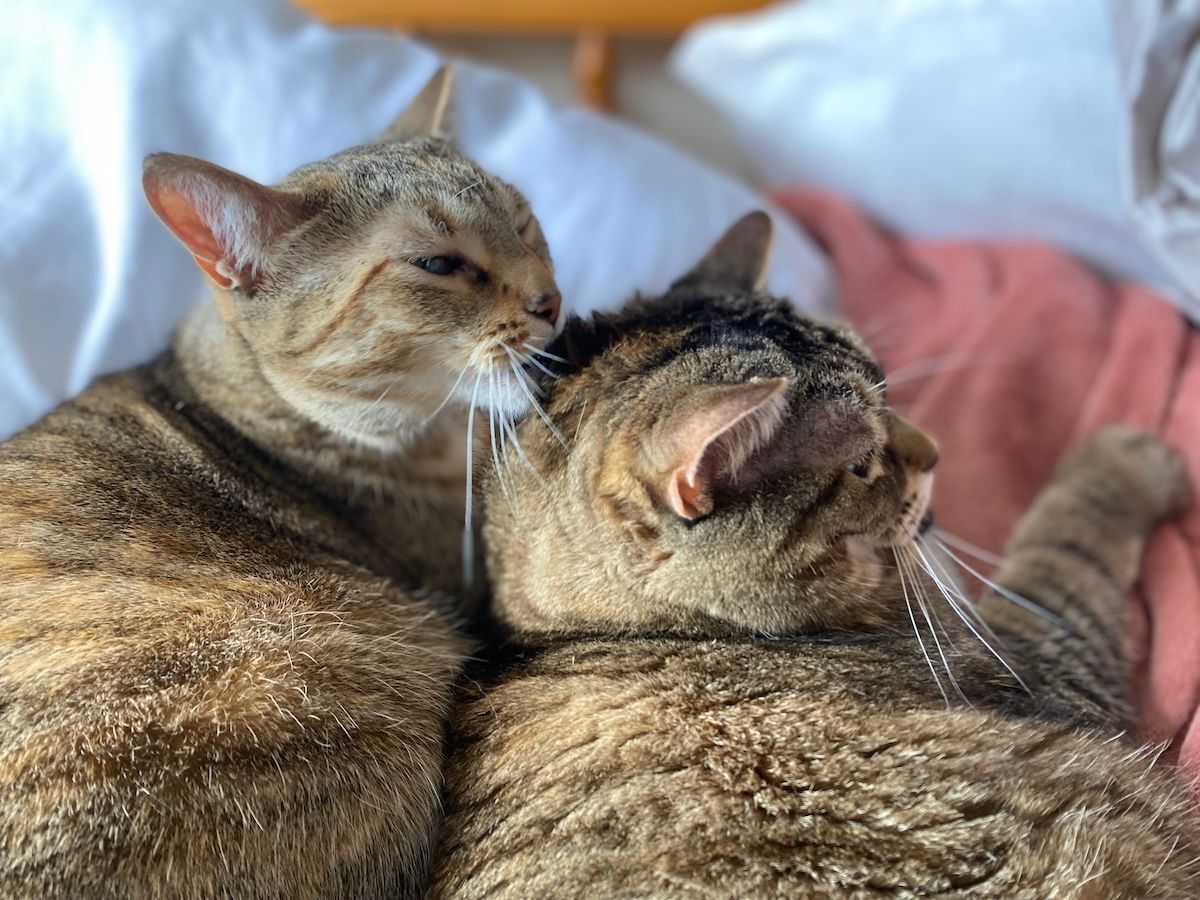
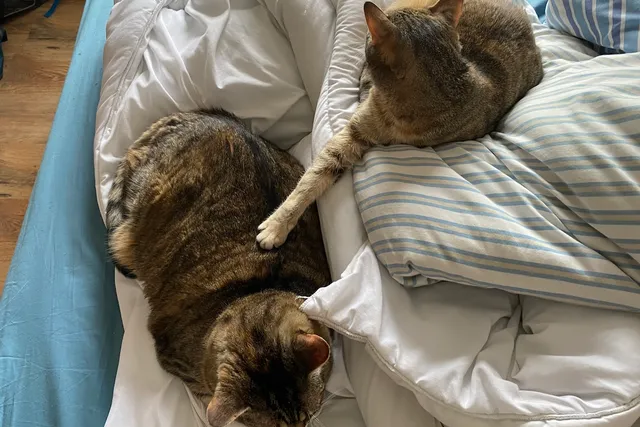
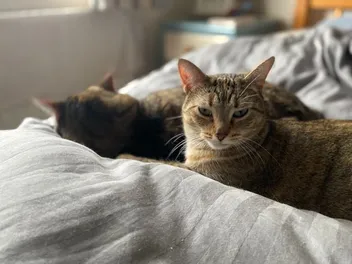
Tiller works hard to give Pancake a new hairdo during a recent grooming session.

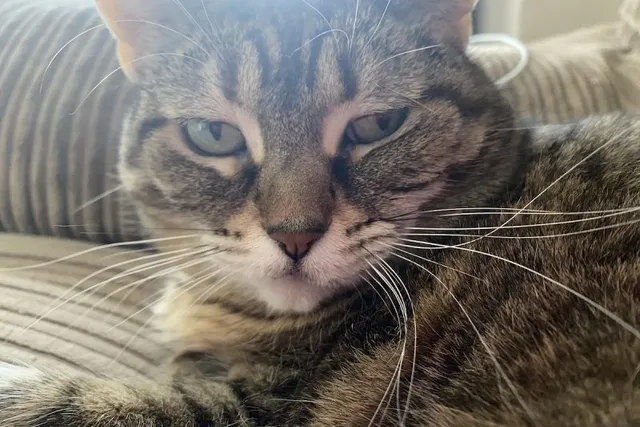
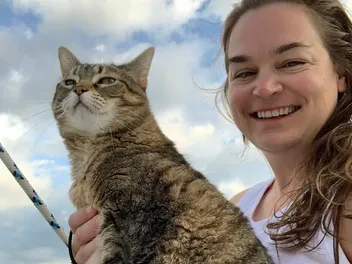
Hi, I’m Dr. Lauren! Read my introduction to learn more about me and my two adventurous cats, Pancake and Tiller.

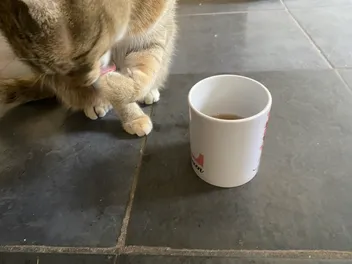
I caught Pancake in the middle of a dramatic grooming session last night. It involved lots of splayed legs, and a determined effort to reach something near her perineum, that actually entailed what I’m pretty sure was an inverted split. Earlier in the week, I’d watched a similarly determined grooming session play out- this time with Tiller making a valiant effort to groom Pancake into sporting a Mohawk. Luckily, “The Pancake” who is a bit Al Pacino Godfather-esque about the bed and sharing it with other cats, tolerated the session well and no blows ensued.

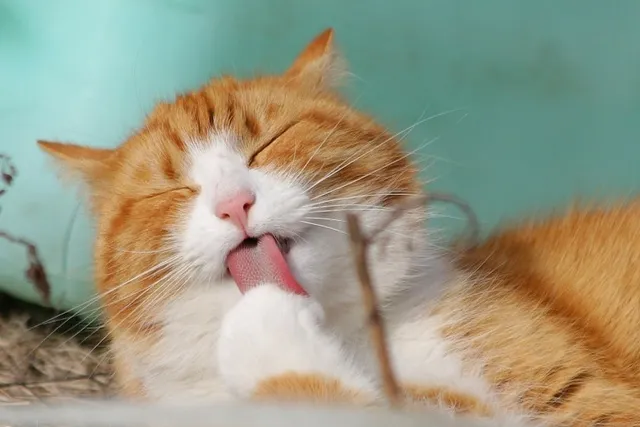
If eating and sleeping are two of the most common activities I see both cats engaged in, then grooming is probably a close third. Multiple times daily, after eating, and definitely before sleeping, sometimes at 3:00 am between their various sleep modes, they groom. But just why do cats love grooming so much?

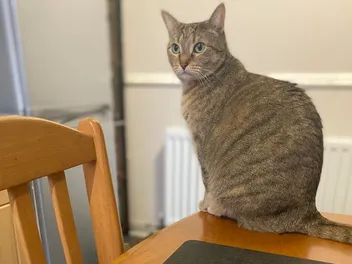
Sitting in this position is a favourite grooming technique for Pancake.

divider cats oct 2024

Why Cats Groom: Speculation and Theories

Cats have always been considered fairly clean animals, due to their inherent grooming tendencies. Here are some theories as to why cats groom:

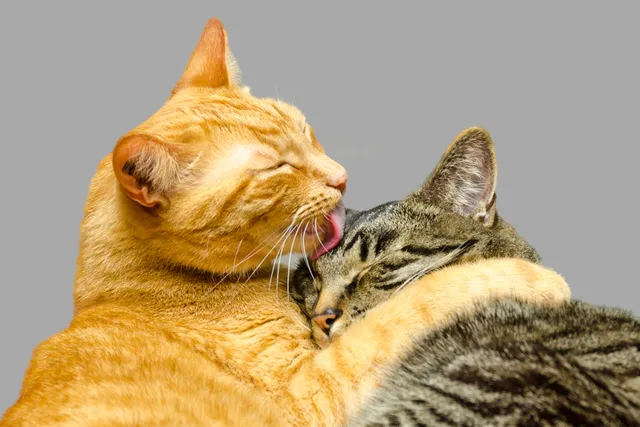
  1. The idea that groomers are placed socially higher than groomees. And furthermore, that grooming is a way in social settings to allow cats to act out on aggression issues, without the need for overt violence. This theory comes from a slightly older paper, but interesting nonetheless…
  2. A newer paper on a similar topic found that familiarity and genetic relations improved grooming activities from one cat to another. Again suggesting a social or bonding function.
  3. Function. To remove external parasites, such as fleas. In one study, grooming activity helped to significantly decrease the numbers of fleas, compared to control cats who wore e-collars and could not groom for the study period. Other theories have proposed the removal of odors, such as after eating, to reduce the risk of being predated.
  4. It’s worth noting that grooming can (unintentionally?) spread anal gland secretions on the haircoat. The anal glands contain extremely high quantities of Fel d 1, one of the main feline allergens that contribute to human cat allergies.
  5. Don’t forget that grooming can also indicate abnormalities, as well. Flea allergy dermatitis, for instance, can result in large quantities of grooming. So can Feline Hyperesthesia Syndrome. And urinary tract infections or urinary crystals can lead to localized, excessive grooming of the perineum.

So, next time you catch your cat in a grooming session, consider for a moment if there may be more occurring than meets the eye. It could be a simple lick, relieving an itch, removing an external parasite, or adhering to social structure. But needless to say, cats, as always, are never quite as simple as they may first appear!

This article is a part of Dr. Lauren, Pancake, and Tiller's series.

Want content like this delivered to you?

Sign Up For Our Newsletter

News, insights, expert advice, and everything cat

* By submitting, you agree to our Terms & Conditions and Privacy & Cookies Policy.

How useful was this post?

Click on a star to rate (you can leave written feedback after clicking submit)

Help us improve Catster for pet parents!

Your feedback really matters.

What did you like about this post? Also how can we improve it?

Join the conversation

Leave a Reply

You’re very welcome to leave a comment or question. Please know that all comments must meet our community guidelines, and your email address will NOT be published. Let’s have a positive and constructive conversation.

Talk With A Vet Online

Peace of mind,
anywhere, anytime

Affordable vet advice

Prevention of Cruelty to Animals Month – How and When Is It Celebrated?

April is Prevention of Cruelty to Animals Month. Over the course of the month of April, the American Society for the Prevention of...

Cat Hierarchies & Social Structures: Based on Science

If you live in a multi-cat household, you might have noticed that some of your cats get along better with each other than...

Nom Nom Cat Food Review: Recalls, Pros, Cons & Verdict

Disclaimer: Nom Nom has discontinued its fresh cat food recipe and is no longer taking orders. Nom Nom hopes to return to providing...

Savannah Cat vs. Maine Coon: Key Differences (With Pictures)

When choosing a feline companion, two distinctive, unique breeds are the Savannah and the Maine Coon. At first glance, it’s easy to see...

More related

Will Mice Leave If They Smell a Cat? Vet-Reviewed Prevention Tips & Advice

Cats and mice are age-old enemies pitted against each other in the media and in life. Although cats seem to be freeloaders around...

Will My Foster Cat Think I Abandoned Them? Vet-Verified Facts & Considerations

When you foster felines waiting to find their forever home, you’re opening not only your home but also your heart to them. Fostering...

10 Vet-Approved Tips for Keeping Your Cat Safe Over the Holidays

The holidays may be a magical and fun time for humans, but there are a lot of dangers that the holiday season brings...

Can Cats Have Asthma? Vet-Approved Causes, Signs, & Treatment Tips

Though it hasn’t been as extensively studied as asthma in humans, cats can indeed get asthma. Feline asthma can range from mild to...

Keep reading

How Old Do Cats Have to Be to Get Pregnant? Vet-Reviewed Science & Facts

A cat’s fertility and reproduction remain unrivalled as kittens grow into sexual maturity sooner than you might expect – as young as 4 to 6 months – meaning your cat can get pregnant as early as four months! For this...

Pregnant cat laying on a staircase

Will Fleas Kill a Kitten? Facts & Safety Guide

Pet owners know fleas are an itchy nuisance, but the parasites can cause even bigger issues for some animals, such as kittens. Fleas bite to feed, and their food is your pet’s blood. A heavy flea infestation could result in...

kitten wearing green flea collar

Do Cats Lose Teeth as They Get Older? Vet-Reviewed Dental Facts & Tips

Is it normal for our feline companions to lose teeth when they get older? While some cats will lose teeth as they age, it’s definitely not considered normal. The most common reason for cats to lose a tooth is dental...

veterinarian checks mouth of the maine coon cat

Foods for Cats With Kidney Disease: The Right Things to Look For (Vet-Reviewed)

Receiving the news that your beloved cat has kidney disease can be devastating. However, with proper care, medications, and food, the disease can be managed, and, depending on the stage of the disease, your cat may still have many years...

Hungry cat sitting in front of a emty food dish and looking up

When to Euthanize a Cat With Feline Leukemia: Vet-Reviewed Advice

Feline leukemia is a serious disease that can cause a wide range of signs in cats, including anemia, weight loss, and infections. Unfortunately, there is no cure for feline leukemia, and it can be fatal. As such, euthanasia may be...

sick siberian cat

Can Cats Eat Silverfish? Vet-Reviewed Health Facts & FAQ

Most cat owners can attest that cats are like little toddlers; they grab anything they can and put it in their mouths. However, this can cause problems for their owners, who have to deal with the fact that their cats...

Can Cats Eat Silverfish

How to Cool Down a Cat: 9 Vet-Approved Tips

When the hot weather rolls around, it is imperative to know how to look after your cat. All felines, just like humans, can be at risk of overheating when it’s hot and humid, with the potential of causing heatstroke. Although...

blue-tabby-maine-coon-cat-playing-water

3 DIY Tuna Pumpkin Cat Treat Recipes: Vet Approved Treats

We all love treats, and you can find several commercial cat treats for your kitty. But have you ever considered making your own? Making cat treats isn’t as difficult as you might think, and most recipes involve few ingredients and...

cat eating from feeding bowl