Cat Grooming Challenges: Olga’s Battle With the Brush
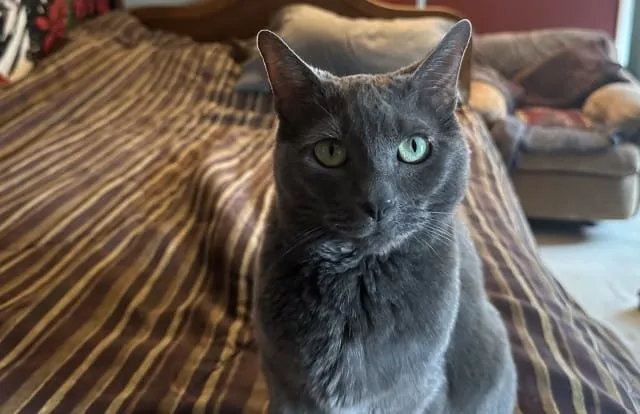
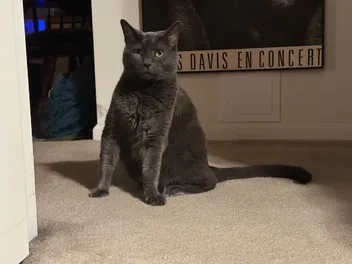
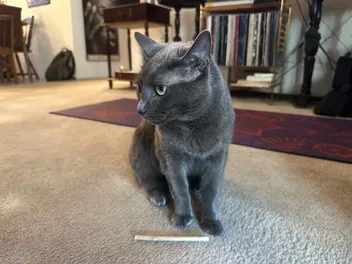
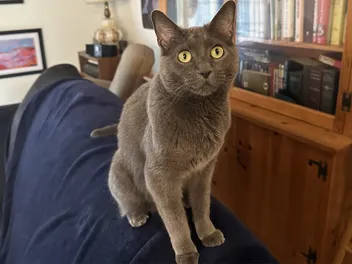
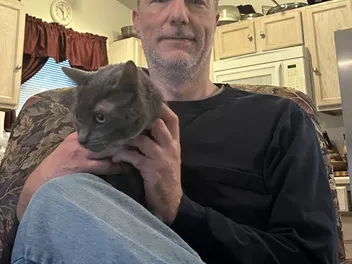
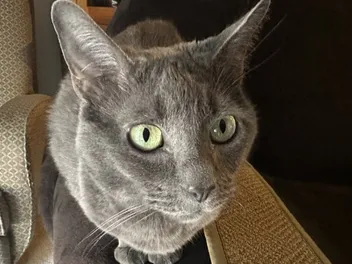
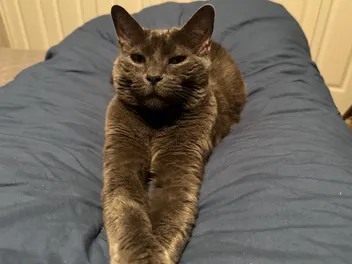
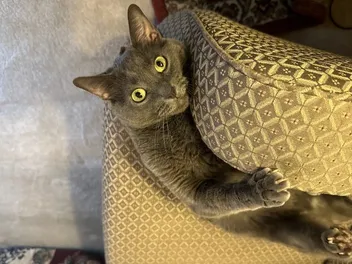
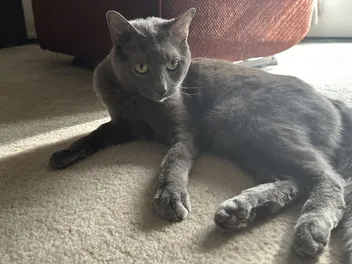
Hi, I’m Christopher! Read my introduction to learn more about me and my silly Russian Blue cat, Olga.
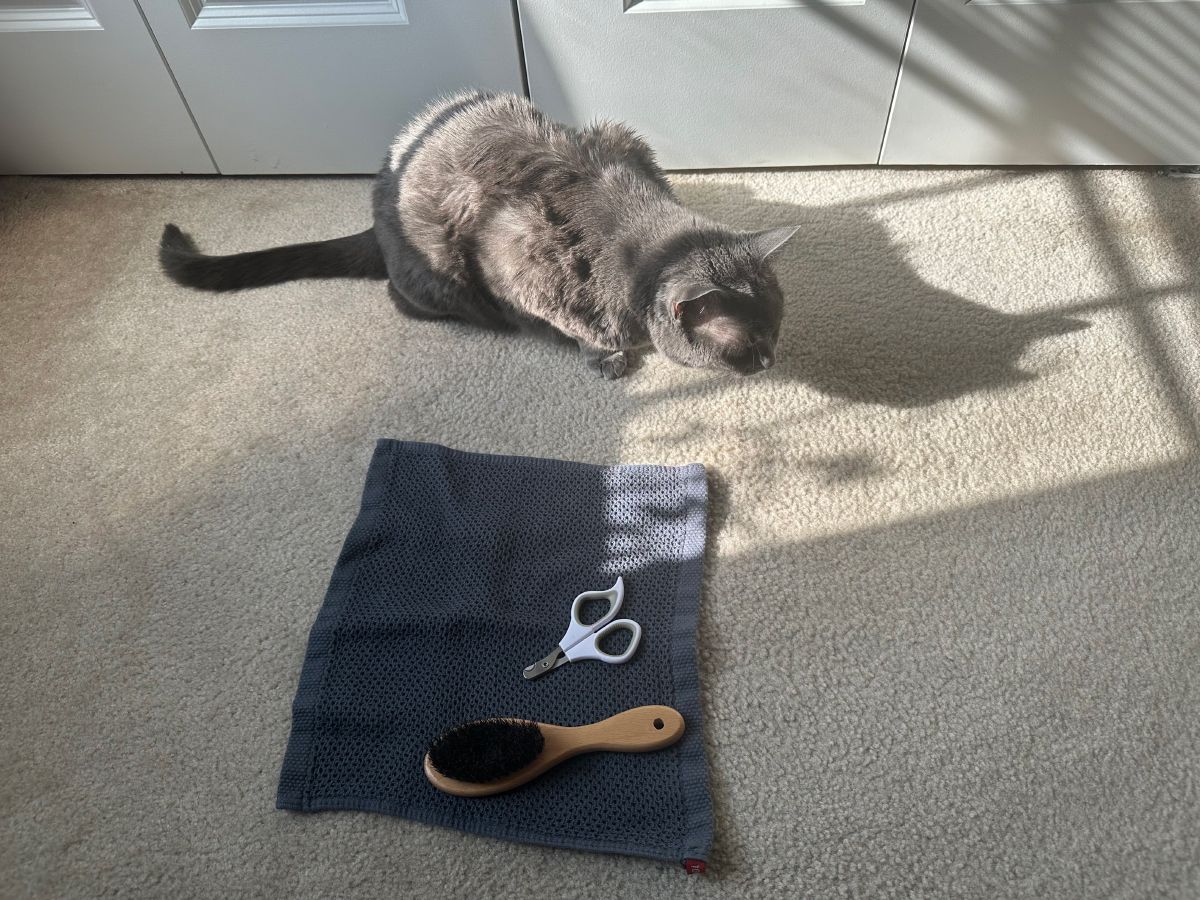
Brushing your cat’s coat keeps it healthy, reduces shedding, redistributes the natural oil, and sometimes allows you to practice first-aid skills. Veterinarians and behavioral specialists recommend introducing grooming to cats when they’re kittens, and while I agree with their advice, Olga’s early experiences were more violent than beneficial.
Youthful Aggression
As a kitten, her oversized head and potbelly gave her a comical appearance, but underneath the cute exterior lay the soul of a psychopath. I let her examine the brush and left it on the couch for a few hours before attempting a grooming session, but my efforts were in vain. After sniffing it and hitting it a few times, she ignored it, which seemed promising since she didn’t consider it a threat.
However, when I tried to brush her, she curled into a ball and attacked my hand with her sharp teeth and claws. I made several attempts, but grooming a cat is challenging when she doesn’t allow you to touch her back, side, or belly. She only allowed petting on her neck and head, so I gave up trying to brush her until she became an adult and calmed down.

Early Days of Grooming
She kept her coat clean as a kitten and never developed mats or tangles. After she was around a year old, I bought a softer brush that was gentler on her light coat. She didn’t attack me but kept trying to eat the brush. Then, I tried bribing her, a positive reinforcement classic, when she behaved after a grooming session.
I gave her a treat when she sat still for over a few seconds, and it seemed to work. Subsequent sessions were more productive; eventually, I could brush 2/3rds of her coat without getting injured or frustrated.

Present-Day Grooming
Sometimes, I think rewarding for good behavior worked too well. When I brush her fur or trim her nails, she purrs, moves around, and tries to rub her head on my neck. I know purring sounds more appealing than scratching and biting, but at least when she attacked me, she generally stayed in one place.
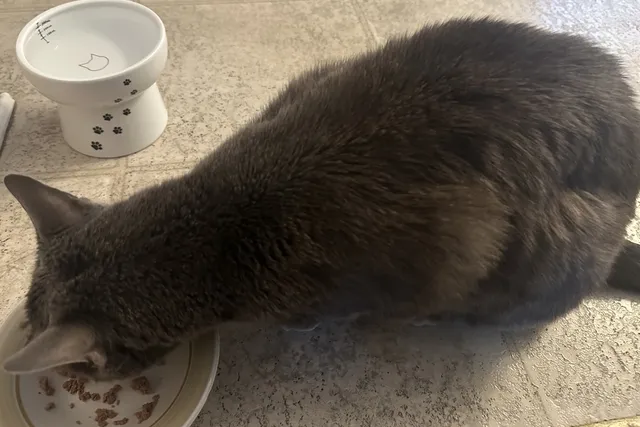
She’s not as food-motivated as she was when she was younger, but she gets excited and more affectionate before her feeding times. I don’t give her treats after grooming or nail-trimming sessions, but she still expects them and continues to use manipulative love to convince me she’s malnourished.
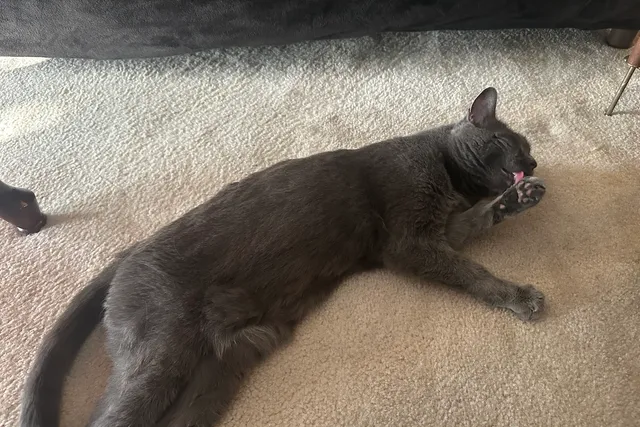
Luckily, Olga’s thin coat doesn’t require frequent brushing, and her sound-barrier-breaking tongue handles most of the daily maintenance. She only resorts to violence after I trim her front claws and move on to the rear ones. I usually trim one and two before she screams and tries to hit me in the face. I considered buying a hockey mask and Kevlar sleeves to protect myself, but hydrogen peroxide and bandages are more affordable. Besides, she’s too relaxed sometimes and I like seeing my miniature panther in attack mode. It takes me back to the days of her violent youth.

This article is a part of Christopher and Olga's series.
Expert cat care, straight to your inbox
News, insights, and useful advice, delivered to you.

No spam — unsubscribe anytime.
By signing up, you agree to our Terms & Conditions and Privacy & Cookies Policy.
How useful was this post?
Click a star to rate. You can leave written feedback afterwards. (We read all feedback.)

Christopher Bays is a writer and editor with a soft spot for cats of all shapes and sizes. He enjoys researching and caring for Olga, an adopted Russian Blue mix who is always by his side while working. In his free time, Christopher enjoys gardening, writing short stories, listening to music, and hiking.