Spay/Neuter Complications in Cats: What Vets Want You to Know

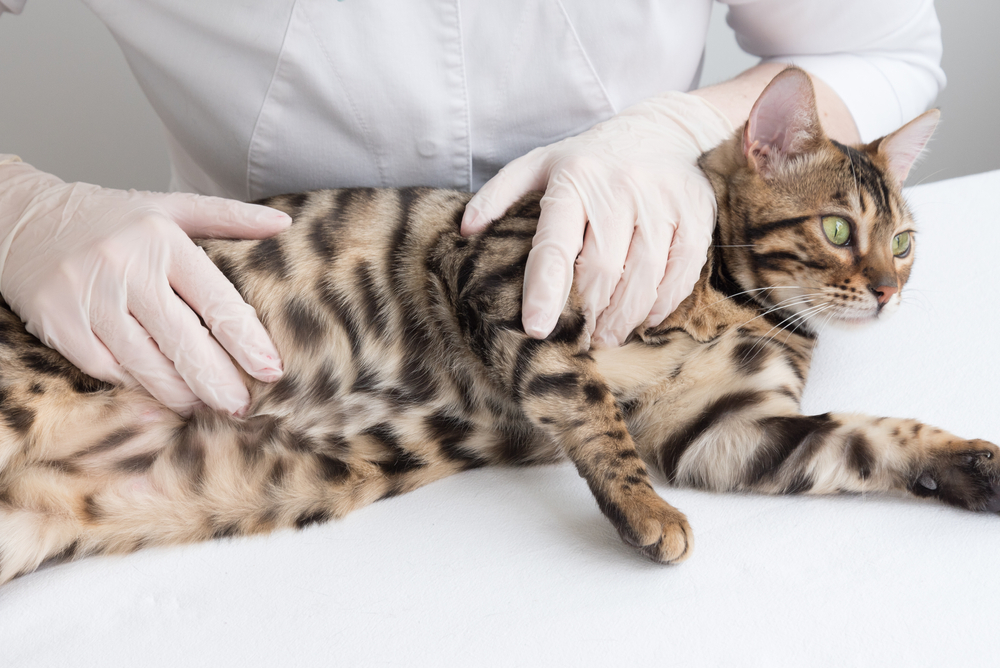
Your cat's spay appointment is booked. You've arranged time off work, prepped a quiet recovery space, and bought one of those cone collars they'll definitely hate. You know this surgery is the right call—it prevents unwanted litters, cuts down on fighting and roaming, and puts an end to the yowling and spraying that comes with heat cycles.
But somewhere in the back of your mind, there's a question you might not want to ask out loud: What if something goes wrong?
It's a fair question. Spaying and neutering are routine, yes, but they're still surgeries. And while serious complications are rare, they do happen. Knowing what to watch for doesn't make you paranoid. It makes you prepared.
Here's what actually happens during these procedures, what can go wrong, and how you can help your cat come through it safely.

What Happens During the Surgery

"Neutering" covers both surgeries: castration for males, spaying for females. Most cats are neutered around six months old, though shelters and situations with mixed-gender kittens sometimes do it earlier. Unlike dogs, there's no evidence that early neutering causes physical or behavioral problems in cats. The six-month timeline mostly just gives kittens time to grow, making their reproductive organs easier for the vet to access.
For male cats (castration): The procedure is quick. Your cat gets anesthesia—usually without intubation, because the whole thing takes just minutes. The scrotum is shaved, two small incisions are made, and the testicles are removed after the blood supply is tied off. Bleeding is minimal. Stitches are rarely needed, and the incisions typically heal on their own within a day or two.
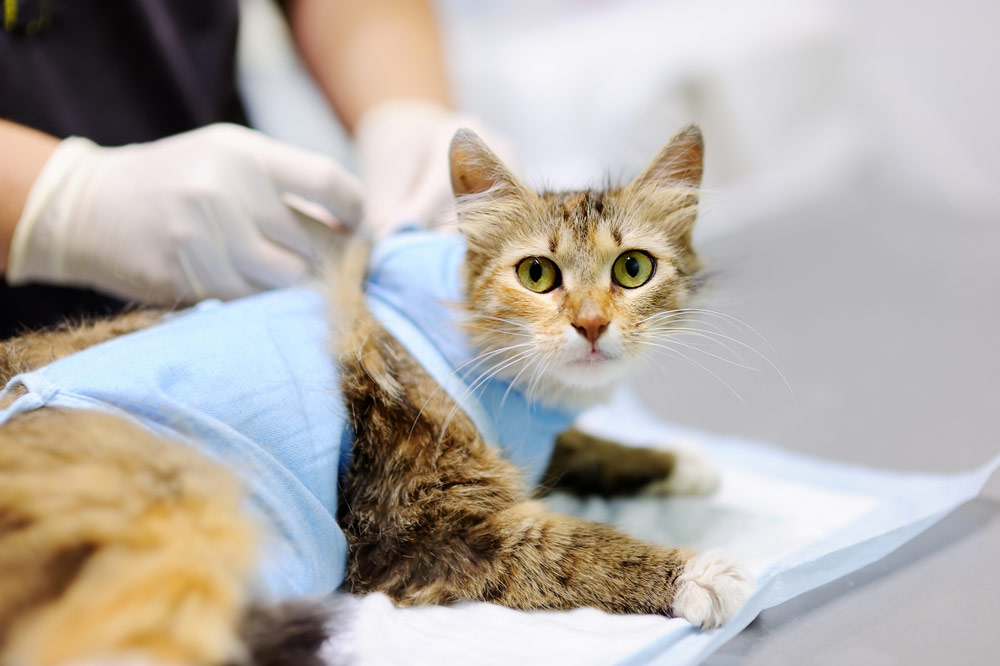
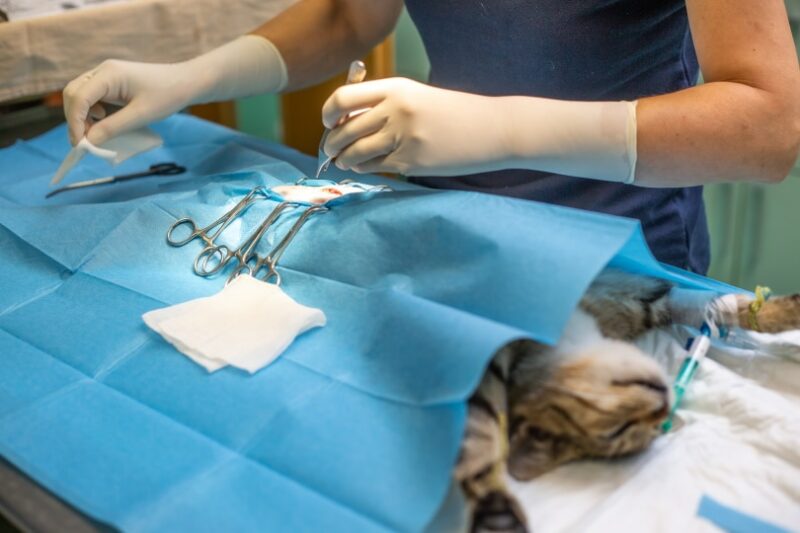
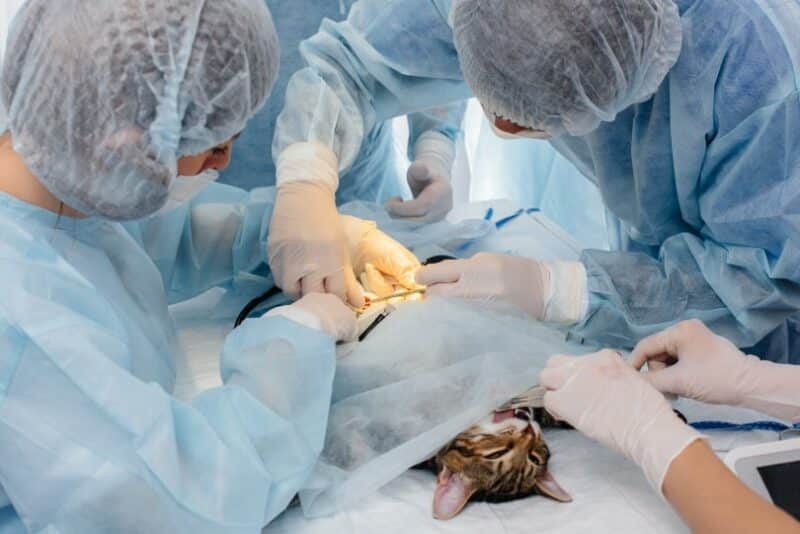
For female cats (spaying): This one's more involved. Your cat receives anesthesia by injection. A patch of belly fur is shaved and cleaned. The surgeon makes an incision—either along the midline or on the side of the abdomen, both methods are safe—and removes the uterus and ovaries after carefully tying off blood vessels. The muscle layer is stitched closed first, then the skin. Some vets use external stitches; others use dissolvable sutures hidden under the skin.
The 9 Common Complications Vets Actually See
Most surgeries go smoothly. But "most" isn't "all," and understanding the risks helps you catch problems early.
1. Your cat gets booked for the wrong surgery
It sounds absurd, but it happens. Sometimes a cat's sex is misidentified and usually caught at check-in, but occasionally not discovered until the surgeon is looking for organs that aren't there. If you're not 100% certain whether your cat is male or female, confirm it with your vet before surgery day.
2. Anesthetic reactions
This is the risk that worries most pet parents, and for good reason. Modern anesthetics are far safer than older drugs, but reactions still occur. Possible complications include low body temperature, low blood pressure, prolonged sedation, and—in extremely rare cases—blindness. Blindness is usually temporary, but has been permanent in some instances.

3. Aspiration
Cats under anesthesia can't swallow. If they vomit, stomach contents can enter the lungs and cause aspiration pneumonia, which is life-threatening. This is why your vet tells you not to feed your cat the morning of surgery. If your cat sneaks food anyway, tell your vet—even if it means rescheduling. Better to delay than take that risk.
4. Hemorrhage
Cats don't tend to bleed heavily during surgery, but it can happen—especially if there's an undiagnosed bleeding disorder. Severe hemorrhage is rare. Mild internal bleeding in females may cause weakness or lethargy afterward, while external bleeding from the incision is usually minimal.

5. Swelling around the surgical site
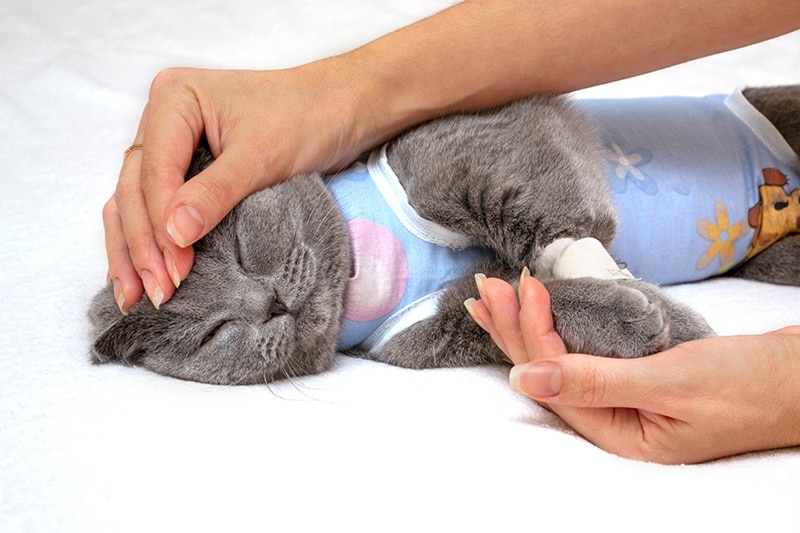
This is the most common post-surgery issue. Swelling can come from normal inflammation, too much activity, licking the wound, or bleeding under the skin. Sometimes fluid accumulates under the skin, forming what's called a seroma. Swelling doesn't automatically mean infection, and it often resolves with rest and an Elizabethan collar to keep your cat from bothering the site.
6. Wound breakdown
If stitches fail or if your cat licks or jumps around too much, the incision can reopen. What happens next depends on how big the opening is, how deep it goes, and whether infection is present. Some wounds need to be cleaned and re-closed under anesthesia. Others can be managed with staples or tissue glue.

7. Infection
Surgical wounds can get infected, often from grooming or exposure to litter box bacteria. Infections can also (though less commonly) happen at the clinic itself. Your vet may swab the wound to check for drug-resistant bacteria before choosing the right antibiotic.
8. Damage to nearby structures
This is extremely rare, but accidental injury to nearby organs can occur. In females, the bladder or uterus may be affected. In males, the penis could be damaged. Cats are small, and their anatomy is delicate, meaning complications like this are possible, even if uncommon.
9. Undetected pregnancy
Some outdoor female cats turn out to be pregnant when they arrive for surgery, and their owners had no idea. Early-stage pregnancies usually don't cause major complications, though the surgery and anesthesia may take a bit longer. More advanced pregnancies require extra care and consideration from the vet team.


How to Lower the Risks
You can't eliminate every risk, but you can tilt the odds in your cat's favor.
Follow your vet's pre- and post-op instructions exactly. Use the cone, even if your cat acts like you've committed a war crime. Restrict activity by keeping your cat in a small, quiet room away from furniture they can leap onto. If you have multiple cats, separate your recovering cat for a few days so they're not wrestling or playing rough.
And if you're not totally sure whether your cat is male or female—yes, it happens—double-check with your vet before surgery day.

The Bottom Line
Spaying and neutering are two of the most common surgeries in veterinary medicine, and the vast majority go off without a hitch. Most cats act like nothing happened within a day or two. Complications can occur, but they're rare, and knowing what to watch for makes you better equipped to handle them if they do.
The benefits of neutering (preventing overpopulation, reducing aggressive behavior, eliminating the chaos of heat cycles) far outweigh the risks. With proper care and a little vigilance, your cat will come through just fine.
Feature Image Credit: Dina da, Shutterstock
Did You Know?
- Our brand-new posts are rounded up and included in our weekly emails. Don't miss out on the latest - sign up for our newsletter below!

Expert cat care, straight to your inbox
Vet-reviewed advice, behavior tips, and the best of Catster. Free, and you can unsubscribe anytime.
By signing up, you agree to our Terms & Conditions and Privacy & Cookies Policy.
Dan has been working in the pet world for over 4 years covering cats, dogs, and all other pets in between. He loves helping pet parents keep their companions happy, healthy, and of course, totally spoiled! Originally from London, Dan now travels and works remotely, which unfortunately means no pets at home, but it gives him plenty of opportunities to fuss over other people's furry friends.
Join the conversation
Ask a question, share your story, or send private feedback.