Can Cats Eat Paprika? Vet-Reviewed Facts & FAQ

In this article
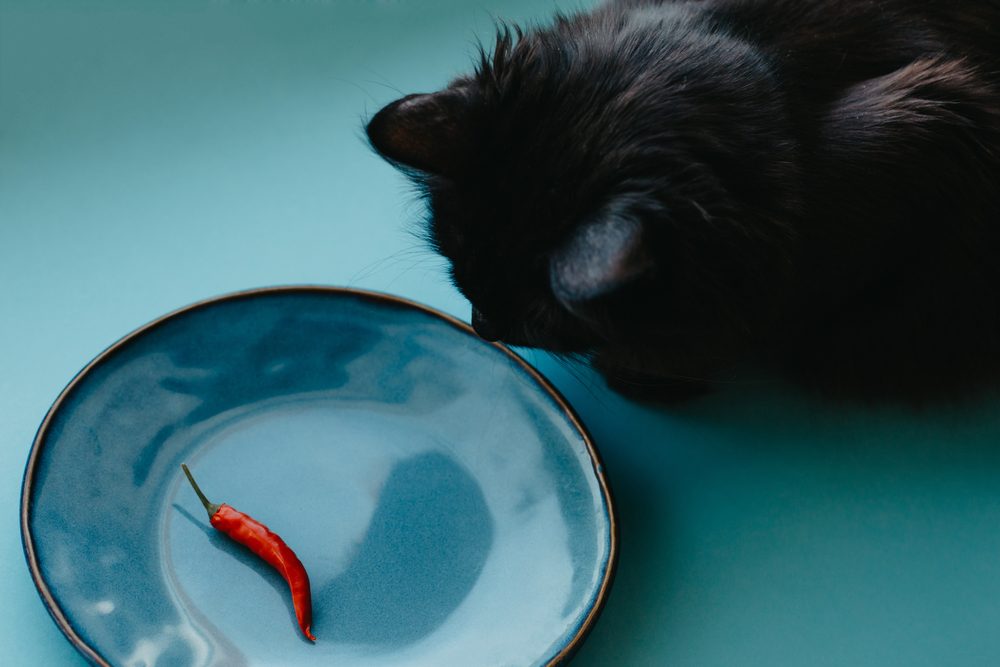
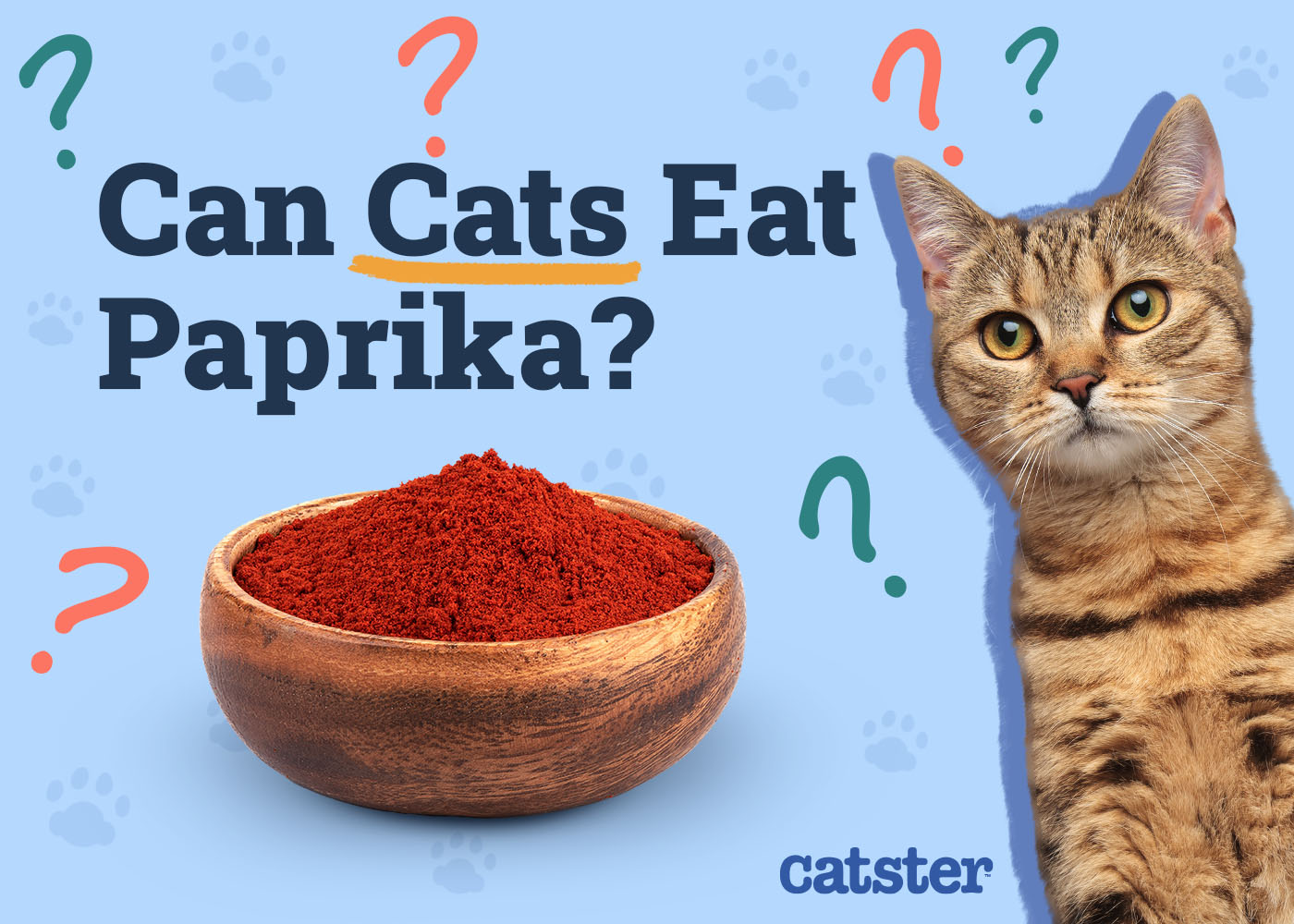
Paprika is a commonly used spice that is made from dried peppers. The peppers used in paprika can be sweet or spicy peppers (generally from Capsicum annuum varietals), so there may be some variability in the flavor of your paprika. Although paprika is not toxic to cats, it is generally not advised to feed paprika to your furry friends, as it could irritate their mouth and cause things like drooling, vomiting, and diarrhea.

Why Shouldn’t Cats Eat Paprika?
Paprika contains capsaicin, which is the compound in peppers that makes them spicy. Most peppers contain at least a little bit of capsaicin. Capsaicin, when consumed by a cat, can lead to stomach upset, including nausea, vomiting, abdominal pain, gas, and diarrhea.
The good news, though, is that most cats are repelled by spicy and strong scents. Some gardeners even sprinkle paprika around their gardens to deter neighborhood cats from getting into them.

Does Paprika Offer Health Benefits to Cats?
Paprika offers multiple health benefits to humans, thanks to its high levels of antioxidants and vitamins A, B, and E. Capsaicin itself also has benefits, like boosting the immune system. However, in cats, paprika does not have any known health benefits.
All of your cat’s nutritional needs should be met by feeding them a high-quality, commercial cat food that is formulated to meet the nutritional needs of your cat’s age and any medical conditions that they may have. Feeding paprika to your cat as an antioxidant is far more likely to lead to stomach upset than it is to help keep your cat healthy and feeling well.
What Other Common Foods Should You Avoid Feeding to Cats?
There are lots of foods in our kitchens that should not be given to cats for multiple reasons. Here are some of the common foods you might come across that you shouldn’t share with your feline.
Alliums
While you may not be familiar with this term, you probably know these foods very well. Allium is the name of the genus of plants that contains garlic, onions, shallots, leeks, and chives. All of these foods are toxic to cats and should be avoided entirely.

Dairy
Although not toxic to cats, it’s not advisable to give dairy to your cat. Dairy is high in calories and fat, which can lead to weight gain and health problems in the long run, as well as stomach upset in the short term. Cats are generally not able to properly digest dairy, making it a food group that should be avoided.
Caffeine
Caffeine can be deadly for cats in large enough quantities. Your cat can consume caffeine from multiple sources, including coffee grounds, beans, and brewed coffee, as well as cocoa, sodas, and energy drinks. If your cat is experiencing caffeine toxicity, they will show signs like rapid breathing, restlessness, muscle tremors, and heart palpitations.

Chocolate
Dark chocolate contains caffeine, which, as addressed above, is dangerous for cats. But chocolate can be dangerous for cats for another reason, thanks to the presence of theobromine. This compound is present in dark chocolate, baking chocolate, and cocoa powder. Theobromine toxicity can lead to seizures, tremors, abnormal heart rhythms, and death.
Raw Eggs and Meat
Although raw diets have become popular among many pet owners, these foods carry many risks for the health of your cat and the other animals and people in your home. Food poisoning from bacteria like Salmonella can lead to severe digestive problems and, in uncommon cases, even death. Raw egg whites have the added risk of blocking your cat’s ability to absorb biotin properly, while some raw fish contain an enzyme that can break down thiamine.

Alcohol
Alcohol is toxic to cats, dogs, humans, and most other animals. In humans, it takes quite a bit of alcohol to lead to serious problems. In cats, though, you can expect a small amount of alcohol to lead to alcohol poisoning. This may lead to signs like stumbling or acting “drunk,” but even a few teaspoons of alcohol can lead to more serious issues. Alcohol and cats are a definite no.
Conclusion
While paprika is a tasty addition to many human food dishes, it’s best to avoid giving this seasoning to your cat. There is a risk of stomach upset when consumed by a cat, although most cats are repelled by the smell of paprika, making it a minimal risk for your cat to consume it.
Also see:
Sources
Featured Image Credit: Veronika Idiyat, Shutterstock

Expert cat care, straight to your inbox
Vet-reviewed advice, behavior tips, and the best of Catster. Free, and you can unsubscribe anytime.
By signing up, you agree to our Terms & Conditions and Privacy & Cookies Policy.
Brooke Billingsley, a former veterinary assistant for nine years, became a nurse in 2013. She lives in Arkansas with her boyfriend of five years, surrounded by her beloved pets: three dogs, two cats, five fish, and two snails. Brooke has a soft spot for special needs animals, caring for a three-legged senior dog and a widely known cat with acromegaly and cerebellar hypoplasia. She has developed a keen interest in fish keeping and is always learning how to provide the best environment for her aquatic pets. In addition to her passion for animals, Brooke enjoys gardening and maintains a vegetable garden during the summer. She stays active with yoga and received her 200-hour yoga teacher certification in 2020. Brooke also hosts a podcast that delves into folklore and myth, dedicating her spare time to research and writing. She embraces the philosophy that every day is an opportunity for learning and growth, continually working to acquire new skills and knowledge.
Join the conversation
Ask a question, share your story, or send private feedback.