Can I Use Hydrogen Peroxide on Cats? Vet Reviewed Risks & Advice


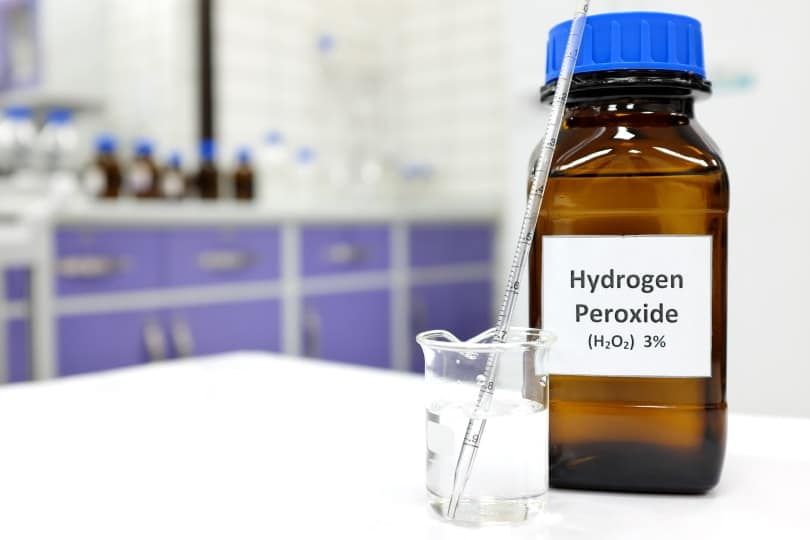
Hydrogen peroxide is a chemical that has a variety of uses. It can be used as a cleanser to kill yeast, mold, viruses, fungi, and bacteria. It can be used to wash veggies, clean your toilet, shine mirrors, treat sick plants, and induce vomiting in dogs. Although hydrogen peroxide should never be used on your dog without the guidance of a vet, it should not be used on your cat because it can cause stomach and esophagus issues.
People have been using hydrogen peroxide as an antiseptic on their pets' and their own minor wounds for many years. However, vets and doctors advise against using it on living tissue as it can prevent healing and cause damage.

How Can I Induce Vomiting in My Cat?
If your cat got into your medication or another dangerous substance or food, you might want to induce vomiting straight away to remove it from their gastrointestinal tract before the body absorbs it. However, you should never induce vomiting in your cat or any pet without the guidance and recommendation from a vet because it is not safe to do so in some circumstances.
You may know that hydrogen peroxide is effective and generally safe at inducing vomiting in dogs, but unfortunately, it does not act the same way in cats. Using hydrogen peroxide to induce vomiting in your cat will cause negative effects, such as intestinal bleeding, which could end up being fatal1.
In fact, there isn't any method to induce vomiting in cats that is safe for you to carry out at home, and it's essential that you rush your cat to the vet immediately so that they can start the appropriate care.

How To Clean Cat Wounds
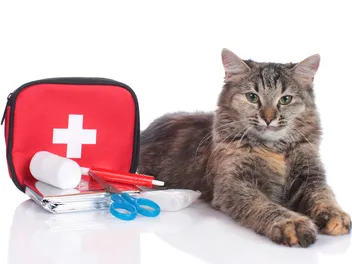
Whether your cat fought with another cat or fell on an object that cut open their skin, it's important to clean their wounds to prevent a bacterial infection. Treat your cat's wound by applying pressure to it for a few minutes with a clean cloth. Once the bleeding has stopped, flush the wound to remove any dirt. You can blot the wounded area with an antiseptic solution to kill bacteria.
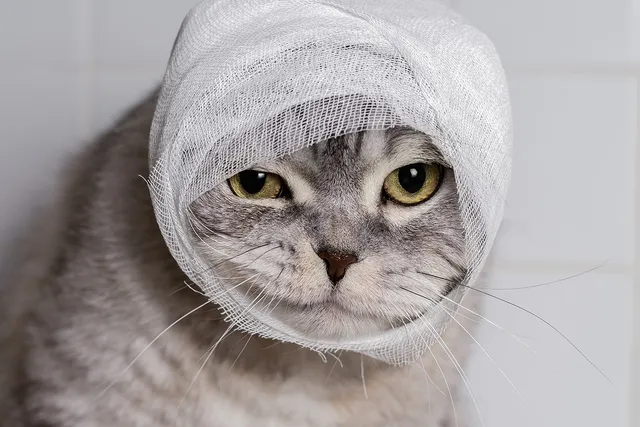
If your cat's wound doesn't stop bleeding, try to apply pressure on the wound with a dressing and secure it by placing a bandage over the area. However, this is only a temporary solution, and you'll need to take your cat to a vet since they may require stitches.
If you leave your cat's wound to heal on its own without cleaning it, they are at risk of infection. You'll know if your cat's wound is infected because it will swell, become red and warm, develop pus and an odor, and your cat may develop a fever and start vomiting.
What may have started as a superficial wound that didn't look serious could become a problem because any time skin is broken, the wound can become infected if not cleaned and treated properly. If you see signs of infection, make sure that you take your cat to the vet.
What Not to Use When Treating Cat Wounds
Hydrogen peroxide has been used as an antiseptic for a long time because it's effective at killing bacteria. In some cases, a vet may recommend using hydrogen peroxide, but you should never use it without their instruction. By doing so, you can damage the tissue around your cat's wound and prevent the body from being able to heal itself. Instead, use a safer antiseptic product that isn't abrasive.
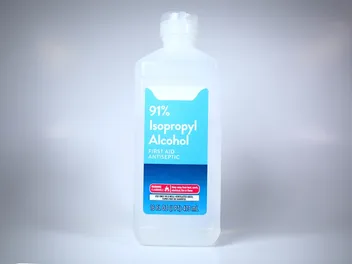
Other products that should be avoided when treating your cat's wounds are soaps, rubbing alcohol, shampoos, tea tree oil, or herbal preparations. These products can burn and irritate your cat's skin, might have toxic ingredients, and may prevent healing.

What To Use When Treating Cat Wounds
Now that we know what not to use, here are a few alternatives you can consider since they are safer options for your cat. However, talk to a vet first to ensure they agree with your treatment.
1. Saline Solution
Salt water has antibacterial properties while being mild enough not to irritate the skin, making it an excellent choice for treating wounds. However, you'll probably need to reapply the saline solution to your cat's wound a couple of times.
You can make your own "at-home" saline solution by adding ½ teaspoons of salt to 1 cup of boiling water. Stir the mixture and allow it to cool. Then, add it to a syringe and flush your cat's wound.
2. Disinfectant Solutions
A few safe disinfectants for your cat to stock up on are chlorhexidine and povidone-iodine. However, diluting the disinfectant before using it on your cat's wound is essential so as not to damage the tissue and slow healing. Read the instructions on the bottle and mix it with the exact amount of water as instructed.

Conclusion
Although hydrogen peroxide has been widely used on cats, pets, and people in the past, it is only occasionally recommended by vets today. Hydrogen peroxide is abrasive and can cause damage to the tissue around your cat's wound and slow the natural healing process. It is used to induce vomiting in dogs but is not safe to do so with cats as it can cause intestinal bleeding if ingested.
Instead of stocking up on hydrogen peroxide to treat your cat's wounds to prevent infection, consider saline solution or safer disinfectants such as chlorhexidine and povidone-iodine. You'll need to dilute the disinfectants with water before cleaning your cat's wound, but they're much safer.
Sources
Featured Image Credit: sulit.photos, Shutterstock
Expert cat care, straight to your inbox
News, insights, and useful advice, delivered to you.

No spam — unsubscribe anytime.
By signing up, you agree to our Terms & Conditions and Privacy & Cookies Policy.
How useful was this post?
Click a star to rate. You can leave written feedback afterwards. (We read all feedback.)
Keri-Beth is a freelance writer from South Africa who loves writing about cats. She's very passionate about pet care and has spent quite a bit of time volunteering at animal shelters. Keri-Beth currently has two dogs: Benji, the Golden Cocker Spaniel, and Gracie, the Boerboel.
Keri-Beth's favorite hobbies include photography and camping. She lives with her husband, who is a professional drummer.