7 Creative, Crafty Uses for Cat Hair (With Pictures)
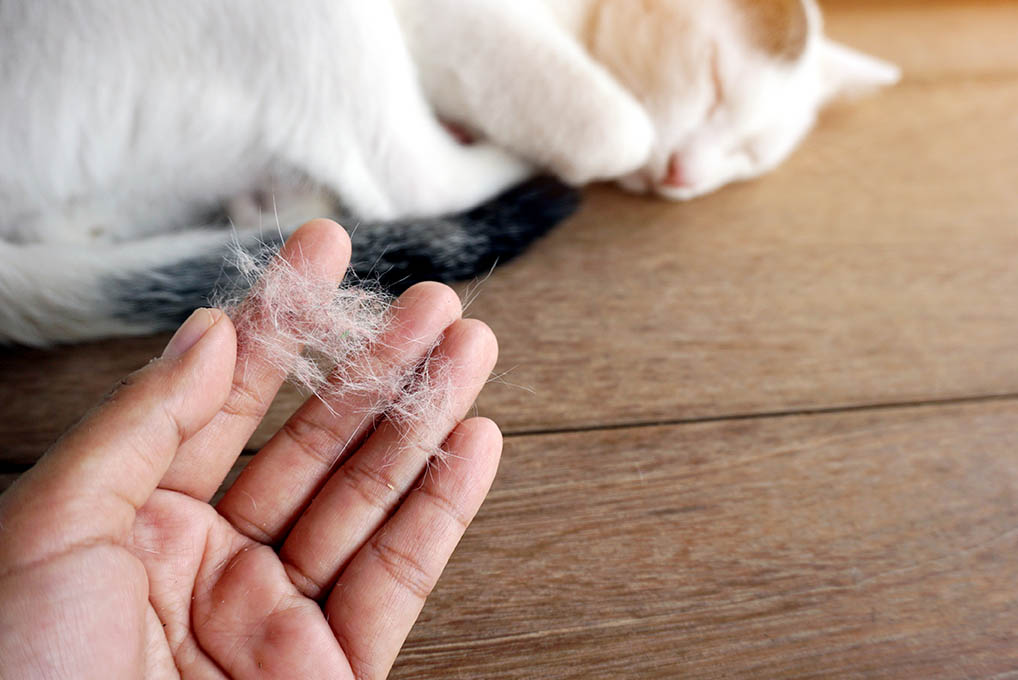
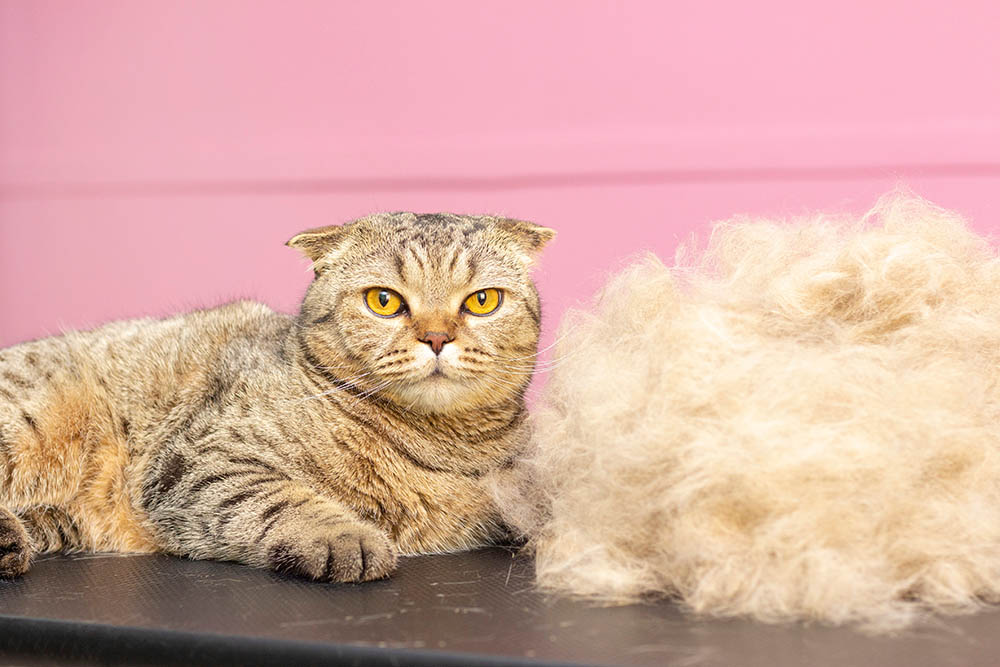
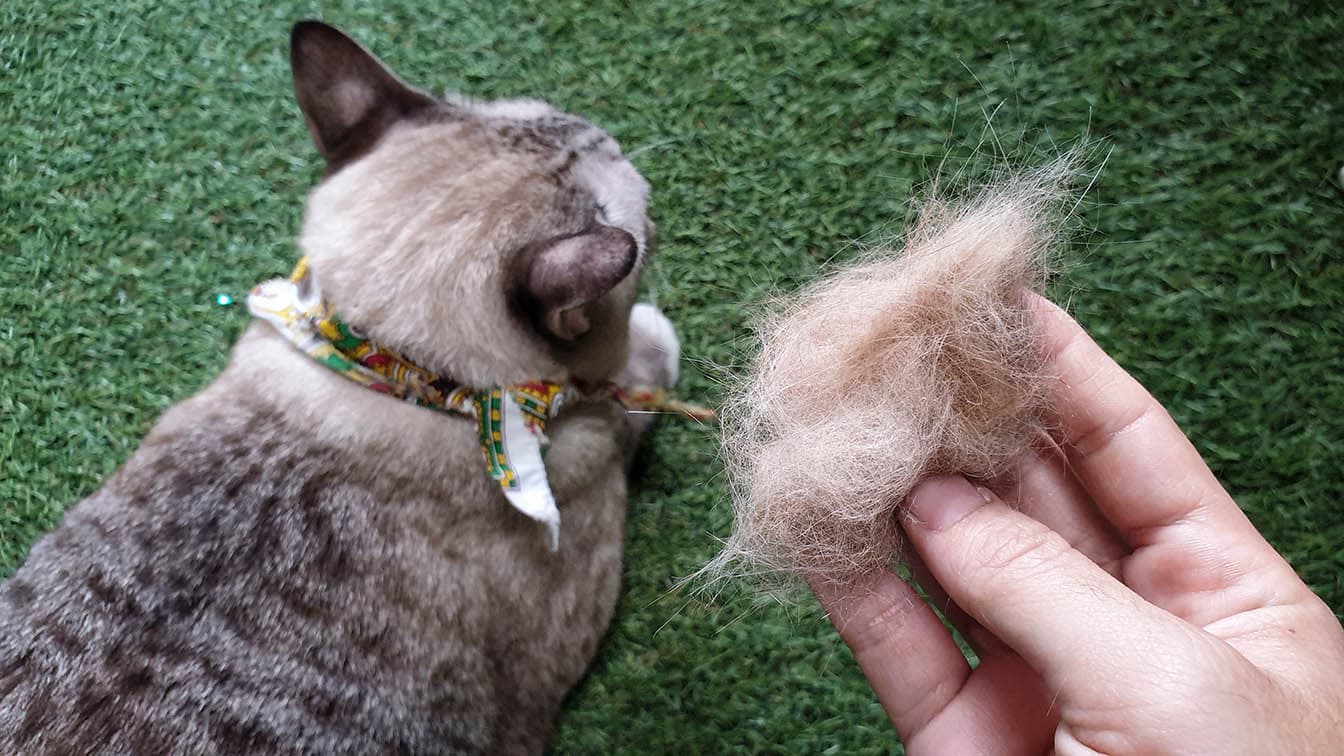
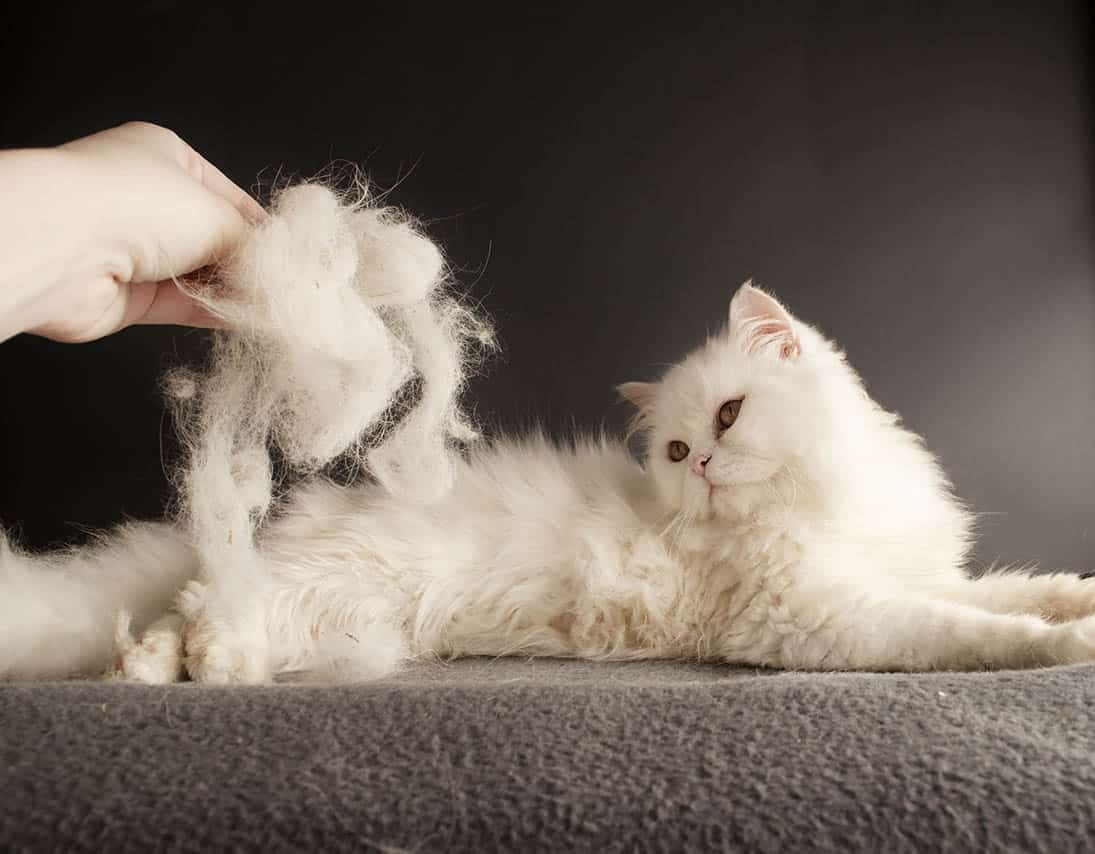
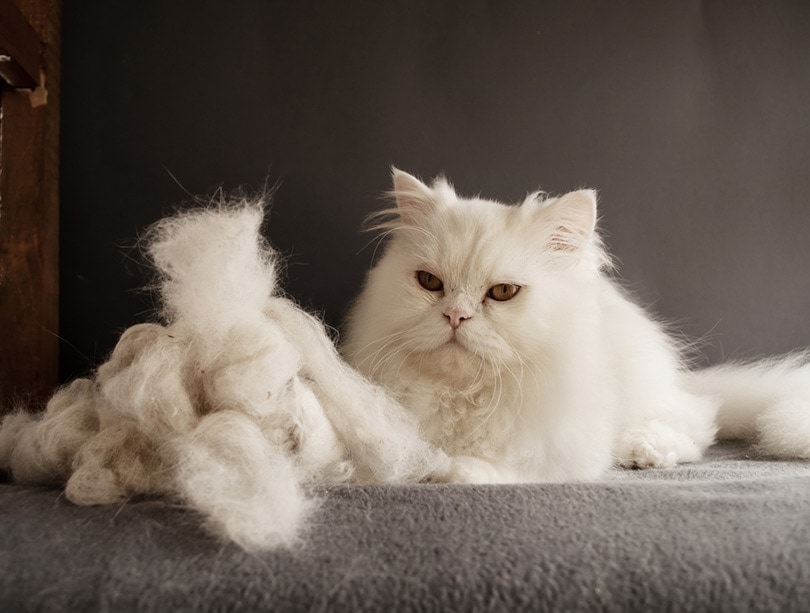
While hair floating around the house can be the bane of many cat parents' lives, those fluffy bundles can be more useful than you may think. Not only can you craft items from cat hair and use it for various purposes in and around your home, but cat hair can be donated to organizations tackling environmental issues.
Let's take a closer look at how you can repurpose cat hair into something cute and quirky and how it can benefit the environment.

The 7 Uses for Cat Hair
1. Tackle Oil Spills
Matter of Trust, a non-profit organization, requests donations of human hair, pet hair, fleece, and laundry lint that can be repurposed into hair mats for its Clean Wave Program. These non-toxic hair mats are used to soak up oil spills and protect waterways from drip spills.
The organization also uses the hair to fill burlap coffee bean bags or stockings. These are called "booms" and they're used to circle spills and protect beaches from them. If you're curious to learn more or want to donate, check out Matter of Trust's website.
2. Make Toys and Decorations

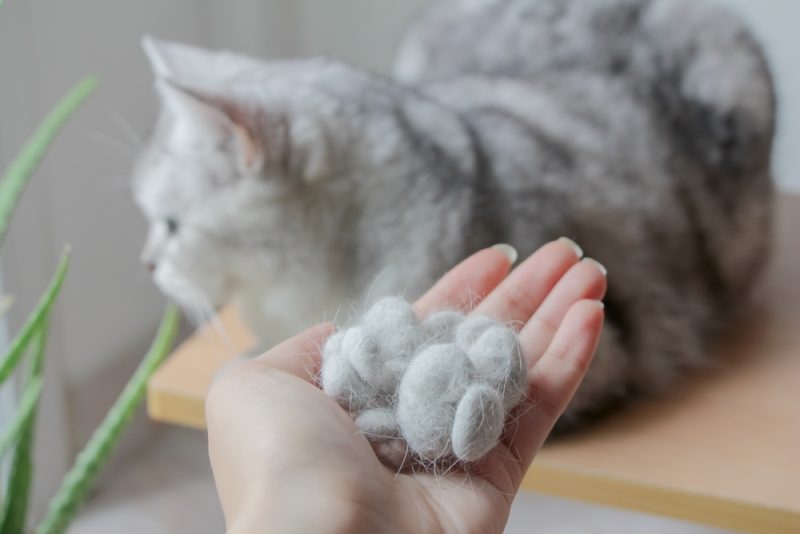
Because of the way it bundles up, cat hair is the perfect material for refilling pet toys that have lost their stuffing. If you're the crafty type, you can try DIYing toys from scratch with cat hair as the stuffing. You can find some great videos on YouTube on how to craft cat hair into toys and cute decorations.
Crafting with Cat Hair: Cute Handicrafts to Make with Your Cat by Kaori Tsutaya is a book dedicated to this skill, so you might want to look into it if you're not sure where to start.
3. As Fertilizer
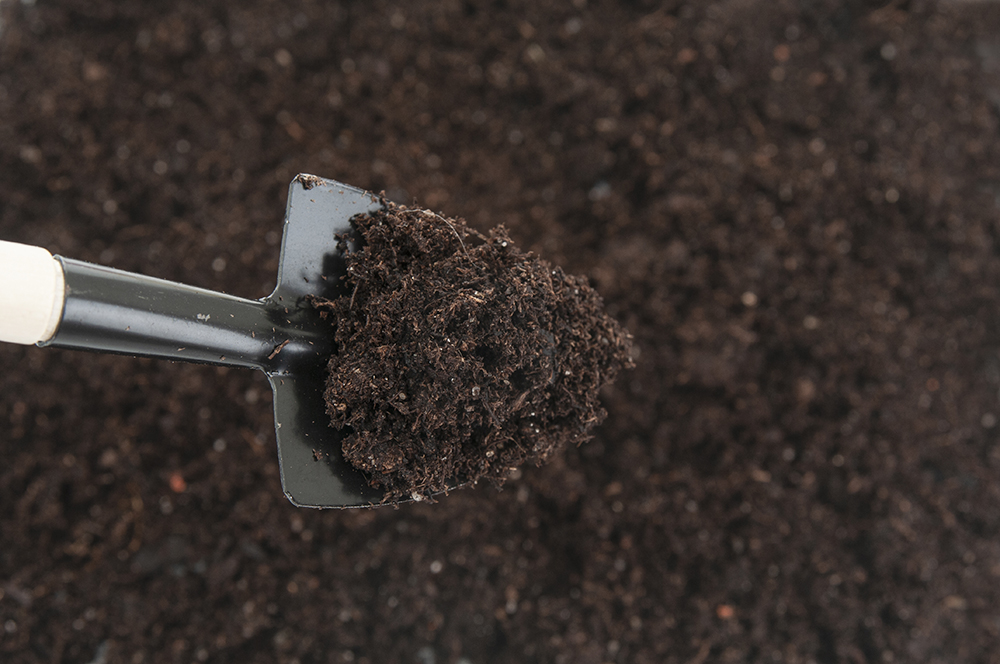
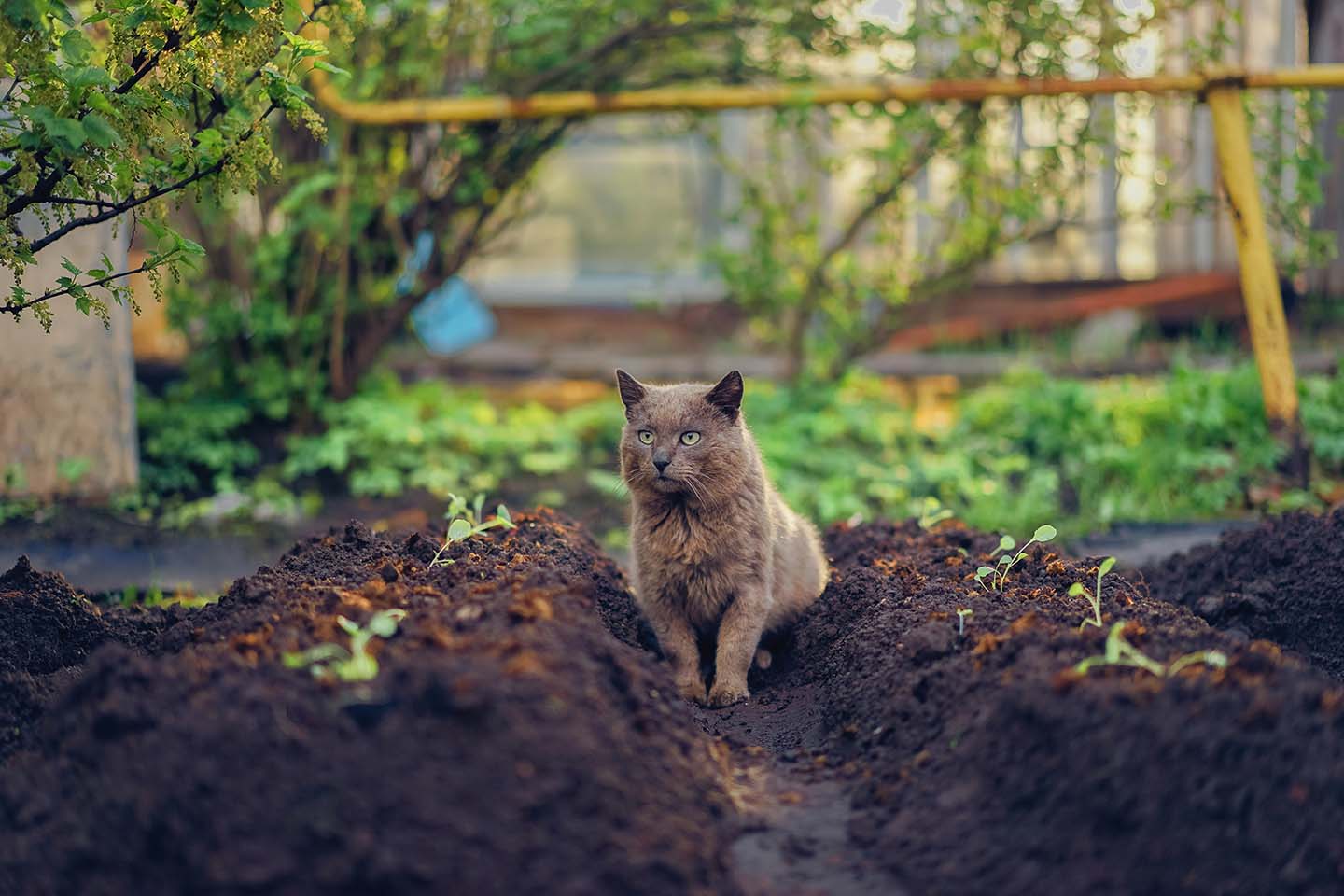
Hair can be used in compost and to fertilize your garden because it releases nitrogen, which encourages healthy growth. You may not notice the benefits at first because it takes time for nitrogen and other nutrients to be released, but if you stick with it, your plants should thrive.
Other nutrients in cat hair that are beneficial to your garden include calcium, iron, and amino acids.
4. To Aid in Allergy Programs

Some laboratories have been known to buy bags of cat hair from vet clinics to formulate feline allergy injections. In 2011, a Tennessee clinic collected pet hair from cats who had been shaved for procedures over the course of a year which went to Greer Laboratories in North Carolina for $325. The veterinary clinic in question donated this payment to help those in need in the community.
5. Knit Sweaters
If you're sick of cat hair ending up all over your clothes, you might want to try owning the look with a cat hair-crafted sweater! For people for whom knitting is not their forte, there are companies and artisans out there that knit your pet's hair into a sweater on request.
6. Make Jewelry

That's right: You can even make jewelry from your cat's shed hair with a little bit of creative spirit. One creator, Flora Davies, crafts pieces of jewelry from cat hair, with some trademark pieces consisting of balls of hair that look like pearls. She also encloses cat hair molded into various shapes in wire to make pendants, necklaces, and earrings.
7. Deter Pests
Sprinkling cat hair around your garden may help prevent animals like mice, rabbits, and squirrels from coming and munching on your plants. Not only is hair good for your plants because it contains nitrogen, but it acts as a deterrent for small animals because they'll smell the cat hair and think a predator is about.

What About Bird Nests?
While some sources recommend putting out untreated animal hair for birds in baskets or a suet container, this may not be a safe material for birds to line their nests with due to the risk of getting tangled up.
It can also be unsafe for birds if the animal has been shampooed or treated with flea and tick medication. Some safe materials to provide birds with include:
- Dead leaves and twigs
- Dry, untreated grass
- Plant fluff or down
- Feathers
- Pine needles
- Bark strips
- Moss
In addition to animal hair, yarn, felt, string, cloth, dryer lint, aluminum foil, tinsel, plastic strips, and cellophane are listed as items you should not provide to birds.
Conclusion
If you're thinking of donating cat hair or using it to craft your own bits and bobs, it's worth starting a collection. This free, natural, non-harmful material has a wide variety of purposes and can even do a lot of good for the environment and the community if donated.
Sources
https://maryannsteggles.com/tag/do-not-use-dog-hair-for-bird-nests/
https://www.facebook.com/TheRSPB/photos/a.200908353032/10159333177528033/?type=3
https://moderncat.com/articles/jewelry-made-cat-hair-indeed/
http://www.catsparella.com/2011/06/cat-hair-jewelry-by-flora-davis.html
https://www.huffpost.com/entry/dog-and-cat-hair-shedding-ew_n_5592444
https://www.uncannyanimals.com.au/blogs/news/7-thoughtful-re-uses-for-pet-hair
Featured Image Credit: Doucefleur, Shutterstock

Expert cat care, straight to your inbox
Vet-reviewed advice, behavior tips, and the best of Catster. Free, and you can unsubscribe anytime.
By signing up, you agree to our Terms & Conditions and Privacy & Cookies Policy.
Kit Copson is a freelance writer and lifelong animal lover with a strong interest in animal welfare. She has parented various furry beings over the years and is currently a proud cat mom of two—one very chilled (unless hungry) Siamese and a skittish but adorable Domestic Shorthair—and dog mom of one—an adopted Bichon Poodle cross. When not writing about or spending time with animals, Kit can be found doodling in her sketchpad, reading, or more often than not, drinking tea.
Join the conversation
Ask a question, share your story, or send private feedback.