12 Creepy Cat Facts That Some People May Find Disturbing!

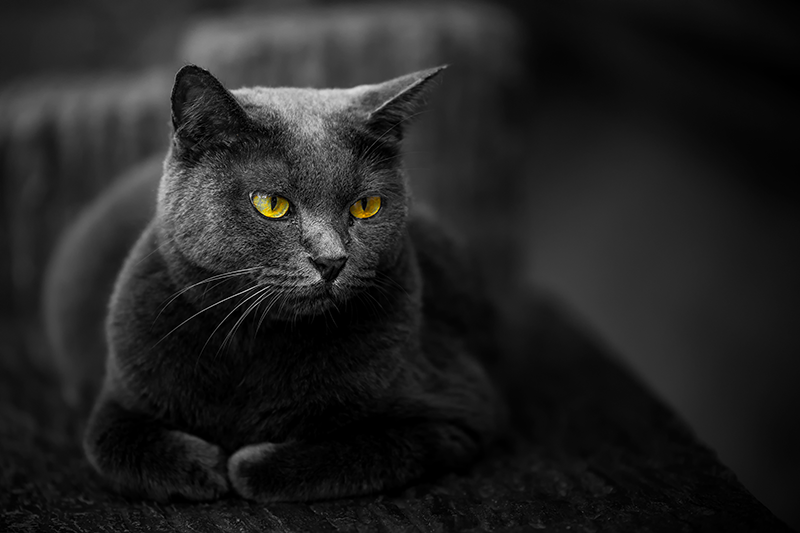
Cats are a lot of things: weird, wonderful, quirky, and adorable, but did you know they can be downright creepy sometimes? You may already know about their hunting abilities, unique body language, and judgmental side, but we bet you don’t know some of these.
Take a look at these 12 creepy cat facts that may disturb you about your favorite feline companion.

The 12 Creepy Cat Facts
1. Cats Have Remarkably Mobile Ears
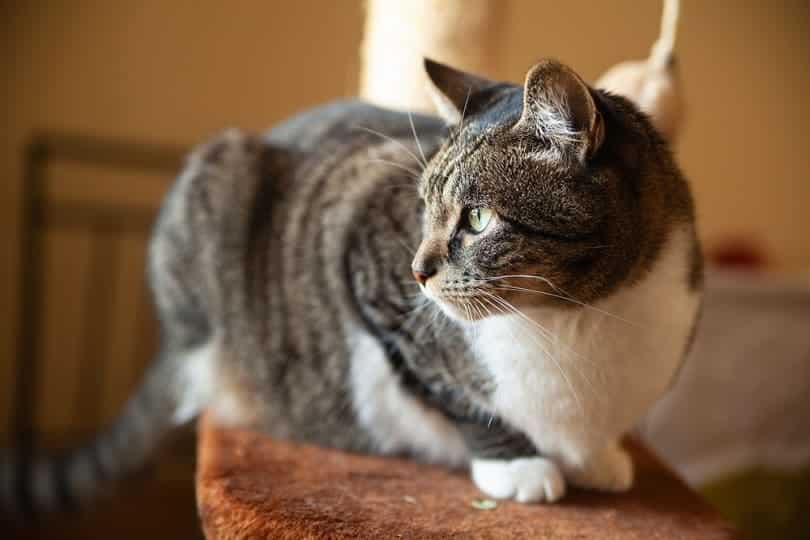
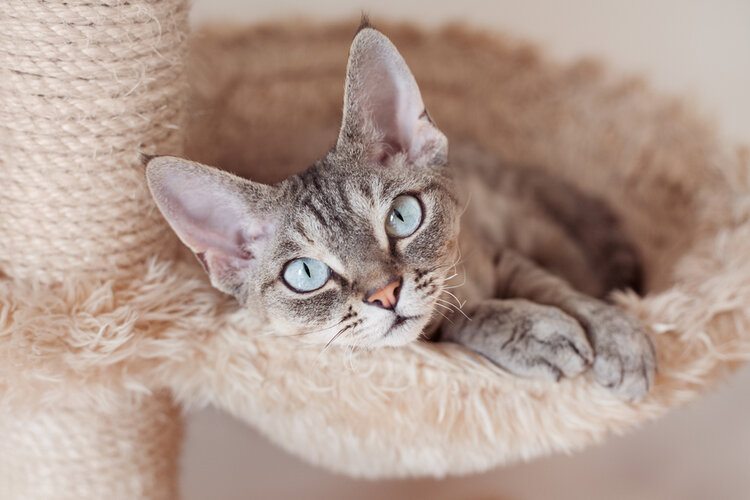
Cats’ ears are always moving and twitching, responding to their environment. These essential body parts are creepily independent, however. Cats can rotate their ears up to about 180 degrees, and each ear can move independently, helping them pinpoint sounds and stay aware of their surroundings.
2. Cats Have a Third Eyelid
Several animals have a third eyelid that’s only visible when they have eye problems or when they’re sleeping with their eyes partially open. With cats, however, this third eyelid, called the “nictitating membrane” or “haw,” may become more visible when a cat is relaxed, sleepy, dehydrated, or not feeling well. Persistent visibility can sometimes indicate illness or eye problems.

3. Cats Can Literally Hear a Pin Drop
Cats have remarkable hearing. Their ability to hear frequencies up to 85 kHz means they can detect high-frequency sounds that humans can’t hear and pick up on the ultrasonic sounds rodents make to communicate. This gives them a real edge when it comes to hunting and helps them stay aware of their surroundings.

4. They’re Dreamers
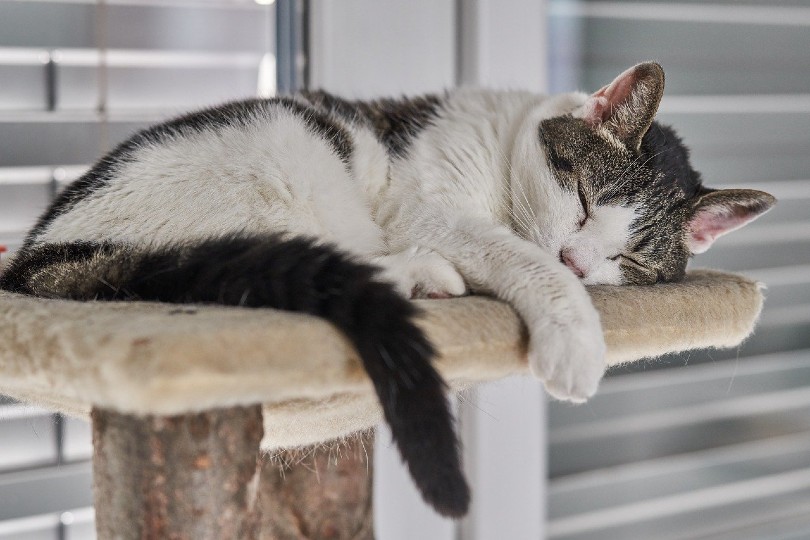
Cats dream like humans and some other animals. Researchers believe cats likely experience sleep-related brain activity associated with dreaming, particularly during REM sleep, although we cannot know exactly what they dream about. REM sleep activity has been observed in very young kittens, suggesting dream-like sleep processes may begin early in life.
5. Cats Can't See What's Right In Front of Them
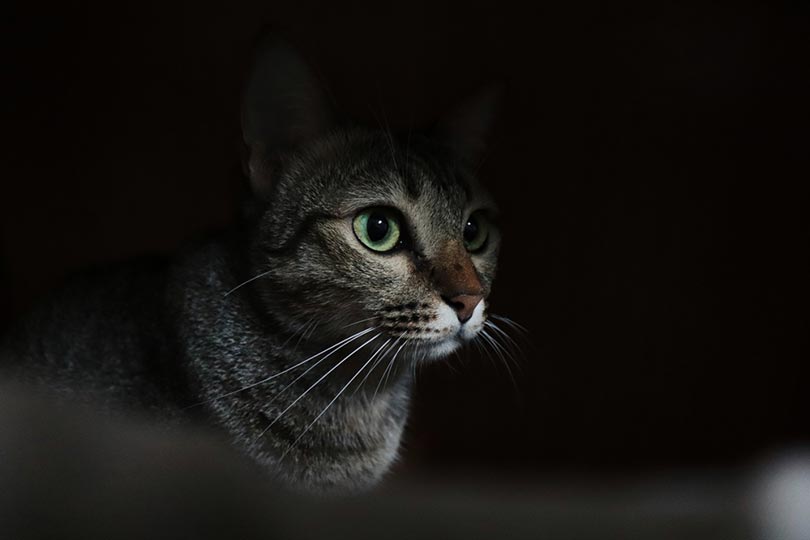
Feline vision is excellent, but they have a weird blind spot directly below their nose. They might be able to spot a tiny insect moving in the grass, but they literally can’t see what’s directly in front of and below their sightline.

Cats have a homing instinct that allows them to find their way home. However, this ability is not fully understood. Some researchers have proposed that cats may use environmental cues such as scent, landmarks, sunlight, or Earth’s magnetic field for navigation. While more research is needed, cats likely rely on a combination of sensory cues to navigate familiar environments.
7. Cats Try To Speak Human
Cats have fewer genetic changes from their time with humans than many other domesticated animals, but we have had some influence. Adult cats rarely meow at one another and instead commonly use vocalizations such as meowing to communicate with us humans. The cat’s natural vocal range is not entirely audible to humans, but they’ve learned to communicate their affection, fear, anger, and hunger using a variety of sounds that human hearing can detect.

8. Cats Can Learn to Use the Toilet (But They Shouldn't)
Litter box training comes pretty naturally to cats, but some take it a step further with toilet training. It takes a little more work, but it’s possible to train your cat to use the toilet. However, most veterinary behavior experts do not recommend toilet training because it can interfere with monitoring urinary and stool habits and may not allow cats to express normal elimination behaviors, such as digging and covering waste. Additionally, flushing cat feces can contribute to the environmental spread of Toxoplasma gondii, a parasite that may survive wastewater treatment processes in some areas.
9. We Can Thank Cats for Electricity
It is believed that Nikola Tesla, the genius mind who helped develop electricity, was inspired to investigate the phenomenon after experiencing static electricity while petting his cat, Macak.

10. Cats Might Eat You
Cats are survivors, and if you were to pass away and leave your cat without a food source, there is a pretty good chance they would eat you. They may love you, but their instincts to survive are deeply ingrained.
11. Their Purr Has Healing Powers
Although we tend to associate purring with a contented kitty, cats will also purr as a method of self-soothing. Scientists have found that the wavelengths emitted by cats purring when they are injured or unwell are the same frequencies used in human therapies to treat injuries, pain, swelling, and respiratory problems.

12. Cats Have Been Known to Predict Death
There have been many stories about cats predicting the impending death of humans. In fact, a nursing home cat named Oscar at the Steere House Nursing and Rehabilitation Center reportedly became known for staying close to some patients in their final hours. Although there is no scientific evidence that cats can predict death, researchers have suggested that cats may respond to changes in body temperature, scent, behavior, or activity levels in seriously ill people.
Conclusion
There you have it—the weirdest and creepiest facts about cats. Predicting death, healing through purrs, and swiveling ears are certainly some of their stranger claims to fame, but they’re also big balls of love that make our lives better and more interesting!
See also:
Can Cats Be Allergic to Litter? Vet-Approved Facts & Safety Guide
Disaster Preparedness for Cats: 12 Vet-Approved Steps to Take
Sources
Featured Image Credit: Ekachai prasertkaew, Shutterstock

Expert cat care, straight to your inbox
Vet-reviewed advice, behavior tips, and the best of Catster. Free, and you can unsubscribe anytime.
By signing up, you agree to our Terms & Conditions and Privacy & Cookies Policy.
Nicole is a lover of all animals, especially of the feline variety. She's mom to four, three fur babies and a human baby. She and her husband, John, live on a large forest property down in New Zealand.
Their beautiful Burmese cat Baby (who is now 17 years old) was their first child, though he is now called Baby Cat since their human baby joined the party in 2022. The dogs Rosa and Mac also love cats, but the whole family agrees that King Baby Cat is enough cat for this household.
Nicole is the Director of Content Management at Catster and Pangolia. With a Bachelor's degree in Education and years of online experience, she shares her pet knowledge and the knowledge of other professionals with the world, aiming to improve pets and pet parents' lives.
Join the conversation
Ask a question, share your story, or send private feedback.