Do Cats Dream? Let's Ask Pancake

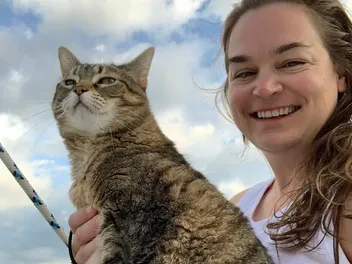
Hi, I'm Dr. Lauren! Read my introduction to learn more about me and my two adventurous cats, Pancake and Tiller.
One study defines dreaming as a “universal mental state characterized by hallucinatory imagery congruent with a confabulated, temporally ordered, storylike experience.”1 Rolls off the tongue, no? In layman’s terms, a dream is the emotions, thoughts and images obtained during sleep. Or in reality, it’s the part of sleep you remember, or don’t.
The act of sleeping for both humans, and animals like cats, shares two phases: rapid eye movement (REM) and non-REM periods. During these phases in both species, similar physiological and neurological activities occur, suggesting that cats do dream during sleep. (Similar to humans, REM sleep is the phase in which feline dreaming is believed more likely to occur, whereas during non-REM sleep, the body is more focussed on repair and rebuilding.)

Do Cats Dream? Pancake's Evidence
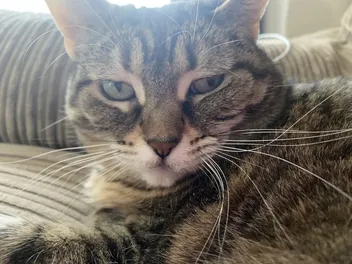
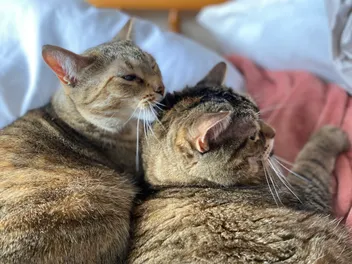
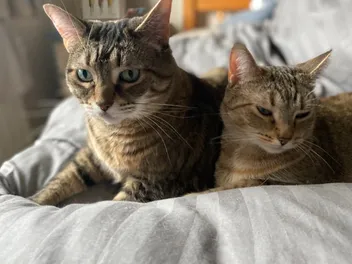
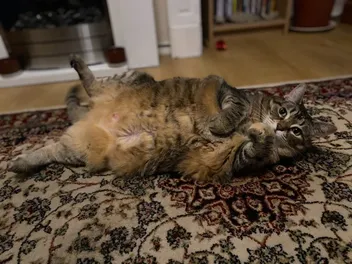
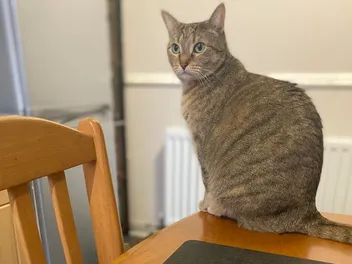
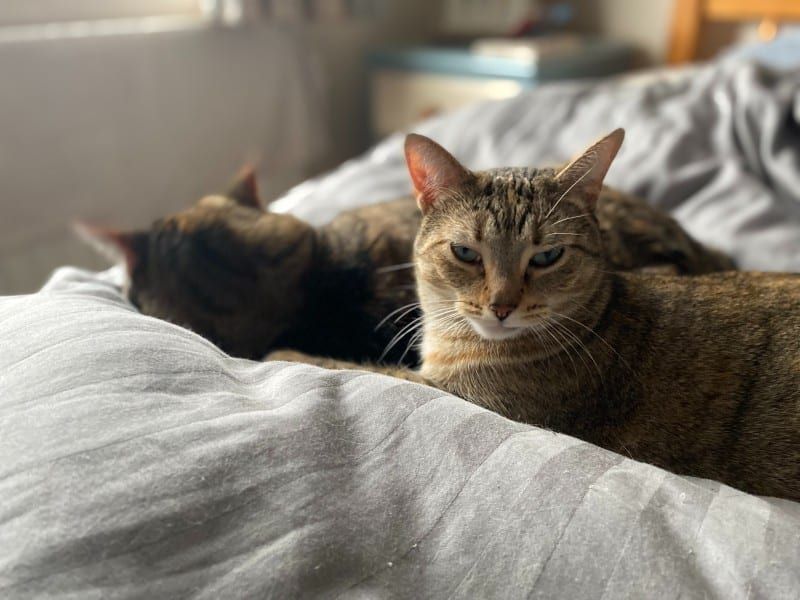
Like last week’s topic, the science is sparse on whether cats dream, and certainly what they dream about. During an interview on this very topic, one professor of veterinary neurology has been quoted as saying that cats certainly dream.2 I, too, agree. Cats definitely dream. Where’s my scientific data, you ask? Enter stage left: Pancake.
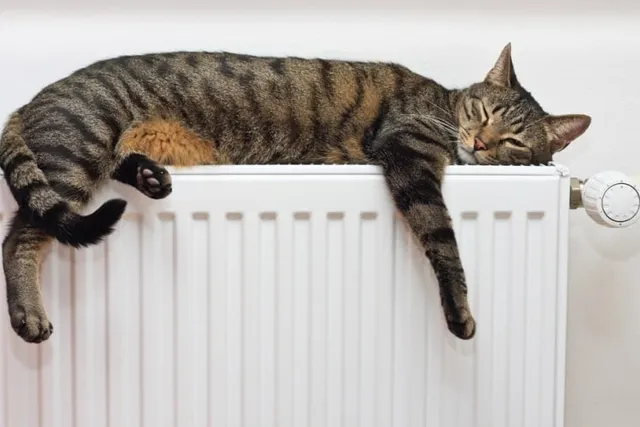
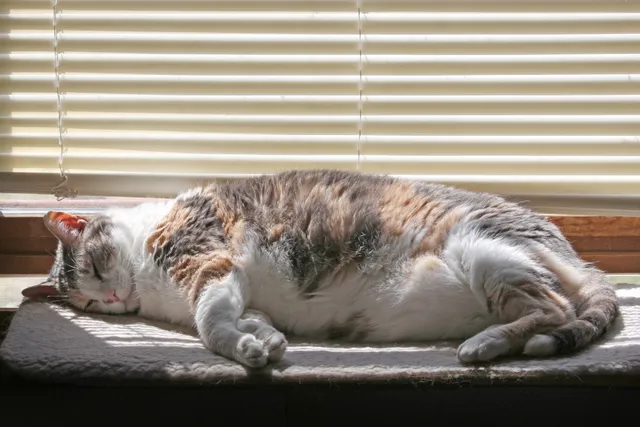
Pancake is a champion sleeper. Maybe the champion. Cats spend on average around 15+ hours a day sleeping. That equates to around 70% of a cat’s life. The rest, obviously, is spent eating! I’m fairly certain Pancake has also found a Time-Turner (thanks to the British Ministry of Magic) and actually manages to sleep around 26 hours a day, as she travels back in time to gain an extra hour or two for sleeping, and an additional one for eating, or at least staring longingly at the food bowl…

Signs of Cat Dreaming
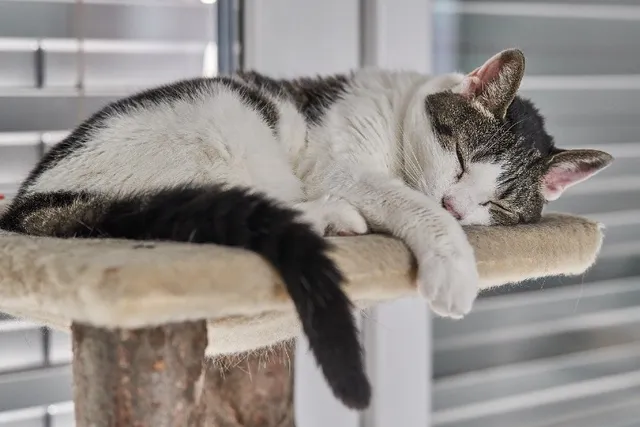
On many occasions, I’ve found Pancake asleep, and I see signs that lead me to suspect she’s dreaming. Ear twitching, paw shaking, whiskers twitching—it’s all there. As a veterinarian, on more than one occasion, I’ve had clients call, concerned, that something is wrong with their cat. Upon observation, it’s apparent that some of these cats are probably dreaming.
Signs your cat might be dreaming during sleep:
Things that can look like dreaming:
If you’ve not seen your cat dreaming before, or your cat suddenly starts displaying unusual tremors, shakes, or vocalizations, speak to your vet to discuss what could be causing these signs. Better yet, get a video—they are priceless for interpreting conditions and things that occur at home.
Fun Facts About Dreaming
- Kittens are believed to dream more often than adult cats. This is due to the fact that kittens experience more REM sleep than adults
- Humans dream about cats in about 5% of dreams.
- Dreaming about cats is said to potentially represent a desire for independence, femininity, or experiencing unpredictability.
Ultimately, we don’t know for certain that cats dream. But a lot of evidence suggests that they do, and certainly no data exists to suggest that they don’t. Most cat owners will likely agree that their cats dream—about what, has yet to be determined. For Pancake, I would not be surprised to learn that she’s dreaming about a never-ending spread of her favorites: cheese, roast chicken, and dry cat food. Or perhaps she is paradoxically dreaming of her favorite pastime itself: sleep!
This article is a part of Dr. Lauren, Pancake, and Tiller's series.
Expert cat care, straight to your inbox
News, insights, and useful advice, delivered to you.

No spam — unsubscribe anytime.
By signing up, you agree to our Terms & Conditions and Privacy & Cookies Policy.
How useful was this post?
Click a star to rate. You can leave written feedback afterwards. (We read all feedback.)
Dr. Lauren Demos DVM (Veterinarian)
As a veterinarian, Lauren is eager to share her experience in emergency medicine and cats, with our readers. She loves sharing helpful, real life tips for having cats as part of your life, and what to do in critical situations with your pets.
Lauren is a vet with over a ten years of experience in cats and dogs, along with infectious diseases. She enjoys teaching, and lectures for students, pet owners, and clinicians, on various topics.
Lauren received her degrees from Murdoch University, in Perth.