Can Cats Understand Multiple Languages? Dr. Lauren's Perspective
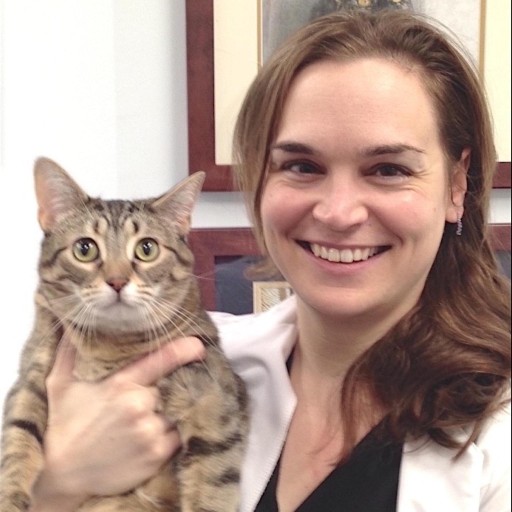
Happy New Year, everyone! Sorry for the delay on this one - Pancake and I were busy celebrating...
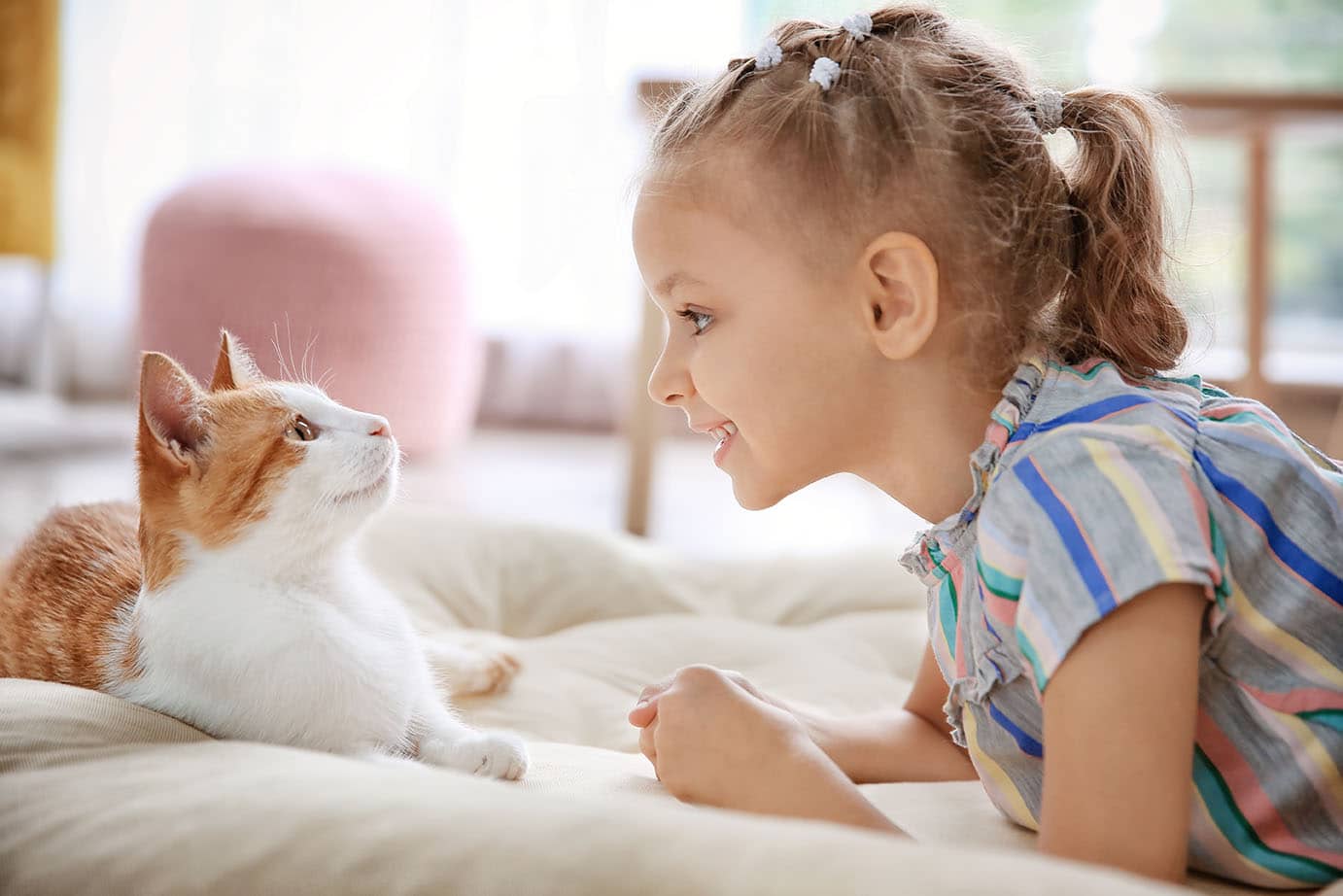
Cats have lived with humans for over 10,000 years by various estimates, being present throughout the modern world in varied contexts of societies worldwide.1 The scope of which cats thrive in various cultures, ranging from beloved pets to demigods, means that they are adaptable, and intelligent beings. Therefore, it would seem logical that we find ourselves wondering just how much they comprehend the human world around them. Specifically, can cats understand multiple languages? Let us delve into this linguistic labyrinth.
Scientific data directly pertinent or supportive of the subject of feline language comprehension is sparse. Cats themselves are described as having a minimum of 21 varied forms of vocalizations, though in reality this is suspected to be higher.2 So, you’ll hopefully forgive me when I rely on a lot of ailurophilic anecdotal experience, to say that yes, as a vet with over a decade working in feline-exclusive practice, cats can and do understand multiple languages.

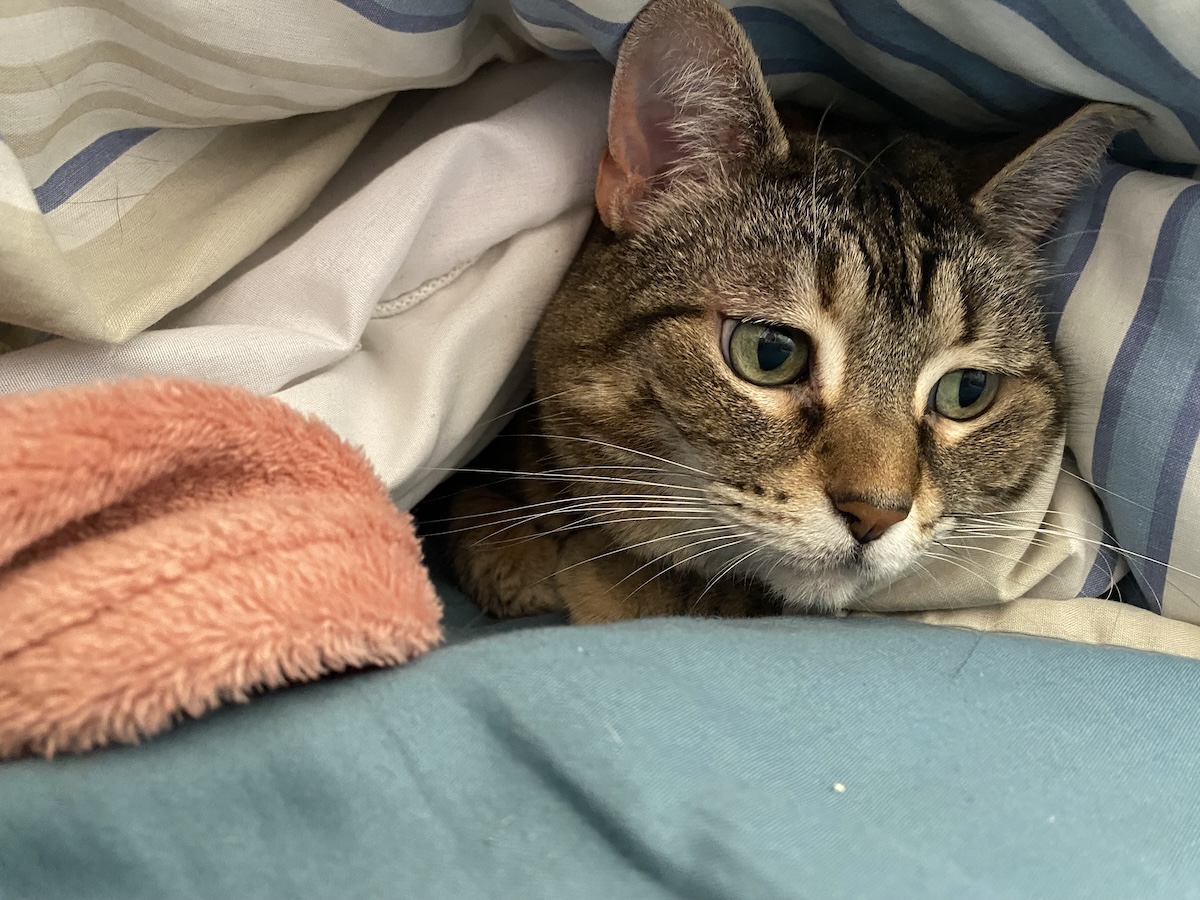
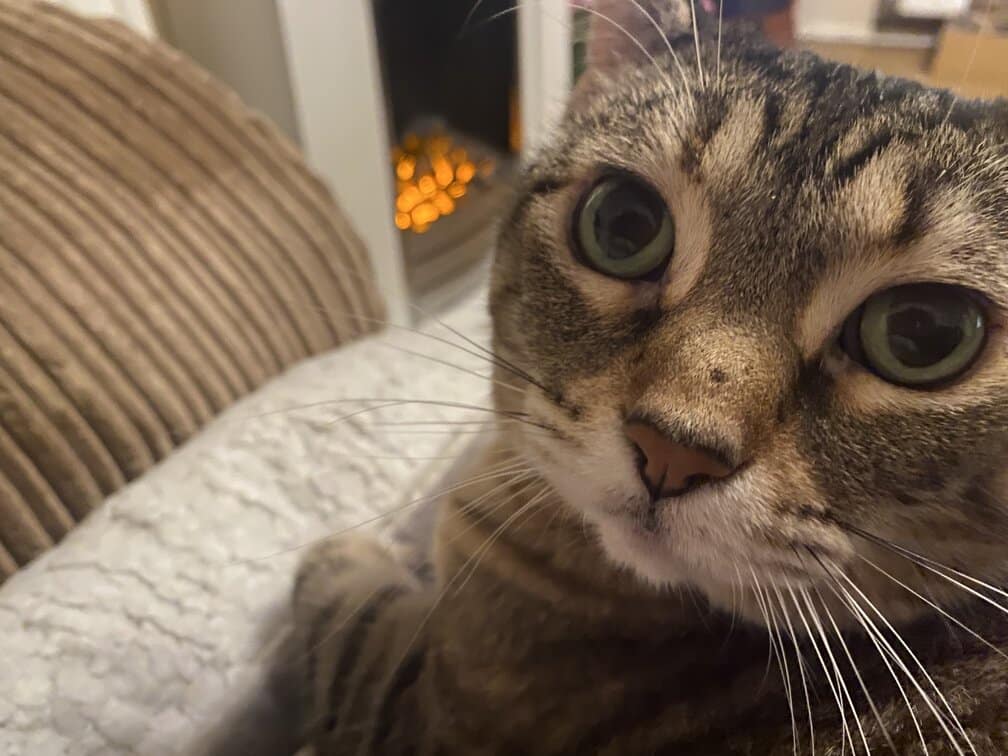
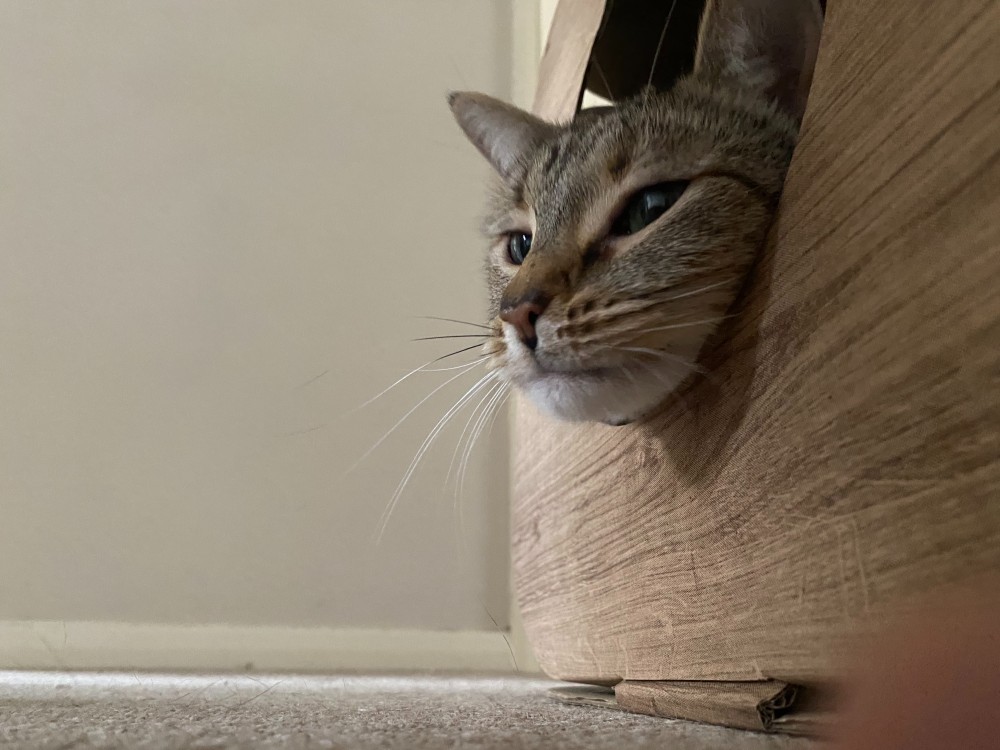
For instance, a bit like the Inuits, with the various words for snow, I suspect Pancake has about 21 vocalizations just for various forms of “feed me”. They include feline phrases such as: where’s the food, why didn’t you feed me more, can’t you feed me again it’s been five minutes, can’t you feed me again, it’s now been 10 minutes, why did you feed me this, and so on, and so forth. Each with a distinctively unique meow.
A number of years back, now, some inventors in Japan came up with a gadget that supposedly translated what cats were saying. It wasn’t super slick compared to modern tech, but it did suggest that cats were attempting to communicate with their owners. Nowadays, you can carry the translator in the form of an App called MeowTalk, so that at any time, you can translate what your cat is saying to you. (When I trialed it on Pancake, it suggested that she was repeatedly saying “I love you”, so it must be highly accurate… that or the designers were highly smart…) And we’ve all seen the pet buttons and associated videos on YouTube. In fact, there is a whole channel dedicated to a cat named Billi who (quite fluently, at times) uses the buttons to communicate in English with her owner. (Billi’s favorite word is mad, in case you were wondering…)

So all this anecdotal work suggests some attempts to communicate in a language other than their own. But taking it a step further, can cats be multilingual?
While cats may not be fluent polyglots in the human sense, they certainly respond to multiple languages. Many feline patients I've worked with in the past come from multilingual homes, speaking two or more languages. These have included English, Russian, French, Portuguese, Spanish, German, Dutch, and many others. In the exam room, these cats certainly respond to various spoken words in these multiple languages. And owners are quick to assure me it's no different at home.
Remember, too, that your cat responds to non-verbal communication. Whether that be clicker training (an amazing group of Circus Cats in the US epitomizes what clicker training can accomplish), or your facial expression, cognition is closely tied to various non-verbal cues. Slow blinking, too, encouraged cats to approach people, in one study. So add another tick to the language box, and rest assured that the feline lexicon is indeed large. Whether you speak English, Mandarin or Spanish, a cat is constantly discerning your mood through the nuances of non-verbal communication.
In short, it’s fair to say that cats have demonstrated multiple times in my career (and the four times I’ve seen the Circus Cats in Chicago) that they understand multiple layers of language, both verbal and nonverbal. This allows them, in part, to develop the deep bonds they do with people worldwide. So, whether you communicate with your cat in English, French, or Afrikaans, rest assured they appreciate the communication and what you convey. And, as a fallback, there is always the universal language of food. Dreamies or Chupa Chups, anyone?
This article is a part of Dr. Lauren, Pancake, and Tiller's series.

Expert cat care, straight to your inbox
Vet-reviewed advice, behavior tips, and the best of Catster. Free, and you can unsubscribe anytime.
By signing up, you agree to our Terms & Conditions and Privacy & Cookies Policy.
Dr. Lauren Demos DVM (Veterinarian)
As a veterinarian, Lauren is eager to share her experience in emergency medicine and cats, with our readers. She loves sharing helpful, real life tips for having cats as part of your life, and what to do in critical situations with your pets.
Lauren is a vet with over a ten years of experience in cats and dogs, along with infectious diseases. She enjoys teaching, and lectures for students, pet owners, and clinicians, on various topics.
Lauren received her degrees from Murdoch University, in Perth.
Join the conversation
Ask a question, share your story, or send private feedback.