Will Mice Leave If They Smell a Cat? Vet-Reviewed Prevention Tips & Advice


In this article
Cats and mice are age-old enemies pitted against each other in the media and in life. Although cats seem to be freeloaders around the home, many people hope their beloved felines will also fulfill another purpose besides just being a companion: pest control.
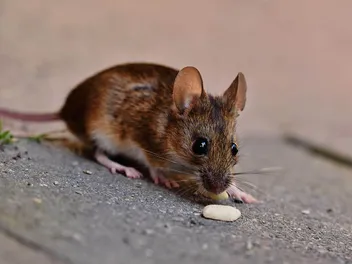
While some domestic species of mice make excellent pets, the wild species of the house mouse can cause a real pest problem in rural and urban homes. They tend to be drawn to human settlements due to our abundance of food and a dry, warm place to sleep.
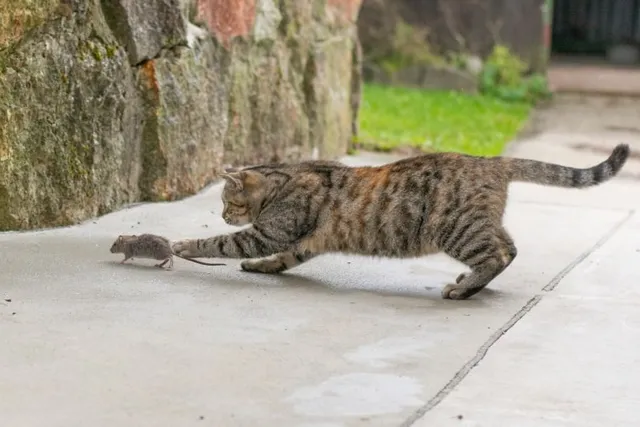
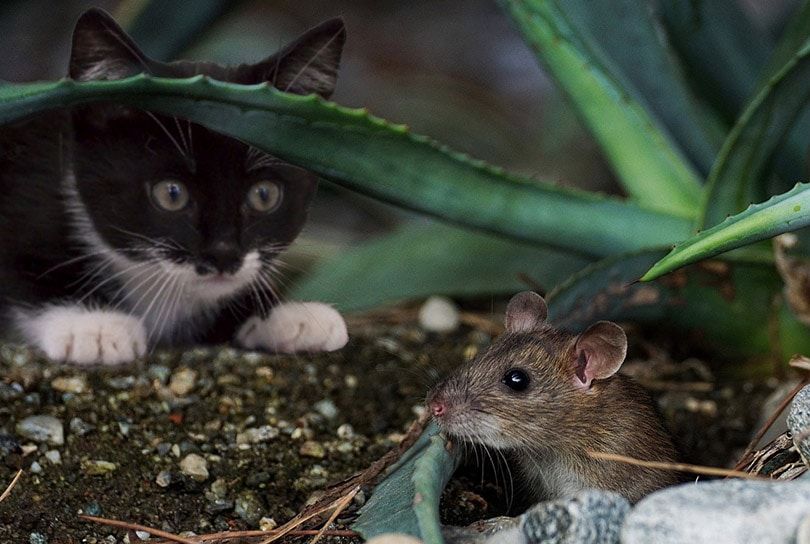
Many people believe that a cat’s presence will deter a mouse from their house. But can mice even smell cats? And if so, will mice leave if they smell a cat? A cat’s presence or smell will indeed cause a mouse to avoid an area, but they likely won't leave your house altogether.

A Cat’s Presence Is Not Enough
While there is clear evidence that mice hanging around your home will be able to smell your cat, it is likely not enough to encourage them to leave an area. A single cat in your home won’t be a guaranteed safeguard against mice; you still can easily have an infestation on your hands.
Your Cat Can’t Be Everywhere
Even though mice can smell cats, the reach of your cat’s scent isn’t enough to cover the whole area of your house. Mice will find lots of nooks and crannies free from this predator scent and have a comfortable life.
Additionally, the strength of the scent will fade over time, so an area will need constant re-scenting to affect the nearby mice.
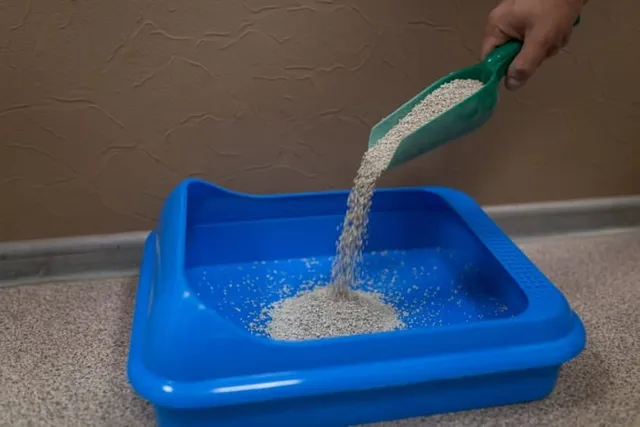
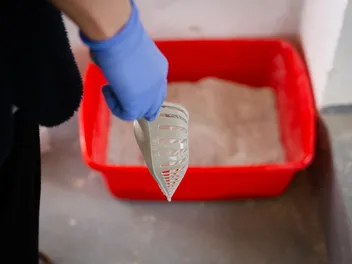
Cats are creatures of habit, and they will often go to the bathroom in the same spot all the time. If they are indoor cats, this will be the litter box. This means the rest of the house that’s not near the litter box won’t smell like your cat to mice.
Therefore, it is impractical to expect your cat to handle a mice infestation.

They Can’t Reach the Nests
As mentioned, mice find all the crevices to tuck themselves into for warmth and safety. When they create a nest to have their babies, they will make this spot extra safe. Your cat is giant in comparison to these tiny critters, so they don’t stand a chance of infiltrating their nesting areas.
Mice will persist in an area if they continue to reproduce.
Mice Reproduce Too Quickly
The house mouse can have between 5–10 litters of young per year, with each litter consisting of 3–14 pups. Each of those pups will mature sexually at the young age of 6–8 weeks and quickly go on to reproduce just as much!
A house with just one or a few domestic cats could by no means keep up with a population of mice that reproduces at this rate, so if you have mice, don’t rely on your humble feline to sort it out.

A Mouse's Fear Response
Such a little animal like a mouse has to utilize all the tools in its belt to stay safe and survive. Mice rely on all their primary senses to stay vigilant to prevent becoming a snack for a predator.
They use their highly developed sense of smell to sniff out predators. In response, the smells signal a fear response in the mice, causing them to avoid the area.
Tests have been done to determine whether mice can also sense other predators this way, which they will naturally encounter. Studies found that they did show a defensive fear response to a snake, but they did do so when they smelled a cat.
Other studies found that rodents like mice can pick up on the presence of predators they would have never naturally encountered! This led to the theory that all carnivores have a universal signal that prey can pick up on in their pheromones. They even have narrowed down this substance to a specific compound.

Prevention Is Key
To prevent your home from becoming a haven for mice, you need to make it an unwelcoming place to be and an impenetrable fortress. Once you have mice, the problem can quickly get out of hand, so focusing on prevention is crucial.
Here are our best anti-mice tips:
Final Thoughts
Just because mice can smell cats and feel the fear from a nearby predator doesn’t mean that it’s enough for them to leave the area completely. A domestic cat doesn’t offer enough of a threat to keep away mice for good, and the allure of a warm home and tasty food sources is worth the risk for a little mouse just trying to survive.
Related Reads:
How to Stop a Cat From Bringing Dead Mice Home: 5 Vet-Approved Methods
My Cat Killed a Mouse, What to Do? Our Vet Answers & Explains
Featured Image Credit: 165106, Pixabay
Expert cat care, straight to your inbox
News, insights, and useful advice, delivered to you.

No spam — unsubscribe anytime.
By signing up, you agree to our Terms & Conditions and Privacy & Cookies Policy.
How useful was this post?
Click a star to rate. You can leave written feedback afterwards. (We read all feedback.)
With an early start in the veterinary industry and as a conservation educator at Disney’s Animal Kingdom in Florida, Sophie has since been a successful Zookeeper and Conservationist, specializing in native New Zealand species. When she’s not bird watching in native forests or crawling through the underbrush at midnight searching for rare frog species, she can be found with her farmer husband on their sheep and beef station, far from civilization. Alongside them, they have 2 cats, 9 chickens, and 11 dogs (most notably, her sidekick, a black Labrador aptly named Jellybean). Sophie enjoys her writing career as it provides opportunities to help and support pet owners of all kinds to give animals the best welfare possible. The only downside is the long list of strange searches in her internet history!