Are Amaryllis Plants Toxic to Cats? Vet-Reviewed Houseplants Examined


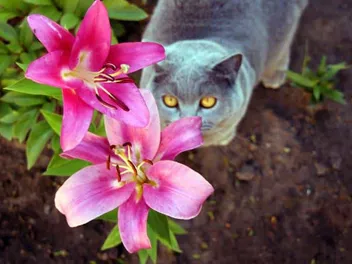
Christmas time is a joyous time for most people, and we have come to associate this cheerful holiday with various plants that we adorn our homes with to celebrate the festivities. However, these plants are not universally safe for cats. Many plants—including the amaryllis—can be poisonous and even deadly when consumed by a cat. Read on to learn more about amaryllis poisoning and how to keep your cats safe!

Amaryllis Poisoning: What Is It & What Does It Look Like?
In short, amaryllis poisoning is toxicity caused by consuming parts of the amaryllis plant. Amaryllis plants are toxic to both canines and felines. They contain lycorine and other poisonous substances, leading to hypersalivation, gastrointestinal distress (vomiting, diarrhea, decreased appetite, abdominal pain), lethargy, and tremors.
The bulb of the amaryllis plant contains the highest concentration of toxins, but all parts of the plant are toxic when ingested by cats or dogs. You can also find the amaryllis under many names, such as the Belladonna, Saint Joseph’s Lily, Cape Belladonna, or Naked Lady.
What Other Christmas Plants Are Toxic for Cats?
Unfortunately, most Christmas plants are toxic when ingested by cats (and people, for that matter!) Here’s the scoop on Christmas plants and what you can expect if your cat happens to eat one.
1. Holly

All parts of the holly plant are toxic when consumed by cats or dogs. Holly contains chemicals known as glycosides, similar to soap, and are poisonous when ingested by cats or dogs. Cats who consume part of a holly plant could experience gastrointestinal distress—most notably vomiting, diarrhea, decreased appetite, and lethargy.
2. Pine Trees

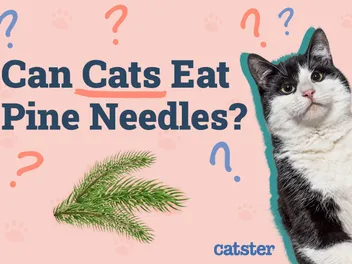
What is Christmas without a tree? However, it would help if you were careful with pine trees since they are toxic when ingested by cats. Several varieties of pine trees cause toxicity in cats, including the Australian, Norfolk, and Norfolk Island Pines. However, unlike other plants on this list, we don’t know the toxic compounds in pine trees.
The water we use to keep the trees alive is more dangerous than the trees themselves. These pots of standing water can contain bacteria, mold, and fertilizer used to keep the tree healthy, and pets who drink from the water can become extremely ill.
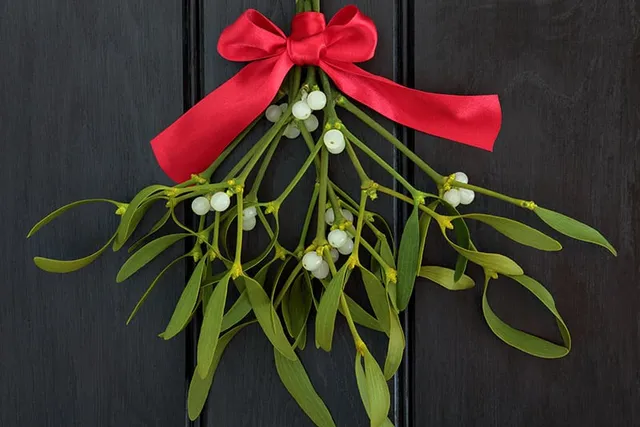
3. Mistletoe

Mistletoe is another plant that most people can’t imagine Christmas without. However, like pine trees and holly, mistletoe is dangerous for cats. Keep it safely out of reach of your cats, or they could ingest the toxins ovalbumin, lectins, or phoratoxins that the plant uses to protect itself from predators.
Cats who consume mistletoe can experience gastrointestinal distress, cardiovascular complications (low blood pressure and heart rate,) and neurological complications (weakness, collapsing, unusual behavior.)
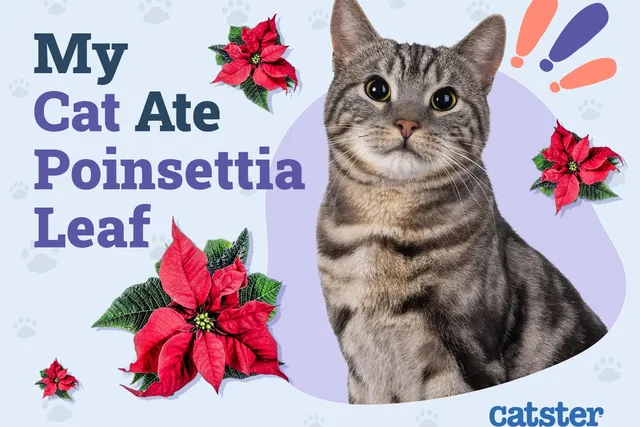
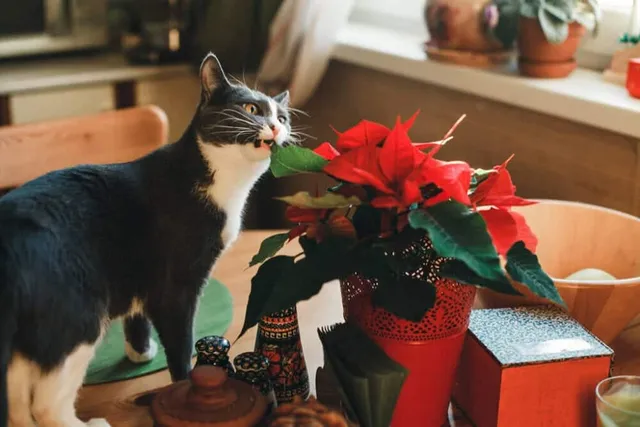
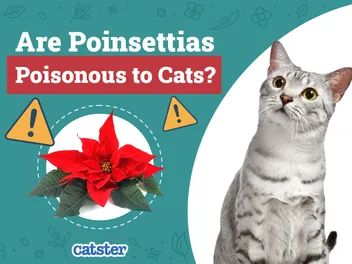
4. Poinsettia

The poinsettia is a common feature of the holidays, but its beautiful flowers are toxic to cats and humans who ingest them. The most susceptible populations are children and pets, but both groups will experience irritation to the mouth and vomiting.
While the public tends to consider poinsettias harmful to pets, the toxicology of the plant is far more benign. Irritation to the mouth and vomiting should be isolated and short-lived. The plants very rarely cause serious long-term complications.
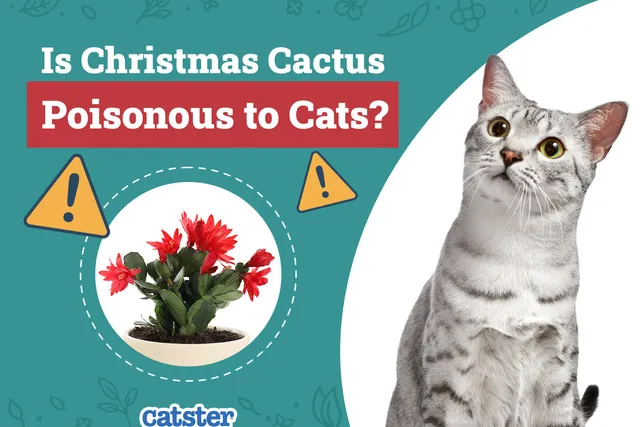
5. Christmas Cactus

Luckily, one plant is safe to have around your cats this winter: the Christmas Cactus. These lovely little plants are not toxic to people, cats, or dogs. However, because the plant is so densely packed with fiber, your cat may experience gastrointestinal distress because its gut microbiomes are unsuitable for digesting fibrous plant materials.
The most dangerous part of the Christmas Cactus is its spines, which can poke your cat when they get too close to the plant. Cats will likely be interested in sniffing the plant, resulting in some pricks if you don’t supervise them. However, they should lose interest in it quickly once they’ve ascertained that the plant is not an invader.
What to Do If Your Cat Has Ingested a Toxic Plant
Here at Catster, we recommend contacting your veterinarian or pet poison helpline regarding pet poison control. It’s better to be safe than sorry. Contact your veterinarian immediately if you suspect your cat has ingested a toxic substance.
Your veterinarian has more comprehensive knowledge of your cat’s condition and can more accurately determine what is wrong with your cat. There may be no cause for concern at all!
Final Thoughts
Plants might be beautiful around our homes, but they’re not always safe to keep near our pets. Unfortunately, the best way to keep your cat from consuming toxic plants is to prevent them from being brought into your home. Luckily, you can have a wide range of plants in your home for any occasion without putting your cat at risk!
Featured Image Credit: lucasgeorgewendt, Pixabay
Expert cat care, straight to your inbox
News, insights, and useful advice, delivered to you.

No spam — unsubscribe anytime.
By signing up, you agree to our Terms & Conditions and Privacy & Cookies Policy.
How useful was this post?
Click a star to rate. You can leave written feedback afterwards. (We read all feedback.)
Luxifa is a freelance writer with a passion for animal science and technology. She loves to share the world of animal science with people to help them make informed decisions for themselves and their pets. Luxifa has worked in professional pet care for over six years and strives to help change the world of pet care by bringing the information people need to them in terms they can understand. Knowledge is power, and Luxifa loves to help everyone become the most informed they can be.