How to Stop a Cat From Bringing Dead Mice Home: 5 Vet-Approved Methods


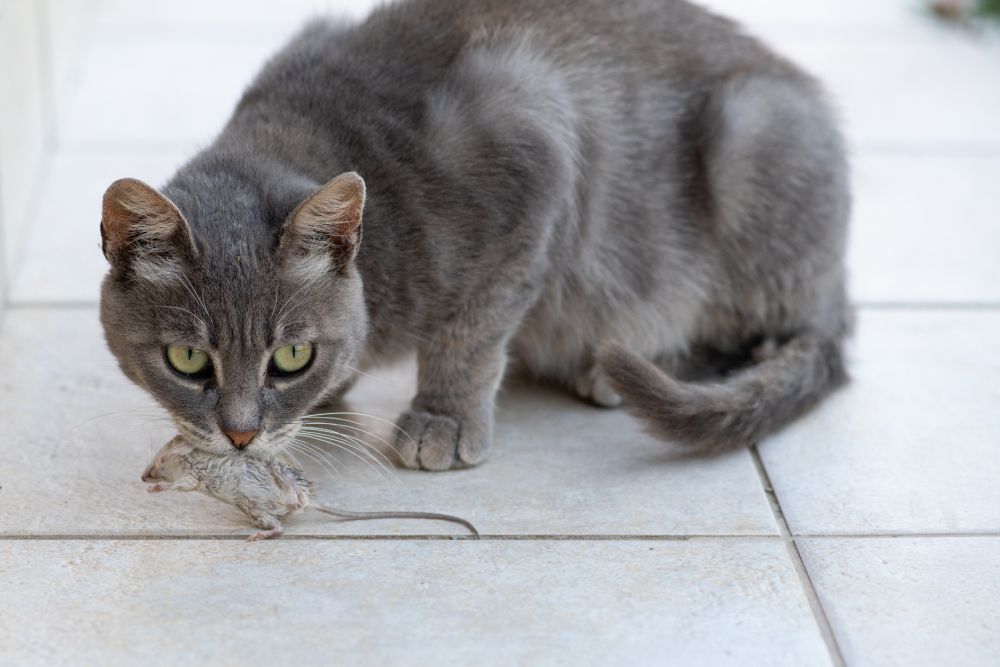
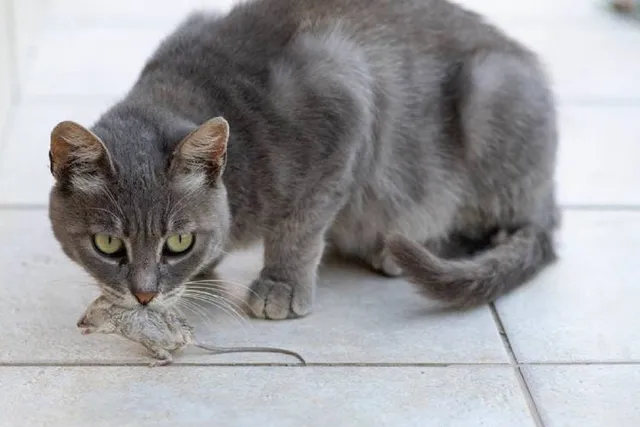
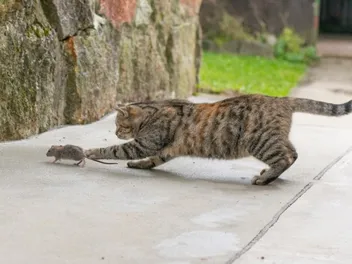
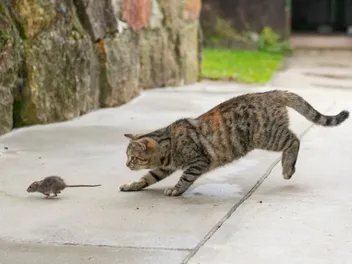
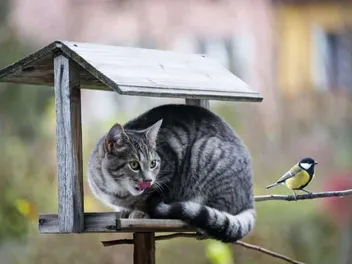
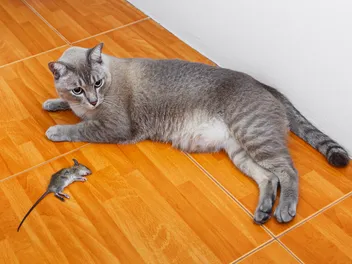
If you're the owner of a cat that ventures outdoors, you've probably come across a few interesting offerings left for you when they return home. Cats are natural hunters, stalking and playing with whatever small animal that they happen to capture. When you open your door in the morning, you might find that a victim has been left for you and not understand why your cat feels the need to do this. Hunting prey is one thing, but why do the cats bring you dead animals after killing them? Why do they have to give it to you? What use does your cat think that you have for this?
There are many theories for the reasons behind this behavior, including cats bringing a gift to their owners. However, most likely, your cat is bringing the animals back home because this is the territory where they feel safe and secure.
No matter the reason, we are sure you do not enjoy this nor want it to continue. Thankfully, there are a few ways to try to curb this behavior. Let’s look at five methods that you can try to stop cats bringing you dead animals.

How to Stop a Cat From Bringing Dead Mice Home
1. Keep Your Cat Inside
It only makes sense that if cats kill things outside, preventing them from leaving the house will solve the problem. It also keeps your surrounding wildlife safe. Cats are just one more predator that mice, birds, reptiles, and other wild animals have to worry about, and it doesn't have to be that way for them. An enclosed pen is a way to give your cat outdoor time without letting them roam freely all over.
Having a “catio,” an enclosed patio for cats with multiple levels, toys, litter, and water, is another fun solution and can keep your cat protected outdoors too. Just as your cat is a predator of wildlife, other animals like coyotes can prey on your cat. For everyone's safety, keeping your cat inside or confined outdoors is best.
2. Use a Bell

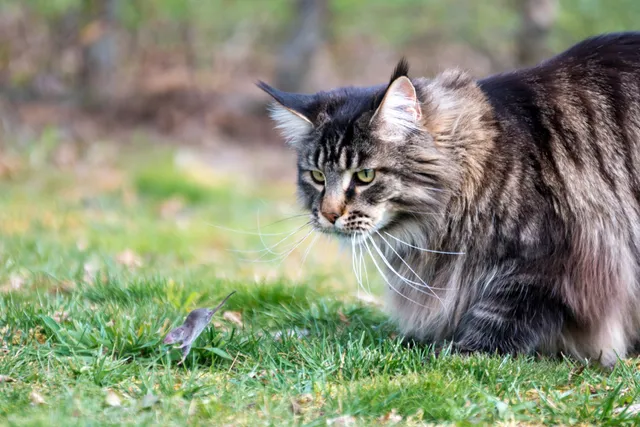
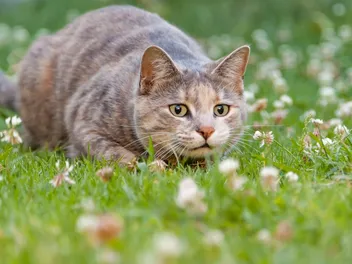
If you let your cat outside and they are stalking wildlife, you should at least give the wildlife a chance to get away. If you've watched a cat stalk a toy inside the house, you know that they sneakily position themselves, readying for the pounce. They can remain quite still before they attack. The mouse likely won’t even hear them. By putting a collar with a bell on your cat, though, you are eliminating the element of surprise. No mouse is going to stick around long if they hear a bell jingling.
Collars on outdoor cats can be dangerous, however. If the collar becomes snagged on a branch, nail, piece of wood, etc., it can trap or even strangle your cat. For these reasons, we only recommend breakaway collars. A tug will cause the collar to break apart and fall right off.
3. Control Your Cat’s Time Outdoors
If your cat is bringing home dead mice and leaving them for you to find in the morning, consider switching up your cat's routine. Don't let them out by themselves. Instead, you can take a huge step toward protecting wildlife without sacrificing your cat’s enrichment by only taking them outside on controlled harness-and-leash walks. Your cat can't bring home dead animals if they don't get the chance to hunt.
It will take desensitization, training, time, and patience to get you and your cat adjusted to this new routine, but it will definitely stop the problem.
A walk together in the afternoon can also serve as quality time together. Encourage your cat to stay inside during the day, but still give them the opportunity to go outside and enjoy nature—just under more control. Don’t open the door for them, and if you have a cat door, lock it. Use food and treats to train them to accept the harness, and use toys to enrich their environment inside.
Eventually, going outside on a leash will be perceived as the highlight of their day.
4. Tire Your Cat Out

Cats want to go out and roam because they're energetic and ready for adventure. Their natural instinct to hunt and stalk is always with them, so wildlife can be victims even if your cat is well-fed and satisfied. They're not always hunting and killing because they're hungry. Sometimes, they could even be playing. By increasing the amount of time that you spend playing with your cat, you can eliminate some of their desire to go out and hunt.
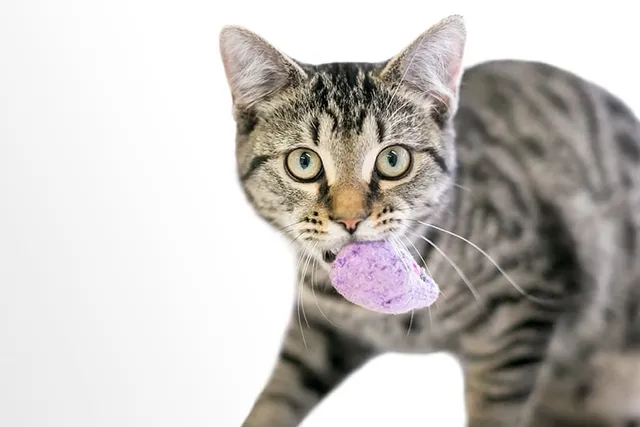
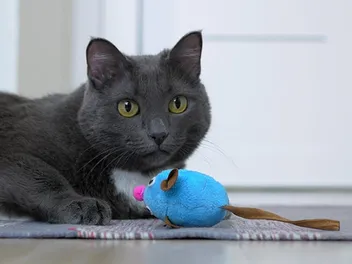
Toys that mimic the movements of animals are good for letting your cat give in to their instincts without harming a living creature. Toys covered in feathers, toy mice, and cat dancers are all great options for playing with your cat and letting them burn off energy. A tired cat is much less likely to want to go roaming around the neighborhood.
5. Don’t Make It Easy for Your Cat to Find Mice
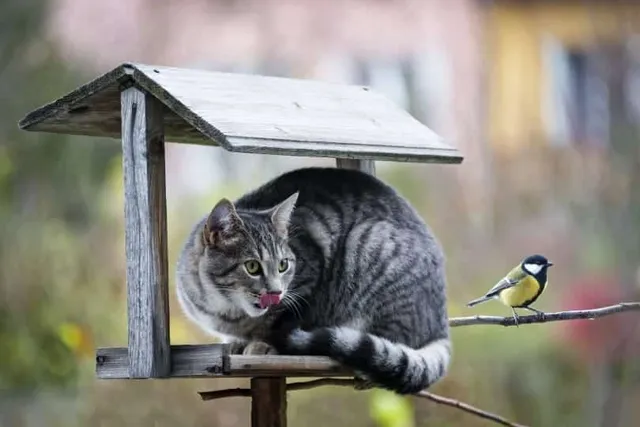
If you have bird feeders on your property, this can attract rodents that eat the seed that falls on the ground. Additionally, old wood piles, uncut grass, overgrown weeds, and leaf piles make great homes for mice. Any trash or uneaten pet food should also be securely disposed of to avoid attracting rodents. Once your property is clear of anything that a mouse could call home, it's time to inspect yours.
If mice have any way of getting inside your house, your cat may not even have to go outside to find them. A mouse could be brought to you anywhere in the house at any time. Secure and patch any entrances that will give mice access to your home.

Conclusion
Cats hunt mice for many reasons, from instinct and prey drive to hunger. If your cat is bringing dead mice to you, we hope that the methods mentioned here will help you put a stop to this behavior or at least slow it down. Try these effective techniques, and hopefully, your doorstep will remain clear of rodents and other wildlife.
See also:
Featured Image Credit: Markos-Loizou, Shutterstock
Expert cat care, straight to your inbox
News, insights, and useful advice, delivered to you.

No spam — unsubscribe anytime.
By signing up, you agree to our Terms & Conditions and Privacy & Cookies Policy.
How useful was this post?
Click a star to rate. You can leave written feedback afterwards. (We read all feedback.)
Christian started writing for a local newspaper as a teenager, and he's been involved in the publishing industry for most of his adult life. Combining his love of writing with a passion for animals, he is currently the Director of Editorial at Pangolia and the Editor-in-Chief at Catster.
Christian lives in the Philippines with his wife, son, and four rescue cats: Trixie, Chloe, Sparky, and Chopper.