Why Do Cats Bring You Gifts of Toys or Dead Animals? Vet-Reviewed Behavior Guide


In this article
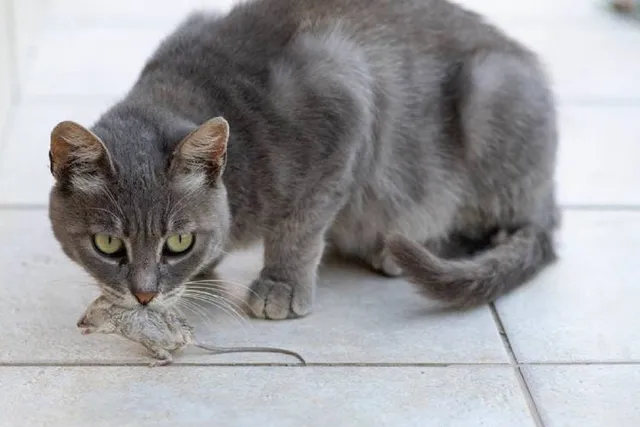
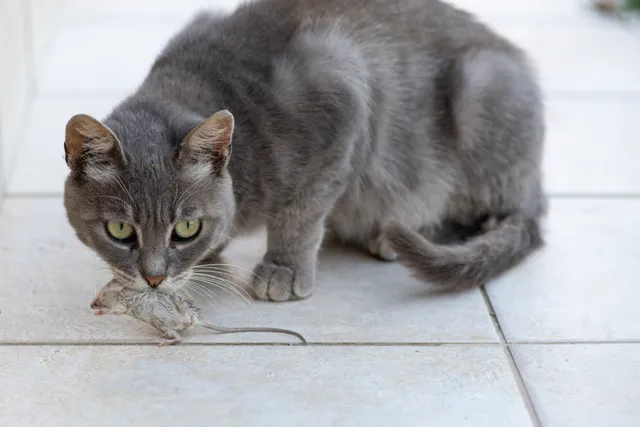
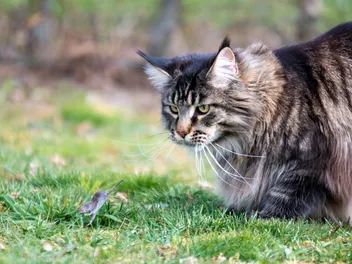
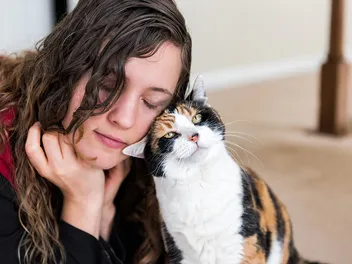
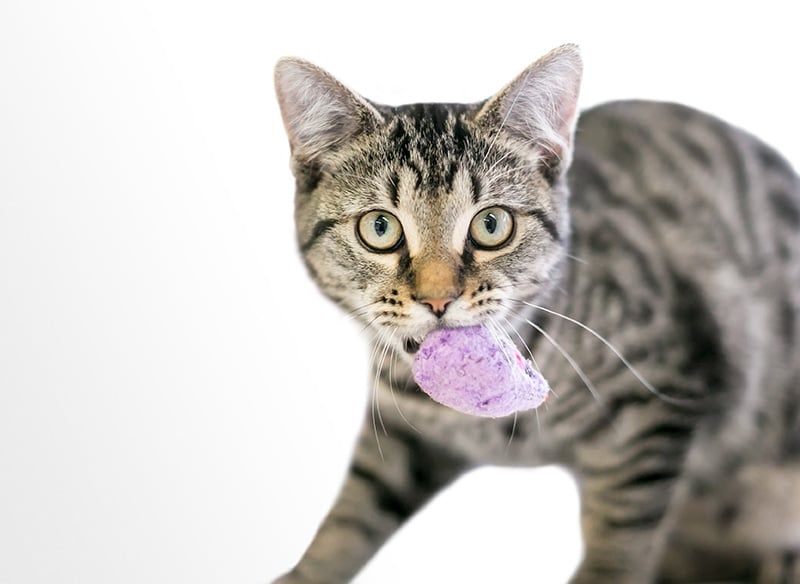
Everyone loves gifts, but your cat has a very different idea of what qualifies as a present than you do. If you’ve ever been the recipient of a dead bird, mouse, toy, or random object courtesy of your lovable kitty, you’re probably wondering what it means. Cats gifting dead prey animals is a perfectly natural behavior that cannot be altered. Cats bring you gifts of toys or dead animals to signal affection, show off their catch, or as a way to “educate” their owners on how to hunt.
If you’re interested in a more detailed explanation of this behavior and would like help protecting the wildlife in your area from your cat, we have you covered.

Why Does My Cat Bring Me Gifts?
In the wild, mother cats bring half dead animals to their kittens for sustenance and to show them how to hunt. This behavior is still ingrained in domesticated cats who may see you as part of their family like a mother sees her kittens. That means they’ll be drawn to showing off their catches to you.
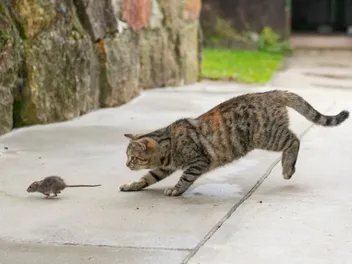
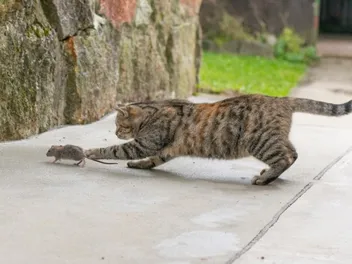
Every cat is different in how they play with, hunt, and handle dead prey. Some cats are consummate hunters that ruthlessly stalk, kill, and eat their prey whole. Others are less aggressive and sometimes even leave it alive to play with.

Why Does My Cat Bring Me Toys?
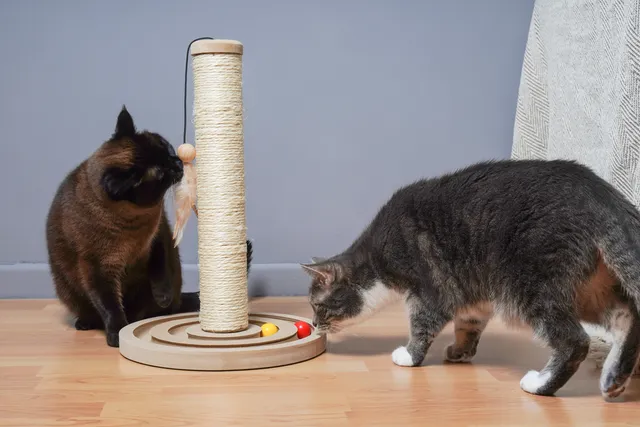
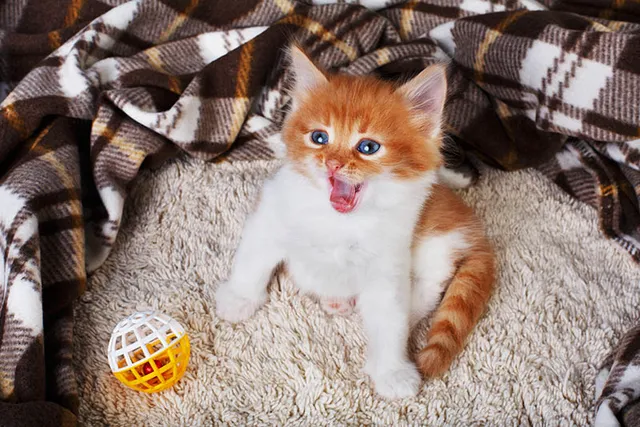
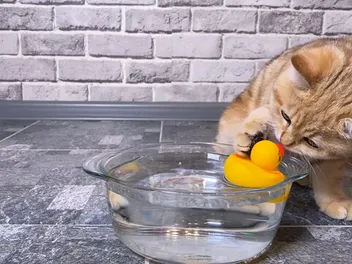
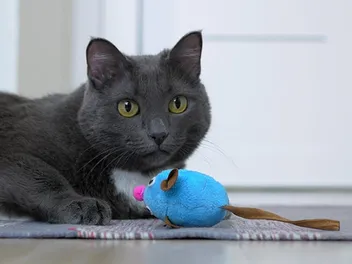
If your cat brings you toys, it could be for a variety of reasons. It might be a sign that they’re bored and want to play with you. Who can resist a cat zooming around in mock pursuit of a feather wand or a mechanical ferret? Cats play with their littermates and mothers as kittens and remember those times fondly, so bringing you toys is a sign that your cat considers you family.
Take it as a compliment! If it’s happening often, it’s likely that your cat is feeling left out and needs more attention.
Why Does My Cat Bring Me Random Objects?
It’s cute when your cat brings you random objects with an expectant gaze. Cats are mysterious creatures, and their playfulness can manifest in a lot of kooky ways. For example, some cats are enamored of plastic bags, so they might show off their latest find to you. This behavior can also be a sign that your cat needs more stimulation, so try to increase the attention and play sessions that you give your cat.
Can Gifting Dead Prey or Objects Be Harmful? Risks Explained
Presenting you with toys is harmless, but your cat could get injured or sick when hunting prey outdoors. One of the most serious threats are venomous snakes like coral snakes or rattlesnakes, which your cat may mistake for harmless garden snakes or black racers.
However, larger birds, spiders, badgers, raccoons, and coyotes are potential threats to your cat while it is out hunting. Yet another danger is getting sick from harmful bacteria, parasites, or contaminants in prey outdoors.
To look at it from another angle, it can be considered unethical to allow cats outdoors precisely because they’re such good hunters. This 2013 study by UC Santa Cruz states that cats are considered invasive superpredators and pose considerable ecological damage.
The effects are especially pronounced in confined regions like islands, but cats are adaptable and flourish nearly anywhere they go. While you can’t fix the entire problem yourself, you could help your cat and nature stay safe by keeping your cat indoors or building a “catio” to keep your cat contained while still allowing it access to the outdoors.

How to Stop Your Cat From Bringing You Dead Animals
As a one off, it’s not the end of the world, but it can become a problem if your cat regularly brings you dead prey. Dead animals are unsanitary to have in your home. However, we have advice on how to stop or reduce how often your cat brings you an unwanted gift.
Tips for Stopping This Behavior include:
Final Thoughts
Next time your cat brings you a toy or a dead mouse shows up around the house, take it as a thoughtful compliment and a sign that your cat loves you. Still, your cat could get sick or hurt hunting animals outside, so we recommend popping a cat-safe collar with a bell on it to reduce your cat’s hunting success, and boosting your daily playtime with exciting toys to help satiate your cat’s instinct to hunt. If all else fails and your cat is content to be an indoor only cat, this can be an option, although it doesn’t work for all cats. In some cases, preventing your cat from going outside at peak prey times, such as dawn and dusk, is enough to reduce their hunting success hugely. See Also:
Sources
Featured Image Credit: Mary Swift, Shutterstock
Expert cat care, straight to your inbox
News, insights, and useful advice, delivered to you.

No spam — unsubscribe anytime.
By signing up, you agree to our Terms & Conditions and Privacy & Cookies Policy.
How useful was this post?
Click a star to rate. You can leave written feedback afterwards. (We read all feedback.)
Codee Chessher is a freelance writer with extensive knowledge on a variety of subjects that include travel, DIY, pets, and more. He has a colorful past but the written word was always his first love. He believes there's nothing a well-worded sentence can't accomplish!
When not writing, Codee enjoys reading fantasy novels, tackling DIY projects around the house, and memorizing useless pop culture trivia. He has lived in many places around the US, and most recently resides in northern Mexico.