Does Peppermint Oil Kill Fleas on Cats? Vet-Reviewed Effectiveness & Safety


In this article
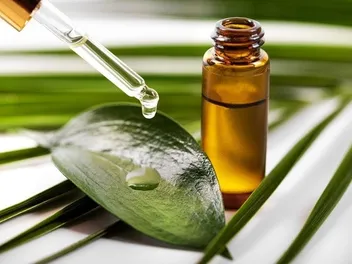
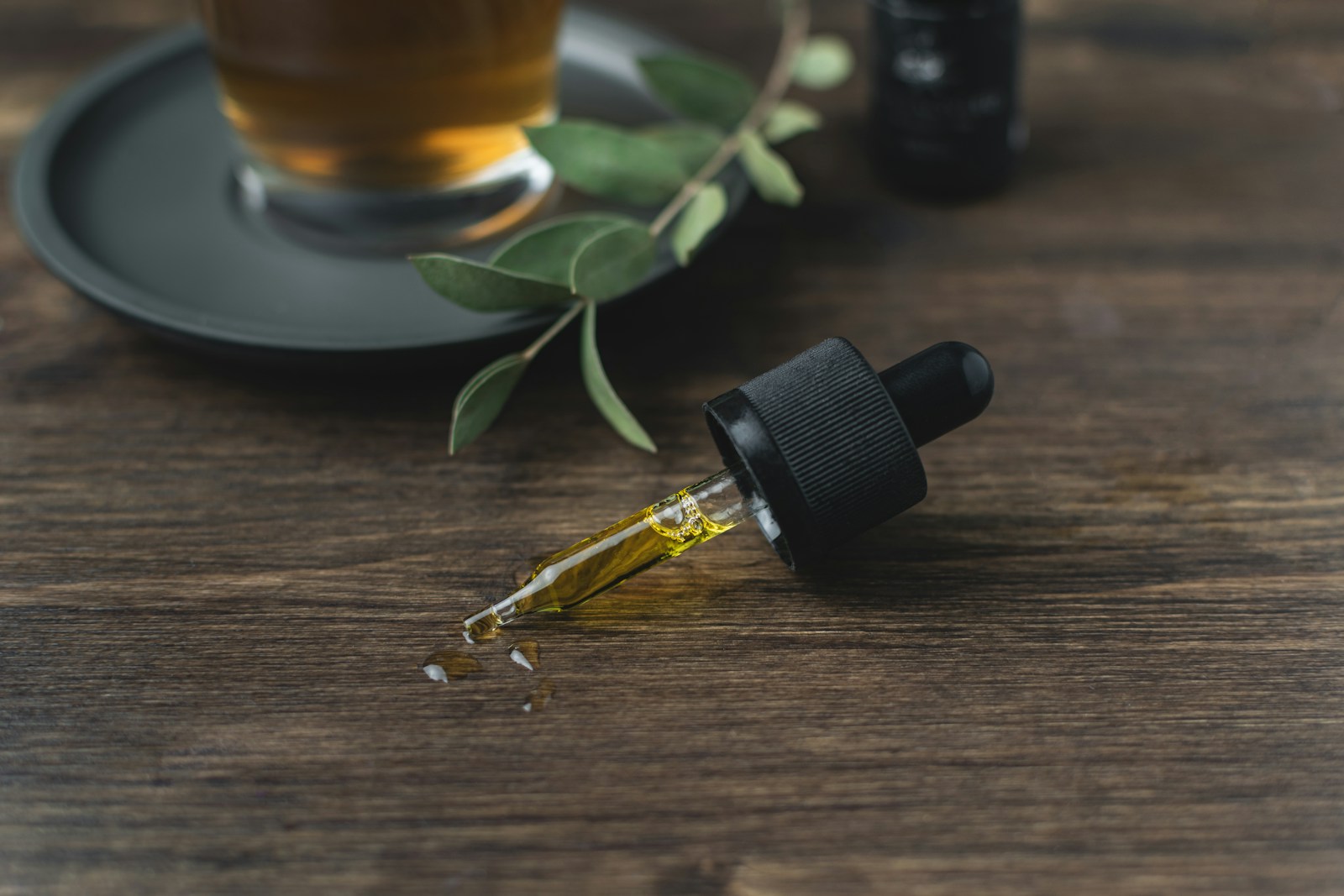
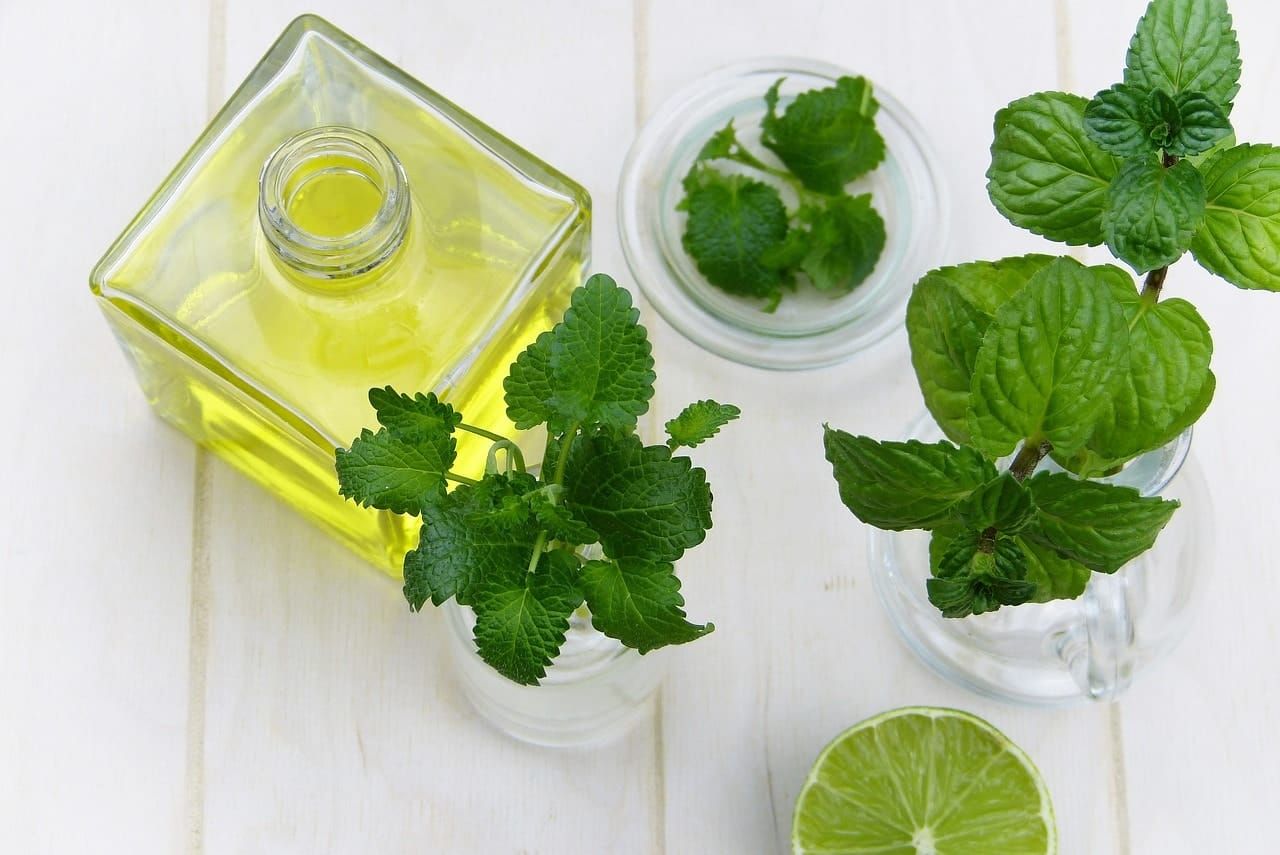
Over the past decade, there has been an increased interest in using essential oils, including peppermint oil, to control fleas and ticks on pets. However, there is little evidence to support its effectiveness and safety on felines as a flea killer.
In this article, we review what researchers and veterinarians know about the effects of peppermint oil as a cat flea treatment. We also give you effective tips to protect your feline companion from these pesky parasites.

Safety of Peppermint Oil as a Flea Treatment on Cats
Most veterinarians and pet experts do not recommend using essential oils as a cat flea treatment. The Pet Poison Helpline1, advises that using essential oils—including peppermint oil—for the treatment or prevention of fleas and ticks in cats can prove dangerous. Peppermint oil can be toxic if ingested or applied in excessive amounts. Phenols and phenolic compounds, which are found in great quantities in peppermint essential oil, can further increase the toxic effect of this oil on cats.
It should be noted that cats are even more sensitive to essential oils than dogs because they lack an important enzyme (called phenol UDP-glucuronosyltransferase) in their liver. The absence of this enzyme makes it difficult to metabolize and eliminate the phenols present in peppermint oil, exposing them to a risk of toxicity.

Effectiveness of Peppermint Oil as a Flea Treatment on Cats
There is no scientific evidence that peppermint oil is effective in killing cat fleas. However, there have been several studies examining essential oils as flea repellents.
According to the European Medicines Agency2, a product with a repellent effect will cause the parasite to completely avoid contact with a treated animal and/or to leave a host. Researchers who have examined essential oils as flea repellents have found that certain plants (Cinnamomum osmophloeum, Taiwania cryptomerioides, and Plectranthus amboinicus) do exhibit a certain amount of repellent activity against cat fleas. For example, extracts from the seeds of the monk's pepper (Vitex agnus castus) repelled cat fleas for about 6 hours.
But their conclusion was that it was unclear how these essential oils could be used as a safe flea treatment on cats, given their potential negative impacts on these animals.
Potential Side Effects of Peppermint Oil on Cats
It has been reported that certain plant-derived flea products, such as essential oils, have undesirable side effects when applied to cats. Indeed, research has shown that cats treated with products containing oils like peppermint oil, cinnamon oil, lemongrass oil, and clove oil had significant side effects, such as increased agitation, hypersalivation, vomiting, convulsions, respiratory distress, and lethargy.
Other essential oils known to cause poisoning in cats include wintergreen oil, sweet birch oil, citrus oil, pine oils, pennyroyal oil, and lemongrass oil.
Importantly, the results of a 2012 study concluded that cats could experience significant adverse effects when exposed to plant-derived flea products, even when these products are used according to label directions.
The key takeaway here is that there simply isn't enough scientific evidence to support the use of peppermint oil as a flea treatment for your cat, and it comes with potential risks of toxicity.
Besides, there are far better vet-approved flea treatments for cats that have been extensively tested for their safety and effectiveness.
If you're unsure about the right method or medication for treating your cat, you should consult your vet, especially if your pet has an underlying health condition.
Tips to Protect Your Cat From Fleas
There are better things that you can do to protect your furry friend from these tiny pests:
- Use traditional flea-preventative products: The products sold at your veterinary clinic are undoubtedly the best weapons to prevent flea infestations in your beloved cat. Whether it's in the form of a topical treatment, oral medication, flea collar, or shampoo, there's an option that's right for you and your kitty.
- Natural alternatives to traditional flea products: If you prefer to use alternatives to traditional products, it is still best to ask your veterinarian for advice. As stated, essential oils like peppermint oil are not safe and reliable for felines. Do careful research before applying any so-called "natural" product to your pet.
- Do a spring cleaning: If fleas have infested your cat, it's highly likely that your home is also infested with the eggs and larvae of these tiny pests. To get rid of flea infestations, it's best to follow the guidelines provided by the Environmental Protection Agency, which include washing all bedding, pillows, and sheets in hot water and thoroughly vacuuming every nook and cranny of your home.
- Keep your cat indoors: This is one of the best ways to limit future flea infestations (along with the use of vet-approved preventative treatments).

Final Thoughts
Although peppermint oil may have repellent properties, it is not a safe solution for eliminating fleas on cats because of its potential toxicity and unproven efficacy. If you're considering using essential oils for flea-and-tick prevention, you should consult with your veterinarian first.
In short, the most reliable way to safeguard your feline friend from bothersome parasites like fleas and ticks is through consistent and effective prevention. Furthermore, you must discuss any queries or worries with your veterinary team to ensure the best prevention strategy for your cat.
See also:
Sources
Featured Image Credit: Pixabay
Expert cat care, straight to your inbox
News, insights, and useful advice, delivered to you.

No spam — unsubscribe anytime.
By signing up, you agree to our Terms & Conditions and Privacy & Cookies Policy.
How useful was this post?
Click a star to rate. You can leave written feedback afterwards. (We read all feedback.)
Genevieve is both a biologist and a science writer, driven by her deep love for capuchin monkeys, pumas, and kangaroos. Her dedication to wildlife has taken her across the globe, from Bolivia and Guatemala to Canada and Australia, working and volunteering at various rehabilitation centers. As a Canadian living in Argentina, Genevieve starts her days with horses and cows greeting her from the plains outside her home office. She is the proud parent of three rescued dogs—Lemmy, Nala, and Pochi—and an energetic kitten named Furiosa. The opportunity to share her passion and expertise in animal care brings her great satisfaction.