How to Tell if Your Cat Has Fleas: 10 Vet-Reviewed Signs to Look For


In this article
If you’ve never dealt with fleas before, you might be unsure if all of the scratching your cat has been doing lately is the result of fleas or something else.
We’re here to help! We’ll go through all of the signs that your cat has fleas both physical and behavioral because your cat could have fleas even if you actually haven’t spotted any crawling around in their fur.

How to Tell if Your Cat Has Fleas
Behavioral Signs
1. Excessive Scratching and Biting
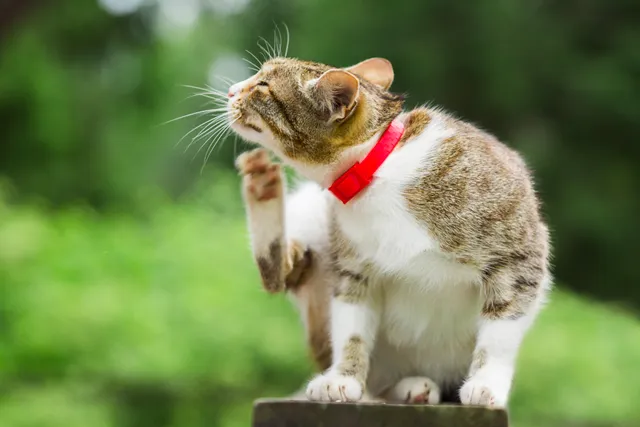
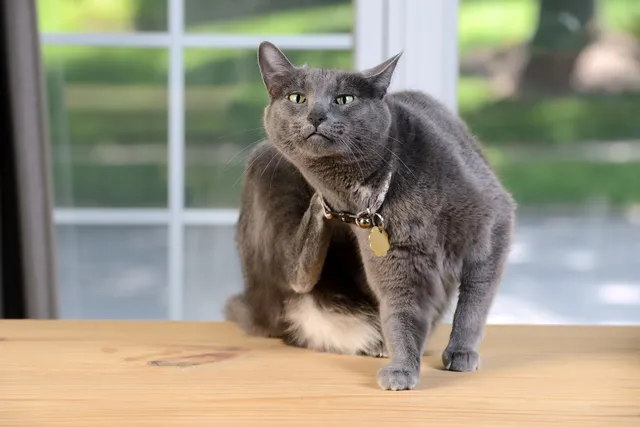
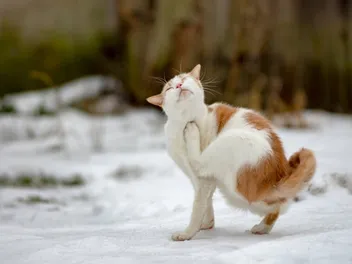
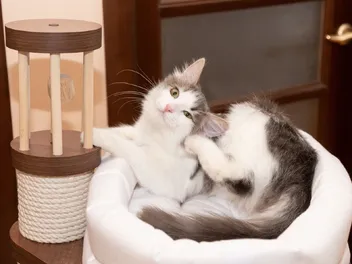
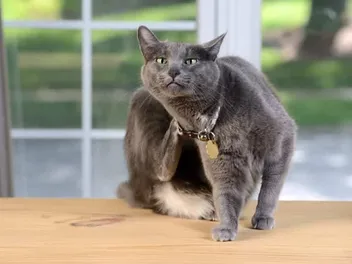
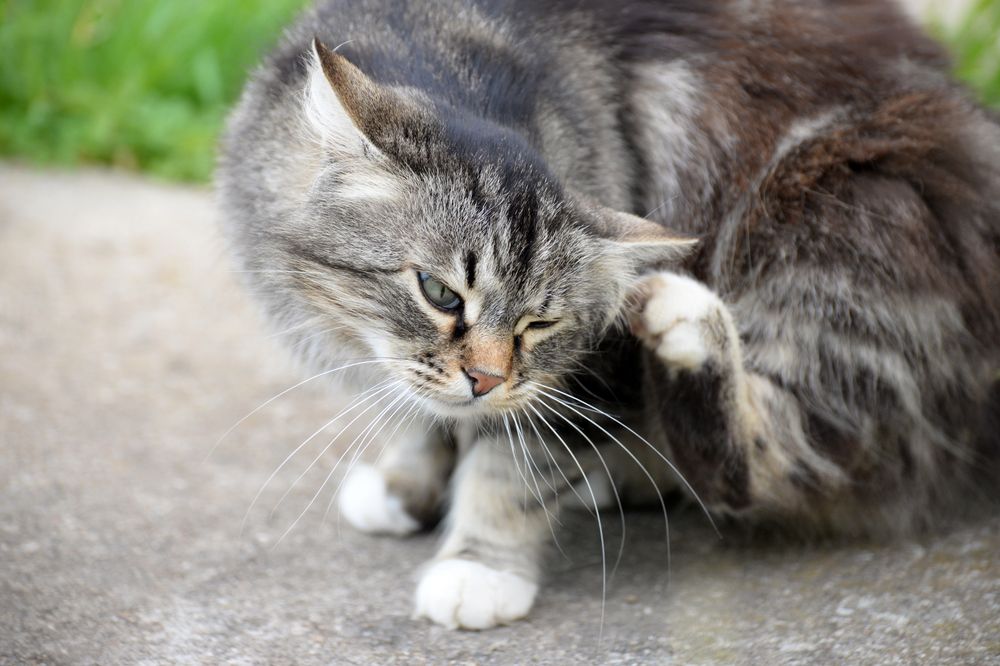
Scratching is one of the first and most obvious indications that your cat might have fleas. All cats do some biting while grooming and scratch on occasion, but a cat with fleas will start to bite and scratch more frequently and with more intensity.
Fleas, just like mosquitoes, deposit tiny amounts of saliva while feeding, which may cause extreme itchiness in some cats. Such an itch is termed flea allergy dermatitis. So, if your cat is scratching themselves much more frequently than usual, you will want to check them over for fleas.
2. Intensive Grooming and Hair Loss
This is similar to the previous point, but you’ll also notice your cat self-grooming almost frantically and for much longer periods of time. Fleas tend to accumulate around the base of the cat’s tail, the belly, and around the neck and ears, so expect your cat to focus their licking and biting in these areas.
This almost obsessive grooming might start to lead to bald patches and hair loss in these areas, so this is another potential sign that your cat might have fleas.
3. Restless Behavior
You might notice your cat behaving quite differently than usual. The discomfort from the fleas might begin to drive your cat crazy, and your cat might start excessively shaking their head, growling, darting around the house, and rubbing their body and head on the floor.

Physical Signs
4. Spotting Fleas
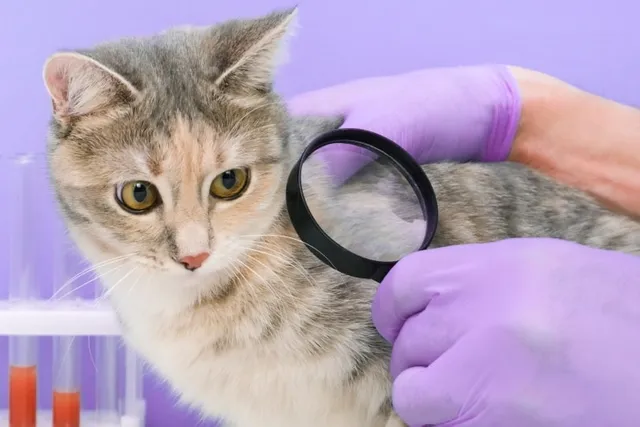
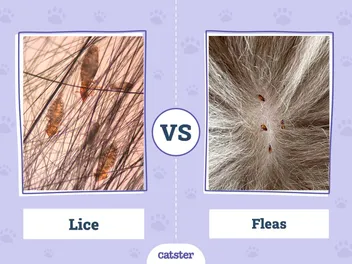
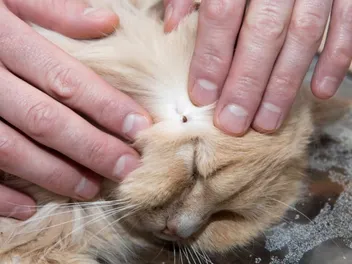
Well, this is the obvious sign. If you see the actual flea having a little walk (or hop) through your cat’s coat, then your cat has fleas. Fleas are quite tiny and are usually reddish-brown or black in color and will move (or jump) very quickly when you’ve uncovered them.
As previously mentioned, they tend to congregate around the ears, neck, belly/groin, back legs, and base of the tail. So, if you part the fur around these areas, you might just see a flea. If you don’t see a flea, it doesn’t mean there aren’t any, so do rely on all of the other signs to make the determination as well.

5. Flea Dirt
Flea dirt is actually flea poop—yuck. Flea dirt shows up in the same areas, of course, that fleas gravitate to. They look like tiny black or dark brown specks—kind of like pepper flakes. Mist them or put a few droplets of water on the specks, and you should see them turn into a reddish-brown color since flea poop is composed of digested blood.
You can also set your cat on a white pillowcase or sheet and use a flea comb, which will help to reveal the flea dirt. These combs have been made with the teeth very close together so that they can trap the flea dirt and the fleas
6. Flea Eggs
Similar to flea dirt, you might find flea eggs when you run your hand or a flea comb through your cat’s fur. Unlike flea dirt, flea eggs are white in color and resemble salt granules. The combination of eggs and dirt is why sometimes people refer to them as “salt and pepper” in their cat’s fur.
If you do find flea eggs on your cat’s fur, it’s a safe bet that you’re dealing with a flea infestation, even if you don’t catch any adult fleas. Eggs comprise about 50% of the population of a flea infestation, whereas mature adults only make up about 5% of the total fleas. The rest is divided among their other life stages.
7. Bumps and Lesions
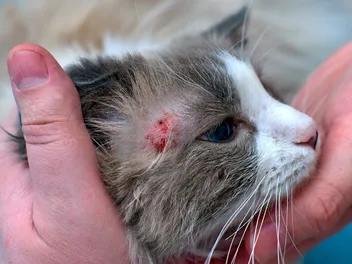
Because of all of the flea bites, in addition to your cat’s intense scratching and grooming, you should notice crusty bits and small bumps in the same telltale areas already discussed.
This can happen when a cat is allergic to flea saliva, which can cause lesions and skin that is inflamed and irritated. When the cat starts scratching and chewing on these spots, they usually begin to ooze. This is the aforementioned flea allergy dermatitis, which will require a visit to your vet.
8. Anemia
Regenerative anemia can occur when your cat has a large infestation of fleas, draining the blood too quickly. This is more common with seniors, kittens, and cats with an illness.
The signs of anemia can include:
If you suspect your cat has anemia (regardless of whether or not he has fleas), take him to your vet immediately.
9. Tapeworms
Why on earth do we have tapeworms in an article about fleas? Well, you might not realize this, but fleas can carry and pass on tapeworm eggs, which cats ingest through grooming. Tapeworms reside in your cat’s small intestine and consume whatever your cat eats, meaning a heavy parasite burden can lead to a malnourished cat.
Signs of tapeworm include:
If you suspect your cat might have a tapeworm, you should bring them to the vet for a diagnosis and medication to treat the infection. If your cat has fleas, your vet might check for tapeworms, and if your cat has tapeworms, your cat might also have fleas.
10. Flea Bites On You
Unfortunately, humans are not immune to flea bites. They usually appear around your legs, ankles, and feet but can also show up anywhere there’s more hair if left untreated.
How to identify flea bites on people:
How to Treat Fleas on Your Cat
If you’ve noticed your cat has fleas, your mind must be racing with ideas on how to get rid of them as quickly as possible. Fortunately, there are multiple ways to go about flea treatment.
On one hand, there are effective flea treatments on the market that you can buy or order online. Another option is to use home remedies with cat-friendly products you can find in your home. It is important to be aware that, although some are wary of the chemicals used in them, commercial and prescription flea treatments truly are the only way to target all life stages of the flea and eradicate an infestation. If you prefer to use natural remedies, our suggestion is to utilize prescription flea treatments for 6 months to ensure you have complete control of the fleas on your cat, and in their immediate environment, and employ natural remedies to reduce the chances of the fleas coming back.
Talk to your veterinarian for help making the best choice for your pet’s condition and overall health status.
To help you choose the best solution for your feline friend, check out these options below.
Commercially Available Flea Treatments:
Natural Home Remedies:
Can Fleas Go Away if Left Untreated?
Not usually. If you see one flea, it is usually considered an infestation. Usually, you’ll have to not only treat your cat, but you’ll also need to clean the house, particularly the furniture and carpets.
If left untreated, your cat could become seriously ill, particularly if your cat is allergic to the flea saliva—and then there’s the anemia. It’s important to be vigilant to completely eradicate the flea problem as you certainly want your cat to be comfortable and in good health.
How Do Cats Get Fleas?
The most common way for a cat, or any animal, to get fleas is usually from another animal that already has them. This could be from another cat or if you also have dogs.
However, if there has been an infestation of fleas in your house before and there are some leftover eggs still embedded in your carpets or furniture, the eggs could still hatch and hop onto your cat. Even moving into a new home that might have had fleas at some point could create a problem if the house hasn’t been adequately treated.

Can My Indoor Cat Get Fleas?
You have an indoor cat and no other pets, so you don’t have to worry about your cat getting fleas, right? Wrong. While your indoor cat is much less likely to get fleas than an outdoor cat, there’s still a possibility.
There’s no need to be paranoid about these scenarios. Your indoor cat might never see a flea their entire life, but it’s also a good idea to be aware and prepared, on the chance that it does happen.
Conclusion
Since cats are such thorough groomers already, you won’t always necessarily spot an adult flea on your cat. They generally do a great job at grooming the fleas out of their fur, so sometimes you need to rely on most of the other signs if you don’t see the actual flea. If you believe your cat has fleas, do take them to see your vet immediately.
Featured Image Credit: Maja Marjanovic, Shutterstock
Expert cat care, straight to your inbox
News, insights, and useful advice, delivered to you.

No spam — unsubscribe anytime.
By signing up, you agree to our Terms & Conditions and Privacy & Cookies Policy.
How useful was this post?
Click a star to rate. You can leave written feedback afterwards. (We read all feedback.)
Christian started writing for a local newspaper as a teenager, and he's been involved in the publishing industry for most of his adult life. Combining his love of writing with a passion for animals, he is currently the Director of Editorial at Pangolia and the Editor-in-Chief at Catster.
Christian lives in the Philippines with his wife, son, and four rescue cats: Trixie, Chloe, Sparky, and Chopper.