How Many Fleas Is Considered an Infestation on a Cat? Vet-Approved Signs & FAQ



In this article
Fleas are a common problem for cats and not only cause various degrees of itchiness and discomfort but can also transmit diseases and pose a risk to anyone in the household. Even one flea on your cat is a big deal; if you see one on your pet, others are probably hiding in the bedding, carpets, and upholstery. Generally, two or more fleas signify that a problem is brewing. In fact, a single flea on your cat could mean an infestation is present.
Fleas are incredibly mobile and reproduce rapidly. One female can lay approximately 40 to 50 eggs per day that hatch in about two to twelve days, depending on the temperature and humidity. While the flea life cycle from egg to larva to pupa and then to adult can take between 15 and 26 days, just one female flea can quickly wreak havoc in your home. It is estimated that adult fleas make up just 5% of the total, meaning that the other 95% are invisible to the naked eye in the form of eggs or pupae.
Read on for in-depth details of why just one flea could be a cause for alarm.

Is One Flea a Sign of an Infestation?
Spotting one flea indicates the urgent need to get on top of a potential flea problem before it blows out of proportion.
Usually, only a tiny percentage of the flea population in a home will be on a pet at any time. The rest, including eggs, pupas, and adults, could be hiding in spots frequented by your cat.
In the worst-case scenario, where a female flea mates just before your cat picks it up, you could end up dealing with a full-blown infestation in less than a month. Fleas quickly start feeding after they land on a host. A female flea can begin laying eggs following a blood meal if there is a constant food supply. She can lay up to 50 eggs daily and up to 2,000 in a lifetime!

Telltale Signs Your Cat Has Fleas
Cats pick up fleas easily, especially if they go outdoors. Even strictly indoor cats are not immune to the parasite because it can hitch a ride into your home on another pet, human, or pests like rodents. Knowing the signs of fleas on cats is essential so you can act quickly and prevent a possible infestation.
Here are some common telltale signs that your feline friend has fleas.
1. Excessive Scratching
One of the top signs that your cat has fleas is excessive scratching. Flea bites irritate the skin, causing pets to scratch all the time.
The worst part is that fleas find hard-to-reach spots like the neck and back of the head favorable. Your furry friend must do some serious gymnastics to reach and scratch the itchy bitten areas. The constant scratching and licking can quickly lead to skin damage, redness, crusting, and, eventually, bald spots.

2. Restlessness
Another common symptom of fleas on cats is restlessness. Your feline friend may act cranky or odd because of the discomfort caused by flea bites. These bugs inject saliva into their host when feeding, which can lead to intense licking, stretching, rubbing, and nibbling of the skin.
If your cat is allergic to proteins in flea saliva, the itch on all parts of its body can make it quite agitated. Even if it is not allergic, it will spend a good portion of its days and nights easing the itch around bitten areas.
If your pet shows any changes in demeanor, you should do a flea check on its coat. This is important, especially if your calm and laid-back furry friend is suddenly jumpy and snappy. The chances are it's struggling with a pesky flea problem it can't verbalize or remedy.
3. Skin Welts and Redness
Flea saliva can cause red, crusty bumps on the skin. There is cause for concern if you notice red or crusty patches on your pet's skin. You may also see flea dirt, which are small black or red-brown specks that look like coffee grounds.
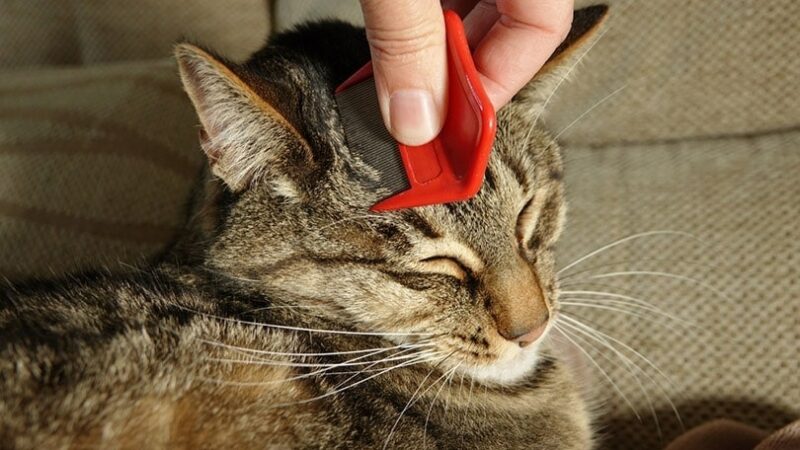
It's best always to wear gloves when inspecting your pet's fur, especially if you suspect a flea problem. Pay close attention to warm, hard-to-reach spots under the armpits and between the thighs. If you notice any welts, begin treatment immediately because persistent scratching of the irritated areas can lead to secondary infections.

4. Your Cat Has Tapeworms
Fleas can transmit intestinal parasites such as tapeworms. When a cat ingests a flea while grooming, they can become infected with tapeworms since fleas carry the larval stage. The parasite then continues its cycle and develops into an adult worm in the cat’s intestine. You might see small white or cream-colored segments that look like a grain of rice in your cat’s feces or around their anus. These parasites can cause itchiness under a cat’s tail, digestive problems, and, in severe cases, weight loss and poor coat condition.
5. You Have Spotted Fleas in Your Home
One of the surest ways to know whether you have fleas in your home is to walk around in a high pair of white cotton socks. Shuffle your feet to stir up any fleas around areas frequented by your cat. After ten minutes, inspect your socks and look for tiny brown bugs.
If you find any, the odds are good that many more fleas are hiding in your cat's coat.
6. Pale Gums
In extreme cases, especially in very young kittens, fleas can wreak havoc on your cat's overall health by feeding on their blood and causing anemia. While a few parasites should not cause anemia in an otherwise healthy kitty, a heavy infestation can lead to significant blood loss in a newborn.
If your pet has pale gums and seems more tired than usual, a visit to your vet is necessary to identify the cause. You likely have a severe flea problem.

Tips for Keeping Your Cat Free From Pesky Fleas
Eradicating a flea problem can be tricky and requires professional help, especially when dealing with a severe infestation. Fortunately, the following tips can help you eliminate the parasite on your feline friend and provide a flea-free environment.
1. Pet Treatment
The long life cycle of fleas makes eradication a tricky process. Still, it's always better to begin by ensuring your furry friend is safe from these pesky parasites.
Your vet will prescribe an effective product tailored for your cat, usually in the form of spot-on or tablet treatments, plus other medications that your cat may need (foams, sprays, anti-itchy medication, or worming tablets). Following the treatment plan to the letter is essential to ensure the parasites don't re-infest your cat. Remember that you must treat all the pets in the household (even if they appear flea-free), as otherwise you won’t eradicate the problem.

2. Indoor Home Treatment
Your home treatment should happen on the same timeline as your pet treatment. As well as cleaning, washing, and vacuuming your home, you may need to use a special home flea spray. The spray stops the development of flea eggs and larvae and kills adult fleas in hard-to-reach areas, such as cracks in the floor, skirting boards, and furniture. Use a flea spray in every room after vacuuming, and take the time to do this well. Make sure you carefully read and follow the instructions on the packaging about dosage and frequency, and keep your pet and family away while it works.
Hiring a licensed commercial pest control specialist might be necessary if the above methods are not effective. Other areas of your home, including bedding and mattresses, may also hide flea eggs, larvae, and cocoons. It is necessary to wash them in hot, soapy water. Additionally, use a powerful vacuum on your floors, upholstery, and bedding, and dispose of the vacuum bag and filter.
3. Outdoor Home Treatment
Your outdoor spaces will also need treatment to ensure your entire home is fleas-free.
Here are the steps to treat fleas from your yard and make your outdoors less attractive:
4. Follow-Ups
Eradicating fleas is not a one-day job. You must apply flea treatment to all pets in the household all year round. The parasites have a complex life cycle and can be challenging to kill, especially in the immature stages. Non-prescription treatments may kill the adult fleas but not the rest of the stages, making flea treatment ineffective. Furthermore, you must keep up with indoor and outdoor sanitation practices. Letting your guard down too soon can cause any surviving eggs and juvenile fleas to trigger a re-infestation.
Frequent Asked Questions
What Do Fleas Look Like?
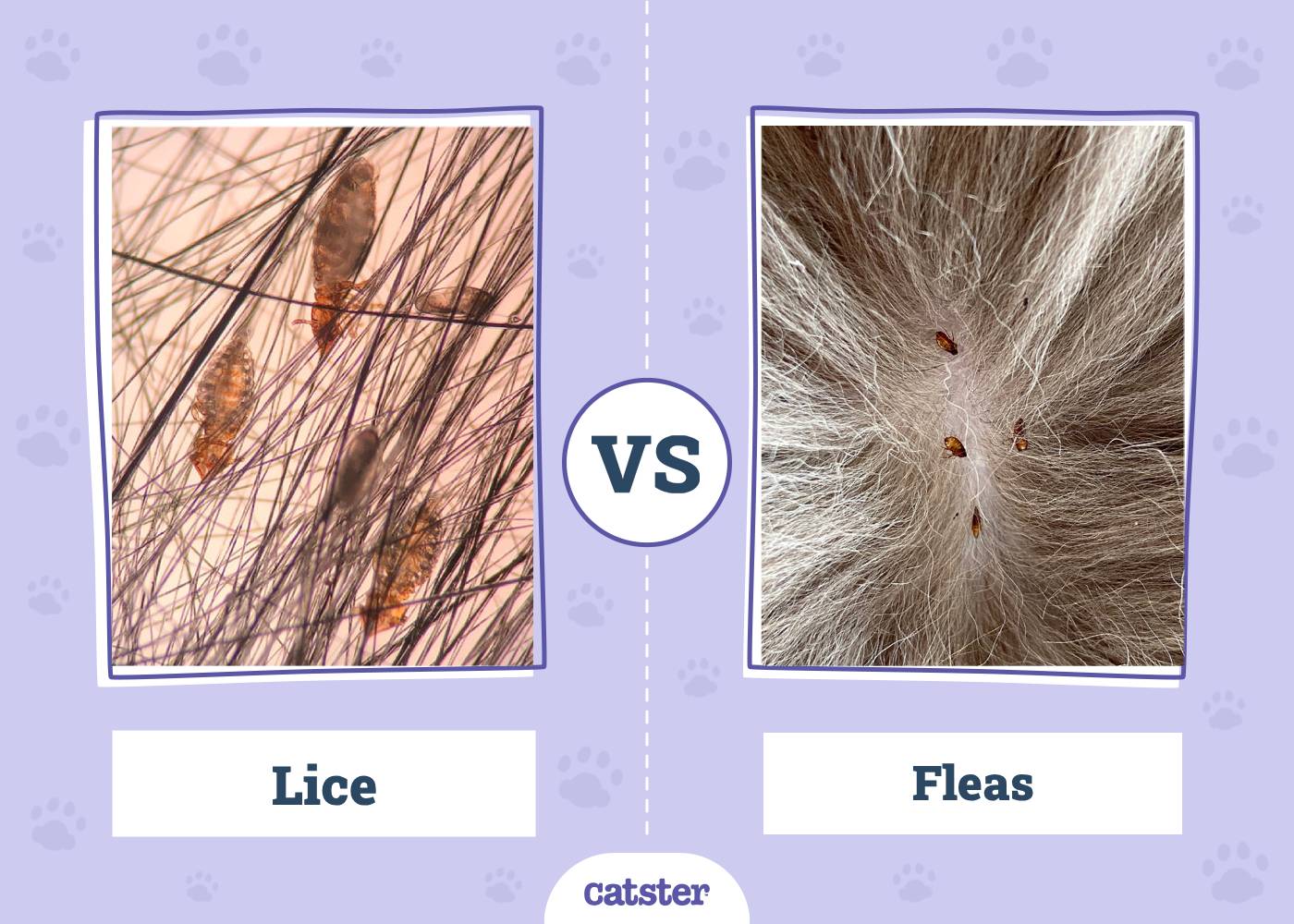
Fleas are tiny, wingless bugs, often not longer than one-eighth an inch. They are brownish and have slender, flattened bodies. Once on a host, they use their stylet (sharp tube-shaped proboscis) to pierce the skin and suck blood. Among their most unique features are the powerful hind legs that allow them to do jaw-dropping athletic feats. A flea can leap up to 50 times its height onto a potential host.
What Is the Life Cycle of Fleas?
Fleas have four life stages: egg, larva, pupa, and adult. Adults feed on hosts, mate, and lay eggs, which take between one and ten days to hatch into free-moving larvae. Once a larva feeds for five to twenty days, it enters the pupa stage, where it's protected by a cocoon. A flea can survive for over a year in the pupa stage and will only emerge as an adult after detecting the presence of a host.

Why Is One Flea on a Cat Considered an Infestation?
Spotting one flea on a cat indicates an infestation is underfoot. It takes just one bug to jumpstart a fast-moving reproductive cycle. Moreover, it’s not easy to spot fleas or their eggs because of their tiny size. Often, most people miss them during the onset of an infestation. If you see one on your cat’s fur, brace yourself to discover more on its bedding and hideout spots.
Final Thoughts
For every flea you find on your pet's fur, it's safe to assume at least 100 more eggs, larvae, pupas, or adults are hanging out elsewhere in your home. They could be hiding in the carpets or that favorite chair where your furry friend likes to take an afternoon nap.
So, should you freak out when you find one flea on your cat's coat? Absolutely!
Acting fast can save your pet from immense discomfort or even health problems. Talk to your vet about medications to treat and repel fleas from your pets’ coats. If you have a full-blown infestation, you'll need professional help implementing a multilevel flea eradication approach.
See also:
Sources
https://www.goodhousekeeping.com/life/pets/a27199208/how-to-get-rid-of-fleas-on-cats/
https://www.kqed.org/science/1957872/a-fleas-fantastic-jump-takes-more-than-muscle
https://uk.virbac.com/home/advice/pagecontent/health-topics/treating-a-flea-infestation-in-t.html
https://www.petmd.com/cat/conditions/infectious-parasitic/c_ct_cestodiasis
Featured Image Credit: AlexanderDubrovsk, Shutterstock

Expert cat care, straight to your inbox
Vet-reviewed advice, behavior tips, and the best of Catster. Free, and you can unsubscribe anytime.
By signing up, you agree to our Terms & Conditions and Privacy & Cookies Policy.
Christian started writing for a local newspaper as a teenager, and he's been involved in the publishing industry for most of his adult life. Combining his love of writing with a passion for animals, he is currently the Director of Editorial at Pangolia and the Editor-in-Chief at Catster.
Christian lives in the Philippines with his wife, son, and four rescue cats: Trixie, Chloe, Sparky, and Chopper.
Join the conversation
Ask a question, share your story, or send private feedback.