Will Fleas Kill a Kitten? Facts & Safety Guide


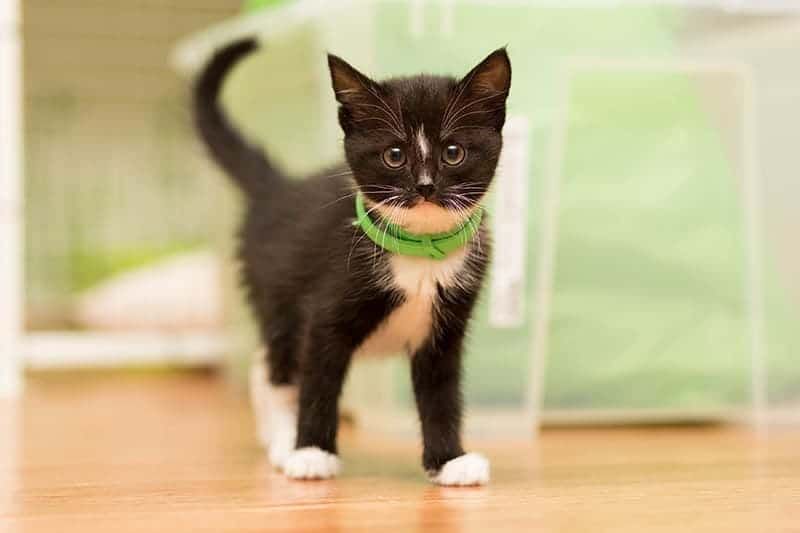
Pet owners know fleas are an itchy nuisance, but the parasites can cause even bigger issues for some animals, such as kittens. Fleas bite to feed, and their food is your pet’s blood. A heavy flea infestation could result in dangerous blood loss and kill a kitten, especially a newborn kitten.
In this article, we’ll cover the dangers of fleas and signs that your kitten could be at risk. We’ll also let you know how to treat and prevent fleas. Getting advice from your vet will be crucial, particularly considering your kitten’s age and size, since not all products will be suitable for your feline baby.

How Fleas Could Kill a Kitten
As we mentioned, fleas bite to feed on your pet’s blood. Healthy, full-grown pets can usually cope with blood loss without physical effects because they can make more red blood cells to replace those that the fleas drink. However, kittens are a different story. Kittens are tiny and immature, and their bodies can’t make up for the blood loss as well as adults’ can.
Kittens already have a smaller volume of blood in their bodies and may be unable to make more red blood cells fast enough to replace what the fleas remove. Cats typically remove fleas from their bodies by grooming, but kittens aren’t as capable of doing that effectively.
Anemia, or a lack of red blood cells, can occur for many reasons. Flea anemia occurs when the insects suck enough blood volume out of an animal to cause a problem.1 Red blood cells are responsible for carrying oxygen and other nutrients throughout the body, which is why it can be life-threatening not to have enough of them.
While anemia is the most critical threat that fleas pose to your kitten, the bloodsucking insects can also carry dangerous infectious diseases and internal parasites like tapeworms. In the long term, these conditions could also be life-threatening for your kitten.

Signs of Flea Anemia
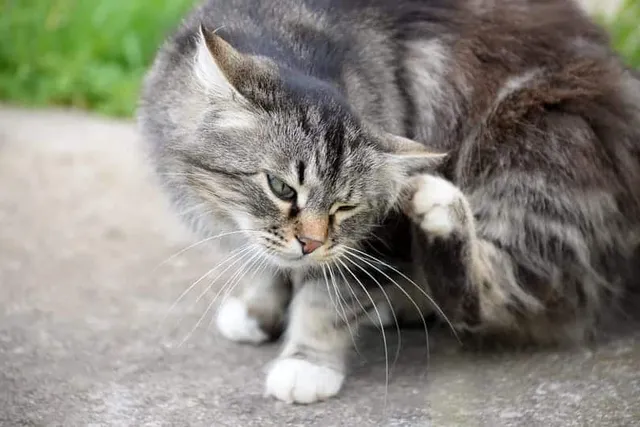
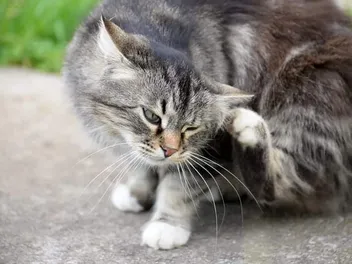
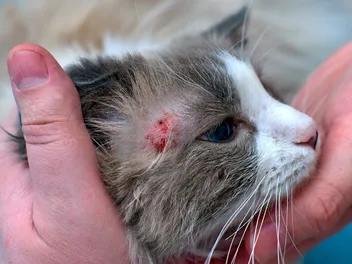
You’ll often see live fleas crawling on the bodies of kittens that have not grown full coats. You may also see the kitten scratching or find flea dirt (dark specks) on their skin and bedding. If the fleas are causing anemia, some of the most common signs you’ll notice include:
If you notice any of these signs, your kitten needs medical attention fast. Treating flea anemia requires removing the parasites (which can be harder than it sounds if the kitten is young and very sick), providing supportive care, and often hospitalization and blood transfusions.

Treating & Preventing Fleas in Kittens
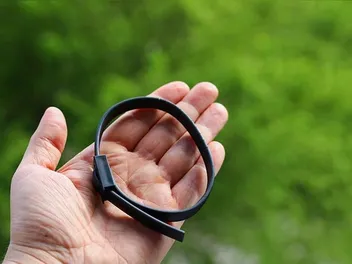
The best way to keep your kitten safe from life-threatening flea complications is to prevent or quickly treat a parasite infestation. Although many effective flea prevention products are on the market, most are not safe for kittens under 8–12 weeks old or under 2 pounds. Never use flea products on your kitten without checking with your veterinarian first.
If you have other pets in the house, ensure they receive regular flea prevention. Treat your kitten’s home environment for fleas. The live adult fleas you see are only part of the problem with any flea infestation. Unless you remove the flea eggs and immature fleas that live in the environment, your kitten will keep getting reinfested.
Your vet or a pest control specialist can help you decide on a safe and effective way to treat fleas in your house and yard. Typically, you’ll need to wash your kitten’s bedding frequently in hot water, vacuum often, and use some form of a flea-killing product.
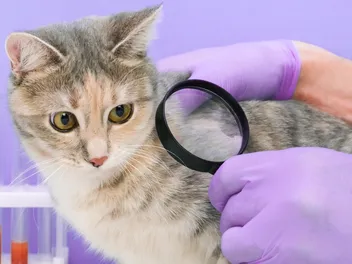
Speak to your vet about the most suitable flea treatment for your kitten. There are different options, and dealing with the problem quickly will reduce the chances of your cat getting a heavy infestation. Use a flea comb on your kitten to remove even more of the insects. Use a flea comb on your kitten to remove even more of the insects.
Never use a flea product labeled for dogs on your kitten (or cat), and don’t use essential oils or other “natural” flea control methods without checking with a vet first.
If you're unsure about the right method or medication for treating your cat, you should consult your vet, especially if your pet has an underlying health condition.

Conclusion
Healthy adult cats can usually make enough red blood cells to replace those sucked out by fleas and rarely suffer life-threatening complications. However, too many fleas can quickly kill a kitten, and taking their presence seriously is important. Quickly treating the fleas on the kitten and in your home is essential to prevent an itchy situation from becoming more critical.
Featured Image Credit: Fayzulin Serg, Shutterstock
Expert cat care, straight to your inbox
News, insights, and useful advice, delivered to you.

No spam — unsubscribe anytime.
By signing up, you agree to our Terms & Conditions and Privacy & Cookies Policy.
How useful was this post?
Click a star to rate. You can leave written feedback afterwards. (We read all feedback.)
Elizabeth Gray is a lifelong lover of all creatures great and small. She got her first cat at 5 years old and at 14, she started working for her local veterinarian. Elizabeth spent more than 20 years working as a veterinary nurse before stepping away to become a stay-at-home mom to her daughter. Now, she is excited to share her hard-earned knowledge (literally--she has scars) with our readers. Elizabeth lives in Iowa with her family, including her two fur kids, Linnard, a husky mix and Algernon, the worldʻs most patient cat. When not writing, she enjoys reading, watching all sports, and spending time outdoors with her family.