Can Fleas Kill a Cat? Vet-Approved Facts & Safety Guide



In this article
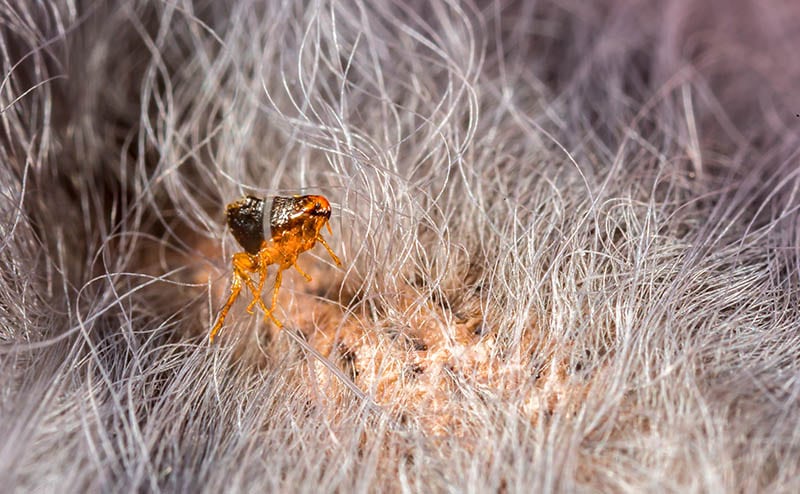
Fleas are an annoying part of cat ownership. Unfortunately, your cat will likely get at least one flea infestation at some point during their life. Keeping on top of regular flea treatments should protect your kitty from harm even if a flea decides to hitch a ride on them. However, when they get a heavy flea infestation, it can seriously threaten their health and even kill a cat if enough fleas are present.
Fleas can kill cats in a few ways, but the most common method is via flea anemia. In other words, the fleas consume too much blood for the cat to survive. Keep in mind, though, that only heavy infestations are likely to cause this.
One or two fleas are unlikely to cause anemia in an otherwise healthy adult cat. Small, young kittens or sick cats usually suffer from flea anemia the most, but it's not unheard of in adults if they have enough fleas.

The 3 Ways Fleas Can Kill Cats
The most common way fleas can kill cats is anemia caused by a heavy flea burden, but there is a pathogen that fleas can pass on to cats through bites, which also causes anemia. Mycoplasma haemofelis is a bacterium that is spread by biting insects like fleas and ticks. Alarmingly, fleas can also spread the plague, which is the most serious (if rare) flea-borne infection.
1. Mycoplasma
Mycoplasma will enter a cat's bloodstream when the fleas are accidentally eaten by the cat, when flea dirt (flea poop) comes into contact with an open wound on the cat's skin, or when the flea bites them.
Mycoplasma bacteria will attach themselves to the surfaces of the cat's red blood cells. Some mycoplasma species end up embedded in the cell and can cause it to lose its bi-concave shape. This means the blood cells can no longer carry oxygen around the body. When the cat's immune system notices these misshapen red blood cells, they are destroyed, leading to severe anemia.
Mycoplasma is most dangerous to kittens (which can also inherit the infection from their mothers), older felines, or ones with other illnesses or infections. Cats with feline immunodeficiency virus (FIV) or feline leukemia virus (FeLV) are commonly infected with Mycoplasma haemofelis and often get very sick.
The disease caused by Mycoplasma is called feline hemotrophic mycoplasmosis (FHM) and is usually mild. However, FHM can be much more serious and even fatal in cats.
The signs of FHM in cats include:
The treatment of FHM can vary from case to case. In most cases, antibiotics can be prescribed to treat the infection. In severe cases, blood transfusions to treat the anemia are needed. Vets might also do other tests to observe how the organs are functioning, and a cat with FHM will often be tested for FIV and FeLV at the same time.
If you are concerned about the health and well-being of your pet, seek veterinary advice for the best course of action.
2. Flea Anemia
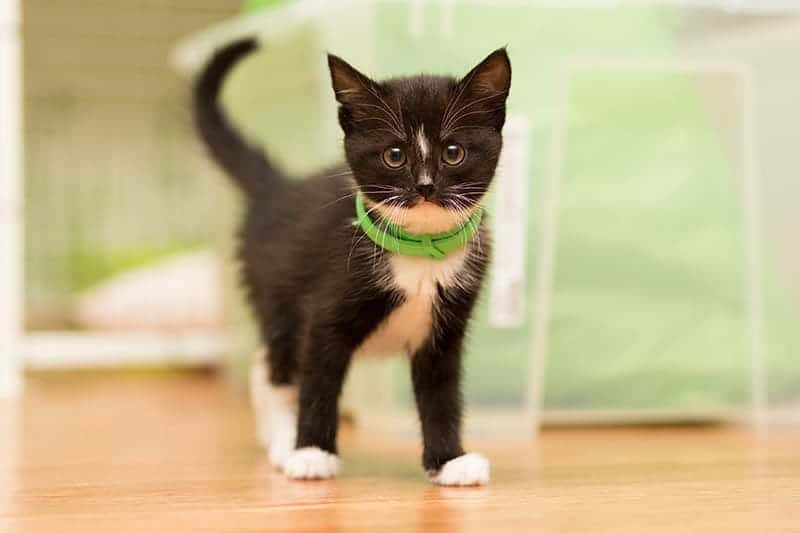
Flea anemia is a condition caused by a severe flea infestation. When a cat is a host to a flea infestation, they will have their blood sucked from their body by the pests. In healthy adult cats, even a heavy infestation is unlikely to kill them. However, in cats that are unwell, underweight, or very young/old, flea anemia can be fatal. In kittens, flea anemia is widespread and particularly dangerous; kittens under 4 weeks old are particularly vulnerable.
When a flea jumps on a kitten, it'll feed for around an hour and use its strong sucking mouthparts to take blood directly from a blood vessel in the skin. Adult female fleas can drink around 7 microliters of blood daily, and cats can theoretically be home to over 200 fleas. So if a 3-month-old kitten has 50 fleas living on them ( a heavy infestation), they will lose 0.35ml of blood to the fleas a day!
When a cat loses enough blood, anemia will occur. The cat won't have enough red blood cells circulating in their body, and the red blood cells still present can be smaller and less effective at carrying oxygen.
The signs of this type of anemia in cats and kittens include:
The treatment for flea anemia depends on the cat's age and how severe it is, but most of the time, treatment will involve fluid therapy and potentially, blood transfusions to replace lost red blood cells—alongside removing the fleas, of course!
3. Plague
While the plague sounds like a disease long forgotten in history, it's present in the western United States and can be spread by cat fleas. Cats can contract most types of the plague, but the most common is the bubonic plague.
This disease is caused by the Yersinia pestis bacteria and can be spread by fleas. Cats with bubonic plague commonly have enlarged lymph nodes, which can be abscessed and draining. The plague progresses rapidly and can be fatal if not treated promptly, with around 60% of cats dying if not treated.
The other signs of the plague include:
The treatment is usually antibiotics, but care should be taken when treating a cat with the plague. It is a zoonotic disease that can be spread to humans. Fleas infected with the plague bacteria can bite humans.
The flea will drink the infected blood of a mammal (usually a rodent) and ingest the bacteria. This bacteria then blocks the flea's digestive system. So, when the flea jumps onto a cat (or human) and tries to feed, it will regurgitate bacteria into the animal.


How Can I Protect My Cat From Fleas?
Important
The key to protecting your cat from fleas (and the nasty diseases they spread) is preventing them from taking hold of your cat or in your home. Cats should be treated with a prescription flea treatment at regular intervals that vary depending on geographical location; your veterinarian can tell you how often your cat needs treatment.
Treatment can be in the form of a topical medicine on the skin at the back of the neck or via a pill. Flea collars can also be effective if prescription-strength, but be wary of "drug store" products, as they often lack effectiveness.
Treating your home is also periodically needed, especially if you have a yard or your cat goes outside. Treatment with a spray containing an insect growth regulator is suitable, and the effects last a long time. If you use sprays, foggers, or powder in your home, be very careful always to remove your pets from the house before treatment. For example, pyrethrin is very toxic to cats, so never spray anything containing pyrethrin around them.

Final Thoughts
Unfortunately, fleas can kill cats in multiple ways. There are several diseases that fleas can spread to our feline friends, but the ones we listed, such as Mycoplasma haemofelis and the plague, are the most dangerous. The fleas can also kill kittens, elderly cats, and those that are sick or have medical problems can develop flea anemia if infested.
Finally, since cat fleas also bite humans, some diseases they carry can infect pet owners. The best way to protect your cat and your family from fleas and their diseases is to use effective flea prevention on your cat year-round and to treat your home periodically as a preventative measure.
Sources
Featured Image Credit: Maja Marjanovic, Shutterstock

Expert cat care, straight to your inbox
Vet-reviewed advice, behavior tips, and the best of Catster. Free, and you can unsubscribe anytime.
By signing up, you agree to our Terms & Conditions and Privacy & Cookies Policy.
Christian started writing for a local newspaper as a teenager, and he's been involved in the publishing industry for most of his adult life. Combining his love of writing with a passion for animals, he is currently the Director of Editorial at Pangolia and the Editor-in-Chief at Catster.
Christian lives in the Philippines with his wife, son, and four rescue cats: Trixie, Chloe, Sparky, and Chopper.
Join the conversation
Ask a question, share your story, or send private feedback.