How To Get Rid of Fleas on Kittens: 7 Vet Approved Steps


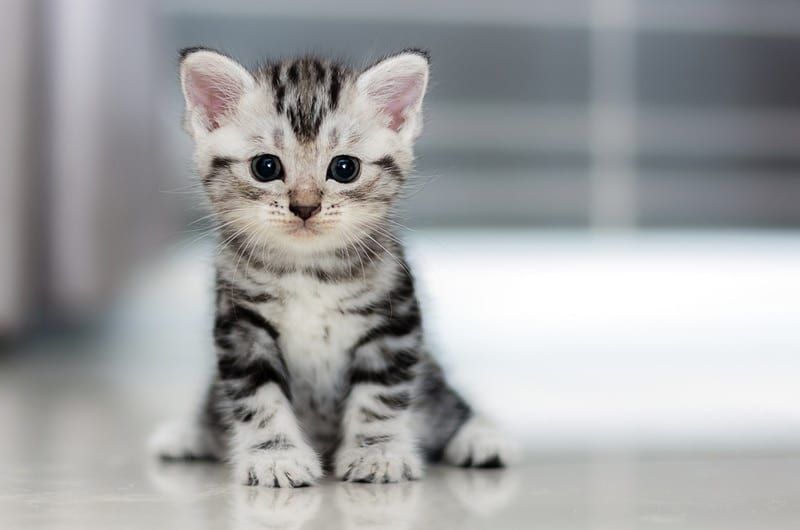
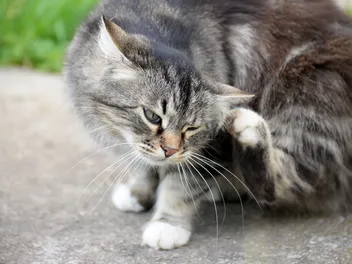
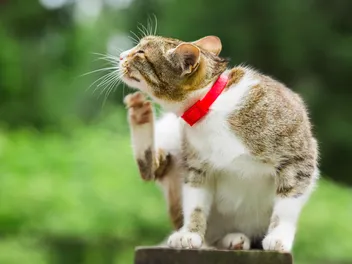
You may be wondering what to do if you’ve recently adopted or are fostering a kitten and have seen telltale signs of fleas, such as biting and scratching. Dealing with fleas requires several steps; the kittens and the environment require attention. Killing any fleas on your pet is the first part of the process.
Speak with your veterinarian for guidance on the best flea products to use since most commercial flea and tick options aren’t approved for use in kittens. You’ll also need to get rid of fleas lurking in bedding, rugs, and upholstered furniture to address the situation effectively. Keep reading to learn how to get rid of fleas on kittens in seven simple steps.

The 7 Steps to Get Rid of Fleas on Kittens
1. Give Your Veterinarian a Call
Because kittens have special needs when it comes to flea treatment, speaking with your veterinarian is the best way to determine how to move forward. Many commercial flea products aren’t safe for kittens younger than 8 to 10 weeks old. Ask for specific recommendations regarding flea-killing shampoos, as many can’t be used on pets before they reach around 3 months old.
2. Use a Flea Comb
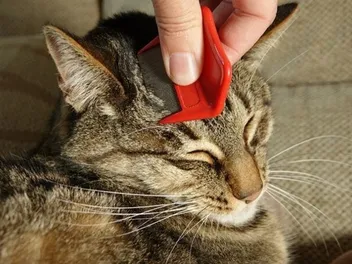
Giving kittens a daily once-over with a flea comb is a great way to see if they have fleas. It also allows you to remove any dirt or debris you discover. Grooming kittens provides that all-important socialization that enables them to become comfortable with being picked up and handled by people. Regular flea combing won’t prevent kittens from getting fleas, but it can relieve your pet from the biting pests.
Flea combing only removes adult fleas, so it won’t completely fix the problems. You’ll likely need to repeat the process several times to keep fleas at bay. Don’t forget to run the comb through places fleas like to hide, such as between your kitten’s toes and around their groin. Dip the comb in soapy water to clean off any accumulated fleas and prevent them from escaping.
3. Bathe Them
Bathing kittens can help remove the adult fleas left behind after flea combing. Follow your veterinarian’s advice regarding what type of products, if any, to use when bathing your kittens. Kittens often have difficulty staying warm, so consider warming up the room where any bathing activities occur before getting started with bath time. Use warm but not hot water. If you choose to use soap or shampoo approved by your veterinarian, make sure to rinse your kittens off well to prevent skin irritation.
Consider placing a folded towel in the bottom of the sink or tub to bathe your kittens to keep them comfortable during the process. Keep in mind that frequent bathing often causes problems for delicate feline skin. Dry kittens immediately with warm towels as they often have difficulty regulating temperature.

4. Apply Any Flea Treatments
If your veterinarian recommends a flea treatment, apply it precisely as prescribed. Never use commercial flea treatments on kittens without checking with your veterinarian for advice. Many flea products aren’t approved for the littlest cats. Most topical flea treatments should be applied after cats have been flea combed and bathed. Remedies such as essential oils should be avoided, as even small amounts of these products can be fatal in cats.
5. Vacuum
Thorough vacuuming is a must when it comes to getting rid of fleas. Since it’s sometimes impossible to completely treat fleas on kittens, regular deep cleaning is often the best way to keep fleas in check until cats are old enough to be safely treated. Get started using a vacuum with a high-quality HEPA filter to eliminate as many fleas and flea eggs as possible.
Pay extra attention to corners and other places where pet fur accumulates. Remove cushions on upholstered furniture and use attachments to remove dirt hiding in nooks and crannies. Dump the vacuum contents into a bag and seal it. Take the bag outside and dispose of it immediately to prevent fleas from reinfecting your home.

6. Laundry
Washing bedding and other infested items at high temperatures can kill most fleas and their eggs. Throwing things into the dryer after being laundered also helps. You’ll need to wash all of your bedding, including pillows, comforters, and linen, to ensure no fleas are lurking in your home.
You’ll also need to throw all the bedding and soft toys your kittens have come into contact with into the laundry. Read the manufacturer’s instructions for information on how to launder kitten beds properly. Washing and drying the items at the highest possible temperature will kill the fleas and eggs.
7. Preventative Steps
Because so many flea products can’t be used until kittens are older than around 3 months or so, it’s often difficult to treat fleas in the smallest pets. So, managing the situation and keeping fleas under control until kittens are old enough to be safely treated can make a huge difference. Consider putting a simple folded cotton sheet on top of places your kittens like to hang out to make it easier for you to wash the items.
Regular vacuuming and daily flea combing can also help. Keep an eye on the situation and reach out to your veterinarian if things don’t improve or if your kittens begin to develop seriously itchy skin to prevent the development of infections that often require treatment with antibiotics.

Conclusion
Getting rid of fleas on kittens often requires considerable patience, time, and effort, as many tried and true flea prevention products aren’t safe for baby cats. Speak with your veterinarian if you suspect your kittens have fleas; they’ll be able to provide medically sound recommendations for treatment approaches and products based on your pet’s age, health conditions, and the seriousness of the infestation. Vacuuming and flea combing are two tried and true ways to keep fleas under control until kittens are old enough to tolerate flea shampoos and treatments.
See also:
Sources
Featured Image Credit: Top Photo Engineer, Shutterstock
Expert cat care, straight to your inbox
News, insights, and useful advice, delivered to you.

No spam — unsubscribe anytime.
By signing up, you agree to our Terms & Conditions and Privacy & Cookies Policy.
How useful was this post?
Click a star to rate. You can leave written feedback afterwards. (We read all feedback.)
Lorre Luther is a writer who is firmly convinced that cats are smarter than humans. She left her law career in the United States and moved to the Netherlands to follow her dream of becoming a writer. Lorre currently lives in Rotterdam, she enjoys traveling and greatly appreciates the beauty of nature. Lorre has a spot for animals and admires the intelligence of cats.